Dry Fruits for Kids: Essential Nutrients for Growth and Immunity

Dry fruits are small but power-packed nutritional treasures that offer a concentrated source of vitamins, minerals, antioxidants, healthy fats, and proteins. For children, incorporating dry fruits into their daily diet can significantly support growth, brain development, immunity, and overall health. Unlike fresh fruits, dry fruits are denser in nutrients, making them ideal snacks for busy school days, outdoor activities, and as a complement to meals.

In Pakistan, dry fruits like almonds, walnuts, cashews, raisins, pistachios, and dates are widely available and are traditionally considered excellent for children’s growth. However, many parents are unaware of the best types of dry fruits, portion sizes, and ways to serve them safely. This guide explores the top dry fruits for kids, their benefits, and practical ways to include them in daily meals.

  1. Almonds — Brain and Bone Booster

Almonds are rich in vitamin E, magnesium, calcium, and protein, making them an excellent choice for children’s brain development and bone health. Vitamin E is a powerful antioxidant that protects cells from damage, supports immunity, and improves cognitive function. Magnesium and calcium together strengthen bones and teeth, promoting healthy growth.

Serving Tips:

  • Soak 4–6 almonds overnight, peel them, and serve in the morning.
  • Grind soaked almonds into a paste and mix with milk or yogurt for a nutrient-rich smoothie.
  • Chop almonds into breakfast cereals, oatmeal, or fruit salads for added crunch.

Health Benefits:
Almonds enhance memory, learning ability, and bone strength, making them an essential dry fruit for school-age children.

  1. Walnuts — Brain and Cognitive Development

Walnuts are an excellent source of omega-3 fatty acids, protein, and antioxidants, which are crucial for brain development. Omega-3s support learning, memory, and concentration, making walnuts a must-have during early and middle childhood when cognitive development is rapid.

Serving Tips:

  • Serve 2–3 walnut halves daily as a snack.
  • Grind walnuts and mix into milk, yogurt, or porridge for added nutrition.
  • Add chopped walnuts to baked goods or energy bars for children.

Health Benefits:
Regular walnut consumption improves brain function, focus, and mental alertness, supporting academic performance and learning.

  1. Cashews — Energy and Immune Support

Cashews provide healthy fats, protein, iron, and zinc, which support energy production, immunity, and growth. They are slightly softer than other nuts, making them suitable for younger children who may have difficulty chewing harder nuts.

Serving Tips:

  • Serve a small handful (5–7 cashews) daily.
  • Blend cashews with milk or yogurt to make creamy shakes.
  • Use cashews in savory dishes, khichdi, or rice for extra nutrients.

Health Benefits:
Cashews help maintain energy levels, muscle growth, and strong immunity, essential for active children.

  1. Pistachios — Eye Health and Immunity

Pistachios are rich in vitamins A, E, potassium, and fiber. Vitamin A supports vision development, while antioxidants boost immunity. Fiber improves digestion and helps maintain healthy blood sugar levels, even with natural sugars from fruits included in the diet.

Serving Tips:

  • Serve a small portion (5–7 pistachios) as a snack.
  • Chop pistachios and add to yogurt, smoothies, or fruit salads.
  • Use pistachios in desserts or energy balls for a nutrient boost.

Health Benefits:
Pistachios enhance vision, digestion, and immunity, making them a versatile and tasty option for kids.

  1. Raisins — Natural Energy and Iron Boost

Raisins are dried grapes and are rich in natural sugars, iron, and antioxidants. Iron is crucial for hemoglobin production, which prevents anemia and keeps children energetic. Raisins also provide quick energy, making them ideal for school snacks and outdoor activities.

Serving Tips:

  • Mix a small handful of raisins into oatmeal, yogurt, or cereals.
  • Serve as a midday snack with nuts for balanced energy.
  • Add to homemade energy bars or muffins.

Health Benefits:
Raisins prevent fatigue, anemia, and low energy, supporting active growth and performance in school and sports.

  1. Dates — Immunity and Growth Support

Dates are a rich source of potassium, iron, fiber, and antioxidants. They provide instant energy, support digestion, and strengthen immunity. Dates are particularly useful during cold months or when children need an energy boost before school or sports.

Serving Tips:

  • Serve 2–3 dates as a natural sweet snack.
  • Chop dates into oatmeal, smoothies, or milkshakes.
  • Blend dates with nuts to make energy balls for a healthy treat.

Health Benefits:
Dates improve digestion, immunity, and growth, while also providing natural sweetness without added sugar.

  1. Hazelnuts — Heart and Brain Health

Hazelnuts are rich in vitamin E, healthy fats, protein, and magnesium, which support brain development, heart health, and strong bones. Their crunchy texture and mild flavor make them suitable for older children as a snack.

Serving Tips:

  • Chop or grind hazelnuts into milk or smoothies.
  • Add to breakfast cereals, oatmeal, or baked goods.
  • Serve a few whole hazelnuts daily for snack-time nutrition.

Health Benefits:
Hazelnuts enhance memory, brain function, and cardiovascular health, supporting long-term wellness.

  1. Apricots — Vision and Immune Support

Dried apricots are high in vitamin A, iron, and fiber, which are important for vision, immunity, and digestion. They are soft, sweet, and easy to chew, making them suitable for younger children as well.

Serving Tips:

  • Serve a few dried apricots daily as a snack.
  • Chop and mix into cereals or yogurt for added sweetness and nutrients.
  • Include in homemade energy bars or puddings.

Health Benefits:
Apricots support eye health, digestion, and immunity, while providing a natural source of energy.

  1. Figs — Digestive and Bone Support

Figs are rich in calcium, potassium, fiber, and antioxidants. They support bone growth, digestion, and immunity, making them ideal for growing children. Their chewy texture and natural sweetness make them a perfect snack or dessert addition.

Serving Tips:

  • Serve 2–3 dried figs daily.
  • Chop figs into yogurt, cereals, or oatmeal.
  • Blend with milk and nuts to make a nutrient-rich smoothie.

Health Benefits:
Figs improve bone strength, digestion, and overall growth, supporting healthy childhood development.

  1. Practical Tips for Including Dry Fruits in Children’s Diet
  1. Moderation is Key: Dry fruits are calorie-dense; small portions (5–10 pieces of nuts or 2–3 dates) are enough daily.
  2. Soak Hard Nuts: Almonds and walnuts can be soaked overnight to improve digestibility.
  3. Combine with Meals: Mix nuts and dried fruits with cereals, yogurt, or milk for added nutrition.
  4. Homemade Energy Balls: Blend nuts, dates, and raisins to make healthy snacks that kids love.
  5. Avoid Added Sugar: Use natural sweetness from dried fruits rather than sugary packaged snacks.
  6. Introduce Gradually: Introduce one type of dry fruit at a time, especially for younger children, to avoid allergies.

Benefits of Dry Fruits for Kids

  • Bone and Teeth Development: Almonds, cashews, and figs provide calcium and magnesium.
  • Brain Development: Walnuts, almonds, and hazelnuts enhance memory and concentration.
  • Immunity Boost: Dates, apricots, and raisins provide antioxidants and vitamins.
  • Energy Support: Dates, raisins, and cashews give natural, sustained energy.
  • Digestive Health: Figs, apricots, and raisins are rich in fiber, improving gut health.

Conclusion

Dry fruits are a powerful and convenient source of nutrition for children. Almonds, walnuts, cashews, pistachios, raisins, dates, hazelnuts, apricots, and figs offer concentrated vitamins, minerals, protein, healthy fats, and antioxidants essential for growth, immunity, brain development, and energy.

Parents should focus on moderation, variety, and preparation techniques such as soaking nuts or combining them with milk, yogurt, cereals, or smoothies. Incorporating dry fruits into the daily diet ensures children grow stronger, stay active, think sharper, and maintain healthy immunity, laying the foundation for a healthy and energetic childhood.

With thoughtful inclusion, dry fruits become more than snacks—they are daily nutrient boosters that support a child’s growth, cognitive development, and overall wellbeing.



Advertisement
Educational Benefits of Nursery Rhymes: More Than Just Fun Songs
Educational Benefits of Nursery Rhymes: More Than Just Fun Songs Nursery rhymes have been a staple of early childhood education for centuries. While they are often seen as simple and fun songs, these timeless rhymes actually provide a rich educational experience for young children. Through the rhythm, rhyme, and repetition, nursery rhymes support language development, cognitive skills, and social growth. 1. Enhancing Language Skills: Nursery rhymes are packed with rhythm and rhyme, which play an essential role in language development. The repetitive nature of these songs helps children become familiar with sounds, syllables, and word patterns, which are vital for language acquisition. As children sing along or listen, they are exposed to new vocabulary and language structures, helping them build a strong foundation for communication. 2. Boosting Cognitive Development: Nursery rhymes stimulate cognitive growth by encouraging children to think and remember. The rhythm and repetition of the rhymes help strengthen memory and listening skills. As children memorize these rhymes, they are practicing their recall abilities, which is crucial for developing concentration and problem-solving skills. Additionally, nursery rhymes often include simple concepts like counting, shapes, or colors, promoting basic cognitive understanding. 3. Social and Emotional Development: Nursery rhymes often encourage group participation, making them an excellent tool for social development. When children sing together or perform actions related to the rhymes, they learn about taking turns, cooperation, and listening to others. These interactions foster a sense of belonging and help children develop empathy as they experience shared joy through music. Rhymes also help children express emotions in a safe and fun way, allowing them to connect with their feelings and those of others. 4. Improving Phonological Awareness: Phonological awareness—the ability to recognize and manipulate sounds in spoken language—is crucial for early reading skills. Nursery rhymes are an excellent way to enhance this skill, as the rhyming words and rhythmic patterns help children tune into the sounds of language. By recognizing rhymes, alliterations, and word patterns, children develop the foundational skills necessary for reading and writing. 5. Encouraging Cultural and Educational Traditions: Many nursery rhymes come from different cultures and carry valuable educational and historical significance. Singing these rhymes introduces children to traditional stories, values, and folk wisdom. They also create a sense of connection with past generations and a shared cultural identity, which is essential for building a sense of belonging. 6. Fostering Creativity and Imagination: Nursery rhymes often tell imaginative and fantastical stories. Through singing these songs, children can engage their creativity and explore new ideas. Whether it's imagining the adventures of a cow jumping over the moon or the antics of a little spider, these rhymes encourage children to think outside the box and expand their imagination. Nursery rhymes may seem simple, but they are an invaluable educational tool that fosters a wide range of developmental skills in young children. Through their catchy tunes, playful language, and engaging repetition, these songs create a fun and interactive way for children to grow intellectually, socially, and emotionally. So, the next time you sing a nursery rhyme, remember—it’s more than just fun, it’s also a powerful learning tool!
Advertisement
A Journey to the Magic Ice Cream Cart!
Hello, little friends! Are you ready for the most delicious adventure of your life? Today, we are stepping into a world filled with bright colors, smiling faces, and—best of all—mountains of cold, creamy ice cream! If you look at our latest picture, you will see a sunny park where a magical pink cart has just arrived. It is time to explore the world of "Gelato Divino" and find out why a simple scoop of ice cream can turn any day into a masterpiece. Meet the Happy Ice Cream Team In the center of this wonderful scene, we have two very special people who are making the world a sweeter place. Let’s say hello to them! The Friendly Scooper Standing behind the pink cart is a lady with a giant smile and cool pink heart-shaped sunglasses. She looks like she has the best job in the world! She is wearing a bright blue shirt with white frills, and she has her hands out as if to say, "Welcome to my world of treats!" She is a master of the ice cream scoop, ready to make any flavor you can imagine. The Lucky Little Explorer Right in front of us is a little boy who is probably the happiest kid in the park. He is wearing bright blue overalls and has a smile that stretches from ear to ear. Why is he so happy? Because he is holding two giant ice cream cones! One is a bright, sunny yellow, and the other is a vibrant, deep pink. He is showing us that when it comes to ice cream, one is great, but two is even better! Exploring the Magical Pink Cart The "Gelato Divino" cart is not just a regular food stand; it is a treasure chest on wheels. Let’s look at all the cool details that make it so special. The Stripes of Happiness The cart has a beautiful pink and white striped canopy. These colors are often used for candy shops and ice cream parlors because they make us feel excited and hungry for something sweet. The wavy edges of the roof look like frosting on a cake! A Rainbow of Flavors Look at the counter of the cart. There are five cones lined up, and each one is a different color: Bright Pink: Maybe it tastes like strawberries or raspberries. Sunny Yellow: Could this be lemon or tropical mango? Ocean Blue: This looks like a cool blueberry or cotton candy flavor. Grass Green: Is it lime or perhaps minty chocolate chip? Creamy White: The classic vanilla that everyone loves. Inside the glass display, you can see even more swirls of colors, like blue and white together, and bright red scoops. It’s like a rainbow melted into a bowl! The Secret Jar of Treats On the left side of the cart, there is a big glass jar filled with bright pink treats. They look like soft cookies or giant candies. In a world of ice cream, toppings are like the crown on a king—they make everything more exciting! Why Ice Cream Makes Us Smile Have you ever wondered why you feel so happy when you hear the music of an ice cream truck or see a cart like this? There is actually a lot of science and magic behind it! The "Cold" Surprise When you take a lick of ice cream on a hot day in the green grass, the coldness surprises your tongue. It feels refreshing and wakes up your senses. It’s like a tiny winter vacation for your mouth! The Power of Sugar Our brains love sweet things because they give us a little burst of energy. When the boy in the picture takes a bite of his yellow cone, his brain will send signals that say, "This is great! Let's keep smiling!" Sharing the Joy Ice cream is even better when you eat it with friends. The lady behind the cart isn't just selling food; she is sharing joy with the boy and everyone else in the park. Sharing a treat is one of the nicest things you can do for someone. Learning Your Colors at the Park The "Gelato Divino" scene is a perfect place to practice our colors because everything is so bright! Pink: This is the star of the show. It’s on the cart, the lady’s glasses, the boy’s cone, and the jar of treats. Pink is a color of kindness and sweetness. Blue: The boy’s overalls, the lady’s shirt, and the clear sky behind the trees are all blue. Blue helps us feel calm and happy. Yellow: The boy’s favorite cone is yellow, just like the sun. Green: Look at the thick, lush hedge behind the cart. Green is the color of nature and health, and it makes the pink cart stand out even more. The Art of the Perfect Cone If you look closely at the cones the boy is holding, you can see they aren't just flat scoops. They are swirled! How Do They Make the Swirl? The ice cream comes out of a special machine that twists it as it lands on the wafer cone. This makes it look like a tall tower or a colorful mountain. The wafer cone itself has a little pattern of squares on it, which helps you hold it tight so it doesn't slip out of your hands! The "Two-Handed" Challenge The boy is being very brave by holding two cones at once. You have to be very careful not to let them tilt, or—splat—your ice cream might fall on the grass! He is holding them very steady, showing us he is a pro at enjoying his treats. Imagination Time: What’s on the Menu? Let’s look at the bottom of the pink cart. It says "Crepes, Waffles, Sundaes, Shakes, Coffee, Cakes." This cart can make almost anything! If You Were the Chef... Imagine you were standing where the lady is. What would you create? A Giant Sundae: You could take three scoops, add chocolate sauce, sprinkles, and a cherry on top! A Magic Waffle: Imagine a warm, crispy waffle with a scoop of blue ice cream melting right in the middle. A Rainbow Shake: You could mix the pink, yellow, and blue flavors together to make a drink that looks like a sunset. Conclusion: Every Day Can Be Divino! The picture of the boy and the ice cream cart reminds us that the best days are the ones where we find something to smile about. It doesn't have to be a giant pink cart; it could be a small flower, a game with a friend, or a hug from your mom or dad. But, of course, having a yellow and pink ice cream cone certainly helps! The next time you are outside playing in the grass, keep your eyes open. You never know when a little bit of magic—and a lot of gelato—might come rolling into your day. Keep smiling, keep exploring, and most importantly, keep enjoying the sweet things in life!
The Science Behind “Visual-First” Learning in Early Childhood
The modern child does not enter the world through words. They enter through sight. Before reading, before counting, before even speaking clearly, children are decoding colour, movement, faces, and patterns. Early-years educators call this a visual-first learning pathway, and it is not a trend. It is how the developing brain is wired to learn. Neuroscience shows that young children process images far faster than language because the visual cortex matures earlier than linguistic centres. In simple terms, a child understands a story they see long before they can understand one they are told. That is why carefully designed visual media—especially educational cartoons and illustrated narratives—can act as powerful developmental tools when used intentionally. This visual environment becomes a kind of mental scaffolding. It gives children working models of how objects behave, how people react, and how problems are solved. Think of it as a rehearsal for reality. Cognitive Logic: How Images Teach Thinking Before Words Colour, Pattern, and the Birth of Categorisation 4 One of the earliest intellectual skills a child develops is categorisation—the ability to group things based on shared traits. This is the foundation of mathematics, science, and reasoning. When children see bright red objects grouped together or characters matching colours repeatedly, they begin forming what psychologists call attribute recognition. They are isolating one feature (colour, shape, size) and building a logical rule around it. No equations. No memorisation. Just pattern recognition quietly building neural architecture. In classrooms across South Asia, early-learning programs increasingly use colour-based sorting games because they activate executive functioning skills—the same mental system later used for planning and problem-solving. Visual Physics: Understanding How the World Works 4 Children do not learn physics from formulas. They learn it from watching things move. When visual stories show vehicles pulling, lifting, stacking, or rescuing objects, children observe: Force (things require effort to move) Cause and effect (actions create results) Systems (multiple parts must work together) These scenes create intuitive engineering awareness. A child who watches coordinated movement understands teamwork and mechanics long before encountering formal STEM education. Educators sometimes call this proto-engineering cognition—the playful roots of later technical thinking. Social-Emotional Learning: Teaching Feelings Through Faces Emotional Recognition Is a Visual Skill First 4 A toddler cannot define sadness, but they can recognise a crying face instantly. That recognition is the first step toward empathy. Visual narratives exaggerate emotions—large tears, wide smiles, shocked expressions—because clarity helps children map feelings to observable signals. Over time, they internalise this emotional vocabulary and begin identifying their own states. This ability predicts stronger peer relationships and fewer behavioural conflicts later in school. Emotional literacy, it turns out, begins with simply seeing emotions modelled clearly. Safe Exposure to Fear, Change, and the Unexpected Children constantly face new experiences that feel overwhelming: medical visits, unfamiliar environments, and social separation. Visual storytelling allows them to encounter symbolic versions of these fears in controlled settings. Psychologists describe this as symbolic rehearsal. The child watches a character navigate difficulty and stores that memory as a template for handling similar stress. The brain treats the visual rehearsal almost like real experience—but without the risk. Life Skills Through Imaginative Modelling Turning Responsibility Into Play Young children resist instruction but embrace imitation. When everyday tasks are embedded in imaginative stories, resistance drops dramatically. Cleaning becomes teamwork.Hygiene becomes protection.Helping others becomes heroic rather than expected. This reframing activates intrinsic motivation—the child wants to participate because the action feels meaningful. Developmental specialists note that children engaged through narrative modelling are far more likely to adopt routines independently than those taught through direct commands alone. Early Awareness of Roles and Contribution Visual scenarios often depict characters taking on roles—helpers, builders, caregivers, explorers. These portrayals introduce the idea that communities function through cooperation. Children begin to see themselves not just as receivers of care, but as participants capable of contributing. That shift is subtle, but powerful. Agency begins here. Nature, Environment, and Real-World Connection Visual Encounters Build Environmental Awareness 4 When children see food growing, animals being cared for, or landscapes explored visually, they begin linking daily life to natural systems. This supports what educators call ecological identity formation—the understanding that humans are connected to their environment, not separate from it. Such exposure encourages curiosity about where food comes from, why animals matter, and how living systems interact. The Hidden Architecture: Why This Approach Works The effectiveness of visual-first pedagogy lies in how closely it mirrors neurological development. Young brains: Process imagery faster than speech Retain narrative visuals longer than verbal instruction Learn behaviour through observation before abstraction Build reasoning from concrete examples, not explanations In other words, visual learning is not simplify education. It is aligning education with biology. A Balanced Perspective: Tool, Not Replacement Visual learning is powerful, but it is not meant to replace real interaction. Its strength lies in preparation, not substitution. The most effective developmental environments combine: Guided visual exposure Hands-on play Adult conversation and reflection When these elements work together, children move smoothly from observation to participation to understanding. Final Reflection: Frames That Become Foundations What looks like simple imagery to adults can function as a complex cognitive architecture for a child. Every repeated colour pattern, every modelled interaction, every visual problem solved contributes to neural pathways that shape reasoning, empathy, and confidence. Childhood learning does not begin with textbooks.It begins with perception. And when visual environments are designed thoughtfully, those early perceptions become the blueprint for how a child understands the world—one image, one pattern, one story at a time. The real magic is not on the screen. It is in the brain quietly assembling meaning from what it sees, preparing for a lifetime of learning that will eventually move from pictures to principles, from imitation to insight.  
The Digital Frontier of Early Learning
A Tapestry of Joy and Discovery In the rapidly evolving landscape of modern childhood, the intersection of education, entertainment, and digital storytelling has created a new frontier for development. For the youngest generation, the world is often first explored through vibrant, high-contrast visuals and characters that mirror their own curiosity and emotional complexity. This digital tapestry does more than just occupy time; it serves as a foundational tool for understanding social norms, logical reasoning, and the beauty of the natural world. Through carefully crafted scenarios—from the bustling morning rush to the quiet serenity of a bamboo forest—children are invited into a safe space where they can experiment with empathy, celebrate small victories, and develop the cognitive flexibility needed for a complex future. The Psychological Impact of Color and Contrast The use of a bold, saturated color palette is not merely an aesthetic choice; it is a strategic educational tool designed to capture and hold a child's developing attention. Primary Colors and Cognitive Identification Bright red, vibrant yellow, and deep blue serve as the primary anchors of a child's visual vocabulary. Radiant Red: Often used for central characters or high-energy objects, red demands immediate focus and is frequently associated with excitement or importance. Sunny Yellow: Representing warmth and optimism, yellow is the color of choice for friendly guides, playful chicks, and icons of morning light, fostering a sense of happiness and safety. Cool Blue: Whether in the form of a clear sky or a sturdy school bus accessory, blue provides a stabilizing contrast, helping children feel calm and secure amidst the action. Logical Sorting and Pattern Recognition By grouping objects by color—such as a line of trucks following a series of colorful eggs—educational media introduces the concepts of categorization and sets. This visual "logic" is the precursor to mathematical thinking, teaching children to recognize patterns and gradients long before they begin formal arithmetic. Social-Emotional Learning Through Character Expression Perhaps the most vital role of modern children's media is the teaching of empathy and emotional intelligence (EQ) through exaggerated character expressions. Identifying Complex Emotions Children often struggle to name their feelings. When they see a character with wide eyes and an open mouth, they instantly recognize the feeling of "surprise". The Look of Wonder: A character’s expression of awe when faced with something magical—like a sink full of treats—validates the child’s own sense of curiosity. Conflict and Resolution: When two characters are in distress, and a third—perhaps an authority figure in a uniform—steps in to mediate, children learn the basics of conflict resolution and the importance of helping others. The Power of a Smile: A wide, toothy grin from a toddler or a friendly animal reinforces the concept of joy and the positive social feedback that comes with a happy interaction. The Role of Friendship and Companionship Characters are rarely alone in these stories. Whether it is a trio of birds sitting on a branch or two friends sharing a car ride, the emphasis is always on togetherness. These narratives show that adventures are better when shared and that support from a peer is a fundamental part of the journey. The Intersection of Fantasy and Reality: Sensory Play The digital world often presents "impossible" scenarios that encourage imaginative play and sensory exploration. Tactile Visualization Even though a child cannot touch the screen, the high-quality rendering of textures allows their brain to "feel" the environment. Gooey and Slimy: The representation of purple "slime" dripping down a building or chocolate treats flowing from a faucet stimulates the child's sensory imagination. Soft and Fluffy: Seeing the downy feathers of a chick or the thick fur of a goat encourages a child to seek out similar tactile experiences in the real world. Turning Routines into Adventures By depicting a mundane activity—like washing up or going to school—as something filled with magic and color, these stories help reduce "routine anxiety". A monkey taking a shower becomes a moment of comedy, and a race to the bus becomes a heroic quest, making the real-life versions of these tasks feel more approachable for the child. Nature as an Interactive Classroom The agricultural and natural settings found in early learning media serve as a bridge to environmental awareness and biological curiosity. Connection to Living Things Interaction with farm animals—cows, goats, and roosters—teaches children that the world is inhabited by many different types of creatures, each with their own needs and behaviors. Gentleness with Animals: Seeing a toddler offer food to a goat or sit calmly near a rooster promotes the idea of "gentle hands" and respect for nature. Diversity of Life: The variety of animals, from the small chick to the large cow, helps children understand the concept of size, sound, and habitat. Environmental Stewardship The use of lush green landscapes, clear blue skies, and bamboo forests instills an early appreciation for the beauty of the outdoors. It encourages children to look at the trees and animals in their own backyard with a sense of wonder and a desire to protect them. Responsibility, Punctuality, and Life Skills As children age, their media begins to introduce more complex concepts like time, responsibility, and the systems that make society function. Mastering the Clock The presence of a large analog clock in a scene about a school bus is a direct lesson in punctuality. It helps children visualize how time passes and understand that certain events, like the arrival of the bus, happen on a schedule. Roles and Responsibilities Seeing characters in specific roles—a bus driver, a police officer, or a tractor driver—helps children understand the "helpers" in their community. It introduces the concept that everyone has a job to do and that working together makes the whole "farm" or "school" run smoothly. Conclusion: A Foundation Built on Wonder The digital world of early learning is more than just bright lights and catchy songs. It is a carefully architected environment that respects a child's intelligence while nurturing their sense of wonder. By combining the logic of sorting with the empathy of friendship and the magic of sensory imagination, these stories provide the building blocks for a well-rounded and curious individual. As children transition from these digital experiences to real-world playgrounds, they carry with them the lessons of the rainbow eggs, the friendly goats, and the timely school bus. They learn that the world is a place to be explored, that emotions are things to be shared, and that every morning—whether it involves a candy sink or a muddy puddle—is the start of a new and beautiful adventure.  
Happy Monkey Farmer Driving Red Tractor with Jungle Animals
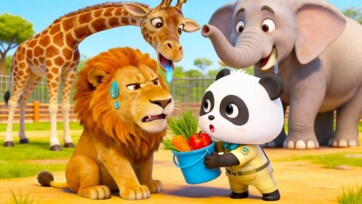
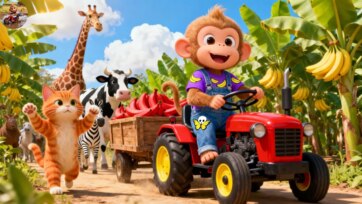
In modern early childhood pedagogy, the "visual-first" approach has become a dominant force in cognitive development. By leveraging high-contrast digital art, relatable anthropomorphic characters, and strategic social modeling, educational media creates a multi-layered learning environment. The following analysis explores how these visual narratives translate into foundational life skills, ranging from mechanical logic to emotional resilience. Agricultural Literacy and Systems Management Early childhood media often uses farm-based scenarios to introduce children to the concepts of labor, food sources, and logistical management. Logistical Chains: Seeing a monkey in yellow overalls drive a green tractor to transport five smiling cows introduces the idea of transportation and the movement of resources. Source of Goods: The inclusion of a second monkey collecting a bucket of fresh milk next to a cow provides a direct visual link between farm animals and the products children consume daily. Specialized Transport: The use of a wooden trailer to move large harvests, such as red bananas, teaches children about the utility of specialized tools for specific tasks. Environmental Context: These scenes are set in vibrant, sunny landscapes with banana trees and rolling hills, fostering a positive emotional association with nature and agricultural work. The Mechanics of Rescue and Community Cooperation Toy-based scenarios involving service vehicles are a staple for teaching cause-and-effect, mechanical logic, and the importance of community "helpers". Mechanical Advantage: The depiction of a blue tow truck using a cable and hook to pull a yellow school bus out of thick mud serves as a primary lesson in problem-solving and the use of tools to overcome physical obstacles. Collaborative Force: Seeing four different tractors (blue, pink, green, and black) using heavy chains to pull a tanker and cargo truck up a riverbank demonstrates that some tasks require collective effort rather than individual strength. Crisis Response Teams: Surrounding a stuck bus with an ambulance, fire truck, and cement mixer teaches children to recognize the different roles of professional responders in a community crisis. Physics of Environment: The visual of "mud" sticking to the tires of the bus introduces the physical properties of friction, weight, and environmental resistance. Cognitive Categorization through Chromatic Logic Color matching is one of the earliest logical frameworks a child develops, and visual media accelerates this through "attribute matching". Animal-to-Object Matching: Placing realistic but brightly colored animals—like a red tiger, green lion, yellow bear, and blue gorilla—next to soccer balls of the same color forces the child to isolate color as a primary attribute. Sequential Logic: The arrangement of anthropomorphic trucks and large-eyed eggs in a rainbow spectrum (red, yellow, green, blue, purple) reinforces the concept of order and linear progression. Spatial Placement: Visuals where colored trucks are positioned in front of matching garage doors help children practice spatial reasoning and memory. Emotional Intelligence and Processing Fear A significant portion of modern media focuses on Social-Emotional Learning (SEL), helping children identify internal states and navigate common anxieties. Externalizing Night Terrors: By showing a toddler pointing at a dark, smiling "ghost" character in a bathroom, the media helps children name and externalize their fears of the dark. Distinguishing Fantasy from Reality: Placing a "Spider-Man" themed T-Rex at a bedroom window blends a familiar, "safe" hero with a traditionally "scary" predator, allowing children to process complex emotional stimuli. Recognizing Distress: The presence of blue teardrops on the toddler 'Anna' provides a universal visual shorthand for sadness and fear, which helps children learn to empathize with others. Empathy and Caretaking: A scene where a panda offers a bucket of vegetables to a worried-looking lion demonstrates the ability to recognize and respond to the distress of others in a social setting. Nurturing Stewardship and Biological Discovery Interaction with animals is a core theme that models compassion, observation, and respect for life. Gentle Hands: A young boy kneeling to feed a fluffy yellow chick under the watchful eye of a hen models the concept of "gentle stewardship" and cross-species bonding. Detailed Observation: Scenes featuring diverse breeds of chickens, including white and brown hens with red combs, encourage children to pay attention to the specific physical traits of animals. Communal Travel: A train driven by a toddler carrying a zebra, elephant, pig, and giraffe symbolizes social inclusion and the value of shared experiences among different "species". Habit Formation and Personal Autonomy Turning mandatory routines into playful narratives reduces the friction between a child's desire for play and their need for personal care. Hygiene as a Social Game: Personifying a tooth and a toothbrush makes dental hygiene feel like a social activity rather than a chore. Visualizing Health Threats: The inclusion of a small, grumpy green "germ" character with a sword provides a tangible reason for brushing, making the abstract concept of bacteria understandable. Vocational Roleplay: A boy in a captain’s uniform standing next to a cardboard airplane demonstrates the power of imaginative play in exploring future roles and building self-confidence. DIY Creativity: The use of a cardboard plane highlights that simple, everyday materials can be the catalyst for global adventures and creative problem-solving. Cross-Species Harmony and Social Play The final layer of this educational tapestry is the promotion of a world where diverse groups coexist peacefully and joyfully. Shared Leadership: Whether it is a monkey leading a farm parade or a toddler driving a train, these visuals reinforce the idea that even the smallest individuals can lead and care for a large group. Playful Landscapes: The background of these images—filled with rolling green hills, banana plantations, and clear blue skies—frames the world as an inviting space for exploration. Inclusion of the "Wild": Including traditionally "wild" animals like wolves and tigers in friendly, domestic farm scenes suggests that cooperation is always possible regardless of perceived differences. Conclusion: A Multi-Sensory Roadmap The visual landscape presented in these images is more than just entertainment; it is a meticulously designed roadmap for the developing brain. By utilizing saturated colors to teach logic, expressive faces to teach empathy, and mechanical failures to teach resilience, these narratives prepare children for the complexities of the real world. Each scenario serves as a bridge between the digital screen and the child's physical environment. When a child sees a real tractor, they recall the monkey's farm; when they face the dark, they remember the bathroom ghost was just a story; and when they pick up a toothbrush, they see a "friend" rather than a tool. This synergy between visual storytelling and practical life skills ensures that the modern child is building a robust cognitive and emotional foundation through every frame they consume.  
Why Falling Is Part of Growing
Every child who learns to ride a bicycle knows this moment well. The little rider, helmet slightly crooked, hands scraped, tears rolling down, is not just having a bad day. This fall is a tiny but important lesson in courage, persistence, and resilience. Parents often rush to comfort, clean the scrape, and pick up the bike. But it’s in that pause—where the child sits on the ground, wobbles, and cries—that real growth begins. Falling is not failure. It is feedback. The Fear That Comes With Falling: Understanding a Child’s Emotional Response: Tears are more than pain—they are an emotional signal. A child may feel scared, embarrassed, or frustrated. Their confidence, which was building with each pedal, suddenly wavers. Adults can guide by naming emotions: “I see you’re scared, it’s okay to cry.” Recognizing feelings teaches children that it’s normal to experience discomfort and that emotions can be managed. According to a 2022 study by the University of Lahore, children who are allowed to process minor accidents themselves tend to develop stronger problem-solving skills and emotional resilience. Why Scrapes and Bruises Are Valuable: The Physical Lessons of Falling: Scrapes and bruises are the body’s reminders that balance, coordination, and strength take time to master. Falling trains reflexes: hands reach out instinctively, legs absorb impact, and the body recalibrates. A small fall can teach better posture, steadier hands, and more cautious pedaling. Pediatricians emphasize that these early physical challenges, when supervised, reduce the risk of bigger injuries later because the child learns how to respond safely. Encouragement Without Pressure: How Adults Can Support Without Taking Over: It’s tempting to rush in and fix everything. But sometimes the best help is giving the child space while offering gentle encouragement. Phrases like “You can try again” or “It’s okay, everyone falls when learning” foster autonomy and confidence. This approach helps the child associate the bicycle not with fear but with challenge and achievement. In Pakistan, parents often overprotect during first riding lessons, unintentionally slowing skill development. A balanced approach, however, shows children that risk is manageable and failure is temporary. Turning Tears Into Motivation: The Mindset of Resilience: Children who experience controlled setbacks early tend to grow into adults with higher resilience. Watching a small fall and learning to get back on the bike teaches persistence. Psychologists call this “grit”—the ability to continue despite difficulty. A 2021 study in Karachi schools showed that children encouraged to handle minor failures independently scored 20% higher in confidence-based assessments. Falling and crying today becomes courage and self-reliance tomorrow. The Role of Fun in Learning to Ride: Making Practice Enjoyable Rather Than Stressful: Cycling should never be associated with dread. Playful encouragement, turning small falls into funny stories, or racing with friends transforms frustration into joy. Laughter often follows tears, and joy reinforces persistence. A child laughing after a fall is learning something profound: failure is temporary, fun is constant, and trying again is part of adventure. Safety and Preparation: Minimizing Risk While Learning: Protective gear—helmets, knee and elbow pads—does more than prevent injury. They provide psychological reassurance, making children more willing to take calculated risks. Choosing safe practice areas, like quiet parks or empty roads, reduces danger while keeping the thrill intact. Education experts stress that combining safety with freedom builds competence. When children feel protected but not controlled, they explore boundaries and develop problem-solving skills naturally. Learning Life Lessons on Two Wheels: Why a Fall Matters Beyond Cycling: Falling from a bike is a microcosm of life. Children learn to handle setbacks, manage disappointment, and celebrate small victories. They internalize the lesson that mistakes do not define them; actions and responses do. Parents who model calm responses, provide empathy, and encourage retries help children carry these lessons into school, friendships, and later challenges. Making the Next Ride Smoother: Steps to Rebuild Confidence: Pause and acknowledge feelings—don’t rush the child off the ground. Assess minor injuries calmly; provide care without drama. Encourage reflection: “What did you notice that caused the fall?” Guide gently back onto the bike; celebrate the attempt more than the success. Repeat in short, positive sessions to reinforce skill and confidence. Through this method, children learn that falling is temporary, learning is continuous, and effort is what counts. Final Thoughts for Little Cyclists and Their Families: Turning Small Falls Into Big Growth: The tears shed on that first ride are more than just sadness. They are evidence of courage, curiosity, and the willingness to try. Every scrape and wobble is a building block of resilience. For families, the lesson is simple: patience, empathy, and encouragement matter more than rushing to prevent every fall. For children, the takeaway is profound: falling is not failing; it is learning. Every time a little rider gets back on the bike, they pedal not just forward on the path, but forward in life.  
Best Fruits for Kids | Healthy & Nutritious Choices for Children
Fruits are not just snacks; they are essential for children’s physical growth, brain development, immunity, and overall well-being. Every bite of a fruit delivers vitamins, minerals, antioxidants, and fiber that act as building blocks for a child’s body. While calories give energy, fruits provide nutritional intelligence — signals that guide the body on how to grow, repair, and strengthen itself. In Pakistan, many children do not consume the recommended daily servings of fruit. The National Nutrition Survey shows that less than 35% of children eat enough fruits, leading to deficiencies in vitamin C, potassium, fiber, and antioxidants. This deficiency often results in weak immunity, low energy, digestive problems, and slower physical and cognitive growth. Incorporating fruits in a daily diet is therefore not optional; it is a necessity. Here’s a detailed guide to the top 10 fruits every child should eat, along with their benefits, scientific reasoning, and practical tips for including them in meals. Banana — Energy and Potassium Booster: Bananas are one of the most popular fruits among children for good reason. They are rich in potassium, which supports heart health, muscle function, and proper fluid balance. Bananas also provide natural sugars like fructose and glucose, which deliver instant and sustained energy, ideal for active children. Additionally, bananas are high in fiber, promoting healthy digestion and preventing constipation. A banana a day keeps the digestive system smooth and also provides magnesium, which supports bone development. Serving Tips: Slice bananas into breakfast cereal or oatmeal. Blend with milk for a nutrient-packed smoothie. Offer as a quick snack before school or sports activities. Apple — Fiber and Immunity Support: Apples are a classic fruit that is both nutritious and easy for children to eat. They are rich in dietary fiber, vitamin C, and antioxidants, which support immune function, digestive health, and tissue repair. The peel contains most of the nutrients, so serving apples unpeeled is recommended. Apples help children feel full, reducing the need for processed snacks and sugary foods. Their natural sweetness makes them an appealing option for picky eaters. Serving Tips: Slice into lunchbox-friendly pieces. Spread peanut butter or yogurt on apple slices for a tasty snack. Bake with cinnamon for a warm, healthy dessert. Orange — Immune and Vitamin C Powerhouse: Oranges are rich in vitamin C, a nutrient critical for immune support, collagen formation, and iron absorption. Children with adequate vitamin C have stronger immunity, healthier skin, and better recovery from illnesses. Oranges are naturally juicy and sweet, making them highly appealing to children. Serving Tips: Serve as easy-to-eat segments. Freshly squeeze for homemade juice without added sugar. Mix orange slices into fruit salads to enhance flavor and nutrient variety. Mango — Growth and Eye Health: Mangoes are one of the most nutrient-dense tropical fruits. They contain vitamin A, vitamin C, and antioxidants, which support vision, tissue growth, immunity, and overall development. Mangoes are highly seasonal in Pakistan and are usually a favorite among children, making them an excellent way to provide essential nutrients naturally. Serving Tips: Serve as mango cubes or puree for breakfast or snack. Blend with milk or yogurt for a creamy smoothie. Combine with other fruits for a colorful fruit salad. Papaya — Digestion and Immune Booster: Papaya is known for its digestive enzyme papain, which helps break down proteins and supports nutrient absorption. It is also rich in vitamin C, folate, and potassium, all of which contribute to growth, muscle function, and immunity. Serving Tips: Serve cubed or mashed as a fresh snack. Blend into smoothies with banana or mango. Mix with yogurt for a simple, healthy dessert. Guava — Vitamin C Superfruit: Guava is an exceptional source of vitamin C, providing more than oranges. It also contains dietary fiber, potassium, and antioxidants. Regular guava consumption supports immunity, skin health, and digestion. The sweetness and soft texture make it suitable even for younger children. Serving Tips: Serve as slices or cubes. Mash and mix with yogurt for a creamy snack. Add to fruit salads to boost vitamin C intake. Blueberries — Brain and Antioxidant Support: Blueberries are small but incredibly powerful. They are packed with antioxidants and flavonoids that support cognitive development, memory, and learning. Antioxidants also protect cells from damage caused by free radicals, supporting overall long-term health. Serving Tips: Mix with oatmeal, cereal, or yogurt. Serve fresh or frozen as a snack. Blend into smoothies or pancake batter for a fun breakfast option. Watermelon — Hydration and Refreshment: Watermelon is not only sweet and refreshing but also a great source of hydration, vitamin C, potassium, and antioxidants. It helps children maintain energy and electrolyte balance, especially in hot weather. Serving Tips: Cut into fun shapes for snacks. Blend into a natural juice or smoothie. Combine with berries for a hydrating summer fruit salad. Pomegranate — Immunity and Heart Support: Pomegranates are rich in antioxidants, fiber, and vitamin C, supporting immunity, heart health, and digestion. The vibrant seeds are visually appealing and can make fruit consumption fun for children. Serving Tips: Serve arils as a snack. Sprinkle over yogurt, oatmeal, or salads. Mix into fresh fruit juices for added nutrients. Strawberries — Antioxidant and Digestive Aid: Strawberries are high in vitamin C, fiber, and antioxidants, which strengthen immunity, support digestive health, and enhance skin health. They are sweet, visually appealing, and easy to eat, making them highly suitable for children. Serving Tips: Serve whole or sliced as a snack. Blend into smoothies or milkshakes. Combine with other fruits in a colorful fruit bowl. Benefits of Fruits in Children’s Daily Diet: Immune Support: Fruits rich in vitamin C, like oranges, guava, and strawberries, protect children from frequent infections and illnesses. Digestive Health: Fiber from apples, pears, and berries promotes smooth digestion and healthy gut bacteria, which is essential for nutrient absorption. Brain Development: Antioxidant-rich fruits like blueberries and pomegranates improve memory, attention, and learning ability. Energy and Stamina: Natural sugars in bananas, mangoes, and dates provide quick energy without the harmful effects of processed sugar. Bone and Muscle Growth: Fruits with potassium and magnesium, like bananas and papaya, support muscle function, bone development, and electrolyte balance. Tips to Encourage Fruit Consumption: Variety and Colors: Offer a mix of fruits with different colors and textures to provide a wider range of nutrients. Seasonal Choices: Serve fruits according to the season; seasonal fruits are fresher, more nutritious, and often more affordable. Creative Presentation: Cut fruits into fun shapes, make fruit skewers, or serve with yogurt to make them appealing. Consistency Over Quantity: Offer small portions throughout the day instead of forcing large servings at once. Involve Children: Let them wash, cut, or serve fruits themselves — participation increases interest and acceptance. Conclusion: Fruits are a cornerstone of healthy childhood nutrition. They provide essential nutrients for physical growth, cognitive development, immunity, and digestive health. The top 10 fruits — banana, apple, orange, mango, papaya, guava, blueberries, watermelon, pomegranate, and strawberries — cover the majority of essential vitamins, minerals, antioxidants, and fiber that children need for optimal growth. Including these fruits daily ensures children develop strong bodies, sharp minds, and resilient immune systems. Parents should focus on variety, seasonal availability, and creative serving methods to make fruit consumption enjoyable. Fruits are not just snacks—they are daily growth boosters that shape health and habits for life. By consistently providing these nutrient-rich fruits, children will not only grow physically but will also develop stronger immunity, better mental focus, and healthier eating habits that last into adulthood.  
Advertisement
Visual-First Learning in Early Childhood
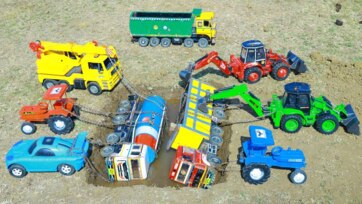
Modern educational media for children has grown into a complex, visually immersive ecosystem. Prioritizing high-contrast imagery, relatable anthropomorphic characters, and purposeful social modeling, it supports rapid cognitive and emotional development. By transforming abstract concepts—like physics, economic inequality, and internal emotional states—into tangible, playful forms, this media acts as a “cognitive scaffold,” helping children interpret both physical mechanics and social dynamics with confidence. This analysis examines the key pedagogical themes in contemporary visual media across four critical developmental domains. Cognitive Logic: Categorization, Sequencing, and Physical Mechanics Visual media acts as a primary engine for early logical reasoning. Before children can articulate ideas verbally, they can process cause-and-effect relationships, understand sequential order, and explore mechanical function through observation and interaction. Chromatic Reasoning and Sequential Awareness Color serves as a cognitive cue, helping children organize information and identify patterns. Sequential Sorting: For example, a child drives a pink tractor pulling a train of multicolored trailers, each holding an ice cream cone in red, yellow, green, or blue. This sequence teaches linear order, grouping, and pattern recognition. Anatomical Awareness: Stylized skeletons in glowing primary colors introduce the basics of human anatomy without fear, helping children differentiate structural forms and develop attention to specific attributes. Identity Mapping: Characters holding objects shaped like themselves—such as a white creature clutching an orange popsicle in its silhouette—reinforce the concept of identity, representation, and the association between form and meaning. By combining color, form, and spatial relationships, children build mental frameworks that lay the foundation for mathematical, scientific, and observational reasoning. Mechanical Principles and Collaborative Problem-Solving Interactive machinery and toy-based play introduce foundational physics concepts in a playful, memorable format. Complex Recovery Operations: Scenes featuring a crane, tractors, and excavators collaboratively rescuing overturned trucks from a mud pit illustrate leverage, tension, and teamwork. Children understand that some problems require combined effort. Interdependent Systems: A baby suspended amid interlocking gears provides a visual metaphor for how components of a system rely on each other to function. Forces and Resistance: Tug-of-war sequences with ropes attached to giant scissors, or a ninja trying to restrain two cows with a rope, give children an intuitive grasp of weight, tension, and opposing forces. Social Structure: Imagery of “police babies” managing a mermaid on a beach or police dogs enforcing fairness illustrates social order and communal responsibility in an engaging, age-appropriate way. Through these visuals, children learn both the mechanics of the physical world and the value of collaboration. Social-Emotional Learning (SEL): Recognition, Validation, and Empathy A central strength of visual media is its ability to give children a language for emotions they cannot yet verbalize. Through exaggerated expressions and imaginative scenarios, children explore complex feelings safely. Mirroring Intense Emotions Visual storytelling acts as a psychological mirror, helping children navigate fear, surprise, and social complexity. Shock and Surprise: Characters reacting to a giant T-Rex in a living room or a strawberry with a missing bite signal universal alarm and teach children that such reactions are normal. Perspective-Taking: Contrasts between startled characters and calm observers—like a small figure facing a large, indifferent bee—demonstrate that people respond differently to the same event. Social Horror and Transformation: Imagery of a peer’s head transforming into a giant, toothy cup allows safe exploration of exclusion and uncertainty within peer dynamics. Identity and Otherness: Characters with glowing eyes or fangs represent the feeling of being different or masking true emotions, providing a framework for discussing diversity and self-expression. This approach promotes emotional literacy, self-awareness, and resilience in navigating social and personal challenges. Modeling Empathy and Nurturing Behavior By depicting intentional acts of care, visual media teaches children the value of proactive empathy. Caring for Others: A child bringing lemon water and a thermometer to a sick peer demonstrates the importance of supportive action. Environmental Responsibility: A child protecting a small lamb from the rain teaches stewardship and consideration for vulnerable beings. Cross-Species Harmony: Scenes where an orange cat and a white chicken share a colorful soccer ball highlight collaboration, fairness, and respect across differences. Through such examples, children internalize empathy and learn actionable strategies for responding to the needs of others. Life Skills: Responsibility, Hygiene, and Social Awareness Transforming routine tasks and societal expectations into imaginative adventures helps children embrace health practices, communal responsibilities, and structured play. Hygiene as Play and Protection Invisible threats, like germs, are rendered into playful “villains,” turning health practices into engaging narratives. Automated Cleaning: Police dogs navigating car washes with oversized brushes and soap reinforce hygiene routines and the concept of systematic maintenance. Joyful Hygiene: Bathing scenes with pink bubbles and cheerful creatures associate personal care with enjoyment, creativity, and sensory play. Financial Literacy and Social Order Early exposure to wealth, labor, and authority through visuals helps children navigate social hierarchies. Economic Awareness: Contrasting a child with stacks of cash and a “money house” against a peer with a broom and cardboard home introduces basic economic concepts and labor disparities. Community Rules: “Police babies” or law-enforcing animals distributing resources—like heart-shaped pizzas—model fairness, rule-following, and cooperative behavior. This blend of play and education instills early social understanding and a sense of ethical responsibility. Environmental Literacy and Resource Awareness Connecting children with nature and resource origins fosters curiosity, environmental respect, and practical understanding. Agricultural Logistics: A monkey transporting a banana harvest introduces farm-to-table concepts and teaches children about labor and resource distribution. Communal Rewards: Sharing heart-shaped pizzas reinforces the value of generosity and collaborative joy. Biodiversity and Wonder: Engaging with giraffes, calves, or prehistoric creatures frames nature as a source of learning, empathy, and awe. By blending human, animal, and ecological interactions, children develop early environmental stewardship alongside social and cognitive skills. Conclusion: Bridging Digital Media and Real-World Learning Modern visual media for children functions as an intricate tapestry, supporting holistic growth. Saturated colors guide logical reasoning, expressive characters validate emotional experience, and cooperative scenarios teach teamwork and social responsibility. Each scene bridges digital experiences with tangible reality. Whether navigating colorful trailers, rescuing stuck vehicles, or caring for peers and animals, children cultivate a well-rounded foundation of cognitive, emotional, and social skills—one immersive frame at a time.