Healthy Fruit Juices Every Child Should Drink Daily

Children need energy, immunity, and nutrients to grow strong, active, and healthy. While whole fruits are ideal, fruit juices — when prepared naturally and without added sugar — can be an excellent way to provide concentrated vitamins, minerals, and hydration. Daily consumption of healthy fruit juices can support growth, brain development, immunity, and digestive health, especially for children who are picky eaters or reluctant to eat whole fruits.

In Pakistan, during school days and hot summers, children often rely on packaged juices, which are loaded with sugar, preservatives, and artificial colors. These can cause energy spikes and crashes, tooth decay, and poor nutrient absorption. Homemade fruit juices are the perfect solution, providing natural sweetness, concentrated nutrients, and a tasty way to keep kids hydrated and energized.

Here is a detailed guide to the best fruit juices for children, their health benefits, and practical tips for preparation and consumption.

  1. Orange Juice — Immunity and Vitamin C Booster:

Orange juice is packed with vitamin C, which strengthens the immune system, improves skin health, and helps the body absorb iron from other foods. Regular consumption helps children fight infections, stay active, and recover quickly from illnesses.

Serving Tips:

  • Use freshly squeezed oranges, avoiding packaged juices with sugar.
  • Serve chilled for a refreshing drink during summers.
  • Mix with a small amount of carrot juice to increase beta-carotene intake.

Health Benefit:
Vitamin C also acts as an antioxidant, protecting cells from damage and supporting healthy growth.

  1. Mango Juice — Energy and Growth Support:

Mango juice is naturally sweet and rich in vitamin A, vitamin C, potassium, and antioxidants, which are crucial for bone growth, vision, skin health, and immunity. It is a favorite among children due to its delicious taste.

Serving Tips:

  • Blend ripe mango with a little water or milk for a smoothie-style juice.
  • Avoid adding sugar; ripe mangoes are naturally sweet.
  • Mix with a few pieces of papaya or banana to increase fiber content.

Health Benefit:
Potassium in mango juice helps maintain fluid balance and muscle function, supporting active children.

  1. Carrot and Apple Juice — Brain and Eye Development:

Carrot juice is high in beta-carotene, which converts into vitamin A, supporting vision and tissue development. Combined with apple juice, it provides natural sweetness, vitamin C, and fiber. This combination is perfect for brain development and eye health in growing children.

Serving Tips:

  • Juice 2–3 carrots with 1 apple for a balanced flavor.
  • Serve fresh, without adding sugar.
  • Add a few drops of lemon juice to preserve vitamin C and enhance taste.

Health Benefit:
This juice supports better vision, faster tissue repair, and improved immunity.

  1. Watermelon Juice — Hydration and Electrolyte Balance:

Watermelon is over 90% water and contains vitamin C, potassium, and antioxidants, making it perfect for hydration and electrolyte balance during hot months. Its natural sweetness and light flavor make it a favorite for children.

Serving Tips:

  • Blend watermelon cubes with a few ice cubes for a refreshing drink.
  • Add a small pinch of mint for flavor and digestive benefits.
  • Avoid straining too much pulp; it contains fiber that aids digestion.

Health Benefit:
Watermelon juice prevents dehydration, supports kidney function, and keeps children energized.

  1. Pomegranate Juice — Immunity and Heart Support:

Pomegranate juice is rich in antioxidants, vitamin C, and potassium, supporting immunity, heart health, and overall growth. The bright red color is visually appealing, and children often enjoy the naturally sweet and tangy taste.

Serving Tips:

  • Serve fresh, made by squeezing arils at home.
  • Mix with a little apple juice to reduce acidity for sensitive stomachs.
  • Avoid packaged pomegranate juices, which may contain added sugar.

Health Benefit:
Pomegranate juice enhances blood circulation, cell repair, and overall vitality in children.

  1. Papaya Juice — Digestion and Nutrient Absorption:

Papaya juice contains papain, a digestive enzyme that helps break down proteins and improves nutrient absorption. It is also rich in vitamin C, potassium, and folate, which are essential for growth, immunity, and muscle function.

Serving Tips:

  • Blend ripe papaya with a small amount of water or milk.
  • Add a few drops of lemon juice to enhance taste and preserve nutrients.
  • Serve chilled as a breakfast or mid-morning drink.

Health Benefit:
Papaya juice supports smooth digestion, better nutrient utilization, and immune health.

  1. Banana Smoothie — Energy and Bone Support:

Bananas are rich in potassium, magnesium, and natural sugars, providing sustained energy for children. When blended with milk, banana smoothies also provide calcium and protein, supporting bone growth and muscle development.

Serving Tips:

  • Blend one banana with a glass of milk and a few ice cubes.
  • Add a small amount of honey only if the child is over one year old.
  • Mix with strawberries or blueberries for additional vitamins and antioxidants.

Health Benefit:
Banana smoothies help maintain energy levels during active play and support muscle and bone growth.

  1. Mixed Berry Juice — Brain and Antioxidant Boost:

Blueberries, strawberries, and raspberries are rich in antioxidants, vitamin C, and fiber, which improve brain function, immunity, and digestion. A juice or smoothie made from mixed berries supports learning, memory, and attention in children.

Serving Tips:

  • Blend berries with water or milk for a nutrient-packed drink.
  • Add a little banana for natural sweetness.
  • Serve chilled for a refreshing summer snack.

Health Benefit:
Berry juices protect brain cells from oxidative damage and support cognitive development.

  1. Kiwi Juice — Vitamin C and Immune Support:

Kiwi is a small fruit with high vitamin C, vitamin K, and antioxidants, making it perfect for immunity and growth. Its tangy flavor adds variety to children’s diets and encourages them to try different fruits.

Serving Tips:

  • Blend peeled kiwi with a little apple juice to reduce tartness.
  • Mix with other tropical fruits like mango or papaya.
  • Serve fresh, without added sugar.

Health Benefit:
Kiwi juice strengthens immunity, supports tissue repair, and promotes overall growth.

  1. Orange-Carrot-Papaya Juice — The Ultimate Growth Booster:

Combining orange, carrot, and papaya into a single juice provides vitamin A, vitamin C, potassium, fiber, and antioxidants in one drink. This juice supports immunity, vision, brain development, and energy — making it perfect for daily consumption during school days and summer.

Serving Tips:

  • Juice 1 orange, 1 carrot, and a few cubes of papaya.
  • Serve fresh and chilled.
  • Adjust the ratios according to the child’s taste preferences.

Health Benefit:
This combination juice acts as a complete nutrient booster, supporting physical growth, immunity, and cognitive performance.

Tips for Making Fruit Juices Healthy for Kids:

  1. Avoid Added Sugar: Natural sweetness from fruits is sufficient; added sugar can lead to energy spikes, tooth decay, and unhealthy weight gain.
  2. Use Fresh, Seasonal Fruits: Fresh fruits provide maximum nutrients and flavor. Seasonal fruits are also more affordable and better absorbed.
  3. Include Pulp: Leaving some pulp in the juice adds fiber, supporting digestion and satiety.
  4. Mix Fruits for Nutrient Diversity: Combining fruits ensures children get a variety of vitamins, minerals, and antioxidants in one serving.
  5. Serve in Fun Ways: Use colorful glasses, small ice cubes, or fruit garnishes to make the juice visually appealing for children.

Conclusion:

Healthy fruit juices can be an excellent addition to a child’s diet when prepared naturally and served in moderation. Juices like orange, mango, carrot-apple, watermelon, papaya, banana smoothie, mixed berries, kiwi, pomegranate, and combination juices provide essential vitamins, minerals, fiber, and antioxidants that support growth, immunity, brain development, and hydration.

Parents should focus on fresh, seasonal fruits, avoiding added sugar, and serving juices creatively to make them appealing to children. These juices are not just beverages; they are daily nutrient boosters that help children grow stronger, stay active, and maintain healthy immunity throughout the year.

By including these fruit juices in a daily routine, children can enjoy a tasty, refreshing, and nutritious way to meet their growth needs while building healthy eating habits for life.



Advertisement
Foundations of Early Childhood Learning through Visual Media
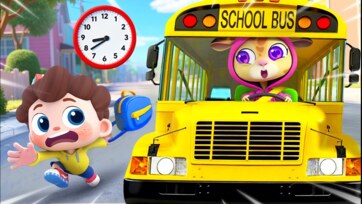
In the contemporary landscape of early childhood education, digital media and high-impact visual storytelling have emerged as powerful tools for shaping cognitive and social development. This multidimensional "edutainment" ecosystem leverages saturated color palettes, expressive character archetypes, and relatable daily scenarios to build a holistic framework for a child's understanding of the world. By examining themes ranging from basic cognitive sorting to complex emotional intelligence and community responsibility, we can observe how these visual narratives guide a child’s transition into broader social environments. The Cognitive Blueprint: Visual Logic and Categorization Long before children master verbal language, they are proficient at decoding visual information through color, shape, and pattern recognition. Chromatic Education and Set Theory Strategic color usage is a primary instructional tool used to facilitate categorization and logical grouping. Attribute Matching: By presenting brightly colored animals—such as a red tiger, a green lion, or a blue gorilla—alongside soccer balls of identical hues, media teaches children to identify shared attributes across different species. This is a foundational skill for scientific observation and data organization. Sequential Order: The arrangement of expressive "talking" eggs and service vehicles in a rainbow spectrum (red, yellow, green, blue, purple) reinforces the concept of linear sequences and predictable order. Logical Slots: Visuals featuring colored garage doors or slots that match the colors of specific vehicles help children practice spatial reasoning and attribute-based sorting. Sensory Bridging and Cause-and-Effect High-fidelity digital rendering allows children to "feel" textures and mechanical concepts through their eyes. Tactile Visualization: High-contrast images of toy trucks stuck in thick, viscous mud bridge the gap between digital content and real-world sensory play. Mechanical Problem Solving: Seeing a blue tow truck use a cable to pull a yellow school bus out of a mud pit provides a clear lesson in mechanical advantage and community cooperation. Physics in Play: Realistic depictions of multiple tractors using chains to pull heavy trucks up a muddy riverbank reinforce concepts of teamwork and the physical force required for heavy-duty tasks. Social-Emotional Intelligence and Psychological Resilience One of the most significant roles of modern early media is Social-Emotional Learning (SEL), which provides children with the vocabulary and mirrors needed to understand their internal states. Identifying and Naming Internal States Exaggerated facial features help children recognize and validate their own feelings. Fear and the Unknown: Visuals of a child reacting with shock to a "ghost" figure in a bathroom or pointing in terror at a large "Spider-Man" themed dinosaur outside a bedroom window help normalize common anxieties. Expressing Distress: The use of clear, blue teardrops on a character’s face (as seen on the toddler 'Anna') provides a visual shorthand for sadness, helping children communicate their own distress to caregivers. Anticipation and Surprise: Wide-eyed, open-mouthed expressions on characters—whether rushing for a bus or discovering something new—mirror a child’s natural sense of wonder. Empathy and Communal Bonds Narratives often focus on supportive social interactions to model healthy relationships. Inter-Species Connection: A boy gently interacting with a hen and its fluffy yellow chick models the concept of "gentle hands" and environmental stewardship. Gentle Observation: Three green parrots with red beaks sitting quietly on a branch encourage children to look closer at the natural world and appreciate wildlife. Shared Journeys: Imagery of friends taking a car ride together through a scenic landscape reinforces the idea that life’s milestones are most rewarding when shared with others. Community Systems, Hygiene, and Life Skills As a child's world expands beyond the home, media introduces the systems and routines that govern daily life in a broader community. Temporal Logic and Punctuality The scenario of a child rushing to catch a yellow school bus serves as a foundational lesson in societal expectations. Time Management: The inclusion of a large, prominent analog clock (showing approximately 7:40 AM) helps children visualize the passage of time and the importance of meeting deadlines. Independence: Carrying a backpack toward a vehicle driven by a trusted helper represents a child's growing autonomy as they step into the educational system. Hygiene as an Interactive Activity Visual media turns potentially resistant daily tasks like hygiene into playful, positive experiences. Visual Motivation: Bold text saying "Brush me" alongside a smiling tooth and a purple toothbrush character transforms a chore into a friendly invitation. Conceptualizing Germs: Including a small, grumpy green creature as a symbol of dirt or bacteria helps children visualize why brushing and washing are necessary for health. The Agricultural and Working World Farm and construction themes introduce children to the concepts of labor, food production, and cooperation. Agricultural Roles: Seeing monkeys driving tractors to transport pails of milk or smiling cows show that every member of a community has a specific task that contributes to the whole. The Safety Net of Helpers: Seeing various service vehicles—ambulances, fire trucks, and cement mixers—work together reinforces the idea that the community is supported by a network of professional helpers. Nature as a Living Classroom Depictions of natural habitats and animals encourage children to explore the physical world with curiosity and respect. Biodiversity and Stewardship By presenting characters in diverse settings, children learn to identify different ecosystems and species. Animal Characteristics: Close-ups of roosters with red combs, spotted cows, and goats with horns help children learn the defining physical traits of common animals. Gentle Hands: Imagery of a toddler kneeling to feed goats in a meadow or sitting calmly among chickens models respectful behavior toward living beings. The Value of Experiential Play Content that features characters playing in the mud or nature validates active learning through sensory experience. Normalizing "Messy" Play: Framing a child sitting happily in a mud puddle with a rooster as a moment of joy helps parents and children view the outdoors as a playground for sensory discovery. Environmental Empathy: Surrounded by smiling sheep and cattle, the child learns to feel a sense of belonging within the larger natural world. Conclusion: Synthesizing the Modern Learning Experience The landscape of early childhood education has been transformed by a carefully architected tapestry of visual media. By using magnetic colors to teach logic, expressive faces to teach empathy, and relatable scenarios to teach responsibility, these digital narratives provide a roadmap for navigating the complexities of the real world. Whether a child is matching a green lion to a green ball, observing a tow truck rescue a bus, or watching a toddler gently feed a goat, they are building the mental frameworks necessary for success in school and society. These stories turn mundane routines into moments of profound discovery, ensuring that children step out of their homes with the confidence and curiosity needed to explore the wide, wonderful world.
Advertisement
The Joy of the Open Road
Adventure and Companionship There is a timeless magic found in the concept of a road trip—the winding asphalt, the passing scenery, and the shared excitement of heading toward a new destination. For many, these journeys are less about the final stop and more about the quality time spent with those in the passenger seat. Whether it is a real-life trek across the country or a digital adventure in a colorful world, the themes of travel and companionship resonate deeply with explorers of all ages. Through the lens of modern animation and storytelling, we see how the "journey" can be used as a powerful metaphor for growth, friendship, and discovery. By putting characters in the driver's seat, creators allow audiences to experience the thrill of the unknown alongside their favorite personalities. The Anatomy of a Perfect Road Trip What makes a drive through the countryside so special? It is a combination of environmental beauty and the specific atmosphere of the vehicle. The Scenic Backdrop A classic journey often takes place against a backdrop of rolling hills and lush greenery. The Evergreen Forest: Tall, conical pine trees lining the road provide a sense of structure and rhythm to the passing view. The Infinite Horizon: Under a bright, clear sky with soft white clouds, the road seems to stretch on forever, representing endless possibilities. The Winding Road: A smooth, two-lane highway with clear markings invites the traveler to keep moving forward, curious about what lies around the next bend. The Vessel of Adventure The vehicle itself is more than just a machine; it is a mobile sanctuary. A Pop of Color: Brightly colored cars, such as those in shades of cyan or turquoise, stand out against the natural greens and browns of the landscape, symbolizing the vibrancy of the travelers within. The Convertible Experience: An open-top car removes the barrier between the travelers and the world, allowing them to "feel" the air and see the sky without obstruction. Personal Touches: From the rearview mirror to the dashboard, the interior of a car becomes a small, intimate stage where the story of a friendship unfolds. The Dynamics of Companionship The heart of any great trip is the relationship between the driver and the passenger. Shared Happiness and Communication When two individuals embark on a journey, they are committing to a shared experience. Joyful Expressions: Wide smiles and bright, engaged eyes are the universal signals of a good time. Seeing characters enjoy each other's company reinforces the idea that life is better when shared. The Driver's Focus: A steady hand on the wheel and a calm gaze forward show a sense of responsibility and confidence. The Passenger's Wonder: Looking out through the windshield with excitement allows the passenger to act as the "eyes" of the journey, pointing out the beauty along the way. Contrast and Harmony Often, the most interesting traveling duos are those who complement each other through their differences. Whether it is a contrast in color—such as a sleek white character next to a warm brown one—or a difference in personality, these pairings show that diversity makes a team stronger. Visual Storytelling in Animation Animation uses specific techniques to make the audience feel like they are part of the drive. First-Person Perspective By placing the "camera" just behind the dashboard, the viewer feels like they are sitting in the back seat. This creates an immersive experience where we see exactly what the characters see—the road ahead, the trees passing by, and the clear blue sky. Expressive Features Characters in these worlds often have large, expressive eyes that act as windows to their emotions. Vibrant Colors: Eyes in shades of bright green or deep blue draw the viewer's attention and make the characters feel more "alive" and relatable. Exaggerated Smiles: Wide, cheerful mouths help convey a sense of pure, uncomplicated happiness that is infectious to the audience. Lessons for Young Explorers Beyond the fun, there are many subtle lessons tucked away in a story about a road trip. The Importance of Safety Even in a world of talking animals and magical roads, safety is key. Seeing characters sitting securely in their seats and focusing on the road ahead teaches children that while adventure is fun, being careful is what allows the adventure to continue. Navigating Change A road trip is all about transition. Moving from one place to another helps children understand the concept of time and distance. It teaches them that even if the scenery changes, the people (or pets!) with them remain a constant source of comfort. Appreciation for Nature By highlighting the beauty of the trees and the sky, these stories encourage children to look out their own windows during real-life car rides. It fosters an early love for the environment and a curiosity about the world outside their own neighborhood. Conclusion: The Road That Never Ends The image of two friends driving toward the horizon is a powerful symbol of hope and happiness. It reminds us that no matter where we are going, the most important part of the journey is the smile on our faces and the friend by our side. As the road winds through the green pines and under the sunny sky, we are reminded that every day is a new opportunity for an adventure. So, buckle up, check the mirror, and get ready to see what’s around the next corner—the world is waiting for you!
A Comprehensive Analysis of Early Childhood "Edutainment"
In the modern landscape of child development, the intersection of digital media, visual storytelling, and fundamental educational concepts has created a high-impact standard for early childhood engagement. This "edutainment" ecosystem relies on high-contrast visuals, expressive character archetypes, and relatable social scenarios to build cognitive and emotional foundations. By analyzing themes ranging from the frantic energy of a morning routine to the serene curiosity of animal interactions and logic puzzles, we can see how these narratives provide a holistic framework for a child's understanding of the world. The Visual Language of Learning Visual stimuli are the primary drivers of learning in early childhood. Before a child can decode written language, they are proficient in decoding color, shape, and pattern. Color as a Navigational and Logical Tool The strategic use of a bold, saturated color palette is designed to capture attention and facilitate cognitive categorization. Vibrant Primaries: Bright red, sunny yellow, and deep blue serve as visual anchors. Red often denotes high energy or central characters, while yellow signals optimism, approachable warmth, and safety. Categorization and Matching: Scenarios involving matching colored trucks to expressive eggs or colorful animals to soccer balls introduce children to the concept of sets and pattern recognition. For instance, a red tiger corresponds to a red ball, and a blue gorilla to a blue ball, teaching the fundamental skill of attribute matching. Logical Sorting: Arranging objects like trucks and eggs in a spectrum (red, yellow, green, blue, purple) reinforces the idea of order and sequences. Sensory Imaginarium High-quality digital rendering allows children to "feel" textures through their eyes, bridging the gap between screen time and real-world sensory play. Tactile Visualization: The representation of purple "slime" or liquid candy flowing from faucets engages a child's imagination regarding states of matter and fluid dynamics. Natural Textures: Contrasting the smooth feathers of a duckling or rooster with the squishy, cool texture of a mud puddle encourages an appreciation for the diverse physical properties of nature. Emotional Intelligence and Social Archetypes Modern media for children places a heavy emphasis on Social-Emotional Learning (SEL), using character expressions to teach empathy, conflict resolution, and self-regulation. Identifying Internal States Exaggerated facial features help children name and validate their own feelings. Wonder and Surprise: Wide-eyed, open-mouthed expressions in characters—whether discovering a sink full of candy or missing a bus—provide a mirror for a child’s own reactions to the unexpected. Fear and the Unknown: Depicting a child's surprise and apprehension at a "ghost" figure in a household setting like a bathroom helps normalize common fears and provides a safe space to discuss them. Mediation and Conflict: When characters representing emergency responders (like a police-dog archetype) intervene in a dispute between two upset peers, it demonstrates the social value of mediation and the presence of community helpers. The Power of Companionship and Empathy Narratives often focus on the group dynamic and supportive interactions. Shared Experiences: Whether it is a squirrel showing concern for a duckling or friends on a road trip, these stories reinforce the idea that life’s journeys are most rewarding when shared. Empathy in Action: The tender look on a character's face when interacting with a smaller creature models how to recognize and respond to the emotions of others. Community Systems and Life Skills As a child’s world expands beyond the home, media introduces the systems, responsibilities, and routines that govern society. The Morning Commute and Punctuality The scenario of a child rushing to a large yellow school bus is a masterclass in life skills and independence. Time Management: The presence of a prominent analog clock (showing 7:40 AM) helps children visualize the passage of time and the importance of punctuality to meet specific deadlines. Independence: Carrying a backpack and navigating the sidewalk toward a vehicle driven by a trusted community member (a giraffe-themed driver) symbolizes the child's growing role in the public sphere. Agricultural and Work Ecosystems Farm-themed content introduces the concepts of labor, food production, and cooperation. Roles and Jobs: Seeing monkeys driving tractors to transport cows or collecting milk shows that every member of a community has a specific task that contributes to the whole. Animal Stewardship: Interactions like feeding goats in a meadow or sitting among chickens teach children to be gentle and respectful of other living beings. Nature as a Classroom The transition from digital screens to the great outdoors is encouraged through vibrant depictions of natural habitats and animal biology. Biodiversity and Observation By showing characters in diverse settings—from bamboo forests to wildflower meadows—children learn to identify different ecosystems and species. Observation Skills: Seeing birds of different colors (red and yellow chicks or green parrots) in their environment encourages children to look closer at the wildlife in their own world. Animal Habitats: The inclusion of varied landscapes, such as farm fences and bamboo stalks, helps children grasp where different animals live and thrive. Active Play and Resilience Content that features characters playing in the mud or navigating a busy morning validates active, experiential learning. The Joy of "Messy" Play: Framing sitting in a mud puddle as a moment of pure happiness with animal friends helps parents and children see nature as an opportunity for discovery rather than a chore. Resilience: The frantic race for the bus shows that even when things are a bit chaotic, the goal can be reached through effort. Conclusion: Synthesizing the Experience The digital frontier of early learning is a carefully architected tapestry designed to nurture the whole child. It uses the magnetic pull of bright colors and charming characters to deliver essential lessons in logic, empathy, and community responsibility. By turning a mundane bath into a moment of surprise or a farm visit into a social adventure, these narratives help children navigate the transitions of their own lives with confidence. As they watch a rooster sit in a puddle, a monkey drive a tractor, or a boy match a red tiger to a red ball, they aren't just being entertained; they are building the mental map that will guide them as they step out of their homes and into the wide, wonderful world.
How Cartoon-Based Learning Helps Children Develop Smarter Thinking and Stronger Emotions
Parents today often feel guilty when their child watches cartoons. Many assume screen time is only entertainment, a distraction from “real learning.” But when designed thoughtfully, cartoons can actually become powerful educational tools. For children between the ages of 2 and 8, visual storytelling is not just enjoyable—it is one of the most natural ways their brains understand the world. If your website shares cartoons alongside articles, you are already standing at the intersection of fun and development. The key is to recognise that children do not separate learning from play. They absorb ideas through colour, repetition, characters, and simple stories far more effectively than through formal instruction. This article explains how educational cartoons support brain development, emotional growth, and everyday life skills in young children—and why parents should see them as learning partners, not passive entertainment. Why Children Learn Faster Through Visual Stories A child’s brain develops rapidly during the early years. According to global early childhood research, nearly 90% of brain development happens before age 5. At this stage, children cannot process long explanations. They understand what they can see, repeat, and emotionally connect with. Cartoons use exactly these elements: Bright colours that help identify differences Repetition that strengthens memory Characters that model behaviour Simple cause-and-effect storytelling When a child watches a character sort colours, help a friend, or solve a small problem, their brain builds neural pathways that later support reading, logic, and communication. This is not accidental. Educational cartoons mirror how children naturally explore the world—through observation first, understanding later. Building Early Thinking Skills Without Formal Teaching Before children learn mathematics or science in school, they already begin forming logical structures. Cartoons quietly introduce these foundations. Colour Recognition and Categorisation When children see characters arranging red, blue, yellow, and green objects, they begin to understand grouping. This may look simple, but it is the first step toward mathematical classification. For example, a cartoon showing toys being placed into matching boxes teaches: Identifying similarities Recognizing patterns Organizing information These are the same skills later used in problem-solving and analytical thinking. Understanding Cause and Effect When a character pushes a button, and something happens—lights turn on, wheels move, or music starts—children learn that actions create outcomes. This basic understanding becomes the root of scientific reasoning. A child who understands “If I do this, something will happen” is already developing curiosity and experimentation habits. How Cartoons Support Emotional Development Education is not only about numbers and letters. Emotional intelligence plays a huge role in how children succeed in school and relationships. Cartoons provide safe emotional simulations. They allow children to experience feelings without real-life risk. Recognising Emotions Through Expressions Young children often struggle to describe feelings. But they easily understand facial expressions. When a character cries, laughs, feels scared, or becomes proud after solving a problem, children begin to label emotions internally. This builds emotional vocabulary long before they can express it verbally. Learning Empathy Through Characters A cartoon showing one character helping another teaches kindness more effectively than lectures. Children start understanding: Sharing is positive Helping others feels rewarding Conflict can be resolved calmly These lessons directly influence behaviour at home and school. Teaching Everyday Life Skills in a Fun Way Many parents notice children copying what they see in cartoons. This imitation is actually a powerful learning mechanism. Educational cartoons can introduce daily habits naturally. Hygiene Awareness When characters wash their hands before eating or clean up their space, children see routines modelled visually. Repetition reinforces the behaviour without forcing it. Instead of instructions, children feel like they are joining their favourite characters in an activity. Responsibility and Independence Cartoons that show characters completing small tasks—organising toys, helping parents, or preparing for school—encourage independence. Children begin to think:“I can do that too.” This mindset builds confidence and reduces resistance to responsibility. Encouraging Creativity and Imagination Imagination is not separate from intelligence. It supports innovation, storytelling ability, and flexible thinking. Cartoons often place characters in playful situations—building something from simple materials, exploring nature, or pretending to travel. These scenarios encourage children to: Create their own stories Use everyday objects creatively Develop curiosity about the environment A child who imagines solutions today becomes a problem-solver tomorrow. Introducing Children to the World Around Them Educational cartoons also act as a child’s first introduction to nature, animals, and community roles. Understanding Nature and Food Sources When children see animated farms, fruits growing, or animals being cared for, they begin forming connections between food and nature. This awareness encourages healthier attitudes toward eating and the environment. Learning Social Roles Cartoons often portray helpful figures like teachers, farmers, drivers, or helpers. These introductions build respect for community roles and help children understand how society works. Why Cartoons Are More Effective Than Passive Screen Content Not all screen time is equal. Fast-paced, purely entertainment-based content can overstimulate without teaching. Educational cartoons, however, are structured differently: Slower pacing to allow understanding Repetition to strengthen learning Clear storytelling with simple resolutions Positive modelling instead of chaos Parents should focus on quality rather than eliminating screen exposure completely. A well-designed cartoon session can be more educational than forcing worksheets on a preschool child. The Role of Parents in Making Cartoon Learning Effective Cartoons work best when parents stay lightly involved. This does not mean constant supervision. Small interactions can strengthen the learning impact. After watching, parents can: Ask the child what they saw Encourage them to repeat an activity Relate the story to real life For example, if a cartoon shows cleaning toys, inviting the child to do the same connects digital learning to physical behaviour. This creates what educators call “transfer learning”—applying what is seen to real-world situations. How Your Website Can Support Child Development Through Cartoons Since your platform shares cartoons alongside written content, it already holds educational value. The articles accompanying videos can guide parents to use cartoons intentionally rather than randomly. Helpful article topics include: What children learn from specific cartoon themes Activities parents can try after watching How storytelling builds thinking skills The importance of balanced screen time This approach transforms a simple cartoon website into a learning resource for families. Parents are not just searching for videos. They are searching for meaningful content they can trust. The Future of Early Learning Is Visual, Interactive, and Story-Driven Modern childhood is different from previous generations. Children encounter digital visuals earlier, but this does not have to be harmful. When used wisely, visual media becomes an extension of natural learning. Educational cartoons combine storytelling, psychology, and developmental science in a format children willingly accept. Instead of fighting this shift, parents and educators can guide it. The goal is not to remove cartoons from childhood. The goal is to choose content that builds thinking, empathy, curiosity, and confidence. When fun and learning meet, children grow without feeling pressured. They simply explore—and in that exploration, real education begins.
The Power of Kindness
A Tiny Squirrel and a Little Duckling Welcome to the heart of the forest, little friends! Today, we are looking at a very touching picture that tells a story without saying a single word. It features two of the cutest animals you will ever see: a fluffy baby squirrel and a soft yellow duckling. They are standing together in a quiet part of the woods, and something very special is happening between them. This is a story about big feelings, being a good friend, and how even the smallest animals can show the greatest kindness. Meet Our New Forest Friends In the center of our picture, we have two very different animals who have become the best of friends. Let's get to know them! The Brave Little Squirrel On the left is a small, brown squirrel with a big, bushy tail. If you look closely at his face, you might see something sad—there is a tiny tear in his eye. Maybe he lost his favorite nut, or perhaps he got a little lost in the big woods. Even though he feels a bit sad, he is looking at his friend with a hopeful smile. The Comforting Yellow Duckling On the right is a bright yellow duckling. Ducklings are usually found swimming in ponds, but this one has waddled onto the land to be with his friend. He has a very kind look in his eyes. He is standing very close to the squirrel, showing that he is there to listen and help. A Lesson in Empathy and Comfort This picture is a perfect example of something called empathy. Empathy is a big word that means understanding how someone else feels. Why is the Squirrel Sad? In the forest, things can sometimes be scary for small animals. The Big Trees: To a tiny squirrel, the tree stumps in the background look like giant mountains. Being Alone: Maybe the squirrel couldn't find his family for a moment. Sharing Feelings: The squirrel isn't trying to hide his tear. He is showing his friend that he is sad, which is a very brave thing to do! How the Duckling Helps The duckling doesn't have a tissue to wipe the tear away, and he can't speak "squirrel language," but he is doing the most important thing: he is staying. * Standing Close: By standing right next to the squirrel, the duckling is saying, "You are not alone." Listening with Eyes: Sometimes, you don't need to talk to make someone feel better. Just looking at them with love is enough. Exploring the Quiet Forest Floor The world around our two friends is very calm. It looks like the "nursery" part of the forest where the youngest animals play. The Giant Tree Stumps Behind the squirrel and the duckling are large tree stumps. These used to be tall trees that reached for the clouds. Now, they provide a safe place for little animals to hide or sit. To us, they are just wood, but to a squirrel, a stump is a castle or a dinner table! The Soft Earth and Fallen Leaves The ground is covered in soft dirt and a few fallen leaves. It isn't a busy playground with swings or slides; it’s a natural place where the only sounds are the rustle of the wind and the "quack" of a duck. This quiet setting helps the two friends focus on each other. Different but the Same One of the most beautiful things about this picture is that a squirrel and a duck are very different, yet they are the best of friends. Different Homes The Squirrel: Lives high up in the "drays" (nests) built in the branches of trees. He loves to climb and jump. The Duckling: Lives near the water and loves to paddle with his webbed feet. Different Skills The squirrel is great at gathering acorns and balancing on thin twigs. The duckling is great at swimming and finding snacks in the mud. Even though they do different things, they found a way to connect. This teaches us that you don't have to be exactly like someone to be their friend! How to Be a "Duckling Friend" We can all learn a lot from the yellow duckling in the picture. If you see a friend at school or a sibling at home who looks like they might have a tear in their eye, here is how you can be a hero: Walk Over: Just like the duckling waddled over, go to your friend. Ask "Are you okay?": Sometimes people just want to be asked. Stay with Them: You don't have to solve the problem right away. Just sitting with them while they feel sad helps the sadness go away faster. Offer a Hug: If they want one, a hug is like a warm blanket for the heart. The Colors of Friendship The artist used very soft, warm colors for this scene to make us feel peaceful. Warm Brown: The squirrel’s fur is a cozy brown, like a cup of hot cocoa. It makes him look very huggable. Sunny Yellow: The duckling is a bright yellow, which usually represents happiness. By bringing his yellow color near the brown squirrel, it’s like he is bringing a little bit of sunshine into a sad moment. Soft Grey and Tan: The background colors are muted so that our eyes stay focused on the two friends. What Happens Next? If we were to turn the page of this story, what do you think would happen? Perhaps the duckling invites the squirrel to the edge of the pond to see the dragonflies. Or maybe the squirrel shows the duckling where the sweetest berries grow. Once the tear is gone, the adventure begins! When friends support each other through the sad times, the happy times become even more fun. The bond between this squirrel and duckling is strong because it started with a moment of kindness. Conclusion: Kindness is a Language Everyone Speaks The picture of the squirrel and the duckling reminds us that no matter how small you are, you have the power to change someone's day. A simple look, a quiet moment, and a little bit of patience can turn a sad face into a smiling one. So, the next time you see someone who looks a bit down, remember our forest friends. Be the "sunshine yellow" in someone else's "brown" day. Kindness is the best nut a squirrel can find, and the best pond a duck can swim in!
Digital Screen Time for Kids: How Much Is Just Right?
In today’s world, screens are everywhere, and it’s almost impossible to keep kids away from them completely. From educational videos to interactive games, digital content has become an essential part of many children’s lives. While these tools can be highly beneficial, finding the right balance is crucial to ensure healthy development. How Much Screen Time Is Ideal? Experts recommend different limits based on age: • 0-2 years old: Avoid screen time except for video calls with family members. At this stage, face-to-face interactions and hands-on learning are far more important. • 2-5 years old: Up to 1 hour of screen time per day, ideally focused on educational or interactive content. • 6 years and older: Limit screen time to about 2 hours a day, ensuring children also engage in physical activities, reading, and social interactions. Making Screen Time Meaningful Here are some tips to ensure kids benefit from their screen time: 1. Choose high-quality content: Look for educational videos, meaningful stories, or interactive programs that develop skills and knowledge. 2. Watch together: Co-viewing allows parents to discuss the content, ask questions, and reinforce learning. 3. Set time limits: Establish a daily or weekly screen time schedule and stick to it. Why Balance Is Important While digital content offers numerous advantages, it should never replace real-world experiences. Outdoor play, creative projects, and spending time with family and friends are vital for a child’s overall growth and development. Screen time should complement these activities, not dominate them.  Children learn by observing their parents. When adults demonstrate healthy screen habits, like putting phones away during meals or prioritizing outdoor activities, kids are more likely to follow suit. Encouraging a Holistic Approach Encourage children to use their screen time to explore new ideas, but also provide plenty of opportunities to apply what they’ve learned in the real world. For example, after watching a video about animals, visit a zoo or read a book about wildlife. Technology as a Tool for Growth The digital age is full of opportunities, and when used responsibly, screen time can be an incredible tool for learning, creativity, and connection. With thoughtful guidance from parents, children can thrive in a balanced digital and real-world environment. 
Why is Rhythm and Music Important in Early Childhood Development?
Music and rhythm play a pivotal role in the development of young children. For preschoolers, music is not just a source of entertainment—it is a powerful tool that supports their overall growth. Engaging with music helps enhance emotional, social, cognitive, motor, and language skills. 1. Rhythm Develops Motor Skills: Rhythm and movement are closely linked. Children who engage in music through singing, dancing, or playing instruments experience improved coordination and motor skills. Following beats helps them develop a sense of body awareness, while activities like clapping or drumming improve both fine and gross motor coordination. 2. Music and Rhythm Improve Language Skills: Musical experiences significantly contribute to language development. Songs, rhymes, and chants that children listen to and sing help expand their vocabulary. Rhythm also plays a crucial role in teaching sentence structure and the proper use of emphasis and intonation in speech, making it easier for children to understand and use language effectively. 3. Music's Emotional and Social Impact: Music helps children better understand and express their emotions. Listening to different types of music enables them to feel a range of emotions, from joy to sadness, while also helping them to develop empathy and emotional intelligence. Group music-making activities, like singing in a circle or dancing together, strengthen social bonds and promote teamwork and patience. 4. Music and Rhythm in Cognitive Development: Research has shown that exposure to music can enhance memory, attention, and problem-solving skills. Following rhythms and beats improves children’s ability to concentrate, while musical games and exercises support memory retention. In fact, music stimulates multiple areas of the brain and encourages cognitive growth. 5. Balancing Music, Play, and Learning: For children, learning is most effective when it’s fun and interactive. Music offers a playful approach to education, making learning enjoyable and engaging. By incorporating music into daily activities, children are able to learn in a way that feels natural and fun, all while developing a wide range of essential skills.
Advertisement
: Building Cognitive, Emotional, and Social Foundations
Modern educational media for young children has transformed into a sophisticated, visually immersive ecosystem that leverages bold imagery, anthropomorphic characters, and strategic social modeling. This approach doesn’t just entertain; it scaffolds cognitive development, social understanding, and emotional regulation, giving children concrete tools to navigate both their physical environment and complex social dynamics. Abstract concepts—like physics, economic disparity, and internal emotional states—are rendered tangible through playful, vibrant visuals, allowing children to learn through observation and interaction before they can articulate these ideas verbally. The following analysis explores the pedagogical themes in contemporary visual narratives, highlighting their impact on cognition, emotion, life skills, and environmental understanding. Cognitive Logic: Categorization, Sequencing, and Mechanics Visual stimuli are the engines of early logical development, helping children decode order, identify patterns, and understand physical interactions without relying on verbal instruction. By making abstract relationships visible, these media experiences build the foundation for reasoning, problem-solving, and critical thinking. Chromatic Reasoning and Sequential Understanding Color is more than decoration; it is a cognitive tool. Bold primary palettes guide children in categorization, attribute recognition, and sequential thinking. Sequential Sorting: For example, a child navigating a pink tractor pulling a train of multicolored ice cream trailers—red, yellow, green, and blue—learns to track order, group like items, and understand progression. Anatomical Exploration: Glowing skeletons in bright hues introduce anatomy in a non-threatening way, helping children recognize structure, symmetry, and individual differences within a category. Identity Mapping: Characters holding objects shaped like themselves—a white creature clutching an orange popsicle in its silhouette—teach children to connect identity with representation and temporal awareness, especially when paired with “1 HOUR” or “2 HOURS” timestamps. This approach encourages children to actively search for patterns and make connections, creating mental frameworks for later math, science, and literacy skills. Mechanical Concepts and Collaborative Problem-Solving Interactive mechanical scenarios illustrate the principles of physics and teamwork in tangible ways. Complex Recovery Operations: Visuals of a crane, tractor, and excavator working together to free two mud-stuck trucks teach concepts like leverage, tension, and coordination. Children understand that multi-part problems often require collaborative effort. Interdependent Systems: A baby suspended amid interlocking gears demonstrates how elements in a system rely on one another, providing an intuitive grasp of mechanics and cause-effect relationships. Forces and Opposition: Tug-of-war scenes, with characters pulling on ropes attached to oversized scissors, illustrate opposing forces, resistance, and the balance of effort in a memorable, playful format. Rules and Authority: Depictions of “police babies” or law-enforcing animals managing scenarios—like guiding a mermaid on a beach—introduce children to social roles and communal responsibility in a vivid, approachable way. Through these visuals, children gain an early appreciation for structure, interdependence, and the practical applications of physics in everyday life. Social-Emotional Learning (SEL): Reflection, Empathy, and Resilience Visual media provides a vocabulary for internal states, helping children recognize, process, and communicate emotions. By presenting exaggerated expressions and fantastical scenarios, these narratives allow children to safely explore fear, excitement, and moral choices. Mirroring Complex Emotions Children often lack the language to articulate feelings, so visuals serve as emotional translators. Shock and Surprise: Wide-eyed, gasping characters reacting to a T-Rex in a living room or a strawberry with a missing chunk signal alarm and teach children that such responses are universal. Environmental Awareness: The contrast between a startled character and a calm large bee models that individuals react differently to the same stimulus, introducing perspective-taking. Social Horror and Transformation: Watching a peer’s cup-headed transformation or a drastic physical change sparks discussion about exclusion, fear of the unknown, and social adaptation. Identity Boundaries: Characters with glowing eyes or fangs allow exploration of “otherness” and the act of masking emotions, offering a framework for understanding differences among peers. By normalizing a wide range of responses, children develop coping strategies and resilience when facing unexpected situations. Modeling Empathy and Care Beyond self-awareness, these narratives provide visual templates for nurturing and cooperation. Caring for Others: Scenes of one child bringing lemon water and a thermometer to a sick peer teach empathy, attention to needs, and practical care routines. Environmental Stewardship: A child shielding a lamb from rain demonstrates responsibility for protecting weaker or vulnerable beings. Cross-Species Interaction: Animals playing sports or sharing toys illustrate collaboration, patience, and empathy beyond human interactions, expanding social understanding and reinforcing ethical behavior. These visual lessons create a feedback loop where children see compassionate behavior, practice it in play, and internalize social norms. Life Skills: Hygiene, Responsibility, and Community Transforming routine tasks into imaginative adventures reduces resistance to societal expectations and health habits. Hygiene as Play Invisible threats like germs are brought to life as fun, tangible villains, turning health routines into empowerment exercises. Automated Cleaning: A police dog navigating a car wash with giant brushes reinforces the habit of systematic cleaning, linking maintenance with playfulness. Joyful Hygiene: Bathing scenes with colorful bubbles and smiling creatures associate personal care with sensory enjoyment, reducing aversion and building positive habits. Financial Literacy and Social Roles Introducing social and economic structures visually helps children grasp inequality, labor, and responsibility. Economic Symbolism: Contrasting characters with stacks of money and “money houses” against peers with brooms and cardboard homes provides early exposure to wealth disparity and aspiration. Authority and Fairness: Recurrent imagery of “police babies” and animal officers distributing resources like heart-shaped pizzas underscores fairness, rule-following, and communal cooperation. Through playful scenarios, children begin to understand responsibility, social participation, and the consequences of action in structured environments. Environmental Literacy and Resource Awareness Visual narratives foster respect for nature and the origins of resources while promoting curiosity and ecological thinking. Agricultural Systems: A monkey transporting a banana harvest introduces the labor chain behind food production, highlighting cause-effect relationships and resource management. Communal Rewards: Sharing heart-shaped pizzas among characters illustrates the social value of generosity, cooperation, and collective joy. Biodiversity and Wonder: Feeding giraffes, encountering calves, or observing prehistoric creatures nurtures curiosity, empathy for living beings, and a sense of interconnectedness with the natural world. By integrating human, animal, and ecological perspectives, children develop early environmental literacy, laying the foundation for future stewardship. Conclusion: Bridging Screens and Reality The visual landscape of modern early childhood media is a carefully curated tapestry, supporting holistic development. Saturated colors teach logic, expressive faces validate emotions, and cooperative challenges model teamwork. Beyond entertainment, these narratives act as bridges between digital screens and real-world experiences, equipping children with cognitive, social, and emotional skills in a layered, interactive format. Whether navigating colorful ice cream trailers, rescuing stuck vehicles, or caring for peers and animals, children develop a robust foundation—one visual frame at a time—preparing them to approach life with curiosity, empathy, and confidence.