Splish, Splash, Monkey in the Bath!

Welcome to the most hilarious bathroom in the world! Today, we are looking at a picture that will make you giggle and maybe even want to jump into the shower yourself. It features a very surprised little monkey who is learning all about bubbles, water, and getting squeaky clean. This story is all about the fun of bath time, the importance of hygiene, and why monkeys (and kids!) need to wash behind their ears!

Meet the Funniest Bather: The Surprise Monkey

In the center of our bright blue picture is a small, furry monkey. Usually, monkeys are swinging from trees in the jungle or snacking on bananas, but this one has decided to try something new—a refreshing shower!

The Face of Pure Shock

Look at the monkey's face! His eyes are wide like dinner plates, and his mouth is open in a giant "O."

  • The Water: He is holding the showerhead all by himself, and the cool water is splashing right onto his head.
  • The Feeling: Maybe the water is a little chilly, or maybe he’s just excited by how the spray feels on his fur. It’s the face of a monkey who has just discovered a brand-new hobby!

Bubbles on the Brain

If you look at the top of his head, you’ll see white, fluffy bubbles. It looks like he’s using a lot of shampoo! These bubbles aren't just for fun; they are hard at work cleaning off all the jungle dust and sticky fruit juice from his fur.

A Blue Mosaic Wonderland

The bathroom in this picture isn't just a regular room; it’s covered in beautiful blue tiles.

The Pattern of Squares

The walls are made of hundreds of tiny square tiles in different shades of blue. Some are dark like the deep ocean, and some are light like a summer sky.

  • Counting Game: Can you try to count ten blue squares? It’s like a giant puzzle on the wall!
  • Waterproof Fun: Tiles are perfect for bathrooms because they don't mind getting wet. The monkey can splash as much as he wants, and the walls will stay sparkly and clean.

The Modern Fixtures

On the left, we see a shiny silver faucet. This is where the water comes from before it goes through the white hose to the showerhead. It looks very clean and modern, making it the perfect "Jungle Spa" for our little friend.

Why Bath Time is So Important

The monkey is having a lot of fun, but he’s also doing something very healthy. Just like monkeys, children need to wash every day to stay strong and happy.

  1. Saying Goodbye to Germs

Germs are tiny little things we can't see, but they love to hide in dirt. When the monkey washes his fur with soap and water, he is washing those germs down the drain. This keeps him from getting itchy or sick.

  1. Taking Care of Your "Fur"

Whether you have soft fur like a monkey or hair like a human, shampoo helps keep it shiny and healthy. Rubbing the bubbles into your head also feels like a little massage—no wonder the monkey looks so energized!

  1. Waking Up Your Senses

A shower or bath is a great way to start the day. The sound of the splashing water and the smell of the soap can help us feel awake and ready for adventure, just like our surprised little friend.

Learning to Be Independent

One of the coolest things about this picture is that the monkey is holding the showerhead himself. He is being a "big monkey" and learning to do things on his own!

Step-by-Step Showering

To take a great shower like the monkey, there are a few steps:

  1. The Temperature: Make sure the water isn't too hot and isn't too cold.
  2. The Soap: Use enough soap to make a mountain of bubbles on your head.
  3. The Rinse: Use the showerhead to wash all the bubbles away until your fur—or skin—is squeaky clean.
  4. The Towel: On the right side of the picture, you can see a white towel waiting. Drying off is the best part because it’s so cozy!

The Colors of Cleanliness

Why is the picture so blue? Colors can change how we feel!

  • Blue: This color makes us think of water, ice, and cleanliness. It feels fresh and cool.
  • Brown: The monkey's fur is brown, which stands out perfectly against the blue background. It shows that he is a part of nature, even when he’s in a modern bathroom.
  • White: The bubbles and the showerhead are bright white. White is the color of purity and soap.

What Kind of Monkey is He?

This little guy looks like a Macaque. Macaques are very smart animals that live in many parts of Asia. Some macaques, called "Snow Monkeys," are famous for bathing in hot springs during the winter. Our friend in the picture seems to prefer the indoor life with his blue tiles and fancy showerhead!

Monkey Manners

In the wild, monkeys clean each other by picking through their fur. This is called "grooming." It’s how they show they love their family. By taking a shower, this monkey is grooming himself in a very modern way!

Making Bath Time Fun at Home

If you sometimes don't want to take a bath, just think of the Surprise Monkey! Here are some ways to make your bath time just as exciting:

  • Bubble Beards: Use your shampoo to make a beard or a funny hat, just like the monkey has bubbles on his head.
  • Toy Adventure: Bring your favorite plastic animals into the tub. Maybe a duckling can go for a swim!
  • The "Monkey" Face: Look in the mirror while you are washing and try to make the same surprised face as the monkey in the picture.

Conclusion: Stay Silly and Stay Clean!

The world of the Surprise Monkey is a place of joy and discovery. Whether he’s finding out how a showerhead works or just enjoying the tickle of the bubbles, he reminds us that even daily chores like washing can be a grand adventure.

Next time you hear the water running in the bathroom, remember our little furry friend. Grab your towel, find your bubbles, and get ready for some splish-splash fun. Who knows? You might end up looking just as surprised and happy as he is!


Advertisement
The Digital Frontier of Early Learning
A Tapestry of Joy and Discovery In the rapidly evolving landscape of modern childhood, the intersection of education, entertainment, and digital storytelling has created a new frontier for development. For the youngest generation, the world is often first explored through vibrant, high-contrast visuals and characters that mirror their own curiosity and emotional complexity. This digital tapestry does more than just occupy time; it serves as a foundational tool for understanding social norms, logical reasoning, and the beauty of the natural world. Through carefully crafted scenarios—from the bustling morning rush to the quiet serenity of a bamboo forest—children are invited into a safe space where they can experiment with empathy, celebrate small victories, and develop the cognitive flexibility needed for a complex future. The Psychological Impact of Color and Contrast The use of a bold, saturated color palette is not merely an aesthetic choice; it is a strategic educational tool designed to capture and hold a child's developing attention. Primary Colors and Cognitive Identification Bright red, vibrant yellow, and deep blue serve as the primary anchors of a child's visual vocabulary. Radiant Red: Often used for central characters or high-energy objects, red demands immediate focus and is frequently associated with excitement or importance. Sunny Yellow: Representing warmth and optimism, yellow is the color of choice for friendly guides, playful chicks, and icons of morning light, fostering a sense of happiness and safety. Cool Blue: Whether in the form of a clear sky or a sturdy school bus accessory, blue provides a stabilizing contrast, helping children feel calm and secure amidst the action. Logical Sorting and Pattern Recognition By grouping objects by color—such as a line of trucks following a series of colorful eggs—educational media introduces the concepts of categorization and sets. This visual "logic" is the precursor to mathematical thinking, teaching children to recognize patterns and gradients long before they begin formal arithmetic. Social-Emotional Learning Through Character Expression Perhaps the most vital role of modern children's media is the teaching of empathy and emotional intelligence (EQ) through exaggerated character expressions. Identifying Complex Emotions Children often struggle to name their feelings. When they see a character with wide eyes and an open mouth, they instantly recognize the feeling of "surprise". The Look of Wonder: A character’s expression of awe when faced with something magical—like a sink full of treats—validates the child’s own sense of curiosity. Conflict and Resolution: When two characters are in distress, and a third—perhaps an authority figure in a uniform—steps in to mediate, children learn the basics of conflict resolution and the importance of helping others. The Power of a Smile: A wide, toothy grin from a toddler or a friendly animal reinforces the concept of joy and the positive social feedback that comes with a happy interaction. The Role of Friendship and Companionship Characters are rarely alone in these stories. Whether it is a trio of birds sitting on a branch or two friends sharing a car ride, the emphasis is always on togetherness. These narratives show that adventures are better when shared and that support from a peer is a fundamental part of the journey. The Intersection of Fantasy and Reality: Sensory Play The digital world often presents "impossible" scenarios that encourage imaginative play and sensory exploration. Tactile Visualization Even though a child cannot touch the screen, the high-quality rendering of textures allows their brain to "feel" the environment. Gooey and Slimy: The representation of purple "slime" dripping down a building or chocolate treats flowing from a faucet stimulates the child's sensory imagination. Soft and Fluffy: Seeing the downy feathers of a chick or the thick fur of a goat encourages a child to seek out similar tactile experiences in the real world. Turning Routines into Adventures By depicting a mundane activity—like washing up or going to school—as something filled with magic and color, these stories help reduce "routine anxiety". A monkey taking a shower becomes a moment of comedy, and a race to the bus becomes a heroic quest, making the real-life versions of these tasks feel more approachable for the child. Nature as an Interactive Classroom The agricultural and natural settings found in early learning media serve as a bridge to environmental awareness and biological curiosity. Connection to Living Things Interaction with farm animals—cows, goats, and roosters—teaches children that the world is inhabited by many different types of creatures, each with their own needs and behaviors. Gentleness with Animals: Seeing a toddler offer food to a goat or sit calmly near a rooster promotes the idea of "gentle hands" and respect for nature. Diversity of Life: The variety of animals, from the small chick to the large cow, helps children understand the concept of size, sound, and habitat. Environmental Stewardship The use of lush green landscapes, clear blue skies, and bamboo forests instills an early appreciation for the beauty of the outdoors. It encourages children to look at the trees and animals in their own backyard with a sense of wonder and a desire to protect them. Responsibility, Punctuality, and Life Skills As children age, their media begins to introduce more complex concepts like time, responsibility, and the systems that make society function. Mastering the Clock The presence of a large analog clock in a scene about a school bus is a direct lesson in punctuality. It helps children visualize how time passes and understand that certain events, like the arrival of the bus, happen on a schedule. Roles and Responsibilities Seeing characters in specific roles—a bus driver, a police officer, or a tractor driver—helps children understand the "helpers" in their community. It introduces the concept that everyone has a job to do and that working together makes the whole "farm" or "school" run smoothly. Conclusion: A Foundation Built on Wonder The digital world of early learning is more than just bright lights and catchy songs. It is a carefully architected environment that respects a child's intelligence while nurturing their sense of wonder. By combining the logic of sorting with the empathy of friendship and the magic of sensory imagination, these stories provide the building blocks for a well-rounded and curious individual. As children transition from these digital experiences to real-world playgrounds, they carry with them the lessons of the rainbow eggs, the friendly goats, and the timely school bus. They learn that the world is a place to be explored, that emotions are things to be shared, and that every morning—whether it involves a candy sink or a muddy puddle—is the start of a new and beautiful adventure.  
Advertisement
Why Kids Love Tom and Jerry: Fun, Humor, and Life Lessons
Tom and Jerry is one of the most beloved cartoons in the world, captivating children across generations. Created by William Hanna and Joseph Barbera in the 1940s, the show revolves around Tom, a mischievous cat, and Jerry, a clever little mouse, whose endless chases and pranks have become iconic. Beyond laughs, the show supports imagination, problem-solving, and basic life lessons for young viewers. Slapstick Humor That Children Adore One reason kids love Tom and Jerry is its slapstick comedy. Children are naturally attracted to visual gags, exaggerated expressions, and over-the-top action, all of which the cartoon delivers in abundance. Whether Tom slips on a banana peel or Jerry sets a clever trap, the humor is fast, visual, and universally understood, making it accessible even to very young kids. Example Episodes: The Cat Concerto: Tom tries to play the piano while Jerry causes chaos on the keys—perfect timing and exaggerated expressions make children laugh uncontrollably. Mouse in Manhattan: Jerry’s adventures in the city showcase fun chase sequences with clever solutions, keeping children fully engaged. Why Kids Connect: Simple visual comedy can be understood without words. Fast-paced action maintains attention spans. Music and sound effects enhance the fun, making scenes more memorable. Parent Tip:Watch along with your child and ask them which part made them laugh the most—this enhances language and emotional expression. Sparks Creativity and Imagination Tom and Jerry episodes are full of creative problem-solving. Jerry often uses ordinary household items in imaginative ways to escape from Tom, teaching children to think innovatively and see everyday objects differently. Example Activities: Encourage children to invent “traps” safely using toys and household items, mirroring Jerry’s cleverness. Ask children to draw alternative endings to favorite episodes, enhancing imagination and storytelling skills. Educational Angle:Creativity nurtured by Tom and Jerry can transfer to school projects, art, and playtime, allowing children to approach challenges with innovative thinking. Introduces Patience and Strategic Thinking Although Tom is impulsive, Jerry is patient and strategic, showing children that success often requires careful planning and patience. Each episode subtly teaches that thinking before acting is important in achieving goals. Example: In The Two Mouseketeers, Jerry waits for the perfect moment to outsmart Tom, demonstrating the power of patience and strategy. Parent Tip:Discuss with children why Jerry waited or why Tom failed, turning entertainment into a critical thinking exercise. Safe and Family-Friendly Entertainment Unlike some modern cartoons, Tom and Jerry remains family-friendly. While there is cartoon violence, it is exaggerated and not realistic, teaching kids cause-and-effect in a safe way. There is no inappropriate language or mature content, making it suitable even for preschoolers. Parent Tip: Select episodes with mild slapstick for younger children. Use episodes as teaching moments for problem-solving and consequences. Supports Cognitive and Emotional Development Watching Tom and Jerry helps children: Recognize emotions through exaggerated facial expressions. Understand cause-and-effect relationships. Develop memory and sequencing skills by following episode plots. Activity Idea: Pause episodes and ask children how they think Tom or Jerry feel. Have them predict what will happen next, which improves critical thinking. Health Tip:Watching short episodes (15–20 minutes) prevents overexposure to screens while maintaining cognitive engagement. Encourages Social Skills and Values Even though Tom and Jerry are adversaries, episodes sometimes showcase teamwork, fairness, and consequences of mischief. Children learn subtle lessons about: Fair play: Misbehavior often backfires. Empathy: Understanding character emotions. Collaboration: Certain episodes show temporary alliances. Practical Tip:Role-play scenarios with children where they act as Jerry or Tom to reinforce social lessons while having fun. Global Appeal and Cultural Relevance Tom and Jerry are international icons, enjoyed by children worldwide. Because the humor relies heavily on visual cues, music, and sound effects rather than dialogue, it is understandable across languages and cultures. Example: Episodes have aired in Pakistan, India, the USA, Europe, and Japan, demonstrating their universal appeal. Educational Angle:Children learn that entertainment can cross cultural boundaries, fostering appreciation for global creativity. Practical Tips for Parents Limit Screen Time: 20–30 minutes per day ensures balance with other activities. Interactive Viewing: Ask questions about episodes to enhance memory and critical thinking. Art and Creativity: Encourage drawing, storytelling, or role-play inspired by episodes. Problem-Solving Discussions: Discuss strategies used by characters to develop cognitive skills. Combine with Physical Play: Acting out chase sequences promotes exercise and motor development. Fun Facts About Tom and Jerry Tom and Jerry have won seven Academy Awards for animated short films. The series first aired in 1940 and remains popular across multiple generations. Episodes were originally silent or had minimal dialogue, relying on music and action to tell the story. The show inspired toys, books, video games, and movies, making it a multi-platform phenomenon for children. Conclusion Tom and Jerry remain timeless because they combine humor, imagination, strategy, and subtle life lessons. Children love the antics of the cat-and-mouse duo because it: Sparks creativity and problem-solving. Introduces patience, strategy, and resilience. Enhances cognitive, emotional, and social development. Provides safe, family-friendly entertainment suitable for all ages. Parents can use Tom and Jerry as a fun and educational tool, encouraging discussion, creative activities, and physical play. When used thoughtfully, this cartoon becomes more than entertainment—it becomes a developmental aid, helping children grow smarter, more imaginative, and socially aware.  
Visual Literacy and Cognitive Scaffolding in Early Childhood Digital Content
The contemporary landscape of early childhood development is increasingly defined by the "edutainment" ecosystem—a multidimensional intersection of digital media, visual storytelling, and fundamental educational concepts. This environment utilizes high-contrast visuals, expressive character archetypes, and relatable social scenarios to build a child's cognitive and emotional foundations. By analyzing themes ranging from the frantic energy of a morning routine to the serene curiosity of animal interactions and logic puzzles, we can observe how these narratives provide a holistic framework for a child's understanding of the world. The Architecture of Visual Logic and Categorization Visual stimuli serve as the primary drivers of learning during the formative years, where children become proficient in decoding color, shape, and pattern before mastering verbal language. Chromatic Education and Attribute Matching The strategic use of a bold, saturated color palette is designed to capture attention and facilitate cognitive categorization. Vibrant Primaries: Bright red, sunny yellow, and deep blue serve as visual anchors in many instructional scenes. Attribute Alignment: Scenarios involving matching brightly colored animals—such as a red tiger, a green lion, a yellow bear, a blue gorilla, and a pink panther—to balls of an identical hue teach the fundamental scientific skill of attribute matching. Sequential Logic: The arrangement of anthropomorphic trucks alongside oversized, expressive eggs in a rainbow spectrum (red, yellow, green, blue, purple) reinforces the concept of linear sequences and order. Logical Sets: Visuals featuring colored garage doors that match the colors of specific trucks help children practice spatial reasoning and attribute-based sorting. Sensory Bridging and Physical Concepts High-quality digital and real-world rendering allows children to "experience" textures and mechanical concepts visually. Mechanical Cause and Effect: Scenes featuring toy service vehicles, such as a blue tow truck pulling a yellow school bus out of viscous mud, provide a visual lesson in mechanical advantage and community problem-solving. Teamwork and Physics: Visuals of multiple tractors using chains to pull heavy trucks up a muddy riverbank reinforce concepts of teamwork and the physical force required for heavy-duty tasks. Social-Emotional Learning (SEL) and the Mirroring of the Mind Modern media for children places a heavy emphasis on SEL, utilizing character expressions to teach empathy, conflict resolution, and self-regulation. Identifying and Naming Internal States Exaggerated facial features are used as a psychological tool to help children name and validate their own feelings. Wonder and Joy: Wide-eyed, open-mouthed expressions—seen in characters discovering new environments or navigating routines—provide a mirror for a child’s own reactions to the unexpected. Addressing Anxiety: Visuals of a child reacting with shock to a "ghost" figure in a bathroom or pointing in terror at a large Spider-Man themed dinosaur outside a bedroom window help normalize common childhood anxieties. Expressing Distress: The use of clear, blue teardrops on a character’s face (as seen on the toddler 'Anna') provides a visual shorthand for sadness, helping children learn to externalize and communicate their own distress to caregivers. The Power of Social Bonds Narratives focus on supportive, gentle interactions to model social connection. Shared Experiences: Imagery of friends taking a car ride together through a scenic landscape reinforces the idea that life’s journeys are most rewarding when shared with others. Joyous Inclusion: A smiling monkey driving a yellow tractor followed by a horse, goat, rooster, and wolf creates a sense of communal joy and inclusion. Community Systems, Hygiene, and Life Skills As a child’s world expands, media introduces the systems, responsibilities, and hygiene routines that govern society. Mastering Daily Routines Transitions from home to school are framed as significant, time-bound events. Temporal Awareness: The inclusion of a large, prominent analog clock (showing approximately 7:40 AM) in a scene where a child rushes for the school bus helps children visualize the passage of time and the importance of punctuality. Independence: Carrying a backpack toward a vehicle driven by a trusted community member (a giraffe-themed driver) symbolizes the child's growing role in the public sphere. Hygiene Education Turning mundane tasks into playful adventures reduces a child's resistance to daily care. Visual Motivation: High-contrast graphics featuring a smiling "toothbrush" and "tooth" accompanied by the clear, bold text "Brush me" transform a hygiene requirement into an interactive invitation. Identifying Germs: Including a small, grumpy green creature as a symbol of dirt or bacteria helps children visualize why brushing is necessary for maintaining a healthy smile. Agricultural and Work Ecosystems Farm and construction themes introduce concepts of labor and the origins of resources. Roles and Jobs: Monkeys driving tractors to transport livestock (cows) or collecting pails of milk show that every member of a community has a specific task. Service Networks: Seeing various service vehicles—including fire trucks, ambulances, and tow trucks—work together in a mud pit teaches children about community cooperation and the "safety net" of helpers in their neighborhoods. Nature as an Infinite Classroom Vibrant depictions of natural habitats and animal biology encourage a transition from digital consumption to physical, outdoor exploration. Biodiversity and Stewardship By presenting characters in diverse settings, children learn to identify different ecosystems and species. Detailed Observation: Seeing three green parrots with red beaks sitting on a branch encourages children to look closer at the wildlife in their own world. Gentle Hands: Interactions like a toddler kneeling to feed goats in a meadow or a boy gently observing a hen and her chick model the concept of stewardship and respect for living beings. The Value of Experiential Play Content that features characters playing in nature validates active learning through experience. The Joy of "Messy" Play: Framing a child sitting in a mud puddle with a rooster as a moment of pure happiness among smiling cows, sheep, and goats helps frame nature as a playground for discovery. Environmental Empathy: Surrounded by smiling livestock, the child learns to feel a sense of belonging within the larger natural world. Conclusion: Synthesizing the Modern Learning Experience The digital frontier of early learning is a carefully architected tapestry designed to nurture the whole child. It uses the magnetic pull of bright colors and charming, expressive characters to deliver essential lessons in logic, empathy, hygiene, and community responsibility. Whether a child is learning to match a red tiger to a red ball, observing the cooperative rescue of a school bus, or watching a toddler gently feed a goat, they are building the mental frameworks necessary to navigate the complexities of the real world with confidence and curiosity. These narratives turn every mundane routine into a moment of profound discovery, preparing the next generation to step out of their homes and into the wide, wonderful world.
Educational and Developmental Benefits of Booba for Children
Booba is a unique cartoon that combines entertainment, humor, and subtle learning in a way that is perfect for young children. Unlike dialogue-heavy shows, Booba communicates entirely through gestures, facial expressions, and playful sounds, which allows children to observe, interpret, and learn without relying on words. This silent, yet highly expressive cartoon provides a rich environment for children to develop cognitive skills, creativity, emotional intelligence, and problem-solving abilities. Parents can use Booba episodes as a fun learning tool to encourage exploration, imagination, and practical life skills. Enhances Problem-Solving and Critical Thinking Each Booba episode presents small challenges and obstacles that require clever solutions. Jerry’s adventures are replaced here by Booba’s curious explorations, which teach children that: There is more than one way to solve a problem. Observation is key to understanding surroundings. Trial and error can be a fun learning process. Example Episodes: Booba in the Kitchen: Booba tries to reach a cookie jar by experimenting with objects, showing children how to think creatively to solve challenges. Booba and the Balloon: Booba manipulates the balloon to learn cause-and-effect, encouraging reasoning and planning. Parent Tip:Pause episodes and ask children, “How would you solve this problem?” This encourages predictive thinking and logical reasoning. Boosts Observation and Cognitive Skills Because Booba communicates non-verbally, children must observe gestures, facial expressions, and surroundings to understand the story. This enhances: Attention to detail: Noticing how Booba interacts with objects and animals. Memory skills: Following the sequence of events and remembering outcomes. Analytical thinking: Understanding cause-and-effect relationships. Activity Idea: Play “Spot Booba’s Trick”: Ask children to identify objects Booba uses creatively. Discuss the outcomes and let them predict what will happen next, strengthening reasoning skills. Encourages Creativity and Imaginative Play Booba often turns ordinary items into imaginative toys or tools. Watching this inspires children to repurpose objects and invent games, which enhances creativity. Examples: Booba uses a spoon as a musical instrument. A cup becomes a hat or a vehicle in his playful adventures. Parent Tip: Encourage children to create their own Booba-inspired adventures using household items or toys. Combine with drawing, building blocks, or craft projects to expand imaginative thinking. Emotional Development and Empathy Booba’s expressive face and body language help children recognize and understand emotions, including happiness, frustration, curiosity, and surprise. Observing these emotions supports empathy development. Practical Tips: Pause episodes to discuss feelings: “Why is Booba happy? What made him frustrated?” Encourage children to act out emotions, improving emotional awareness and communication. Educational Benefit: Helps children understand their own feelings and those of others. Builds social-emotional intelligence, which is crucial for early childhood development. Physical Development Through Movement Children naturally imitate Booba’s movements, which can support gross motor skills. Parents can encourage safe role-playing, where children act out Booba’s energetic actions. Examples: Climbing, crawling, or jumping like Booba. Creating obstacle courses inspired by Booba’s adventures. Dance or movement activities synced with playful episodes. Benefit: Combines screen time with physical activity, reducing sedentary behavior. Promotes coordination, balance, and motor development. Teaches Curiosity and Exploration Booba’s adventures spark a natural sense of curiosity in children. Observing how he explores his environment encourages kids to: Ask questions about their surroundings. Experiment safely with toys and objects. Understand that learning can be fun and playful. Activity Idea: After an episode, ask children to find items in the home that Booba might play with. Encourage them to invent stories or games using those items, fostering creativity and exploration. Problem-Solving and Practical Life Skills Booba’s playful experiments often involve cause-and-effect learning, which teaches children practical lessons: How actions can produce different outcomes. Creative thinking when faced with obstacles. Persistence when a first attempt fails. Example Episode: Booba in the Workshop: Booba interacts with tools and small machines, experimenting safely to achieve goals. Parent Tip: Ask children to predict outcomes or suggest alternative solutions to reinforce problem-solving skills. Supports Cognitive and Learning Development Booba episodes naturally introduce early learning concepts: Colors, shapes, and counting: Often incorporated into playful activities. Sequencing and memory: Following Booba’s actions step by step. Observation of surroundings: Encouraging children to notice small details. Activity Idea: Ask children to count objects Booba interacts with or identify colors and shapes. Create a “Booba challenge” game where children mimic actions and recall sequences. Safe and Child-Friendly Entertainment Booba is non-violent and educational, making it ideal for young audiences. Unlike other cartoons with conflict or dialogue-heavy content, Booba: Uses playful mischief, not aggression. Demonstrates curiosity and exploration rather than risky behavior. Encourages problem-solving without negative role models. Parent Tip: Use Booba as a screen-time reward or educational break. Engage with children to discuss observations and encourage reflection. Fun Facts About Booba Booba is designed as a non-verbal, universally understandable character, perfect for global audiences. Episodes often emphasize exploration, humor, and sensory engagement. Booba inspires creative play, safe experimentation, and curiosity, which supports early childhood development. It’s widely popular in Russia, the USA, India, and Pakistan, appealing to children of all languages. Conclusion Booba is more than a fun cartoon—it’s a learning tool. Children enjoy his adventures, humor, and playful antics, but the show also promotes: Cognitive skills through observation, sequencing, and problem-solving. Emotional development and empathy through expressive gestures and facial cues. Creativity and imaginative play through repurposing everyday objects. Physical development through active role-play and imitation. Curiosity and safe exploration of their surroundings. Parents can maximize the educational benefits of Booba by interacting with children during episodes, asking questions, role-playing scenarios, and encouraging creative projects inspired by Booba’s adventures. With thoughtful engagement, Booba becomes both entertaining and educational, helping children develop critical thinking, creativity, and emotional intelligence while having endless fun.
How Visual Media Actively Shapes a Child’s Early Learning Journey
In today’s early childhood environment, screens are no longer just sources of entertainment. They function as learning companions that help children build thinking patterns, emotional awareness, and everyday life skills. When designed intentionally, visual media can support what psychologists call cognitive scaffolding—a structured way of helping young minds understand the world step by step. Bright colors, expressive characters, and familiar life situations are not random artistic choices. They are deliberate tools used to guide children toward recognizing patterns, solving problems, and interpreting emotions long before they can explain those ideas in words. What may look like simple cartoons is often a carefully constructed educational ecosystem. Developing Thinking Skills Through Colors, Patterns, and Movement Young children learn primarily through seeing and doing rather than through verbal instruction. Visual storytelling gives them a way to grasp logic before language fully develops. Color-Based Organization Strong, saturated colors help children group objects and identify relationships. For example, when animated eggs or toy vehicles appear in clear rainbow sequences—red, yellow, green, blue, purple—children begin to internalize ordering, classification, and pattern recognition. This lays the groundwork for later mathematical thinking without introducing numbers directly. Similarly, scenes where colored cars match corresponding garage doors encourage spatial reasoning and memory recall. The child is not just watching; they are mentally sorting, predicting, and confirming outcomes. Understanding Cause and Effect Vehicle-based rescue scenarios often introduce mechanical logic. A tow truck pulling a bus out of mud illustrates how tools extend capability. Multiple tractors working together to move heavy objects demonstrate cooperation and combined force. These visual narratives quietly introduce physics concepts such as leverage, resistance, and shared effort. Without a single technical explanation, children absorb the principle that problems can be solved through action, tools, and teamwork. Teaching Children to Recognize Feelings and Build Empathy Modern children’s media plays a major role in helping children recognize and manage emotions. Before they can articulate fear, frustration, or empathy, they learn to identify those feelings visually. Making Emotions Easy to Understand Exaggerated facial expressions—wide eyes, tears, smiles—act as emotional signposts. When a character shows clear signs of sadness or anxiety, children learn to label those states internally. This visual mirroring helps normalize emotions rather than suppress them. Scenes involving common childhood fears allow children to process anxiety in a safe and controlled context. Showing How People Interact and Care for Each Other Interactions between characters often simulate real playground dynamics. Moments involving sharing, waiting for turns, or resolving conflict introduce social boundaries. When one character helps another who is distressed, children begin to understand empathy not as an abstract value but as an observable behavior. These scenarios prepare children for cooperative play and emotional regulation in real-world settings. Turning Daily Habits Into Fun and Meaningful Activities One of the most effective strategies in children’s media is transforming routine tasks into imaginative narratives. When daily responsibilities are personified, resistance decreases and engagement rises. Making Hygiene Feel Like a Friendly Activity Characters like talking toothbrushes or animated teeth shift personal care from a command into a friendly exchange. Instead of being told to brush their teeth, children feel invited into an activity. Representing germs as playful “villains” gives children a tangible reason behind hygiene habits. Encouraging Confidence Through Role-Play Children dressed as pilots, engineers, or drivers—even when using simple household materials—are encouraged to explore identity and possibility. Pretend play strengthens creativity while reinforcing confidence and independence. These experiences help children see themselves as capable participants in the world rather than passive observers. Helping Children Understand Community, Work, and Nature Nature- and farm-themed storytelling connects children to the origins of resources and the idea of shared responsibility. Scenes of animals transporting harvests or working alongside machines introduce the concept that food and materials come from coordinated effort. Children begin to understand that everyday resources involve teamwork and planning. Depictions of different characters contributing to shared tasks emphasize responsibility and cooperation. Positive outdoor environments also create emotional connections with nature and productivity. Why Educational Visual Media Matters in Today’s Childhood Visual learning environments are not accidental creations; they are structured developmental tools. Colors teach categorization. Movement teaches causality. Expressions teach empathy. Small challenges teach resilience. Each animated scenario acts as a bridge between digital exposure and lived experience. When children later encounter real-world situations, they draw on familiar visual narratives to interpret what is happening. This transfer from screen-based observation to physical understanding is what makes well-designed educational media powerful. It does not replace real experience; it prepares children for it. Final Reflection The modern child grows up surrounded by visual storytelling. The real question is not whether children will engage with media, but whether that media is built with developmental purpose. When designed thoughtfully, edutainment becomes more than distraction. It becomes an early training ground for logic, empathy, responsibility, and imagination—supporting the formation of a confident, capable learner one scene at a time.
A Comprehensive Analysis of Early Childhood "Edutainment"
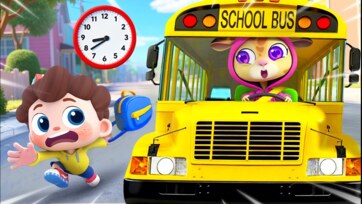
In the modern landscape of child development, the intersection of digital media, visual storytelling, and fundamental educational concepts has created a high-impact standard for early childhood engagement. This "edutainment" ecosystem relies on high-contrast visuals, expressive character archetypes, and relatable social scenarios to build cognitive and emotional foundations. By analyzing themes ranging from the frantic energy of a morning routine to the serene curiosity of animal interactions and logic puzzles, we can see how these narratives provide a holistic framework for a child's understanding of the world. The Visual Language of Learning Visual stimuli are the primary drivers of learning in early childhood. Before a child can decode written language, they are proficient in decoding color, shape, and pattern. Color as a Navigational and Logical Tool The strategic use of a bold, saturated color palette is designed to capture attention and facilitate cognitive categorization. Vibrant Primaries: Bright red, sunny yellow, and deep blue serve as visual anchors. Red often denotes high energy or central characters, while yellow signals optimism, approachable warmth, and safety. Categorization and Matching: Scenarios involving matching colored trucks to expressive eggs or colorful animals to soccer balls introduce children to the concept of sets and pattern recognition. For instance, a red tiger corresponds to a red ball, and a blue gorilla to a blue ball, teaching the fundamental skill of attribute matching. Logical Sorting: Arranging objects like trucks and eggs in a spectrum (red, yellow, green, blue, purple) reinforces the idea of order and sequences. Sensory Imaginarium High-quality digital rendering allows children to "feel" textures through their eyes, bridging the gap between screen time and real-world sensory play. Tactile Visualization: The representation of purple "slime" or liquid candy flowing from faucets engages a child's imagination regarding states of matter and fluid dynamics. Natural Textures: Contrasting the smooth feathers of a duckling or rooster with the squishy, cool texture of a mud puddle encourages an appreciation for the diverse physical properties of nature. Emotional Intelligence and Social Archetypes Modern media for children places a heavy emphasis on Social-Emotional Learning (SEL), using character expressions to teach empathy, conflict resolution, and self-regulation. Identifying Internal States Exaggerated facial features help children name and validate their own feelings. Wonder and Surprise: Wide-eyed, open-mouthed expressions in characters—whether discovering a sink full of candy or missing a bus—provide a mirror for a child’s own reactions to the unexpected. Fear and the Unknown: Depicting a child's surprise and apprehension at a "ghost" figure in a household setting like a bathroom helps normalize common fears and provides a safe space to discuss them. Mediation and Conflict: When characters representing emergency responders (like a police-dog archetype) intervene in a dispute between two upset peers, it demonstrates the social value of mediation and the presence of community helpers. The Power of Companionship and Empathy Narratives often focus on the group dynamic and supportive interactions. Shared Experiences: Whether it is a squirrel showing concern for a duckling or friends on a road trip, these stories reinforce the idea that life’s journeys are most rewarding when shared. Empathy in Action: The tender look on a character's face when interacting with a smaller creature models how to recognize and respond to the emotions of others. Community Systems and Life Skills As a child’s world expands beyond the home, media introduces the systems, responsibilities, and routines that govern society. The Morning Commute and Punctuality The scenario of a child rushing to a large yellow school bus is a masterclass in life skills and independence. Time Management: The presence of a prominent analog clock (showing 7:40 AM) helps children visualize the passage of time and the importance of punctuality to meet specific deadlines. Independence: Carrying a backpack and navigating the sidewalk toward a vehicle driven by a trusted community member (a giraffe-themed driver) symbolizes the child's growing role in the public sphere. Agricultural and Work Ecosystems Farm-themed content introduces the concepts of labor, food production, and cooperation. Roles and Jobs: Seeing monkeys driving tractors to transport cows or collecting milk shows that every member of a community has a specific task that contributes to the whole. Animal Stewardship: Interactions like feeding goats in a meadow or sitting among chickens teach children to be gentle and respectful of other living beings. Nature as a Classroom The transition from digital screens to the great outdoors is encouraged through vibrant depictions of natural habitats and animal biology. Biodiversity and Observation By showing characters in diverse settings—from bamboo forests to wildflower meadows—children learn to identify different ecosystems and species. Observation Skills: Seeing birds of different colors (red and yellow chicks or green parrots) in their environment encourages children to look closer at the wildlife in their own world. Animal Habitats: The inclusion of varied landscapes, such as farm fences and bamboo stalks, helps children grasp where different animals live and thrive. Active Play and Resilience Content that features characters playing in the mud or navigating a busy morning validates active, experiential learning. The Joy of "Messy" Play: Framing sitting in a mud puddle as a moment of pure happiness with animal friends helps parents and children see nature as an opportunity for discovery rather than a chore. Resilience: The frantic race for the bus shows that even when things are a bit chaotic, the goal can be reached through effort. Conclusion: Synthesizing the Experience The digital frontier of early learning is a carefully architected tapestry designed to nurture the whole child. It uses the magnetic pull of bright colors and charming characters to deliver essential lessons in logic, empathy, and community responsibility. By turning a mundane bath into a moment of surprise or a farm visit into a social adventure, these narratives help children navigate the transitions of their own lives with confidence. As they watch a rooster sit in a puddle, a monkey drive a tractor, or a boy match a red tiger to a red ball, they aren't just being entertained; they are building the mental map that will guide them as they step out of their homes and into the wide, wonderful world.
Best Fruits for Kids | Healthy & Nutritious Choices for Children
Fruits are not just snacks; they are essential for children’s physical growth, brain development, immunity, and overall well-being. Every bite of a fruit delivers vitamins, minerals, antioxidants, and fiber that act as building blocks for a child’s body. While calories give energy, fruits provide nutritional intelligence — signals that guide the body on how to grow, repair, and strengthen itself. In Pakistan, many children do not consume the recommended daily servings of fruit. The National Nutrition Survey shows that less than 35% of children eat enough fruits, leading to deficiencies in vitamin C, potassium, fiber, and antioxidants. This deficiency often results in weak immunity, low energy, digestive problems, and slower physical and cognitive growth. Incorporating fruits in a daily diet is therefore not optional; it is a necessity. Here’s a detailed guide to the top 10 fruits every child should eat, along with their benefits, scientific reasoning, and practical tips for including them in meals. Banana — Energy and Potassium Booster: Bananas are one of the most popular fruits among children for good reason. They are rich in potassium, which supports heart health, muscle function, and proper fluid balance. Bananas also provide natural sugars like fructose and glucose, which deliver instant and sustained energy, ideal for active children. Additionally, bananas are high in fiber, promoting healthy digestion and preventing constipation. A banana a day keeps the digestive system smooth and also provides magnesium, which supports bone development. Serving Tips: Slice bananas into breakfast cereal or oatmeal. Blend with milk for a nutrient-packed smoothie. Offer as a quick snack before school or sports activities. Apple — Fiber and Immunity Support: Apples are a classic fruit that is both nutritious and easy for children to eat. They are rich in dietary fiber, vitamin C, and antioxidants, which support immune function, digestive health, and tissue repair. The peel contains most of the nutrients, so serving apples unpeeled is recommended. Apples help children feel full, reducing the need for processed snacks and sugary foods. Their natural sweetness makes them an appealing option for picky eaters. Serving Tips: Slice into lunchbox-friendly pieces. Spread peanut butter or yogurt on apple slices for a tasty snack. Bake with cinnamon for a warm, healthy dessert. Orange — Immune and Vitamin C Powerhouse: Oranges are rich in vitamin C, a nutrient critical for immune support, collagen formation, and iron absorption. Children with adequate vitamin C have stronger immunity, healthier skin, and better recovery from illnesses. Oranges are naturally juicy and sweet, making them highly appealing to children. Serving Tips: Serve as easy-to-eat segments. Freshly squeeze for homemade juice without added sugar. Mix orange slices into fruit salads to enhance flavor and nutrient variety. Mango — Growth and Eye Health: Mangoes are one of the most nutrient-dense tropical fruits. They contain vitamin A, vitamin C, and antioxidants, which support vision, tissue growth, immunity, and overall development. Mangoes are highly seasonal in Pakistan and are usually a favorite among children, making them an excellent way to provide essential nutrients naturally. Serving Tips: Serve as mango cubes or puree for breakfast or snack. Blend with milk or yogurt for a creamy smoothie. Combine with other fruits for a colorful fruit salad. Papaya — Digestion and Immune Booster: Papaya is known for its digestive enzyme papain, which helps break down proteins and supports nutrient absorption. It is also rich in vitamin C, folate, and potassium, all of which contribute to growth, muscle function, and immunity. Serving Tips: Serve cubed or mashed as a fresh snack. Blend into smoothies with banana or mango. Mix with yogurt for a simple, healthy dessert. Guava — Vitamin C Superfruit: Guava is an exceptional source of vitamin C, providing more than oranges. It also contains dietary fiber, potassium, and antioxidants. Regular guava consumption supports immunity, skin health, and digestion. The sweetness and soft texture make it suitable even for younger children. Serving Tips: Serve as slices or cubes. Mash and mix with yogurt for a creamy snack. Add to fruit salads to boost vitamin C intake. Blueberries — Brain and Antioxidant Support: Blueberries are small but incredibly powerful. They are packed with antioxidants and flavonoids that support cognitive development, memory, and learning. Antioxidants also protect cells from damage caused by free radicals, supporting overall long-term health. Serving Tips: Mix with oatmeal, cereal, or yogurt. Serve fresh or frozen as a snack. Blend into smoothies or pancake batter for a fun breakfast option. Watermelon — Hydration and Refreshment: Watermelon is not only sweet and refreshing but also a great source of hydration, vitamin C, potassium, and antioxidants. It helps children maintain energy and electrolyte balance, especially in hot weather. Serving Tips: Cut into fun shapes for snacks. Blend into a natural juice or smoothie. Combine with berries for a hydrating summer fruit salad. Pomegranate — Immunity and Heart Support: Pomegranates are rich in antioxidants, fiber, and vitamin C, supporting immunity, heart health, and digestion. The vibrant seeds are visually appealing and can make fruit consumption fun for children. Serving Tips: Serve arils as a snack. Sprinkle over yogurt, oatmeal, or salads. Mix into fresh fruit juices for added nutrients. Strawberries — Antioxidant and Digestive Aid: Strawberries are high in vitamin C, fiber, and antioxidants, which strengthen immunity, support digestive health, and enhance skin health. They are sweet, visually appealing, and easy to eat, making them highly suitable for children. Serving Tips: Serve whole or sliced as a snack. Blend into smoothies or milkshakes. Combine with other fruits in a colorful fruit bowl. Benefits of Fruits in Children’s Daily Diet: Immune Support: Fruits rich in vitamin C, like oranges, guava, and strawberries, protect children from frequent infections and illnesses. Digestive Health: Fiber from apples, pears, and berries promotes smooth digestion and healthy gut bacteria, which is essential for nutrient absorption. Brain Development: Antioxidant-rich fruits like blueberries and pomegranates improve memory, attention, and learning ability. Energy and Stamina: Natural sugars in bananas, mangoes, and dates provide quick energy without the harmful effects of processed sugar. Bone and Muscle Growth: Fruits with potassium and magnesium, like bananas and papaya, support muscle function, bone development, and electrolyte balance. Tips to Encourage Fruit Consumption: Variety and Colors: Offer a mix of fruits with different colors and textures to provide a wider range of nutrients. Seasonal Choices: Serve fruits according to the season; seasonal fruits are fresher, more nutritious, and often more affordable. Creative Presentation: Cut fruits into fun shapes, make fruit skewers, or serve with yogurt to make them appealing. Consistency Over Quantity: Offer small portions throughout the day instead of forcing large servings at once. Involve Children: Let them wash, cut, or serve fruits themselves — participation increases interest and acceptance. Conclusion: Fruits are a cornerstone of healthy childhood nutrition. They provide essential nutrients for physical growth, cognitive development, immunity, and digestive health. The top 10 fruits — banana, apple, orange, mango, papaya, guava, blueberries, watermelon, pomegranate, and strawberries — cover the majority of essential vitamins, minerals, antioxidants, and fiber that children need for optimal growth. Including these fruits daily ensures children develop strong bodies, sharp minds, and resilient immune systems. Parents should focus on variety, seasonal availability, and creative serving methods to make fruit consumption enjoyable. Fruits are not just snacks—they are daily growth boosters that shape health and habits for life. By consistently providing these nutrient-rich fruits, children will not only grow physically but will also develop stronger immunity, better mental focus, and healthier eating habits that last into adulthood.  
Advertisement
Screen Time vs. Story Time: Finding the Right Balance
In today’s digital world, children are growing up surrounded by screens. From educational apps to entertaining cartoons, digital content has become an integral part of childhood. However, traditional storytelling and book reading remain essential for cognitive and emotional development. So, how can parents strike the right balance between screen time and story time? Let’s explore the benefits of both and find practical ways to create a healthy mix. The Pros and Cons of Screen Time ✅ Benefits of Screen Time Educational Value: High-quality digital content can enhance learning, improve language skills, and introduce children to new concepts. Interactivity: Many apps encourage active participation, improving problem-solving and creativity. Entertainment and Engagement: Digital media can be fun and engaging, keeping children entertained while learning. ❌ Challenges of Too Much Screen Time Reduced Attention Span: Excessive screen exposure can impact focus and patience. Sleep Disruptions: Blue light from screens can interfere with melatonin production, making bedtime routines difficult. Limited Social Interaction: Overuse of screens may replace face-to-face interactions, affecting communication skills. The Timeless Value of Story Time Reading stories has been a fundamental part of childhood for centuries. Whether through picture books, bedtime stories, or oral storytelling, this traditional activity offers numerous benefits. 📖 Why Story Time is Important Boosts Language Development: Listening to stories enhances vocabulary, comprehension, and communication skills. Strengthens Parent-Child Bonding: Story time fosters closeness, making children feel safe and loved. Encourages Imagination and Creativity: Unlike screens, books allow children to visualize and create their own mental images. Finding the Right Balance Achieving a balance between screen time and story time requires intentional effort. Here are some tips to help parents create a healthy routine: 🕒 1. Set Screen Time Limits The American Academy of Pediatrics recommends: 0–18 months: Avoid screen time (except for video calls). 18 months – 2 years: Limited, high-quality content with parental supervision. 2–5 years: No more than one hour per day of quality programming. 📚 2. Make Story Time a Daily Ritual Set a fixed time each day for reading, such as before bedtime. Let your child choose the books to keep them engaged. Use expressive voices and ask questions to make the experience interactive. 🎭 3. Blend Both Approaches Use audiobooks and interactive e-books to combine digital tools with storytelling. Encourage children to act out stories after watching or reading them. Discuss what they watched or read to reinforce learning. 🚀 4. Be a Role Model Children imitate their parents. If they see you enjoying books, they’ll be more likely to develop a love for reading. Conclusion Both screen time and story time have their place in a child’s development. While digital content can be educational and engaging, traditional storytelling remains a powerful tool for learning and emotional bonding. By setting limits, incorporating daily reading habits, and finding creative ways to integrate both, parents can create a balanced approach that supports their child’s growth.