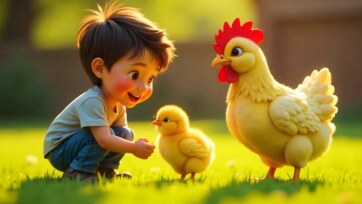
The world of children’s entertainment has been revolutionized by 3D animation. Unlike traditional cartoons, 3D animation allows limitless creativity—gravity can bend, colors can explode, and impossible adventures come to life. From high-flying circus acts to chaotic kitchen mishaps, these animated worlds blend humor, adventure, and life lessons, capturing the attention of young audiences while subtly teaching valuable skills.
In this exploration, we dive into iconic 3D animated scenarios that define modern storytelling, where babies ride lions, monsters run kitchens, and farm animals take center stage.
Circus Escapades and the Great Animal Parade:
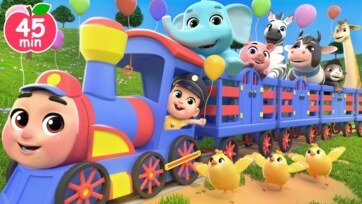
One of the most joyful and energetic staples of children’s 3D animation is the “Animal Parade,” often set in a circus environment. Imagine a fearless baby sitting atop a galloping lion, leading a whimsical procession of animals across a flower-filled meadow.
Diverse Animal Companions: A cheerful purple hippo, a smiling zebra, a long-necked giraffe, and a tiny yellow duckling follow along, each adding a unique personality to the scene.
The Circus Touch: A blue elephant peeks from a red circus wagon, while a comically shocked clown in bright overalls watches the parade unfold.
Visual and Emotional Impact: Set against a bright blue sky dotted with fluffy clouds, the scene celebrates freedom, leadership, and the playful bond between children and animals. It subtly teaches courage, empathy, and teamwork through spectacle and humor.
Kitchen Chaos and the Giant Cereal Disaster:
From the wide-open circus to the confined kitchen, 3D animation thrives on exaggerated, comedic moments. Enter Monster Chef Meledton—a gigantic, fluffy orange creature with tiny horns and an insatiable appetite.
Slapstick Fun: Wearing a tall chef’s hat, Meledton attempts to pour milk into a bowl of rainbow-colored cereal, only for a tidal wave of milk to erupt, sending loops flying across the kitchen.
Miniature Helpers: Tiny mouse assistants dressed in chef outfits scramble to avoid the flying cereal, adding layers of humor and suspense.
Detailed Environment: Overflowing pancakes, floating milk cartons, and bowls of fruit create a “chaotic yet delightful” atmosphere that keeps children visually engaged and encourages them to laugh at controlled disorder.
This scene combines fun with subtle lessons in responsibility, cause and effect, and problem-solving—teaching children that mistakes can be part of learning.
Farmyard Tales: Sports and Secret Missions:
Farm settings in 3D animation often mix lighthearted play with thrilling adventures, providing a versatile backdrop for storytelling.
Farm Animal Football:
A sunny farm hosts a playful football match between an orange kitten with green eyes and a proud white rooster.
Playful Interaction: The kitten crouches in playful anticipation, while the rooster readies itself to kick a colorful patchwork ball.
Idyllic Setting: Classic red barns, wooden fences, and lush greenery promote themes of friendship, teamwork, and healthy competition.
Ninja Night Mission:
When night falls, the same farm transforms into a scene of suspense and comedy. A muscular ninja in midnight black engages in a tug-of-war with two cows near a wooden barn.
Tension Meets Humor: The brown and white cows strain against the rope while the ninja’s exaggerated movements add comic relief. This scenario introduces stealth, strategy, and problem-solving in a way older children can enjoy.
Rainy Day Kindness and Unlikely Guides:
3D animation excels at turning everyday situations, like a rainy afternoon, into memorable adventures.
Booba’s Rain Adventure: Booba, a furry white character, holds a giant yellow umbrella, looking surprised by the sudden downpour.
Unexpected Friends: A cheerful green frog holds a tiny umbrella and guides Booba through the rain, showing children the value of kindness, cooperation, and finding help in unexpected places.
These scenes teach emotional intelligence and empathy through exaggerated expressions and playful storytelling.
Educational Benefits of 3D Animation:
Beyond entertainment, 3D animation offers real developmental advantages for children:
Empathy and Cooperation: Scenes like mice assisting a monster chef or animals parading together emphasize teamwork and social skills.
Emotional Awareness: Characters’ expressive faces—whether shocked, happy, or confused—help children recognize and understand different emotions.
Creative Problem Solving: Unusual scenarios, like a ninja wrestling cows or a monster managing a kitchen disaster, encourage children to think critically and imaginatively.
Visual Learning: Bright colors, dynamic motion, and exaggerated gestures make abstract concepts more concrete, supporting memory and comprehension.
Why 3D Animation is a Gateway to Imagination:
From the “Giant Cereal Disaster” to circus animal parades, 3D animation is more than eye-catching spectacle. It is a gateway to curiosity, imagination, and problem-solving.
Safe Exploration: Children can experience adventurous situations in a controlled, safe environment, exploring ideas without real-world risk.
Interactive Imagination: Every scene invites the question, “What happens next?”—turning passive viewing into active mental engagement.
Life Lessons in Disguise: Through humor, chaos, and adventure, children learn courage, empathy, creativity, and the joy of discovery.
Conclusion: Creativity, Learning, and Fun All in One
Modern 3D animation transforms ordinary stories into extraordinary experiences. Whether a child is cheering for a kitten scoring a goal, laughing at a flying cereal disaster, or following Booba through the rain, they are also learning essential life skills.
The beauty of 3D animation lies in its ability to blend entertainment with education seamlessly. By combining vibrant visuals, imaginative storytelling, and emotional depth, it creates an immersive environment where children not only play with ideas—they grow with them.
In today’s digital age, 3D animation isn’t just a form of entertainment. It is a playground for the mind, a lab for emotional development, and a classroom for curiosity. When children watch these adventures, they’re not just entertained—they’re being trained to think, empathize, and explore a world where imagination knows no bounds.