A Journey to the Magic Ice Cream Cart!

Hello, little friends! Are you ready for the most delicious adventure of your life? Today, we are stepping into a world filled with bright colors, smiling faces, and—best of all—mountains of cold, creamy ice cream! If you look at our latest picture, you will see a sunny park where a magical pink cart has just arrived. It is time to explore the world of "Gelato Divino" and find out why a simple scoop of ice cream can turn any day into a masterpiece.

Meet the Happy Ice Cream Team

In the center of this wonderful scene, we have two very special people who are making the world a sweeter place. Let’s say hello to them!

The Friendly Scooper

Standing behind the pink cart is a lady with a giant smile and cool pink heart-shaped sunglasses. She looks like she has the best job in the world! She is wearing a bright blue shirt with white frills, and she has her hands out as if to say, "Welcome to my world of treats!" She is a master of the ice cream scoop, ready to make any flavor you can imagine.

The Lucky Little Explorer

Right in front of us is a little boy who is probably the happiest kid in the park. He is wearing bright blue overalls and has a smile that stretches from ear to ear. Why is he so happy? Because he is holding two giant ice cream cones! One is a bright, sunny yellow, and the other is a vibrant, deep pink. He is showing us that when it comes to ice cream, one is great, but two is even better!

Exploring the Magical Pink Cart

The "Gelato Divino" cart is not just a regular food stand; it is a treasure chest on wheels. Let’s look at all the cool details that make it so special.

The Stripes of Happiness

The cart has a beautiful pink and white striped canopy. These colors are often used for candy shops and ice cream parlors because they make us feel excited and hungry for something sweet. The wavy edges of the roof look like frosting on a cake!

A Rainbow of Flavors

Look at the counter of the cart. There are five cones lined up, and each one is a different color:

  • Bright Pink: Maybe it tastes like strawberries or raspberries.
  • Sunny Yellow: Could this be lemon or tropical mango?
  • Ocean Blue: This looks like a cool blueberry or cotton candy flavor.
  • Grass Green: Is it lime or perhaps minty chocolate chip?
  • Creamy White: The classic vanilla that everyone loves.

Inside the glass display, you can see even more swirls of colors, like blue and white together, and bright red scoops. It’s like a rainbow melted into a bowl!

The Secret Jar of Treats

On the left side of the cart, there is a big glass jar filled with bright pink treats. They look like soft cookies or giant candies. In a world of ice cream, toppings are like the crown on a king—they make everything more exciting!

Why Ice Cream Makes Us Smile

Have you ever wondered why you feel so happy when you hear the music of an ice cream truck or see a cart like this? There is actually a lot of science and magic behind it!

  1. The "Cold" Surprise

When you take a lick of ice cream on a hot day in the green grass, the coldness surprises your tongue. It feels refreshing and wakes up your senses. It’s like a tiny winter vacation for your mouth!

  1. The Power of Sugar

Our brains love sweet things because they give us a little burst of energy. When the boy in the picture takes a bite of his yellow cone, his brain will send signals that say, "This is great! Let's keep smiling!"

  1. Sharing the Joy

Ice cream is even better when you eat it with friends. The lady behind the cart isn't just selling food; she is sharing joy with the boy and everyone else in the park. Sharing a treat is one of the nicest things you can do for someone.

Learning Your Colors at the Park

The "Gelato Divino" scene is a perfect place to practice our colors because everything is so bright!

  • Pink: This is the star of the show. It’s on the cart, the lady’s glasses, the boy’s cone, and the jar of treats. Pink is a color of kindness and sweetness.
  • Blue: The boy’s overalls, the lady’s shirt, and the clear sky behind the trees are all blue. Blue helps us feel calm and happy.
  • Yellow: The boy’s favorite cone is yellow, just like the sun.
  • Green: Look at the thick, lush hedge behind the cart. Green is the color of nature and health, and it makes the pink cart stand out even more.

The Art of the Perfect Cone

If you look closely at the cones the boy is holding, you can see they aren't just flat scoops. They are swirled!

How Do They Make the Swirl?

The ice cream comes out of a special machine that twists it as it lands on the wafer cone. This makes it look like a tall tower or a colorful mountain. The wafer cone itself has a little pattern of squares on it, which helps you hold it tight so it doesn't slip out of your hands!

The "Two-Handed" Challenge

The boy is being very brave by holding two cones at once. You have to be very careful not to let them tilt, or—splat—your ice cream might fall on the grass! He is holding them very steady, showing us he is a pro at enjoying his treats.

Imagination Time: What’s on the Menu?

Let’s look at the bottom of the pink cart. It says "Crepes, Waffles, Sundaes, Shakes, Coffee, Cakes." This cart can make almost anything!

If You Were the Chef...

Imagine you were standing where the lady is. What would you create?

  1. A Giant Sundae: You could take three scoops, add chocolate sauce, sprinkles, and a cherry on top!
  2. A Magic Waffle: Imagine a warm, crispy waffle with a scoop of blue ice cream melting right in the middle.
  3. A Rainbow Shake: You could mix the pink, yellow, and blue flavors together to make a drink that looks like a sunset.

Conclusion: Every Day Can Be Divino!

The picture of the boy and the ice cream cart reminds us that the best days are the ones where we find something to smile about. It doesn't have to be a giant pink cart; it could be a small flower, a game with a friend, or a hug from your mom or dad.

But, of course, having a yellow and pink ice cream cone certainly helps! The next time you are outside playing in the grass, keep your eyes open. You never know when a little bit of magic—and a lot of gelato—might come rolling into your day.

Keep smiling, keep exploring, and most importantly, keep enjoying the sweet things in life!


Advertisement
Visual-First Learning in Early Childhood
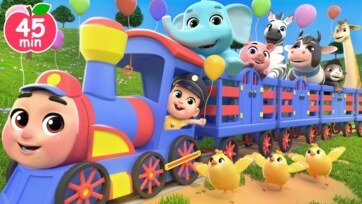
Modern educational media for children has grown into a complex, visually immersive ecosystem. Prioritizing high-contrast imagery, relatable anthropomorphic characters, and purposeful social modeling, it supports rapid cognitive and emotional development. By transforming abstract concepts—like physics, economic inequality, and internal emotional states—into tangible, playful forms, this media acts as a “cognitive scaffold,” helping children interpret both physical mechanics and social dynamics with confidence. This analysis examines the key pedagogical themes in contemporary visual media across four critical developmental domains. Cognitive Logic: Categorization, Sequencing, and Physical Mechanics Visual media acts as a primary engine for early logical reasoning. Before children can articulate ideas verbally, they can process cause-and-effect relationships, understand sequential order, and explore mechanical function through observation and interaction. Chromatic Reasoning and Sequential Awareness Color serves as a cognitive cue, helping children organize information and identify patterns. Sequential Sorting: For example, a child drives a pink tractor pulling a train of multicolored trailers, each holding an ice cream cone in red, yellow, green, or blue. This sequence teaches linear order, grouping, and pattern recognition. Anatomical Awareness: Stylized skeletons in glowing primary colors introduce the basics of human anatomy without fear, helping children differentiate structural forms and develop attention to specific attributes. Identity Mapping: Characters holding objects shaped like themselves—such as a white creature clutching an orange popsicle in its silhouette—reinforce the concept of identity, representation, and the association between form and meaning. By combining color, form, and spatial relationships, children build mental frameworks that lay the foundation for mathematical, scientific, and observational reasoning. Mechanical Principles and Collaborative Problem-Solving Interactive machinery and toy-based play introduce foundational physics concepts in a playful, memorable format. Complex Recovery Operations: Scenes featuring a crane, tractors, and excavators collaboratively rescuing overturned trucks from a mud pit illustrate leverage, tension, and teamwork. Children understand that some problems require combined effort. Interdependent Systems: A baby suspended amid interlocking gears provides a visual metaphor for how components of a system rely on each other to function. Forces and Resistance: Tug-of-war sequences with ropes attached to giant scissors, or a ninja trying to restrain two cows with a rope, give children an intuitive grasp of weight, tension, and opposing forces. Social Structure: Imagery of “police babies” managing a mermaid on a beach or police dogs enforcing fairness illustrates social order and communal responsibility in an engaging, age-appropriate way. Through these visuals, children learn both the mechanics of the physical world and the value of collaboration. Social-Emotional Learning (SEL): Recognition, Validation, and Empathy A central strength of visual media is its ability to give children a language for emotions they cannot yet verbalize. Through exaggerated expressions and imaginative scenarios, children explore complex feelings safely. Mirroring Intense Emotions Visual storytelling acts as a psychological mirror, helping children navigate fear, surprise, and social complexity. Shock and Surprise: Characters reacting to a giant T-Rex in a living room or a strawberry with a missing bite signal universal alarm and teach children that such reactions are normal. Perspective-Taking: Contrasts between startled characters and calm observers—like a small figure facing a large, indifferent bee—demonstrate that people respond differently to the same event. Social Horror and Transformation: Imagery of a peer’s head transforming into a giant, toothy cup allows safe exploration of exclusion and uncertainty within peer dynamics. Identity and Otherness: Characters with glowing eyes or fangs represent the feeling of being different or masking true emotions, providing a framework for discussing diversity and self-expression. This approach promotes emotional literacy, self-awareness, and resilience in navigating social and personal challenges. Modeling Empathy and Nurturing Behavior By depicting intentional acts of care, visual media teaches children the value of proactive empathy. Caring for Others: A child bringing lemon water and a thermometer to a sick peer demonstrates the importance of supportive action. Environmental Responsibility: A child protecting a small lamb from the rain teaches stewardship and consideration for vulnerable beings. Cross-Species Harmony: Scenes where an orange cat and a white chicken share a colorful soccer ball highlight collaboration, fairness, and respect across differences. Through such examples, children internalize empathy and learn actionable strategies for responding to the needs of others. Life Skills: Responsibility, Hygiene, and Social Awareness Transforming routine tasks and societal expectations into imaginative adventures helps children embrace health practices, communal responsibilities, and structured play. Hygiene as Play and Protection Invisible threats, like germs, are rendered into playful “villains,” turning health practices into engaging narratives. Automated Cleaning: Police dogs navigating car washes with oversized brushes and soap reinforce hygiene routines and the concept of systematic maintenance. Joyful Hygiene: Bathing scenes with pink bubbles and cheerful creatures associate personal care with enjoyment, creativity, and sensory play. Financial Literacy and Social Order Early exposure to wealth, labor, and authority through visuals helps children navigate social hierarchies. Economic Awareness: Contrasting a child with stacks of cash and a “money house” against a peer with a broom and cardboard home introduces basic economic concepts and labor disparities. Community Rules: “Police babies” or law-enforcing animals distributing resources—like heart-shaped pizzas—model fairness, rule-following, and cooperative behavior. This blend of play and education instills early social understanding and a sense of ethical responsibility. Environmental Literacy and Resource Awareness Connecting children with nature and resource origins fosters curiosity, environmental respect, and practical understanding. Agricultural Logistics: A monkey transporting a banana harvest introduces farm-to-table concepts and teaches children about labor and resource distribution. Communal Rewards: Sharing heart-shaped pizzas reinforces the value of generosity and collaborative joy. Biodiversity and Wonder: Engaging with giraffes, calves, or prehistoric creatures frames nature as a source of learning, empathy, and awe. By blending human, animal, and ecological interactions, children develop early environmental stewardship alongside social and cognitive skills. Conclusion: Bridging Digital Media and Real-World Learning Modern visual media for children functions as an intricate tapestry, supporting holistic growth. Saturated colors guide logical reasoning, expressive characters validate emotional experience, and cooperative scenarios teach teamwork and social responsibility. Each scene bridges digital experiences with tangible reality. Whether navigating colorful trailers, rescuing stuck vehicles, or caring for peers and animals, children cultivate a well-rounded foundation of cognitive, emotional, and social skills—one immersive frame at a time.  
Advertisement
: A Journey of Joy and Gentle Connections
A Journey of Joy and Gentle Connections The rural landscape has always been a sanctuary for discovery, a place where the simplicity of nature meets the boundless curiosity of youth. On a farm, the boundaries between the human and animal worlds often blur, creating a shared space of mutual respect and unbridled happiness. This setting serves as a powerful classroom for early childhood development, teaching the values of empathy, sensory exploration, and the beauty of finding joy in the most unexpected places—even in the middle of a muddy puddle. At the center of this agricultural adventure are young explorers, whose presence on the farm acts as a bridge between these two worlds. Their journey through the barnyard is not just a walk; it is an immersive experience that engages every sense and fosters a lifelong connection to living things. The Sensory Symphony of the Barnyard For a young child, the farm is a giant playground of textures, sounds, and colors. Every interaction is a sensory lesson that builds cognitive pathways and encourages physical exploration. The Tactile Magic of Nature Nature provides an endless array of sensory "toys" that stimulate a child's curiosity. The Sensation of Wet Earth: Sitting directly in a shallow brown puddle allows a child to experience the cool, squishy texture of the earth in a way that is purely tactile. A Badge of Honor: The splatters of mud on a bright yellow hoodie and tan pants are not messes to be avoided, but rather symbols of a day well-spent in active play. Gentle Interactions: The soft fur of a goat or the smooth feathers of a bird offer contrasting textures that help a child distinguish between different types of living things. A Palette of Vibrant Colors The farmyard is painted in a rich array of high-contrast colors that capture a child's attention and help them categorize their surroundings. The Radiant Sky: A bright blue sky creates a feeling of openness and freedom, providing a vast canvas for the day's adventures. The Living Green: Lush grass and rounded green bushes provide a soft, welcoming backdrop for animal interactions. Colorful Residents: From the bright red comb of a rooster to the deep brown and white patterns of goats, the animals introduce a variety of hues that pop against the green fields. Building Bridges: The Language of Animals The barnyard is home to a diverse community of creatures, each with its own personality and way of communicating. For a child, learning to navigate this community is a masterclass in social and emotional intelligence. The Bold and the Brave: The Rooster In the center of the muddy fun sits a vibrant rooster, his feathers a mix of deep blue, orange, and red. Face-to-Face Connection: Sitting eye-to-eye with a bird teaches a child about bravery and the quiet dignity of nature. A Symbol of Morning: The rooster represents the rhythm of the farm, his crows acting as the natural alarm clock that signals the start of a new adventure. The Gentle Companions: Cattle, Sheep, and Goats In the background, a group of smiling cows, fluffy sheep, and inquisitive goats look on with curiosity. Kind Expressions: The wide, friendly eyes of the cows—ranging from warm orange-brown to creamy tan—convey a sense of calm and safety. Nurturing Bonds: Kneeling in the grass to offer a hand to a small brown goat demonstrates a profound sense of care and friendship. A Diverse Family: Seeing animals of different sizes and colors—like black, white, and brown goats—living together harmoniously teaches children about diversity within a community. The Psychology of a Smile: Pure Happiness At the heart of the farm experience is the pure, infectious joy displayed by children during their interactions. This happiness is a vital indicator of emotional health and security. The Anatomy of Childhood Joy With a wide, toothy grin and bright, sparkling eyes, a child’s face tells a story of complete contentment. Uninhibited Expression: Unlike adults, children do not hide their joy. When they are happy, their whole face lights up, signaling to everyone around them that they feel safe and loved. A Signal of Trust: Being surrounded by large animals while sitting in the mud or kneeling in the grass requires a high level of trust in one's environment. This comfort level is essential for healthy emotional development. The Contagious Nature of Happiness Joy on the farm is a shared experience. When we see a child laughing in a puddle or gently stroking a goat's nose, it triggers a sense of warmth and peace in the viewer. Even the animals seem to participate, their smiling faces and attentive gazes suggesting a mutual bond of affection. Lessons in Responsibility and Empathy While a farm visit starts as play, it quickly evolves into a lesson in caretaking and stewardship. Nurturing the Small and Large Interacting with a rooster or feeding a goat helps a child realize that they are part of a larger ecosystem where every creature deserves kindness. This is the birth of empathy—the understanding that our actions affect the well-being of the living things around us. Understanding Habitats and Homes By seeing where animals live, eat, and play, children begin to understand the concept of a "habitat". They see the open fields where cows graze and the fences that keep sheep safe, helping them grasp the basics of environmental science. The Farm as a Lifetime Memory The experiences a child has on a farm are often among their most vivid early memories. These moments of "wild play" are essential for building a well-rounded and resilient individual. The Value of Being "Unplugged" In a world of screens and digital noise, the farm offers an "unplugged" experience where the only notifications are the sounds of a rooster crowing or a goat bleating. This allows the child’s brain to rest and focus on the immediate, physical world. Encouraging Outdoor Exploration A day at the farm is a day of constant movement. From crawling through the grass to sitting in a puddle, children are building motor skills and physical strength. This active lifestyle is the foundation for healthy habits that can last a lifetime. Conclusion: The Simple Magic of Being Together The image of a toddler sharing a muddy afternoon with a rooster, or a young boy kneeling in a field of wildflowers to greet a goat, is a powerful symbol of childhood at its best. It reminds us that at our core, humans have a deep, instinctual need to connect with the earth and the creatures that share it with us. As the sun shines down on the green fields, it highlights a world where everyone belongs—where a puddle is a throne, and where a goat is a best friend. In the heart of the farm, joy is found not in things, but in connections, sensory play, and the simple magic of being together under a wide blue sky.
A Lesson in Joy and Unlikely Friendships
The Heart of the Farm: A Lesson in Joy and Unlikely Friendships The rural landscape has always been a sanctuary for discovery, a place where the simplicity of nature meets the boundless curiosity of youth. On a farm, the boundaries between the human and animal worlds often blur, creating a shared space of mutual respect and unbridled happiness. This setting serves as a powerful classroom for early childhood development, teaching the values of empathy, sensory exploration, and the beauty of finding joy in the most unexpected places—even in the middle of a muddy puddle. At the center of this agricultural adventure is a toddler, whose presence on the farm acts as a bridge between these two worlds. His journey through the barnyard is not just a walk; it is an immersive experience that engages every sense and fosters a lifelong connection to living things. The Sensory Symphony of the Farmyard For a young child, the farm is a giant playground of textures, sounds, and colors. Every interaction is a sensory lesson that builds cognitive pathways and encourages physical exploration. The Tactile Magic of Mud Mud is perhaps nature's greatest sensory toy. The Sensation of Wet Earth: Sitting directly in a shallow brown puddle allows a child to experience the cool, squishy texture of the earth in a way that is purely tactile. A Badge of Honor: The splatters of mud on a yellow hoodie and tan pants are not messes to be avoided, but rather symbols of a day well-spent in active play. Grounding Connection: This direct contact with the ground fosters a sense of "grounding," helping children feel physically connected to the natural world. A Palette of Natural Colors The farmyard is painted in a rich array of high-contrast colors that capture a child's attention and help them categorize their surroundings. The Radiant Sky: A bright blue sky with wispy white clouds creates a feeling of openness and freedom. The Living Green: Rounded green bushes and lush grass provide a soft, welcoming backdrop for animal interactions. The Animal Rainbow: From the bright red comb of a rooster to the deep black fur of a goat, the animals introduce a variety of hues and patterns. Building Bridges: The Language of Animals The barnyard is home to a diverse community of creatures, each with its own personality and way of communicating. For a child, learning to navigate this community is a masterclass in social and emotional intelligence. The Bold and the Brave: The Rooster At the very front of the scene sits a vibrant rooster, his feathers a mix of deep blue, orange, and red. Face-to-Face Connection: Sitting eye-to-eye with a bird teaches a child about bravery and the quiet dignity of nature. The Sound of Morning: The rooster represents the rhythm of the farm, his crows acting as the natural alarm clock that starts the day. The Gentle Giants: Cattle and Sheep In the background, a group of smiling cows and fluffy sheep look on with curiosity. Kind Expressions: The wide, friendly eyes of the cows—one a warm orange-brown and the other a creamy tan—convey a sense of calm and safety. The Softness of Sheep: Small, white sheep with gentle faces introduce the concept of "softness," inviting the child to think about the different textures of fur and wool. The Majestic Overseer: The Goat To the right stands a large, dark goat with impressive curved horns and a friendly, pink-nosed face. A Presence of Strength: The goat’s size and horns represent the power of nature, yet his kind expression shows that strength can coexist with gentleness. A Community Member: His presence, along with the other animals, creates a sense of a "family" that extends beyond humans. The Psychology of a Smile: Pure Happiness At the heart of the farm experience is the pure, infectious joy displayed by the child. This happiness is a vital indicator of emotional health and security. The Anatomy of a Toddler’s Joy With a wide, toothy grin and bright, sparkling eyes, the child’s face tells a story of complete contentment. Uninhibited Expression: Unlike adults, children do not hide their joy. When they are happy, their whole face lights up, signaling to everyone around them that they feel safe and loved. A Signal of Trust: Being surrounded by large animals while sitting in the mud requires a high level of trust in one's environment. This comfort level is essential for healthy emotional development. The Mirror Effect Happiness is contagious. When we see a child laughing in a puddle surrounded by smiling animals, it triggers a "mirror neuron" response in our own brains, making us feel a sense of warmth and peace. This emotional resonance is what makes farm stories so popular and enduring across generations. Lessons in Responsibility and Empathy While a farm visit starts as play, it quickly evolves into a lesson in caretaking. Nurturing the Small Interacting with a rooster or a small sheep helps a child realize that they are part of a larger ecosystem where some creatures are smaller and more vulnerable than themselves. This is the birth of empathy—the understanding that our actions affect the well-being of others. Understanding Habitats By seeing where animals live, eat, and play, children begin to understand the concept of a "habitat". They see the fence that keeps the sheep safe and the open fields where the cows graze, helping them grasp the basics of environmental science. The Farm as a Lifetime Memory The experiences a child has on a farm are often among their most vivid early memories. These moments of "wild play" are essential for building a well-rounded individual. The Value of Being Unplugged In a world of screens and digital noise, the farm offers an "unplugged" experience where the only notifications are the sounds of a rooster crowing or a cow mooing. This allows the child’s brain to rest and focus on the immediate, physical world. Encouraging Outdoor Exploration A day at the farm is a day of constant movement. From crawling through the grass to sitting in a puddle, the child is building motor skills and physical strength. This active lifestyle is the foundation for healthy habits that can last a lifetime. Conclusion: The Simple Magic of Being Together The image of a muddy toddler sharing a puddle with a rooster while a group of friendly farm animals looks on is more than just a cute picture; it is a symbol of a perfect childhood moment. It reminds us that at our core, humans have a deep, instinctual need to connect with the earth and the creatures that share it with us. As the sun shines down on the barnyard, it highlights a world where everyone belongs, where a puddle is a throne, and where a rooster is a best friend. In the heart of the farm, joy is found not in things, but in connections, dirt, and the simple magic of being together under a wide blue sky.  
The Pulse of Punctuality: Navigating the Morning Rush
In the bustling landscape of childhood, few events carry as much weight, drama, and energy as the daily morning commute to school. It is a universal experience that blends responsibility with excitement, and sometimes, a dash of frantic urgency. The morning routine is a cornerstone of a child's developmental journey, teaching essential life skills such as time management, accountability, and the importance of community systems like the school bus network. When we observe the dynamics of a typical school morning, we see a complex interplay between individuals, technology, and the relentless ticking of the clock. This daily ritual serves as a profound classroom in itself, long before the first bell ever rings in a physical building. The Relentless Ticking of the Clock Time is the invisible director of the morning drama. For a young student, the clock is not just a tool for measurement; it is a living entity that dictates the pace of their entire world. Understanding the Analog Face While digital clocks are everywhere, the traditional analog clock remains a vital educational tool. Visualizing the Hour: A clock showing a time like 7:40 AM provides a visual representation of how much of the hour has passed and how little remains before a deadline. The Concept of 'Late': Seeing the hands move toward a specific mark helps children internalize the consequences of delay. Building a Routine: Successful mornings are built on a sequence of timed events—waking up, dressing, eating breakfast, and grabbing the backpack—all synchronized to the movements of those clock hands. The Physicality of Urgency When time begins to run short, the physical response in a child is immediate. The sudden sprint to the curb, the wide eyes of realization, and the tight grip on a blue and yellow backpack all signify a high-stakes moment in their daily narrative. This urgency, while stressful, helps build the cognitive connections between actions and their timely outcomes. The Iconic Yellow School Bus In many parts of the world, the large yellow bus is the ultimate symbol of the educational journey. It is a mobile classroom, a social hub, and a marvel of engineering designed specifically for the safety of the youngest citizens. A Beacon of Safety The bright yellow color of a school bus is chosen for its high visibility, ensuring that drivers can see it from a great distance in various weather conditions. Signal Lights: The flashing red and orange lights at the top of the bus act as an authoritative signal, telling the world to stop and wait while students embark. Sturdy Design: The large black grille and heavy-duty mirrors are built for durability and wide-angle visibility, allowing the driver to monitor every corner of the vehicle’s exterior. The Professional Driver: Behind the wheel is a dedicated individual, often depicted through friendly characters, who carries the immense responsibility of navigating busy streets while keeping a watchful eye on their young passengers. The Bus as a Community Hub For a child, boarding the bus is their first independent step into the community. It is where they meet friends, share stories, and transition from the private world of home to the public world of school. The bus is a shared space where rules must be followed and others must be respected, serving as a microcosm of society. The Emotional Spectrum of the Morning The morning rush is not just about physical movement; it is an emotional journey that ranges from panic to relief. The Shock of the Near-Miss There is a specific kind of "morning shock" that occurs when a student realizes they might miss their ride. Expressive Faces: Characters in children’s media often use exaggerated features—large blue eyes and open mouths—to convey this relatable feeling of surprise and mild alarm. The Adrenaline Rush: The physical act of running toward the bus with a backpack trailing behind is a vivid display of effort and determination. The Shared Experience: Even the characters inside the bus, like a driver with heart-shaped eyes, react to the drama unfolding on the sidewalk, showing that we are all connected in this daily cycle. The Relief of Arrival The moment the backpack hits the seat and the bus doors close, the tension of the morning evaporates. This cycle of stress and resolution helps children develop resilience, teaching them that even when things get a little frantic, they can still reach their goals through effort and focus. Responsibility and Self-Reliance The morning routine is perhaps a child's first major responsibility. It requires them to manage their belongings and their bodies in a coordinated way. Managing Belongings The backpack is the child’s survival kit for the day. Ensuring it is packed and ready to go is a lesson in foresight. Identification: Brightly colored gear, like a blue backpack with yellow accents, helps children keep track of their items in a busy school environment. Preparedness: The act of clutching the strap while running shows an instinctive understanding that their tools for learning are essential and must be protected. Developing a Sense of Self Navigating the morning successfully builds a child's confidence. Every time they make it to the bus on time, they are proving to themselves that they can handle the requirements of the adult world. They are no longer just passive participants in their day; they are the active "drivers" of their own progress. Conclusion: The Adventure in Every Day While the morning rush can feel like a series of obstacles to overcome, it is actually a rich tapestry of learning opportunities. It teaches us about the value of time, the importance of reliable systems like the school bus, and the strength we find when we push ourselves to be on time. As the big yellow bus rolls down the street, it carries more than just students; it carries the future. Every frantic sprint, every ticking second on the clock, and every friendly wave from the driver is a small but vital part of the grand adventure of education. So, grab your backpack, keep one eye on the clock, and get ready—the bus is almost here!  
The Joy of the Open Road
Adventure and Companionship There is a timeless magic found in the concept of a road trip—the winding asphalt, the passing scenery, and the shared excitement of heading toward a new destination. For many, these journeys are less about the final stop and more about the quality time spent with those in the passenger seat. Whether it is a real-life trek across the country or a digital adventure in a colorful world, the themes of travel and companionship resonate deeply with explorers of all ages. Through the lens of modern animation and storytelling, we see how the "journey" can be used as a powerful metaphor for growth, friendship, and discovery. By putting characters in the driver's seat, creators allow audiences to experience the thrill of the unknown alongside their favorite personalities. The Anatomy of a Perfect Road Trip What makes a drive through the countryside so special? It is a combination of environmental beauty and the specific atmosphere of the vehicle. The Scenic Backdrop A classic journey often takes place against a backdrop of rolling hills and lush greenery. The Evergreen Forest: Tall, conical pine trees lining the road provide a sense of structure and rhythm to the passing view. The Infinite Horizon: Under a bright, clear sky with soft white clouds, the road seems to stretch on forever, representing endless possibilities. The Winding Road: A smooth, two-lane highway with clear markings invites the traveler to keep moving forward, curious about what lies around the next bend. The Vessel of Adventure The vehicle itself is more than just a machine; it is a mobile sanctuary. A Pop of Color: Brightly colored cars, such as those in shades of cyan or turquoise, stand out against the natural greens and browns of the landscape, symbolizing the vibrancy of the travelers within. The Convertible Experience: An open-top car removes the barrier between the travelers and the world, allowing them to "feel" the air and see the sky without obstruction. Personal Touches: From the rearview mirror to the dashboard, the interior of a car becomes a small, intimate stage where the story of a friendship unfolds. The Dynamics of Companionship The heart of any great trip is the relationship between the driver and the passenger. Shared Happiness and Communication When two individuals embark on a journey, they are committing to a shared experience. Joyful Expressions: Wide smiles and bright, engaged eyes are the universal signals of a good time. Seeing characters enjoy each other's company reinforces the idea that life is better when shared. The Driver's Focus: A steady hand on the wheel and a calm gaze forward show a sense of responsibility and confidence. The Passenger's Wonder: Looking out through the windshield with excitement allows the passenger to act as the "eyes" of the journey, pointing out the beauty along the way. Contrast and Harmony Often, the most interesting traveling duos are those who complement each other through their differences. Whether it is a contrast in color—such as a sleek white character next to a warm brown one—or a difference in personality, these pairings show that diversity makes a team stronger. Visual Storytelling in Animation Animation uses specific techniques to make the audience feel like they are part of the drive. First-Person Perspective By placing the "camera" just behind the dashboard, the viewer feels like they are sitting in the back seat. This creates an immersive experience where we see exactly what the characters see—the road ahead, the trees passing by, and the clear blue sky. Expressive Features Characters in these worlds often have large, expressive eyes that act as windows to their emotions. Vibrant Colors: Eyes in shades of bright green or deep blue draw the viewer's attention and make the characters feel more "alive" and relatable. Exaggerated Smiles: Wide, cheerful mouths help convey a sense of pure, uncomplicated happiness that is infectious to the audience. Lessons for Young Explorers Beyond the fun, there are many subtle lessons tucked away in a story about a road trip. The Importance of Safety Even in a world of talking animals and magical roads, safety is key. Seeing characters sitting securely in their seats and focusing on the road ahead teaches children that while adventure is fun, being careful is what allows the adventure to continue. Navigating Change A road trip is all about transition. Moving from one place to another helps children understand the concept of time and distance. It teaches them that even if the scenery changes, the people (or pets!) with them remain a constant source of comfort. Appreciation for Nature By highlighting the beauty of the trees and the sky, these stories encourage children to look out their own windows during real-life car rides. It fosters an early love for the environment and a curiosity about the world outside their own neighborhood. Conclusion: The Road That Never Ends The image of two friends driving toward the horizon is a powerful symbol of hope and happiness. It reminds us that no matter where we are going, the most important part of the journey is the smile on our faces and the friend by our side. As the road winds through the green pines and under the sunny sky, we are reminded that every day is a new opportunity for an adventure. So, buckle up, check the mirror, and get ready to see what’s around the next corner—the world is waiting for you!
The Colorful World of Friendship and Song
In the quiet, sunny corners of the world, nature has a way of creating the most beautiful music and the brightest colors. For children, exploring the lives of birds and other small creatures is more than just fun; it is a vital part of learning how to be kind, how to communicate, and how to appreciate the world around them. When we see groups of animals together, we are witnessing a community in action. The Vibrancy of Green: A Lesson in Nature Colors are often the first way children learn to identify different parts of the environment. The Color Green: In the animal kingdom, green is a very special color. It helps creatures hide among the leaves of a forest or the tall stalks of bamboo. Bright Accents: Many birds have splashes of red or yellow on their feathers or beaks. These bright colors are like a special uniform that helps them recognize their family and friends from far away. Connection to the Sky: When these colorful creatures sit together against a bright blue sky, it reminds us of how different parts of nature—the earth, the trees, and the air—all work together to create a beautiful scene. Understanding Social Bonds and Community Just like children play in groups at school, many animals choose to spend their time in groups. This behavior teaches us several important lessons about living together. The Strength in Numbers By staying close to one another, small creatures can keep each other safe. They have many eyes to look for food and many ears to listen for danger. This is the very first lesson in teamwork: we are stronger when we stand together than when we are alone. Learning to Communicate Animals don't use words like we do, but they are experts at talking to each other. Songs and Chirps: Each sound a bird makes has a meaning, whether it’s saying "I found a snack!" or "Watch out!". Body Language: The way a creature stands or tilts its head tells its friends how it is feeling. Eye Contact: Big, bright eyes are used to show curiosity and to pay close attention to the world. The Magic of Music and Rhythm Music is a universal language that even the youngest children understand, and nature is full of it. Finding Your Voice Every creature has its own unique song. Some are loud and bold, while others are soft and sweet. Encouraging children to listen to these sounds helps develop their auditory skills and teaches them that everyone—no matter how small—has a voice that deserves to be heard. Dancing Together Have you ever noticed how birds seem to move in rhythm? When they sit together on a branch, they often bob their heads or flutter their wings at the same time. This natural dance is a form of play that helps them feel connected to their group. Empathy Through Observation When children look at friendly characters or animals, they begin to develop empathy. Seeing the "Smallness" Because many birds and small animals are tiny compared to humans, children feel a natural desire to protect and care for them. This nurturing instinct is the foundation of becoming a kind and responsible adult. Identifying Emotions Characters with expressive faces help children name their own feelings. Happiness: Shown through bright colors and wide, smiling beaks. Curiosity: Shown through big, round eyes and a tilted head. Friendship: Shown by standing shoulder-to-shoulder with someone else. The Classroom in the Trees Nature is the ultimate classroom, offering lessons that you can’t always find in a book. Biodiversity and Variety Even within the same family, no two creatures are exactly the same. They might have slightly different shades of green or different patterns on their feathers. This teaches children to appreciate diversity and to understand that being different is what makes the world interesting. Patience and Observation To see the best parts of nature, you have to be very still and very quiet. Teaching a child to sit and watch a group of birds encourages patience and focus, two skills that are very important for doing well in school and in life. Bringing the Magic Home You don't have to go to a deep forest to find the magic of nature. You can find it right in your own neighborhood! Bird Watching: Set up a small feeder and see who comes to visit. Can you find three friends who look alike? Drawing Characters: Use a bright green crayon to draw your own trio of feathered friends. Give them big eyes and red beaks so they look ready to sing! Listening Games: Close your eyes for one minute and count how many different "voices" you hear outside. Conclusion: A World of Wonder The image of three green friends standing together reminds us that the world is a place of harmony and color. Whether they are real birds in a tree or characters in a story, they represent the simple joys of being alive, having friends, and sharing a song with the world. By looking at these bright visuals, children aren't just seeing a picture; they are opening a door to their own imagination, where they can fly through the blue sky and sing alongside the happiest creatures in the forest.
Healthy Daily Habits Every Child Should Learn Early
Why Good Habits Matter for Children Good habits are like tiny seeds. When planted early, they grow into a strong and happy life. Children who learn simple routines—such as waking up on time, eating healthy food, and staying active—often perform better in school and feel more confident. Scientists who study child development explain that the brain builds patterns quickly during childhood. This means the habits you practice today can shape how you think, learn, and behave in the future. A child who learns discipline early does not struggle with it later. It becomes natural, like breathing. In many families, parents focus only on grades. But success is not made only from books. It comes from daily actions repeated again and again. Starting the Day the Right Way: Wake Up Early and Feel Fresh: Waking up early helps children feel active and ready to learn. Studies show that children who sleep on time and wake up early have better concentration and memory. Instead of rushing out of bed, take a minute to stretch your arms and legs. This wakes up your muscles and tells your brain, “It’s time to start!” Make Your Bed — A Small Win: Making your bed may sound like a tiny task, but it teaches responsibility. When children complete one small job in the morning, they feel proud. That pride builds confidence for the rest of the day. It is not about perfection. Even a simple arrangement of pillows works. Eat a Healthy Breakfast: Breakfast is brain fuel. Foods like eggs, milk, fruits, or whole-grain bread give energy that lasts longer than sugary snacks. Children who eat breakfast regularly often perform better in school activities and stay focused during lessons. Keeping the Mind Active Through Learning: Study a Little Every Day: Learning should not feel like punishment. Instead of studying for long hours, children should review lessons daily for short periods. Even 30 minutes of focused learning helps the brain remember better. Think of your brain like a muscle. The more you use it, the stronger it gets. Ask Questions Without Fear: Curious children become smart adults. If you do not understand something, ask. Every invention in the world started because someone asked, “Why?” There is no such thing as a silly question. Silence is the only real mistake. Read Beyond School Books: Reading storybooks improves imagination and language skills. Children who read regularly develop stronger communication abilities and creativity. A book can take you to space in the morning and under the ocean by evening. No ticket required. The Importance of Physical Activity: Play Outdoor Games: Running, jumping, and playing are not just fun—they are essential. Physical activity strengthens bones, improves heart health, and reduces stress. Health experts recommend at least 60 minutes of physical activity daily for children. This can include cycling, football, skipping rope, or even a fast walk. Reduce Screen Time: Too much time on mobile phones or tablets can slow down creativity and disturb sleep. Screens are entertaining, but they should not replace real-world play. A good rule is simple: Play more outside than inside the screen. Exercise Builds Confidence: Children who stay active often feel happier and more confident. Exercise releases chemicals in the brain that improve mood. That is why you feel good after playing your favorite game. Learning Responsibility at Home: Help with Small Household Tasks: Children should not grow up thinking responsibilities belong only to adults. Helping set the table, organizing toys, or watering plants teaches teamwork. These small actions create independence. A child who learns to manage simple tasks becomes an adult who can manage life. Keep Your Surroundings Clean: Clean spaces improve focus and reduce stress. When children learn to clean their study area, they also learn discipline and respect for their environment. A tidy desk leads to a tidy mind. Chaos, on the other hand, invites distraction. Value Time: Time management is a skill many adults wish they had learned earlier. Children can begin by creating a simple daily routine—study time, play time, and rest time. Following a routine trains the brain to stay organized naturally. Building Healthy Eating Habits: Choose Natural Foods: Fresh fruits, vegetables, grains, and milk help children grow strong. These foods contain vitamins that protect the body and improve brain function. Highly processed snacks may taste exciting, but they often reduce energy levels and harm long-term health. Drink Plenty of Water: Water keeps the body active and helps concentration. Children should drink water regularly, especially during school and playtime. Sugary drinks should be occasional treats, not daily habits. Do Not Skip Meals: Regular meals maintain steady energy. Skipping meals can make children feel tired, irritable, and unable to focus. Food is not just about taste—it is information for your body. Developing Kindness and Social Skills: Learn to Share and Cooperate: Sharing toys, helping friends, and listening to others build emotional intelligence. Children who practice kindness develop stronger friendships and better communication skills. Success in life depends not only on knowledge but also on how we treat people. Respect Parents, Teachers, and Friends: Respect creates harmony. Saying “thank you,” “please,” and “sorry” may seem small, yet these words build strong character. Politeness is a habit that never goes out of style. Practice Honesty: Honesty builds trust. Children should understand that telling the truth—even when it is difficult—makes them stronger and more respected. Mistakes are normal. Lying about them is what creates problems. The Role of Proper Rest and Sleep: Sleep Helps the Brain Grow: During sleep, the brain organizes everything learned during the day. Children aged 6–12 years typically need 9–12 hours of sleep for healthy development. Without proper sleep, learning becomes harder and moods become unstable. Create a Calm Bedtime Routine: Reading a book, avoiding screens before bed, and sleeping at the same time every night improves sleep quality. A consistent routine signals the brain that it is time to rest. How Parents and Teachers Can Support These Habits: Lead by Example: Children copy what they see more than what they hear. If adults practice healthy habits, children naturally follow. Actions teach louder than instructions ever could. Encourage, Do Not Force: Positive encouragement works better than strict punishment. Celebrate effort rather than demanding perfection. Confidence grows when children feel supported. Create a Balanced Environment: A good environment includes time for study, play, creativity, and rest. Overloading children with pressure can reduce motivation instead of improving it. Balance is the secret ingredient of growth. Final Thoughts on Raising Healthy and Happy Children: Childhood is not just a phase; it is the foundation of the entire future. The habits children build today quietly shape their health, confidence, and success tomorrow. Strong routines, active play, healthy food, curiosity, kindness, and proper rest together create a powerful formula for lifelong well-being. A child does not need to be perfect. A child needs consistency, guidance, and opportunities to grow—step by step, day by day. Small habits, repeated daily, become the architecture of a meaningful life.  
Advertisement
How Cartoons Shape Young Minds: Learning Beyond Entertainment
In the rapidly evolving world of early childhood development, the “visual-first” approach has become a central tool for learning. Cartoons, with their bright colours, relatable characters, and simple storylines, are not just entertainment—they are a bridge to understanding the world. They help children make sense of physical mechanics, social dynamics, and emotional experiences, all while encouraging curiosity and problem-solving. This article explores how cartoons, when paired with guidance and discussion, can foster cognitive, emotional, and social growth in young children. Cognitive Growth Through Patterns and Cause-and-Effect Children learn best when they can identify patterns and make connections between objects and actions. Cartoons naturally provide structured visual patterns that help the developing brain. Colour and Categorisation: Brightly colored characters, objects, and props teach children to notice differences and group items by colour, size, or function. For example, a child might learn to match a blue liquid with a superhero costume repeatedly across episodes, strengthening logical thinking. Sequence and Order: Trains moving from station to station or vehicles completing a route illustrate sequential thinking. Children begin to understand order and progression, which forms the foundation for early numeracy and problem-solving. Mechanical Logic: Simple problem-solving scenes—like a tractor moving crates or a character using tools to fix something—introduce cause-and-effect reasoning. Children learn that actions have predictable consequences, a lesson that transfers naturally into real-life experiences. Emotional Intelligence Through Storytelling Cartoons excel at giving young children a language for feelings they cannot yet articulate. Through exaggerated facial expressions, simple dialogue, and visual cues, children begin to identify and validate emotions. Handling Fear: A child watching a character face a minor challenge, like a nighttime scare, can relate and learn that fear is normal. This visual modelling helps children regulate anxiety in real life. Empathy and Cooperation: Scenes of characters helping one another or resolving disagreements teach the importance of kindness, turn-taking, and understanding others’ perspectives. For example, a story of a panda sharing food with a worried friend introduces the concept of noticing and responding to others’ needs. Resilience in Change: When a character undergoes a surprising change or setback, children learn that unexpected situations can be managed, and feelings can be expressed safely. Life Skills: Hygiene, Responsibility, and Self-Expression Cartoons can make abstract concepts concrete. By personifying challenges or daily routines, they make learning interactive and memorable. Hygiene Education: Imagining germs as playful “villains” or creating active, gamified cleaning scenarios encourages children to adopt personal care routines, such as washing hands or brushing teeth, without resistance. Vocational Role Play: Characters acting as pilots, train conductors, or farmers give children ideas about responsibility, leadership, and community roles. They understand that each task contributes to a greater whole. Creativity and Self-Expression: Cartoons featuring imaginative design or playful fashion teach children that expressing themselves visually is acceptable and fun, encouraging experimentation with art, clothing, and personal style. Building Respect for Nature and Understanding Resources Introducing children to animals, plants, and agriculture fosters environmental literacy and a sense of stewardship. Agricultural Awareness: Characters harvesting fruit or transporting resources introduce children to basic concepts of food origins and logistics. Understanding where food comes from builds curiosity and practical knowledge. Interaction With Animals: Cartoons showing gentle engagement with animals—like feeding or helping them—teach respect, empathy, and safe behaviour around wildlife. Community Through Shared Experiences: A playful depiction of animals travelling together, or characters helping each other in farm tasks, demonstrates the joy and value of working and playing together. Practical Tips for Parents Using Cartoons The real learning happens when cartoons are paired with interaction: Discuss the Story: Ask children what they liked, what surprised them, or how they might solve a problem differently. Connect to Real Life: Relate cartoon scenarios to daily routines, like sharing toys or helping with small chores. Encourage Creative Play: Let children act out scenes or create their own stories, reinforcing comprehension and imagination. Balance Screen Time: Pair screen time with physical activity, outdoor play, and social interaction for holistic development. Conclusion: Cartoons as a Learning Partner When thoughtfully chosen and guided, cartoons are more than entertainment—they are an educational partner. They help children: Recognise patterns and relationships Understand emotions and social cues Develop basic life skills Build curiosity and empathy Your website, by combining cartoons with accessible guidance, provides children with a safe, stimulating environment to learn and grow. Each story, each colourful scenario, becomes a tool to explore the real world with confidence, imagination, and understanding. By intentionally curating content and supporting children’s reflection on what they see, parents and educators can ensure that every minute of screen time contributes to meaningful learning.