A Line of Tiny Cars Ready to Zoom:
In a sunny playroom, a row of colorful toy cars stands neatly on the floor, lined up like professional racers on a track. Red, blue, green, yellow—each car waits silently, engines imaginary but excitement very real. For children, this is more than play; it’s an early lesson in focus, anticipation, and creativity.
When a child lines up toys for a “race,” they’re engaging in planning, comparison, and strategic thinking. Which car is fastest? Which one should go first? Should they push gently or give it a big start? These simple decisions are the building blocks of problem-solving skills that will last a lifetime.
The Science Behind Toy Car Play:
Developing Motor Skills and Coordination:
Pushing a toy car across the floor isn’t just fun—it trains fine motor skills. Children learn to control hand movements, adjust force, and coordinate actions with intention. This seemingly simple activity helps strengthen the brain-muscle connection crucial for writing, drawing, and later athletic activities.
According to a 2023 study from the National Institute of Child Development in Islamabad, children who engage in repetitive play with small objects demonstrate up to 15% faster improvement in hand-eye coordination compared to peers who play only with large toys. Lining cars for a race is a perfect example of this developmental benefit.
Creativity in Motion:
Turning Lines Into Stories:
While adults might see a line of cars as just toys, children see a story waiting to unfold. Each car gets a personality: the red one is daring, the blue one is clever, and the yellow one dreams of winning the big race. By creating narratives, children exercise imagination, empathy, and even early literacy skills as they describe races, obstacles, and victories.
Parents can encourage this storytelling by asking questions: “What’s happening in the race?” or “Which car will take the lead?” Such interactions expand vocabulary, develop sequencing skills, and help children express emotions through play.
The Lesson of Fair Play:
Learning to Compete and Cooperate:
When multiple children play with a line of cars, lessons in fairness and cooperation naturally arise. Waiting for a turn, cheering for others, or negotiating rules teaches patience and social skills. Competition, when guided positively, can build resilience, teach goal-setting, and help children handle both wins and losses gracefully.
Pakistani early childhood educators highlight that structured play—like toy car races—instills teamwork and respect for others while still allowing children to explore their individual strengths.
Problem-Solving at the Track:
Obstacles Become Opportunities:
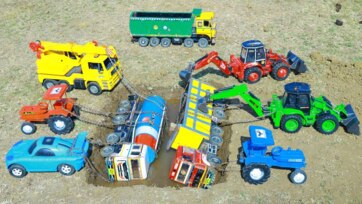
Sometimes, the cars tip over, crash, or get stuck under furniture. To a child, these obstacles are puzzles to solve. Should they rebuild the track? Push harder? Change the starting line? Every little problem solved in play boosts cognitive flexibility and critical thinking.
Even a simple track setup can teach cause and effect. A steep ramp leads to faster cars. A flat surface allows controlled movement. Children learn to experiment, observe results, and adjust actions—a foundation for scientific thinking.
Colors, Shapes, and Learning:
How Toy Cars Teach Visual Skills:
A lineup of toy cars also engages visual perception. Children notice differences in color, shape, and size, which enhances categorization skills. Asking questions like “Which car is the biggest?” or “Which color is fastest?” encourages attention to detail and early math concepts like comparison, sequencing, and counting.
Additionally, the bright colors often found in toy cars make play visually stimulating, which can maintain focus for longer periods, an essential skill for future academic tasks.
Encouraging Independent Play:
Building Confidence Through Choice:
Toy car races can be enjoyed alone or in groups. Independent play allows children to make choices freely: which car goes first, how fast to push, or how to design a track. Making these small decisions empowers children, building confidence and a sense of autonomy.
It’s a subtle lesson in responsibility as well. Cleaning up cars after play teaches organization, care for belongings, and respect for shared space.
Combining Learning With Fun:
Physical, Emotional, and Cognitive Growth:
Toy car races are deceptively simple. They combine physical activity (pushing cars), emotional engagement (imagining a story or racing against friends), and cognitive development (planning, sequencing, problem-solving). This type of holistic play is essential for balanced growth, especially in early childhood, when children learn best through hands-on exploration.
Parents and caregivers can support this by observing, asking guiding questions, or even joining in briefly without taking control—allowing the child to lead the play.
Making Everyday Races Meaningful:
Tips for Parents:
- Rotate cars and tracks to introduce novelty and avoid boredom.
- Encourage storytelling: every car has a backstory.
- Celebrate creativity, not just who “wins” the race.
- Use small challenges: ramps, bridges, and gentle obstacles develop problem-solving.
- Link colors, sizes, and numbers into play to introduce early math concepts naturally.
These small interventions turn a simple row of toy cars into a rich learning environment.
Conclusion: Tiny Cars, Big Lessons:
How Play Shapes a Child’s Future:
What seems like a casual race among toy cars is actually a mini-laboratory of learning. Children develop coordination, creativity, problem-solving, social skills, and resilience—all while having fun. The lines on the floor become racetracks, but also lines of imagination, lines of growth, and lines of early learning.
A simple set of toy cars teaches children that curiosity, play, and persistence go hand in hand. By celebrating small wins, encouraging storytelling, and allowing experimentation, parents can turn every tiny race into a lifelong lesson.
In the end, those little cars are more than toys—they’re vehicles for imagination, growth, and the joy of discovery.