Why Falling Is Part of Growing

Every child who learns to ride a bicycle knows this moment well. The little rider, helmet slightly crooked, hands scraped, tears rolling down, is not just having a bad day. This fall is a tiny but important lesson in courage, persistence, and resilience.

Parents often rush to comfort, clean the scrape, and pick up the bike. But it’s in that pause—where the child sits on the ground, wobbles, and cries—that real growth begins. Falling is not failure. It is feedback.

The Fear That Comes With Falling:

Understanding a Child’s Emotional Response:

Tears are more than pain—they are an emotional signal. A child may feel scared, embarrassed, or frustrated. Their confidence, which was building with each pedal, suddenly wavers.

Adults can guide by naming emotions: “I see you’re scared, it’s okay to cry.” Recognizing feelings teaches children that it’s normal to experience discomfort and that emotions can be managed. According to a 2022 study by the University of Lahore, children who are allowed to process minor accidents themselves tend to develop stronger problem-solving skills and emotional resilience.

Why Scrapes and Bruises Are Valuable:

The Physical Lessons of Falling:

Scrapes and bruises are the body’s reminders that balance, coordination, and strength take time to master. Falling trains reflexes: hands reach out instinctively, legs absorb impact, and the body recalibrates.

A small fall can teach better posture, steadier hands, and more cautious pedaling. Pediatricians emphasize that these early physical challenges, when supervised, reduce the risk of bigger injuries later because the child learns how to respond safely.

Encouragement Without Pressure:

How Adults Can Support Without Taking Over:

It’s tempting to rush in and fix everything. But sometimes the best help is giving the child space while offering gentle encouragement. Phrases like “You can try again” or “It’s okay, everyone falls when learning” foster autonomy and confidence.

This approach helps the child associate the bicycle not with fear but with challenge and achievement. In Pakistan, parents often overprotect during first riding lessons, unintentionally slowing skill development. A balanced approach, however, shows children that risk is manageable and failure is temporary.

Turning Tears Into Motivation:

The Mindset of Resilience:

Children who experience controlled setbacks early tend to grow into adults with higher resilience. Watching a small fall and learning to get back on the bike teaches persistence.

Psychologists call this “grit”—the ability to continue despite difficulty. A 2021 study in Karachi schools showed that children encouraged to handle minor failures independently scored 20% higher in confidence-based assessments. Falling and crying today becomes courage and self-reliance tomorrow.

The Role of Fun in Learning to Ride:

Making Practice Enjoyable Rather Than Stressful:

Cycling should never be associated with dread. Playful encouragement, turning small falls into funny stories, or racing with friends transforms frustration into joy. Laughter often follows tears, and joy reinforces persistence.

A child laughing after a fall is learning something profound: failure is temporary, fun is constant, and trying again is part of adventure.

Safety and Preparation:

Minimizing Risk While Learning:

Protective gear—helmets, knee and elbow pads—does more than prevent injury. They provide psychological reassurance, making children more willing to take calculated risks. Choosing safe practice areas, like quiet parks or empty roads, reduces danger while keeping the thrill intact.

Education experts stress that combining safety with freedom builds competence. When children feel protected but not controlled, they explore boundaries and develop problem-solving skills naturally.

Learning Life Lessons on Two Wheels:

Why a Fall Matters Beyond Cycling:

Falling from a bike is a microcosm of life. Children learn to handle setbacks, manage disappointment, and celebrate small victories. They internalize the lesson that mistakes do not define them; actions and responses do.

Parents who model calm responses, provide empathy, and encourage retries help children carry these lessons into school, friendships, and later challenges.

Making the Next Ride Smoother:

Steps to Rebuild Confidence:

  1. Pause and acknowledge feelings—don’t rush the child off the ground.
  2. Assess minor injuries calmly; provide care without drama.
  3. Encourage reflection: “What did you notice that caused the fall?”
  4. Guide gently back onto the bike; celebrate the attempt more than the success.
  5. Repeat in short, positive sessions to reinforce skill and confidence.

Through this method, children learn that falling is temporary, learning is continuous, and effort is what counts.

Final Thoughts for Little Cyclists and Their Families:

Turning Small Falls Into Big Growth:

The tears shed on that first ride are more than just sadness. They are evidence of courage, curiosity, and the willingness to try. Every scrape and wobble is a building block of resilience.

For families, the lesson is simple: patience, empathy, and encouragement matter more than rushing to prevent every fall. For children, the takeaway is profound: falling is not failing; it is learning.

Every time a little rider gets back on the bike, they pedal not just forward on the path, but forward in life.




Advertisement
Top Fruit Benefits for Children | Healthy Nutrition for Kids
Fruits are not just colorful snacks or dessert alternatives for kids. They are nature’s complete nutrient packages, packed with vitamins, minerals, antioxidants, and fibers that directly influence a child’s growth, immunity, brain development, and overall energy levels. Children are in a rapid growth phase, and each day their bodies demand nutrients not only for physical development but also for mental performance, digestion, and disease resistance. Regularly including fruits in their diet can make a tangible difference in these areas. In Pakistan, studies show that a significant number of children do not consume the recommended daily servings of fruits. This deficiency often leads to frequent illnesses, low energy levels, and even slower cognitive development. Fruits are not a luxury—they are a necessity for building strong bodies and sharp minds. Vitamins and Minerals in Fruits — The Growth Essentials: Fruits are packed with micronutrients that children’s bodies cannot produce on their own. Vitamin C, potassium, folate, and antioxidants are just a few examples. Vitamin C and Immunity: Citrus fruits like oranges, lemons, and sweet limes provide vitamin C, which strengthens the immune system and helps the body fight infections. For children, a strong immunity means fewer school absences and better energy levels for play and learning. Vitamin C also helps in the absorption of iron, which is crucial for blood health. Potassium for Heart and Muscle Function: Bananas, melons, and apricots are rich in potassium, which supports heart health and proper muscle function. Active children who play sports or run around all day benefit greatly from potassium because it maintains fluid balance and prevents cramps. Folate for Cellular Growth: Folate is vital for rapid cell division, which is constantly occurring in children. Fruits such as papaya, guava, and mango provide folate naturally, helping in growth, tissue repair, and proper organ development. Practical Tip: Instead of giving processed juices, serve fresh fruits whole. A banana before school, guava slices in lunch boxes, or a small bowl of papaya after meals gives both nutrients and fiber. Fiber in Fruits — Digestive Health and Satiety: Fruits are a rich source of dietary fiber, which is crucial for children’s digestive systems. Fiber promotes healthy bowel movements, prevents constipation, and supports gut bacteria that aid nutrient absorption. A healthy gut is not just about digestion; it influences immunity, mood, and even energy levels. Examples of Fiber-Rich Fruits: Apples with skin Pears Berries like strawberries and blueberries Guava Including these fruits in meals ensures children feel full for longer, reducing unnecessary snacking on sugar-laden foods. Serving Idea: Chop apples or pears into small cubes and mix with yogurt or oatmeal for breakfast. It’s an easy way to incorporate fiber without complaints. Antioxidants in Fruits — Brain and Body Protection: Children’s bodies generate free radicals through normal activity and metabolism. Fruits provide antioxidants that neutralize these free radicals, preventing cellular damage and supporting healthy brain and body development. Key Antioxidant Fruits: Blueberries and blackberries contain flavonoids that improve memory and learning. Mangoes and papayas contain carotenoids that support eye health and skin development. Pomegranates are rich in polyphenols that promote heart and blood vessel health. Real-Life Observation: Parents who give children a variety of colored fruits report higher attention spans, better mood stability, and fewer minor illnesses over time. Energy Boosters — Natural Sugars and Slow Release Carbs: Unlike candy or processed snacks, fruits contain natural sugars accompanied by fiber, vitamins, and water. This combination provides a slow, sustained energy release rather than a sugar crash. Examples: Bananas are ideal for pre-sports energy. Apples and pears provide steady fuel during school hours. Dates and raisins are excellent natural snacks for quick energy, especially during travel or outdoor activities. Parenting Tip: Mix dried fruits like raisins, apricots, and figs with nuts for a natural trail mix. It’s portable, healthy, and keeps kids active longer without processed sugar spikes. Seasonal Fruits — Aligning with Nature: Seasonal fruits are usually richer in nutrients and are naturally designed to support health during that time of year. Summer Fruits: Mangoes for vitamin A and energy Melons for hydration and potassium Lychee for vitamin C and immunity Winter Fruits: Oranges and guavas for immune support Apples and pomegranates for fiber and antioxidants Papaya to aid digestion and provide vitamin C Seasonal eating ensures that children’s bodies get the nutrients they need most during each season. Modern grocery habits often bring off-season fruits, which may not be as nutrient-dense. How Much Fruit Should Children Eat? Nutritionists recommend that children consume at least 2–3 servings of fruit per day, depending on age. Each serving can be roughly: 1 medium-sized fruit (apple, banana, orange) ½ cup chopped or sliced fruit ¼ cup dried fruit It’s better to offer small portions consistently throughout the day than to overload one meal with fruit. Variety across types and colors ensures a broader range of nutrients. Making Fruits Appealing to Children: Children may resist eating fruits for several reasons — texture, taste, or simply unfamiliarity. Some strategies to encourage consumption include: Presenting fruits in colorful, visually attractive plates. Offering them in different forms: sliced, diced, in smoothies, or mixed with yogurt. Introducing new fruits gradually alongside familiar favorites. Allowing children to participate in washing or cutting fruits, increasing curiosity and willingness to try. Creating a positive eating experience is often more effective than forcing children to eat. Fruits vs. Processed Snacks — The Health Perspective: Many children consume packaged snacks or sweetened juices, thinking they are equivalent to fruits. This is a common misconception. Processed snacks often contain high sugar, low fiber, and artificial additives. Whole fruits provide fiber, vitamins, minerals, and antioxidants along with natural sweetness. Consuming real fruits reduces cravings for unhealthy snacks, improves satiety, and supports long-term growth and immunity. Cognitive and Emotional Benefits: Fruits are not just for physical health; they affect mental and emotional development. Studies show that children who consume a variety of fruits regularly demonstrate: Improved concentration and learning ability Better emotional regulation Reduced fatigue and irritability Lower incidence of minor infections Colorful fruits like berries, pomegranate, and mangoes support neurodevelopment through antioxidants and micronutrients critical for brain function. Final Thoughts: Fruits are fundamental to children’s growth, health, and well-being. A balanced daily intake provides essential vitamins, minerals, fiber, antioxidants, and natural energy that support bone growth, immunity, brain development, digestion, and emotional stability. Parents should view fruits as daily health investments, not occasional treats. Mixing colors, textures, and seasonal varieties ensures a complete nutrient profile and makes eating enjoyable. By encouraging children to enjoy fruits naturally, you are laying the foundation for strong bodies, sharp minds, and healthy habits that can last a lifetime. Every child deserves a diet where fruits are not optional—they are essential. Start with small, consistent servings, diversify across colors and types, and integrate them into meals and snacks. The results are not only physical growth but enhanced immunity, cognitive function, and overall vitality.
Advertisement
The Digital Frontier of Early Learning
A Tapestry of Joy and Discovery In the rapidly evolving landscape of modern childhood, the intersection of education, entertainment, and digital storytelling has created a new frontier for development. For the youngest generation, the world is often first explored through vibrant, high-contrast visuals and characters that mirror their own curiosity and emotional complexity. This digital tapestry does more than just occupy time; it serves as a foundational tool for understanding social norms, logical reasoning, and the beauty of the natural world. Through carefully crafted scenarios—from the bustling morning rush to the quiet serenity of a bamboo forest—children are invited into a safe space where they can experiment with empathy, celebrate small victories, and develop the cognitive flexibility needed for a complex future. The Psychological Impact of Color and Contrast The use of a bold, saturated color palette is not merely an aesthetic choice; it is a strategic educational tool designed to capture and hold a child's developing attention. Primary Colors and Cognitive Identification Bright red, vibrant yellow, and deep blue serve as the primary anchors of a child's visual vocabulary. Radiant Red: Often used for central characters or high-energy objects, red demands immediate focus and is frequently associated with excitement or importance. Sunny Yellow: Representing warmth and optimism, yellow is the color of choice for friendly guides, playful chicks, and icons of morning light, fostering a sense of happiness and safety. Cool Blue: Whether in the form of a clear sky or a sturdy school bus accessory, blue provides a stabilizing contrast, helping children feel calm and secure amidst the action. Logical Sorting and Pattern Recognition By grouping objects by color—such as a line of trucks following a series of colorful eggs—educational media introduces the concepts of categorization and sets. This visual "logic" is the precursor to mathematical thinking, teaching children to recognize patterns and gradients long before they begin formal arithmetic. Social-Emotional Learning Through Character Expression Perhaps the most vital role of modern children's media is the teaching of empathy and emotional intelligence (EQ) through exaggerated character expressions. Identifying Complex Emotions Children often struggle to name their feelings. When they see a character with wide eyes and an open mouth, they instantly recognize the feeling of "surprise". The Look of Wonder: A character’s expression of awe when faced with something magical—like a sink full of treats—validates the child’s own sense of curiosity. Conflict and Resolution: When two characters are in distress, and a third—perhaps an authority figure in a uniform—steps in to mediate, children learn the basics of conflict resolution and the importance of helping others. The Power of a Smile: A wide, toothy grin from a toddler or a friendly animal reinforces the concept of joy and the positive social feedback that comes with a happy interaction. The Role of Friendship and Companionship Characters are rarely alone in these stories. Whether it is a trio of birds sitting on a branch or two friends sharing a car ride, the emphasis is always on togetherness. These narratives show that adventures are better when shared and that support from a peer is a fundamental part of the journey. The Intersection of Fantasy and Reality: Sensory Play The digital world often presents "impossible" scenarios that encourage imaginative play and sensory exploration. Tactile Visualization Even though a child cannot touch the screen, the high-quality rendering of textures allows their brain to "feel" the environment. Gooey and Slimy: The representation of purple "slime" dripping down a building or chocolate treats flowing from a faucet stimulates the child's sensory imagination. Soft and Fluffy: Seeing the downy feathers of a chick or the thick fur of a goat encourages a child to seek out similar tactile experiences in the real world. Turning Routines into Adventures By depicting a mundane activity—like washing up or going to school—as something filled with magic and color, these stories help reduce "routine anxiety". A monkey taking a shower becomes a moment of comedy, and a race to the bus becomes a heroic quest, making the real-life versions of these tasks feel more approachable for the child. Nature as an Interactive Classroom The agricultural and natural settings found in early learning media serve as a bridge to environmental awareness and biological curiosity. Connection to Living Things Interaction with farm animals—cows, goats, and roosters—teaches children that the world is inhabited by many different types of creatures, each with their own needs and behaviors. Gentleness with Animals: Seeing a toddler offer food to a goat or sit calmly near a rooster promotes the idea of "gentle hands" and respect for nature. Diversity of Life: The variety of animals, from the small chick to the large cow, helps children understand the concept of size, sound, and habitat. Environmental Stewardship The use of lush green landscapes, clear blue skies, and bamboo forests instills an early appreciation for the beauty of the outdoors. It encourages children to look at the trees and animals in their own backyard with a sense of wonder and a desire to protect them. Responsibility, Punctuality, and Life Skills As children age, their media begins to introduce more complex concepts like time, responsibility, and the systems that make society function. Mastering the Clock The presence of a large analog clock in a scene about a school bus is a direct lesson in punctuality. It helps children visualize how time passes and understand that certain events, like the arrival of the bus, happen on a schedule. Roles and Responsibilities Seeing characters in specific roles—a bus driver, a police officer, or a tractor driver—helps children understand the "helpers" in their community. It introduces the concept that everyone has a job to do and that working together makes the whole "farm" or "school" run smoothly. Conclusion: A Foundation Built on Wonder The digital world of early learning is more than just bright lights and catchy songs. It is a carefully architected environment that respects a child's intelligence while nurturing their sense of wonder. By combining the logic of sorting with the empathy of friendship and the magic of sensory imagination, these stories provide the building blocks for a well-rounded and curious individual. As children transition from these digital experiences to real-world playgrounds, they carry with them the lessons of the rainbow eggs, the friendly goats, and the timely school bus. They learn that the world is a place to be explored, that emotions are things to be shared, and that every morning—whether it involves a candy sink or a muddy puddle—is the start of a new and beautiful adventure.  
: Building Cognitive, Emotional, and Social Foundations
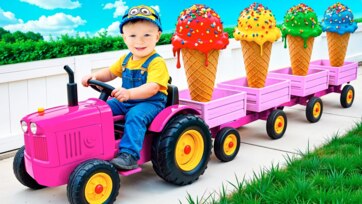
Modern educational media for young children has transformed into a sophisticated, visually immersive ecosystem that leverages bold imagery, anthropomorphic characters, and strategic social modeling. This approach doesn’t just entertain; it scaffolds cognitive development, social understanding, and emotional regulation, giving children concrete tools to navigate both their physical environment and complex social dynamics. Abstract concepts—like physics, economic disparity, and internal emotional states—are rendered tangible through playful, vibrant visuals, allowing children to learn through observation and interaction before they can articulate these ideas verbally. The following analysis explores the pedagogical themes in contemporary visual narratives, highlighting their impact on cognition, emotion, life skills, and environmental understanding. Cognitive Logic: Categorization, Sequencing, and Mechanics Visual stimuli are the engines of early logical development, helping children decode order, identify patterns, and understand physical interactions without relying on verbal instruction. By making abstract relationships visible, these media experiences build the foundation for reasoning, problem-solving, and critical thinking. Chromatic Reasoning and Sequential Understanding Color is more than decoration; it is a cognitive tool. Bold primary palettes guide children in categorization, attribute recognition, and sequential thinking. Sequential Sorting: For example, a child navigating a pink tractor pulling a train of multicolored ice cream trailers—red, yellow, green, and blue—learns to track order, group like items, and understand progression. Anatomical Exploration: Glowing skeletons in bright hues introduce anatomy in a non-threatening way, helping children recognize structure, symmetry, and individual differences within a category. Identity Mapping: Characters holding objects shaped like themselves—a white creature clutching an orange popsicle in its silhouette—teach children to connect identity with representation and temporal awareness, especially when paired with “1 HOUR” or “2 HOURS” timestamps. This approach encourages children to actively search for patterns and make connections, creating mental frameworks for later math, science, and literacy skills. Mechanical Concepts and Collaborative Problem-Solving Interactive mechanical scenarios illustrate the principles of physics and teamwork in tangible ways. Complex Recovery Operations: Visuals of a crane, tractor, and excavator working together to free two mud-stuck trucks teach concepts like leverage, tension, and coordination. Children understand that multi-part problems often require collaborative effort. Interdependent Systems: A baby suspended amid interlocking gears demonstrates how elements in a system rely on one another, providing an intuitive grasp of mechanics and cause-effect relationships. Forces and Opposition: Tug-of-war scenes, with characters pulling on ropes attached to oversized scissors, illustrate opposing forces, resistance, and the balance of effort in a memorable, playful format. Rules and Authority: Depictions of “police babies” or law-enforcing animals managing scenarios—like guiding a mermaid on a beach—introduce children to social roles and communal responsibility in a vivid, approachable way. Through these visuals, children gain an early appreciation for structure, interdependence, and the practical applications of physics in everyday life. Social-Emotional Learning (SEL): Reflection, Empathy, and Resilience Visual media provides a vocabulary for internal states, helping children recognize, process, and communicate emotions. By presenting exaggerated expressions and fantastical scenarios, these narratives allow children to safely explore fear, excitement, and moral choices. Mirroring Complex Emotions Children often lack the language to articulate feelings, so visuals serve as emotional translators. Shock and Surprise: Wide-eyed, gasping characters reacting to a T-Rex in a living room or a strawberry with a missing chunk signal alarm and teach children that such responses are universal. Environmental Awareness: The contrast between a startled character and a calm large bee models that individuals react differently to the same stimulus, introducing perspective-taking. Social Horror and Transformation: Watching a peer’s cup-headed transformation or a drastic physical change sparks discussion about exclusion, fear of the unknown, and social adaptation. Identity Boundaries: Characters with glowing eyes or fangs allow exploration of “otherness” and the act of masking emotions, offering a framework for understanding differences among peers. By normalizing a wide range of responses, children develop coping strategies and resilience when facing unexpected situations. Modeling Empathy and Care Beyond self-awareness, these narratives provide visual templates for nurturing and cooperation. Caring for Others: Scenes of one child bringing lemon water and a thermometer to a sick peer teach empathy, attention to needs, and practical care routines. Environmental Stewardship: A child shielding a lamb from rain demonstrates responsibility for protecting weaker or vulnerable beings. Cross-Species Interaction: Animals playing sports or sharing toys illustrate collaboration, patience, and empathy beyond human interactions, expanding social understanding and reinforcing ethical behavior. These visual lessons create a feedback loop where children see compassionate behavior, practice it in play, and internalize social norms. Life Skills: Hygiene, Responsibility, and Community Transforming routine tasks into imaginative adventures reduces resistance to societal expectations and health habits. Hygiene as Play Invisible threats like germs are brought to life as fun, tangible villains, turning health routines into empowerment exercises. Automated Cleaning: A police dog navigating a car wash with giant brushes reinforces the habit of systematic cleaning, linking maintenance with playfulness. Joyful Hygiene: Bathing scenes with colorful bubbles and smiling creatures associate personal care with sensory enjoyment, reducing aversion and building positive habits. Financial Literacy and Social Roles Introducing social and economic structures visually helps children grasp inequality, labor, and responsibility. Economic Symbolism: Contrasting characters with stacks of money and “money houses” against peers with brooms and cardboard homes provides early exposure to wealth disparity and aspiration. Authority and Fairness: Recurrent imagery of “police babies” and animal officers distributing resources like heart-shaped pizzas underscores fairness, rule-following, and communal cooperation. Through playful scenarios, children begin to understand responsibility, social participation, and the consequences of action in structured environments. Environmental Literacy and Resource Awareness Visual narratives foster respect for nature and the origins of resources while promoting curiosity and ecological thinking. Agricultural Systems: A monkey transporting a banana harvest introduces the labor chain behind food production, highlighting cause-effect relationships and resource management. Communal Rewards: Sharing heart-shaped pizzas among characters illustrates the social value of generosity, cooperation, and collective joy. Biodiversity and Wonder: Feeding giraffes, encountering calves, or observing prehistoric creatures nurtures curiosity, empathy for living beings, and a sense of interconnectedness with the natural world. By integrating human, animal, and ecological perspectives, children develop early environmental literacy, laying the foundation for future stewardship. Conclusion: Bridging Screens and Reality The visual landscape of modern early childhood media is a carefully curated tapestry, supporting holistic development. Saturated colors teach logic, expressive faces validate emotions, and cooperative challenges model teamwork. Beyond entertainment, these narratives act as bridges between digital screens and real-world experiences, equipping children with cognitive, social, and emotional skills in a layered, interactive format. Whether navigating colorful ice cream trailers, rescuing stuck vehicles, or caring for peers and animals, children develop a robust foundation—one visual frame at a time—preparing them to approach life with curiosity, empathy, and confidence.  
Dry Fruits for Kids: Essential Nutrients for Growth and Immunity
Dry fruits are small but power-packed nutritional treasures that offer a concentrated source of vitamins, minerals, antioxidants, healthy fats, and proteins. For children, incorporating dry fruits into their daily diet can significantly support growth, brain development, immunity, and overall health. Unlike fresh fruits, dry fruits are denser in nutrients, making them ideal snacks for busy school days, outdoor activities, and as a complement to meals. In Pakistan, dry fruits like almonds, walnuts, cashews, raisins, pistachios, and dates are widely available and are traditionally considered excellent for children’s growth. However, many parents are unaware of the best types of dry fruits, portion sizes, and ways to serve them safely. This guide explores the top dry fruits for kids, their benefits, and practical ways to include them in daily meals. Almonds — Brain and Bone Booster Almonds are rich in vitamin E, magnesium, calcium, and protein, making them an excellent choice for children’s brain development and bone health. Vitamin E is a powerful antioxidant that protects cells from damage, supports immunity, and improves cognitive function. Magnesium and calcium together strengthen bones and teeth, promoting healthy growth. Serving Tips: Soak 4–6 almonds overnight, peel them, and serve in the morning. Grind soaked almonds into a paste and mix with milk or yogurt for a nutrient-rich smoothie. Chop almonds into breakfast cereals, oatmeal, or fruit salads for added crunch. Health Benefits:Almonds enhance memory, learning ability, and bone strength, making them an essential dry fruit for school-age children. Walnuts — Brain and Cognitive Development Walnuts are an excellent source of omega-3 fatty acids, protein, and antioxidants, which are crucial for brain development. Omega-3s support learning, memory, and concentration, making walnuts a must-have during early and middle childhood when cognitive development is rapid. Serving Tips: Serve 2–3 walnut halves daily as a snack. Grind walnuts and mix into milk, yogurt, or porridge for added nutrition. Add chopped walnuts to baked goods or energy bars for children. Health Benefits:Regular walnut consumption improves brain function, focus, and mental alertness, supporting academic performance and learning. Cashews — Energy and Immune Support Cashews provide healthy fats, protein, iron, and zinc, which support energy production, immunity, and growth. They are slightly softer than other nuts, making them suitable for younger children who may have difficulty chewing harder nuts. Serving Tips: Serve a small handful (5–7 cashews) daily. Blend cashews with milk or yogurt to make creamy shakes. Use cashews in savory dishes, khichdi, or rice for extra nutrients. Health Benefits:Cashews help maintain energy levels, muscle growth, and strong immunity, essential for active children. Pistachios — Eye Health and Immunity Pistachios are rich in vitamins A, E, potassium, and fiber. Vitamin A supports vision development, while antioxidants boost immunity. Fiber improves digestion and helps maintain healthy blood sugar levels, even with natural sugars from fruits included in the diet. Serving Tips: Serve a small portion (5–7 pistachios) as a snack. Chop pistachios and add to yogurt, smoothies, or fruit salads. Use pistachios in desserts or energy balls for a nutrient boost. Health Benefits:Pistachios enhance vision, digestion, and immunity, making them a versatile and tasty option for kids. Raisins — Natural Energy and Iron Boost Raisins are dried grapes and are rich in natural sugars, iron, and antioxidants. Iron is crucial for hemoglobin production, which prevents anemia and keeps children energetic. Raisins also provide quick energy, making them ideal for school snacks and outdoor activities. Serving Tips: Mix a small handful of raisins into oatmeal, yogurt, or cereals. Serve as a midday snack with nuts for balanced energy. Add to homemade energy bars or muffins. Health Benefits:Raisins prevent fatigue, anemia, and low energy, supporting active growth and performance in school and sports. Dates — Immunity and Growth Support Dates are a rich source of potassium, iron, fiber, and antioxidants. They provide instant energy, support digestion, and strengthen immunity. Dates are particularly useful during cold months or when children need an energy boost before school or sports. Serving Tips: Serve 2–3 dates as a natural sweet snack. Chop dates into oatmeal, smoothies, or milkshakes. Blend dates with nuts to make energy balls for a healthy treat. Health Benefits:Dates improve digestion, immunity, and growth, while also providing natural sweetness without added sugar. Hazelnuts — Heart and Brain Health Hazelnuts are rich in vitamin E, healthy fats, protein, and magnesium, which support brain development, heart health, and strong bones. Their crunchy texture and mild flavor make them suitable for older children as a snack. Serving Tips: Chop or grind hazelnuts into milk or smoothies. Add to breakfast cereals, oatmeal, or baked goods. Serve a few whole hazelnuts daily for snack-time nutrition. Health Benefits:Hazelnuts enhance memory, brain function, and cardiovascular health, supporting long-term wellness. Apricots — Vision and Immune Support Dried apricots are high in vitamin A, iron, and fiber, which are important for vision, immunity, and digestion. They are soft, sweet, and easy to chew, making them suitable for younger children as well. Serving Tips: Serve a few dried apricots daily as a snack. Chop and mix into cereals or yogurt for added sweetness and nutrients. Include in homemade energy bars or puddings. Health Benefits:Apricots support eye health, digestion, and immunity, while providing a natural source of energy. Figs — Digestive and Bone Support Figs are rich in calcium, potassium, fiber, and antioxidants. They support bone growth, digestion, and immunity, making them ideal for growing children. Their chewy texture and natural sweetness make them a perfect snack or dessert addition. Serving Tips: Serve 2–3 dried figs daily. Chop figs into yogurt, cereals, or oatmeal. Blend with milk and nuts to make a nutrient-rich smoothie. Health Benefits:Figs improve bone strength, digestion, and overall growth, supporting healthy childhood development. Practical Tips for Including Dry Fruits in Children’s Diet Moderation is Key: Dry fruits are calorie-dense; small portions (5–10 pieces of nuts or 2–3 dates) are enough daily. Soak Hard Nuts: Almonds and walnuts can be soaked overnight to improve digestibility. Combine with Meals: Mix nuts and dried fruits with cereals, yogurt, or milk for added nutrition. Homemade Energy Balls: Blend nuts, dates, and raisins to make healthy snacks that kids love. Avoid Added Sugar: Use natural sweetness from dried fruits rather than sugary packaged snacks. Introduce Gradually: Introduce one type of dry fruit at a time, especially for younger children, to avoid allergies. Benefits of Dry Fruits for Kids Bone and Teeth Development: Almonds, cashews, and figs provide calcium and magnesium. Brain Development: Walnuts, almonds, and hazelnuts enhance memory and concentration. Immunity Boost: Dates, apricots, and raisins provide antioxidants and vitamins. Energy Support: Dates, raisins, and cashews give natural, sustained energy. Digestive Health: Figs, apricots, and raisins are rich in fiber, improving gut health. Conclusion Dry fruits are a powerful and convenient source of nutrition for children. Almonds, walnuts, cashews, pistachios, raisins, dates, hazelnuts, apricots, and figs offer concentrated vitamins, minerals, protein, healthy fats, and antioxidants essential for growth, immunity, brain development, and energy. Parents should focus on moderation, variety, and preparation techniques such as soaking nuts or combining them with milk, yogurt, cereals, or smoothies. Incorporating dry fruits into the daily diet ensures children grow stronger, stay active, think sharper, and maintain healthy immunity, laying the foundation for a healthy and energetic childhood. With thoughtful inclusion, dry fruits become more than snacks—they are daily nutrient boosters that support a child’s growth, cognitive development, and overall wellbeing.  
Daily Dairy Benefits for Kids: Milk, Yogurt, and Cheese
Children’s growth, immunity, and energy depend heavily on the foods they consume. Among all options, dairy products like milk, yogurt, and cheese are unmatched because they provide a natural combination of protein, calcium, vitamins, and healthy fats essential for physical and cognitive development. Regular dairy consumption supports strong bones, teeth, muscles, immunity, and brain function. Milk — The Foundation of Growth Milk is rich in calcium, protein, vitamins B12 and D, phosphorus, and potassium, all critical for healthy growth. Children need calcium for strong bones and teeth, especially during rapid growth phases. Vitamin D in fortified milk enhances calcium absorption and supports immune function and bone development. Serving Tips: Serve a glass of milk in the morning or with meals. Blend milk with seasonal fruits for natural smoothies. Use in cereals, oatmeal, or soups to add nutrients without extra sugar. Health Benefit:Milk provides sustained energy, bone strength, and cognitive development, making it essential for daily consumption. Yogurt — Probiotics for Digestion and Immunity Yogurt is fermented milk, rich in probiotics, calcium, and protein, which aid digestion and enhance nutrient absorption. Regular yogurt consumption supports gut health, immunity, and growth, especially for children with sensitive digestion. Serving Tips: Serve plain yogurt with fruits or honey (for children above one year). Use yogurt as a base for smoothies or frozen yogurt popsicles. Include in breakfast bowls with oats or cereals. Health Benefit:Probiotics in yogurt promote healthy gut bacteria, improved digestion, and strong immunity. Cheese — Protein and Calcium Power Cheese is a concentrated source of protein, calcium, and phosphorus, supporting bone and muscle development. It also provides healthy fats, essential for energy and brain development in children. Serving Tips: Include cheese in sandwiches, wraps, or grilled meals. Serve cubes as a snack with fruits or crackers. Use grated cheese on vegetables or pasta to increase calcium intake. Health Benefit:Regular cheese consumption supports bone strength, muscle development, and energy, making it a versatile addition to meals. Dairy for Brain Development Dairy products supply high-quality protein and healthy fats, which are vital for brain growth. Omega-3 fortified milk and full-fat dairy support cognitive development, memory, and learning ability. Including dairy in breakfast or snacks enhances focus during school hours. Practical Tips: Prepare smoothies with milk, yogurt, and fruits. Add milk or cheese to savory dishes for extra nutrition. Serve dairy-based puddings or custards occasionally as nutrient-rich treats. Dairy for Immunity Vitamin A, vitamin D, zinc, and protein from dairy boost the immune system, helping children fight infections and recover faster from illnesses. Regular dairy consumption reduces the risk of frequent colds and infections in school-age children. Serving Tips: Pair dairy with vitamin C-rich fruits like oranges or kiwi in smoothies. Offer yogurt after meals to support digestion and immunity. Tips for Including Dairy in Daily Diet Variety: Use milk, yogurt, cheese, and paneer to provide diverse nutrients. Fortified Products: Choose vitamin D or omega-3 fortified options for extra benefits. Avoid Added Sugar: Use natural sweetness from fruits instead of sugary flavored milk or yogurt. Meal Integration: Add dairy in cereals, smoothies, cooking, or snacks for convenience. Portion Size: Children aged 4–8 need 2–3 cups of dairy daily; adjust for older children. Conclusion Daily consumption of dairy products like milk, yogurt, and cheese provides children with essential nutrients for bone health, muscle growth, immunity, and brain development. Parents should focus on fresh, fortified, and naturally served dairy, using creative meals and snacks to ensure children enjoy them. Dairy is not just a food; it is a daily growth booster, supporting active, healthy, and strong children.
The Transformative Role of Visual-First Learning in Early Childhood Development
In contemporary early childhood pedagogy, the "visual-first" approach has emerged as a dominant force in cognitive and social-emotional development. By leveraging high-contrast digital art, relatable anthropomorphic characters, and strategic social modelling, modern educational media creates a multi-layered learning environment designed to nurture the "whole child." This extensive visual ecosystem functions as a form of cognitive scaffolding, providing children with the mental blueprints necessary to interpret complex physical mechanics, navigate social friction, and regulate intense internal emotions. The following analysis explores the pedagogical themes present in these visual narratives, emphasising practical examples, developmental connections, and extended scenarios. Cognitive Logic: Categorisation, Attributes, and Physics Visual stimuli are the engines of early learning, allowing children to decode logical structures such as order, attribute matching, and cause-and-effect long before they develop verbal or mathematical literacy. Chromatic Logic and Attribute Isolation The deliberate use of saturated, bold colour palettes facilitates categorisation and foundational set theory. Sequential Sorting: Large-scale visuals, such as a child driving a pink tractor pulling trailers of red, yellow, green, and blue ice cream cones, reinforce colour recognition alongside linear sets and sequential order. Activities like these prime children for early math skills, including grouping and ordering. Anatomical Visualization: Stylized, glowing skeletons in bright primary colors provide a playful introduction to human anatomy, helping children distinguish between structural forms while connecting visuals to the real human body. Temporal and Identity Association: High-contrast graphics, such as a white creature holding an orange popsicle that mirrors its shape, help children associate objects with identity markers and understand duration through "1 Hour" timestamps. This supports early concepts of time and object permanence. Pattern Recognition and Prediction: Repeated visual motifs—like a red ball bouncing over alternating colored platforms—train children to recognise patterns and anticipate outcomes, which is a critical cognitive skill for later problem-solving. Mechanical Principles and Collaborative Problem-Solving Toy-based scenarios involving machinery and physical obstacles teach basic physics and the value of teamwork. Complex Recovery Operations: Two large trucks stuck in a mud pit, being pulled out by a yellow crane, a red tractor, and excavators, illustrate leverage, tension, and cooperative problem-solving. Children visually internalise that some challenges require multiple agents working together. Interconnected Systems: A baby suspended in a series of interlocking gears introduces the idea that machines rely on coordinated parts, laying early groundwork for engineering and mechanical thinking. Force and Physics: Scenes depicting multiple characters in a tug-of-war with a rope tied to giant scissors illustrate tension, opposing forces, and collective effort, creating an intuitive understanding of basic physics concepts. Social Order and Authority: Imagery of "police babies" carrying a struggling mermaid or a police dog chasing a candy thief teaches cause-and-effect reasoning and familiarises children with community roles that maintain safety and fairness. Social-Emotional Learning (SEL): Mirroring and Resilience Modern children’s media provides a visual vocabulary for internal states, allowing children to identify, validate, and communicate complex emotions. Validating Fear and Anxiety Exaggerated facial expressions and surreal scenarios serve as psychological mirrors. Visual Shorthand for Shock: Wide-eyed, gasping expressions in response to a giant T. rex in a living room or a massive bee in a forest serve as visual metaphors for processing unexpected events. Social Horror and Transformation: Characters witnessing a peer’s cup-headed transformation help children discuss exclusion or anxiety over social change. Masking and "Otherness": Imagery of characters with fangs or glowing eyes encourages conversations about the "masking" of emotions and being "different," fostering empathy and self-awareness. Managing Health, Empathy, and Protection Simulated social scenarios teach care, responsibility, and ethical behaviour. Caring for the Sick: A character bringing lemon water and a thermometer models empathy and supports understanding of illness management. Environmental Protection: A child sheltering a lamb from rain introduces responsibility for more vulnerable beings. Interspecies Care: Bathing a blue, purple-haired creature reinforces hygiene as a joyful, nurturing act, linking responsibility with positive emotion. Conflict Resolution: Scenes of characters negotiating access to shared toys provide a framework for turn-taking, compromise, and expressing emotions constructively. Life Skills: Personal Responsibility and Community Visual media transforms everyday tasks and social roles into engaging learning experiences. Hygiene Education and "Health Heroes" Abstract health concepts become tangible and playful. Visualising Germs: Large, green, spiky "virus" monsters make invisible pathogens concrete, illustrating the importance of hand-washing and hygiene routines. Empowered Defence: Children using toy blasters to fend off germs frame health practices as active, engaging, and empowering. Automated Care: Police dogs driving through car washes with colourful brushes reinforce maintenance routines as a part of responsibility and self-care. Financial Literacy and Social Roles Early exposure to concepts of wealth, labour, and social responsibility. Symbolism of Economic Disparity: Children depicted with stacks of cash versus those with brooms or cardboard homes illustrate social roles and economic differences. Creative Expression: Surrealist visuals, like stylised female faces incorporated into fashion items, encourage artistic exploration and understanding of design principles. Team-Based Tasks: Scenes showing characters running small businesses or managing markets provide visual lessons in cooperation, responsibility, and community participation. Biodiversity and Communal Rewards Nature-based themes and communal activities introduce children to environmental literacy and the value of shared experiences. Agricultural Origins: A monkey transporting bananas via tractor teaches the concept of farm-to-table logistics and the origins of food resources. Communal Rewards: A police dog serving a heart-shaped pizza to peers underscores collaboration, generosity, and social joy. Animal Interaction: Feeding a giraffe or interacting with a calf encourages respect for biodiversity and stimulates curiosity about living creatures. Environmental Stewardship: Scenes where children plant seeds or care for gardens link visual engagement with sustainable behaviours and awareness of ecological cycles. Conclusion: The Integrated Blueprint for Development The visual landscape of early learning is a carefully constructed tapestry, targeting the development of the "whole child." Saturated colours teach logic, expressive faces teach empathy, collaborative play teaches physics, and interactions with nature foster respect for life and the environment. Each scenario bridges digital media and the physical world. Whether children are sorting colourful ice cream trailers, helping peers, or sheltering animals, they internalise lessons in cognition, social-emotional understanding, life skills, and environmental literacy. Over time, this foundation cultivates confident, adaptable learners capable of navigating the complexities of the real world—one visual frame at a time.
The Heartwarming World of Little Explorers
A Day in the Meadow Imagine a world where the sun always shines, the grass is forever green, and the animals are your best friends. In the vibrant image before us, we see a beautiful snapshot of childhood wonder. A cheerful toddler, dressed in a bright yellow hoodie and blue shorts, is kneeling in a lush meadow, surrounded by a group of friendly goats. This isn't just a picture; it’s a story about curiosity, the bond between humans and nature, and the simple joys of being young. The Magic of First Encounters For a young child, every moment is a brand-new discovery. The toddler in the image, with his wide eyes and gentle smile, is experiencing the magic of meeting animals up close. This is a crucial part of growing up, as it teaches children about the world beyond their own homes. Developing Empathy Through Animals When a child interacts with an animal, they begin to understand that other living beings have feelings too. By reaching out his hand to feed or pet the goat, the little boy is practicing kindness. This early connection helps build a foundation for empathy that will last a lifetime. Sensory Exploration in Nature The meadow is a playground for the senses. The Feel: The soft fur of the goats and the tickle of the grass. The Sight: The explosion of colors from the orange and purple wildflowers. The Sound: The gentle "baa-ing" of the goats and the rustle of the leaves in the large oak tree. Understanding Our Animal Friends The goats in this scene are more than just background characters; they are participants in a peaceful gathering. Goats are known for being curious and social creatures, much like the little boy himself. Why Goats are Great Companions Goats are often used in petting zoos because they are generally gentle and inquisitive. In the image, we see goats of different colors—brown, white, and black-and-white. This variety shows the child that even though we look different on the outside, we can all hang out together in the same field. The Language of the Herd Looking closely at the goats, you can see them leaning in. They aren't scared; they are interested! They use their ears and their tails to communicate. By observing them, the child learns to read body language, an important skill for social development. The Importance of Outdoor Play In today’s world of screens and gadgets, an image like this reminds us how vital it is for children to get outside. The great outdoors is the best classroom a child can have. Physical Growth and Coordination Notice how the toddler is kneeling and balancing himself. Playing on uneven surfaces like a grassy meadow helps children develop their motor skills and physical strength. Whether it's chasing a goat or picking a flower, every movement helps them grow stronger. Boosting Creativity and Imagination In a field like this, a child isn't just sitting; they are adventuring. That big tree in the background could be a giant's castle, and the goats could be his royal guards. Nature provides "loose parts"—sticks, stones, and leaves—that allow a child's imagination to run wild. A Lesson in Environment and Ecology Even at a young age, children can start to learn about the environment. This picture represents a healthy, thriving ecosystem where animals and plants live in harmony. The Role of Trees and Plants The massive tree behind the boy isn't just for shade. It provides a home for birds, oxygen for us to breathe, and a sense of scale to the world. The wildflowers provide food for bees and butterflies, showing the child that everyone has a job to do in nature. Sustainable Living and Farming Scenes like this often remind us of farm life. It introduces the concept of where our food and clothes come from. Seeing a goat might lead to a conversation about goat's milk or the wool used to make warm sweaters. It connects the child to the cycle of life. The Psychology of Color in Children's Media The artist of this image used very specific colors to make us feel happy and safe. This is often called "color psychology," and it plays a huge role in how children perceive their environment. Why Yellow and Blue? Bright Yellow: The boy’s hoodie is yellow, which is the color of happiness, optimism, and energy. It makes the character stand out as the "hero" of the scene. Calming Blue: His blue shorts and the clear blue sky provide a sense of calm and stability, balancing the excitement of the yellow. The Greenery of Growth Green is the most prominent color in the image. It represents health, safety, and the natural world. For a child, a green space feels like a "safe zone" where they are free to explore without many rules. Safety and Supervision While the image is full of joy, it also highlights the importance of safe exploration. The child is close enough to touch the animals, but the scene feels controlled and peaceful. Learning Boundaries Part of interacting with nature is learning "no-touch" zones. Parents can use scenes like this to teach children that while the brown goat is friendly, we must always move slowly and speak softly so we don't startle our animal friends. The Role of the Guardian Although we don't see an adult in the frame, we can imagine one nearby, capturing this beautiful moment. It reminds us that children need the freedom to explore, but the security of knowing someone is there to catch them if they stumble. Conclusion: A Moment Captured in Time This image is a celebration of childhood. It captures the fleeting years where a goat is a giant, a meadow is a kingdom, and a simple afternoon is a grand adventure. It encourages us all—both children and adults—to slow down, breathe the fresh air, and appreciate the living world around us. Through the eyes of this little boy, we see a world that is kind, colorful, and full of wonder. It’s a reminder that the best toys aren't made of plastic, but of fur, feathers, and leaves.
Advertisement
A Story of Helping and Teamwork!
Welcome back, little adventurers! Today, we are looking at a very important picture. It shows three brave friends who work hard to keep everyone safe. You might recognize them—they are members of the Rescue Team! This story is all about how heroes help us, how they work together, and why it’s important to be kind to one another. Meet the Heroic Rescue Pups In our new picture, we see three amazing dogs. They aren't just pets; they have very special jobs! The Brave Police Officer Right in the middle is the big, tall dog in the bright blue uniform and a police hat. His job is to protect the city, help people find their way when they are lost, and make sure everyone follows the rules so we all stay safe. Look at his face—he looks a little worried! That’s because he is trying to help his two friends solve a problem. The Firefighter in Training On the right side, there is a smaller pup wearing a bright orange and red suit with a firefighter's hat. Firefighters are very brave! They put out fires and rescue people (and kittens!) from high places. He looks very serious and a bit loud—maybe he’s trying to explain something very important! The Helpful Police Assistant On the left side is another small pup in a blue uniform. He is the partner to the big officer. Even though he is small, he is very strong and ready to help. Solving Problems Together Sometimes, even heroes have disagreements. In the picture, the two smaller pups are pulling on the big officer’s hands. It looks like they might be arguing about which way to go or how to solve a puzzle. Learning to Listen The big officer in the middle is acting like a peacemaker. Instead of getting angry, he is standing right in the middle to help his friends calm down. This is a great lesson for all of us: Stop: When we are upset, we should stop moving. Breathe: Take a deep breath like the big dog. Talk: Use our words to say how we feel instead of pulling or shouting. The Power of Teamwork To save the day, the Rescue Team has to work together. The police dog needs the firefighter, and the firefighter needs the police dog. In the end, they will shake paws and become a team again! Why We Love Community Helpers Community helpers are people (or in this case, pups!) who have jobs that help our neighborhood. They Keep Us Safe Whether it's the police pup or the fire pup, their main goal is making sure you are okay. They wear bright uniforms so we can find them easily if we ever need help. They Use Cool Tools Look at their hats and badges! These aren't just for show. The Police Badge: Shows they are official helpers. The Fire Suit: Protects them from heat and water. The Police Cap: Keeps the sun out of their eyes so they can see everything clearly. They are Always Kind Even when things are difficult, heroes are kind. They help old ladies cross the street and help children find their parents. Colors of Safety Just like in our last story, colors tell us a lot about what is happening! Blue: This is the color of the police. It stands for trust and calmness. When you see a blue uniform, you know someone is there to help. Orange and Red: These are the colors of the fire department. They are bright so that everyone can see the firefighter coming through the smoke or the dark. Yellow: The pups' fur is yellow, which reminds us that they are friendly and happy inside, even when they are working hard. How Can You Be a Hero Too? You don't need a uniform to be a hero! You can be a hero in your own home every single day. Helping at Home You can be like the Police Pup by making sure your toys are put away so nobody trips on them. That keeps your family safe! Being Brave You can be like the Firefighter Pup by trying something new, like eating a new vegetable or learning to ride a bike, even if you are a little bit scared at first. Being a Peacemaker If you see your friends or siblings arguing, you can be like the Big Officer. You can say, "Let's all be friends and play together!" Conclusion: Friendship is the Greatest Superpower Whether we are exploring a bamboo forest with Chicky, feeding goats in a meadow, or helping out with the Rescue Pups, the most important thing is friendship. The world is a much better place when we help each other and work as a team. The Rescue Pups might be having a little argument right now, but we know they will solve it and go back to saving the city soon. Because that’s what heroes do!