How Cartoons Teach Kids Real-Life Skills

In today’s world of early childhood learning, cartoons are more than just fun—they are powerful tools that help children understand the world around them. Bright colors, friendly characters, and simple stories provide a visual framework that supports thinking, social skills, and emotional growth. By watching cartoons, children can explore problem-solving, teamwork, and feelings in a safe, imaginative space.

Cartoons are a bridge between imagination and real life. They allow children to observe and practice skills that would otherwise be challenging to explain verbally. Every playful adventure, colorful character, and small challenge on screen becomes a stepping stone in learning. This article explores how cartoons can help children develop cognitive, social, and practical life skills, organized into key areas of growth.

Cognitive Skills: Patterns, Colors, and Cause-and-Effect

Children naturally learn through observation, and cartoons offer repeated, structured visual cues to make sense of logic and order.

Color Recognition and Sorting
Characters, objects, and scenes use bold colors to teach kids how to group items. For instance, a cartoon might show a character matching green paint with a superhero costume or arranging toys by shape and color. These exercises help children develop early skills in categorization and logical thinking, which are essential for school readiness.

Sequences and Order
Scenes with trains, vehicles, or moving objects show predictable sequences. Children begin to recognize that events follow a pattern, learning early numeracy and problem-solving skills without even knowing numbers. For example, a storyline may show a pink train pulling colored ice cream cones in a particular order, teaching kids the concept of sequences and progression.

Cause-and-Effect Thinking
Storylines where a character’s actions lead to consequences help children understand cause and effect. A dog chasing a candy thief, a cat causing a playful mess, or a character cleaning up a spill illustrates the natural consequences of choices, teaching responsibility in a relatable way.

Understanding Machines and Tools
Cartoons featuring simple machinery, gears, or vehicles introduce basic physics and mechanics. Children see how parts work together—like a gear turning another gear or a tractor moving a crate—helping them understand interconnected systems. Even playful depictions of a baby navigating a moving cart or toy crane subtly teach problem-solving and spatial awareness.

Social-Emotional Skills: Understanding and Managing Feelings

Cartoons give children a visual language for emotions they may not yet have words for. Watching characters experience joy, fear, or frustration helps children process their own feelings in a safe space.

Facing Fears
Characters facing nighttime fears or small surprises demonstrate that anxiety is normal. For example, a child reacting to a large, imaginary T-Rex outside the window helps kids understand and talk about their own fears. Seeing characters overcome minor fears gives children confidence to manage similar situations in real life.

Medical and Real-Life Anxiety
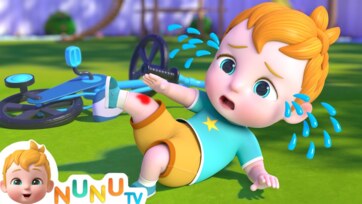
Storylines that include doctor visits, minor injuries, or vaccinations teach children that healthcare is safe and necessary. Watching a character cry during a shot, then smile afterward, normalizes nervous feelings while showing positive coping strategies.

Social Awareness and Empathy
Characters interacting with peers provide models for sharing, turn-taking, and helping others. For instance, when a panda offers food to a worried lion or animals cooperate to solve a problem, children learn to recognize others’ emotions and respond appropriately.

Handling Change and Unexpected Events
Surprising events in cartoons, like a character transforming or an environment suddenly changing, help children develop flexibility and resilience. They learn that it’s normal to face change and that problems can often be solved with creativity or help from friends.

Life Skills: Responsibility, Hygiene, and Creativity

Cartoons make everyday tasks engaging, turning learning moments into memorable stories.

Hygiene and Health Awareness
Invisible germs can be hard for children to imagine, but cartoons bring them to life as playful villains. Kids watch characters battle “germ monsters” with toothbrushes, soap, or handwashing, teaching the importance of hygiene in a fun and empowering way. This approach reduces resistance to daily routines like brushing teeth or washing hands.

Role-Playing Jobs and Community Contributions
Cartoons featuring pilots, police officers, train conductors, or farm managers teach children that everyone contributes to a community. Watching characters fulfill responsibilities fosters respect for work, encourages initiative, and inspires kids to explore potential future roles. Even simple play, like a child “piloting” a cardboard airplane, encourages creativity while reinforcing the concept of agency and responsibility.

Problem-Solving and Decision-Making
Characters navigating obstacles, solving mysteries, or organizing tasks provide children with opportunities to think critically. Through storytelling, children see the importance of planning, making decisions, and learning from mistakes, all within an enjoyable narrative context.

Creativity and Self-Expression
Visual storytelling introduces children to art, design, and fashion in age-appropriate ways. Imagery of stylized characters, vibrant costumes, or imaginative gadgets encourages kids to explore their own creativity, experiment with ideas, and gain confidence in expressing themselves.

Environmental Awareness and Respect for Nature

Cartoons also teach children about the world beyond their homes, fostering curiosity, care, and responsibility for living things.

Agricultural Literacy
Storylines with farming, planting, and harvesting introduce children to food sources and sustainability. For example, a character driving a tractor to collect bananas or helping plant vegetables explains the journey from farm to table in a fun, understandable way.

Interacting with Animals
Friendly interactions with animals teach children compassion and safety. Watching a child feed a giraffe, play gently with a calf, or help injured animals models appropriate behavior and nurtures empathy for all living beings.

Community and Cooperation
Animals or characters working together in a storyline show the value of teamwork, patience, and inclusion. A brightly colored train carrying diverse animals teaches children that collaboration is joyful and rewarding, even across differences.

Environmental Respect
Nature-based storylines encourage children to notice their surroundings, appreciate wildlife, and understand the importance of caring for the environment. Even small plot points, like watering plants or cleaning up a pond, instill foundational environmental ethics.

Conclusion: Why Cartoons Matter

Cartoons are more than entertainment—they are a practical, visual toolkit for learning. They teach colors, patterns, cause-and-effect, empathy, responsibility, and environmental respect in ways children understand intuitively.

Each story functions as a bridge from imagination to reality. When a child sees a real animal, they remember gentle handling modeled on screen. When faced with a doctor or a school task, they recall how characters handled similar situations. This connection between screen and real-life experiences ensures that children develop cognitive, emotional, and social skills naturally and confidently.

By making learning fun, interactive, and relatable, cartoons help children build a strong foundation for life—one colorful, imaginative, and meaningful story at a time.


Advertisement
The Architecture of Early Childhood Learning
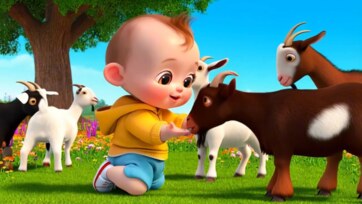
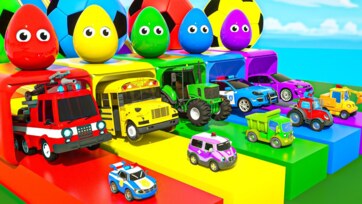
A Journey Through Color, Community, and Curiosity In the foundational years of development, the world is a sprawling classroom without walls, where every visual stimulus and social interaction serves as a critical building block for the future. Modern educational media has harnessed this reality, creating immersive "edutainment" landscapes that blend high-contrast aesthetics with deep psychological lessons. By exploring themes ranging from the frantic energy of a morning school run to the quiet patience required for animal husbandry, these narratives provide a holistic framework for cognitive and emotional growth. The Vibrancy of Vision: Color as a Cognitive Tool Color is the first language of the developing mind. Long before children can decode text, they are decoding the spectrum, using hues to categorize, prioritize, and understand their environment. Primary Anchors and Emotional Resonance The strategic use of primary colors acts as a visual anchor, helping children navigate complex scenes. Radiant Red: Often used for characters of high energy or objects of immediate importance, red triggers attention and alertness. Sunny Yellow: Representing optimism and the start of a new day, yellow is frequently worn by protagonists and young animals, signaling a safe, approachable presence. Stabilizing Blue: Used for expansive skies or sturdy community vehicles like school buses, blue provides a sense of calm and reliability amidst the chaos of a busy morning. Logic and Categorization Interactive visual puzzles, such as matching colorful trucks to corresponding giant eggs, introduce the fundamental principles of mathematical sets and pattern recognition. When a child sees a green truck paired with a green egg, their brain is performing the essential work of logical grouping, a skill that will eventually translate into scientific classification and data organization. The Social Blueprint: Empathy and Community Roles Beyond individual logic, early learning must address the "how" of living together. Through character archetypes and social scenarios, children begin to map the complexities of human—and animal—relationships. Understanding Emotions Through Expression The use of exaggerated facial features is a deliberate psychological tool to help children identify internal states in themselves and others. Surprise and Awe: The wide-eyed, open-mouthed expression of a child discovering a sink full of treats validates their own sense of wonder. Distress and Mediation: When two characters clash, the introduction of a third party—such as a police-themed dog—to mediate shows children that conflicts are manageable and that help is available in the community. Nurturing and Gentleness: A squirrel looking up at a duckling with a soft, concerned expression teaches the silent language of empathy and the importance of caring for friends who might be feeling small or vulnerable. Community Systems and Responsibility Roles in society are introduced through relatable symbols. The School Bus: This iconic yellow vehicle represents a child's first step into the public world. The accompanying clock highlights the concept of punctuality and the collective effort required to make society function on time. The Farm System: Seeing monkeys drive tractors or milk cows introduces the idea of labor, food sources, and the symbiotic relationship between humans, animals, and technology. It teaches that everyone, from the driver to the cow, has a vital role in the community "ecosystem". Sensory Play and the Imagination Laboratory Imagination is not a distraction from learning; it is the laboratory where children test the limits of their world. Fantastic Realism Scenarios that blend the everyday with the impossible—such as treats flowing from a faucet—allow children to practice cognitive flexibility. This "what-if" thinking is the same mental muscle used later in life for creative problem-solving and scientific hypothesis. Visual Textures High-quality animation allows children to "feel" with their eyes. Gooey/Liquid: Visualizing "slime" or melted chocolate dripping from structures helps children develop a vocabulary for states of matter. Tactile Nature: The contrast between the squishiness of mud in a puddle and the soft, downy feathers of a chick provides a sensory roadmap of the physical world. Cleanliness Routines: Seeing a monkey react with surprise to a shower turn routines like bathing into a playful, less intimidating experience. The Great Outdoors: Nature as the Ultimate Teacher Settings like bamboo forests, wildflower meadows, and muddy barnyards instill an early appreciation for the environment. Animal Stewardship Interaction with animals—from feeding goats in a field to sitting in a puddle with a rooster—fosters a sense of stewardship. Gentle Hands: When a toddler kneels to offer a hand to a goat, they are practicing the "gentle hands" philosophy, learning that living things require respect and soft touch. Species Identification: From the long neck of a giraffe-costumed driver to the horns of a goat and the red comb of a rooster, children learn to identify the diverse characteristics that make each animal unique. The Value of Curiosity Whether it is two birds exploring a bamboo forest or a child observing a group of hens, the recurring theme is one of curiosity. These stories encourage children to look closer at their own world, to ask questions about how things grow, and to find beauty in the dirt and the sky alike. Conclusion: Preparing for the Journey Ahead The journey of early childhood is a transition from the self to the world. By wrapping essential lessons in the bright colors of a road trip, the excitement of a school bus run, and the joy of a muddy afternoon on the farm, we provide children with a toolkit for life. Education, at its most effective, is a blend of logic and love. It is the realization that while we must learn to sort our "eggs" and watch the clock, we must also learn to smile at a friend and care for the creatures around us. As the sun sets on another day of play and learning, the child is left not just with facts, but with a sense of wonder that will drive their discovery for years to come.  
Advertisement
How Cartoon-Based Learning Helps Children Develop Smarter Thinking and Stronger Emotions
Parents today often feel guilty when their child watches cartoons. Many assume screen time is only entertainment, a distraction from “real learning.” But when designed thoughtfully, cartoons can actually become powerful educational tools. For children between the ages of 2 and 8, visual storytelling is not just enjoyable—it is one of the most natural ways their brains understand the world. If your website shares cartoons alongside articles, you are already standing at the intersection of fun and development. The key is to recognise that children do not separate learning from play. They absorb ideas through colour, repetition, characters, and simple stories far more effectively than through formal instruction. This article explains how educational cartoons support brain development, emotional growth, and everyday life skills in young children—and why parents should see them as learning partners, not passive entertainment. Why Children Learn Faster Through Visual Stories A child’s brain develops rapidly during the early years. According to global early childhood research, nearly 90% of brain development happens before age 5. At this stage, children cannot process long explanations. They understand what they can see, repeat, and emotionally connect with. Cartoons use exactly these elements: Bright colours that help identify differences Repetition that strengthens memory Characters that model behaviour Simple cause-and-effect storytelling When a child watches a character sort colours, help a friend, or solve a small problem, their brain builds neural pathways that later support reading, logic, and communication. This is not accidental. Educational cartoons mirror how children naturally explore the world—through observation first, understanding later. Building Early Thinking Skills Without Formal Teaching Before children learn mathematics or science in school, they already begin forming logical structures. Cartoons quietly introduce these foundations. Colour Recognition and Categorisation When children see characters arranging red, blue, yellow, and green objects, they begin to understand grouping. This may look simple, but it is the first step toward mathematical classification. For example, a cartoon showing toys being placed into matching boxes teaches: Identifying similarities Recognizing patterns Organizing information These are the same skills later used in problem-solving and analytical thinking. Understanding Cause and Effect When a character pushes a button, and something happens—lights turn on, wheels move, or music starts—children learn that actions create outcomes. This basic understanding becomes the root of scientific reasoning. A child who understands “If I do this, something will happen” is already developing curiosity and experimentation habits. How Cartoons Support Emotional Development Education is not only about numbers and letters. Emotional intelligence plays a huge role in how children succeed in school and relationships. Cartoons provide safe emotional simulations. They allow children to experience feelings without real-life risk. Recognising Emotions Through Expressions Young children often struggle to describe feelings. But they easily understand facial expressions. When a character cries, laughs, feels scared, or becomes proud after solving a problem, children begin to label emotions internally. This builds emotional vocabulary long before they can express it verbally. Learning Empathy Through Characters A cartoon showing one character helping another teaches kindness more effectively than lectures. Children start understanding: Sharing is positive Helping others feels rewarding Conflict can be resolved calmly These lessons directly influence behaviour at home and school. Teaching Everyday Life Skills in a Fun Way Many parents notice children copying what they see in cartoons. This imitation is actually a powerful learning mechanism. Educational cartoons can introduce daily habits naturally. Hygiene Awareness When characters wash their hands before eating or clean up their space, children see routines modelled visually. Repetition reinforces the behaviour without forcing it. Instead of instructions, children feel like they are joining their favourite characters in an activity. Responsibility and Independence Cartoons that show characters completing small tasks—organising toys, helping parents, or preparing for school—encourage independence. Children begin to think:“I can do that too.” This mindset builds confidence and reduces resistance to responsibility. Encouraging Creativity and Imagination Imagination is not separate from intelligence. It supports innovation, storytelling ability, and flexible thinking. Cartoons often place characters in playful situations—building something from simple materials, exploring nature, or pretending to travel. These scenarios encourage children to: Create their own stories Use everyday objects creatively Develop curiosity about the environment A child who imagines solutions today becomes a problem-solver tomorrow. Introducing Children to the World Around Them Educational cartoons also act as a child’s first introduction to nature, animals, and community roles. Understanding Nature and Food Sources When children see animated farms, fruits growing, or animals being cared for, they begin forming connections between food and nature. This awareness encourages healthier attitudes toward eating and the environment. Learning Social Roles Cartoons often portray helpful figures like teachers, farmers, drivers, or helpers. These introductions build respect for community roles and help children understand how society works. Why Cartoons Are More Effective Than Passive Screen Content Not all screen time is equal. Fast-paced, purely entertainment-based content can overstimulate without teaching. Educational cartoons, however, are structured differently: Slower pacing to allow understanding Repetition to strengthen learning Clear storytelling with simple resolutions Positive modelling instead of chaos Parents should focus on quality rather than eliminating screen exposure completely. A well-designed cartoon session can be more educational than forcing worksheets on a preschool child. The Role of Parents in Making Cartoon Learning Effective Cartoons work best when parents stay lightly involved. This does not mean constant supervision. Small interactions can strengthen the learning impact. After watching, parents can: Ask the child what they saw Encourage them to repeat an activity Relate the story to real life For example, if a cartoon shows cleaning toys, inviting the child to do the same connects digital learning to physical behaviour. This creates what educators call “transfer learning”—applying what is seen to real-world situations. How Your Website Can Support Child Development Through Cartoons Since your platform shares cartoons alongside written content, it already holds educational value. The articles accompanying videos can guide parents to use cartoons intentionally rather than randomly. Helpful article topics include: What children learn from specific cartoon themes Activities parents can try after watching How storytelling builds thinking skills The importance of balanced screen time This approach transforms a simple cartoon website into a learning resource for families. Parents are not just searching for videos. They are searching for meaningful content they can trust. The Future of Early Learning Is Visual, Interactive, and Story-Driven Modern childhood is different from previous generations. Children encounter digital visuals earlier, but this does not have to be harmful. When used wisely, visual media becomes an extension of natural learning. Educational cartoons combine storytelling, psychology, and developmental science in a format children willingly accept. Instead of fighting this shift, parents and educators can guide it. The goal is not to remove cartoons from childhood. The goal is to choose content that builds thinking, empathy, curiosity, and confidence. When fun and learning meet, children grow without feeling pressured. They simply explore—and in that exploration, real education begins.
Digital Screen Time for Kids: How Much Is Just Right?
In today’s world, screens are everywhere, and it’s almost impossible to keep kids away from them completely. From educational videos to interactive games, digital content has become an essential part of many children’s lives. While these tools can be highly beneficial, finding the right balance is crucial to ensure healthy development. How Much Screen Time Is Ideal? Experts recommend different limits based on age: • 0-2 years old: Avoid screen time except for video calls with family members. At this stage, face-to-face interactions and hands-on learning are far more important. • 2-5 years old: Up to 1 hour of screen time per day, ideally focused on educational or interactive content. • 6 years and older: Limit screen time to about 2 hours a day, ensuring children also engage in physical activities, reading, and social interactions. Making Screen Time Meaningful Here are some tips to ensure kids benefit from their screen time: 1. Choose high-quality content: Look for educational videos, meaningful stories, or interactive programs that develop skills and knowledge. 2. Watch together: Co-viewing allows parents to discuss the content, ask questions, and reinforce learning. 3. Set time limits: Establish a daily or weekly screen time schedule and stick to it. Why Balance Is Important While digital content offers numerous advantages, it should never replace real-world experiences. Outdoor play, creative projects, and spending time with family and friends are vital for a child’s overall growth and development. Screen time should complement these activities, not dominate them.  Children learn by observing their parents. When adults demonstrate healthy screen habits, like putting phones away during meals or prioritizing outdoor activities, kids are more likely to follow suit. Encouraging a Holistic Approach Encourage children to use their screen time to explore new ideas, but also provide plenty of opportunities to apply what they’ve learned in the real world. For example, after watching a video about animals, visit a zoo or read a book about wildlife. Technology as a Tool for Growth The digital age is full of opportunities, and when used responsibly, screen time can be an incredible tool for learning, creativity, and connection. With thoughtful guidance from parents, children can thrive in a balanced digital and real-world environment. 
The Colorful World of Friendship and Song
In the quiet, sunny corners of the world, nature has a way of creating the most beautiful music and the brightest colors. For children, exploring the lives of birds and other small creatures is more than just fun; it is a vital part of learning how to be kind, how to communicate, and how to appreciate the world around them. When we see groups of animals together, we are witnessing a community in action. The Vibrancy of Green: A Lesson in Nature Colors are often the first way children learn to identify different parts of the environment. The Color Green: In the animal kingdom, green is a very special color. It helps creatures hide among the leaves of a forest or the tall stalks of bamboo. Bright Accents: Many birds have splashes of red or yellow on their feathers or beaks. These bright colors are like a special uniform that helps them recognize their family and friends from far away. Connection to the Sky: When these colorful creatures sit together against a bright blue sky, it reminds us of how different parts of nature—the earth, the trees, and the air—all work together to create a beautiful scene. Understanding Social Bonds and Community Just like children play in groups at school, many animals choose to spend their time in groups. This behavior teaches us several important lessons about living together. The Strength in Numbers By staying close to one another, small creatures can keep each other safe. They have many eyes to look for food and many ears to listen for danger. This is the very first lesson in teamwork: we are stronger when we stand together than when we are alone. Learning to Communicate Animals don't use words like we do, but they are experts at talking to each other. Songs and Chirps: Each sound a bird makes has a meaning, whether it’s saying "I found a snack!" or "Watch out!". Body Language: The way a creature stands or tilts its head tells its friends how it is feeling. Eye Contact: Big, bright eyes are used to show curiosity and to pay close attention to the world. The Magic of Music and Rhythm Music is a universal language that even the youngest children understand, and nature is full of it. Finding Your Voice Every creature has its own unique song. Some are loud and bold, while others are soft and sweet. Encouraging children to listen to these sounds helps develop their auditory skills and teaches them that everyone—no matter how small—has a voice that deserves to be heard. Dancing Together Have you ever noticed how birds seem to move in rhythm? When they sit together on a branch, they often bob their heads or flutter their wings at the same time. This natural dance is a form of play that helps them feel connected to their group. Empathy Through Observation When children look at friendly characters or animals, they begin to develop empathy. Seeing the "Smallness" Because many birds and small animals are tiny compared to humans, children feel a natural desire to protect and care for them. This nurturing instinct is the foundation of becoming a kind and responsible adult. Identifying Emotions Characters with expressive faces help children name their own feelings. Happiness: Shown through bright colors and wide, smiling beaks. Curiosity: Shown through big, round eyes and a tilted head. Friendship: Shown by standing shoulder-to-shoulder with someone else. The Classroom in the Trees Nature is the ultimate classroom, offering lessons that you can’t always find in a book. Biodiversity and Variety Even within the same family, no two creatures are exactly the same. They might have slightly different shades of green or different patterns on their feathers. This teaches children to appreciate diversity and to understand that being different is what makes the world interesting. Patience and Observation To see the best parts of nature, you have to be very still and very quiet. Teaching a child to sit and watch a group of birds encourages patience and focus, two skills that are very important for doing well in school and in life. Bringing the Magic Home You don't have to go to a deep forest to find the magic of nature. You can find it right in your own neighborhood! Bird Watching: Set up a small feeder and see who comes to visit. Can you find three friends who look alike? Drawing Characters: Use a bright green crayon to draw your own trio of feathered friends. Give them big eyes and red beaks so they look ready to sing! Listening Games: Close your eyes for one minute and count how many different "voices" you hear outside. Conclusion: A World of Wonder The image of three green friends standing together reminds us that the world is a place of harmony and color. Whether they are real birds in a tree or characters in a story, they represent the simple joys of being alive, having friends, and sharing a song with the world. By looking at these bright visuals, children aren't just seeing a picture; they are opening a door to their own imagination, where they can fly through the blue sky and sing alongside the happiest creatures in the forest.
Toy School Bus Stuck in Mud being Rescued by Tow Truck
In the contemporary landscape of child development, the intersection of digital media, visual storytelling, and fundamental educational concepts has created a high-impact standard for early childhood engagement. This "edutainment" ecosystem relies on high-contrast visuals, expressive character archetypes, and relatable social scenarios to build cognitive and emotional foundations. By analyzing themes ranging from the frantic energy of a morning routine to the serene curiosity of animal interactions and logic puzzles, we can see how these narratives provide a holistic framework for a child's understanding of the world. The Visual Language of Learning Visual stimuli are the primary drivers of learning in early childhood. Before a child can decode written language, they are proficient in decoding color, shape, and pattern. Color as a Navigational and Logical Tool The strategic use of a bold, saturated color palette is designed to capture attention and facilitate cognitive categorization. Vibrant Primaries: Bright red, sunny yellow, and deep blue serve as visual anchors. Red often denotes high energy or central characters, while yellow signals optimism and approachable warmth. Categorization and Matching: Scenarios involving matching colored trucks to expressive eggs or colorful animals to soccer balls introduce children to the concept of sets. For instance, a red tiger corresponds to a red ball, and a blue gorilla to a blue ball, teaching the fundamental skill of attribute matching. Logical Sorting: Arranging objects like trucks and eggs in a spectrum (red, yellow, green, blue, purple) reinforces the idea of order and linear sequences. Sensory Imaginarium High-quality digital rendering allows children to "feel" textures through their eyes, bridging the gap between screen time and real-world sensory play. Tactile Visualization: The representation of "slime" or liquid candy flowing from faucets engages a child's imagination regarding states of matter. Real-World Textures: Scenes depicting toy trucks stuck in thick, viscous mud provide a visual bridge to tactile outdoor experiences, teaching cause and effect through the imagery of a tow truck rescuing a school bus. Emotional Intelligence and Social Archetypes Modern media for children places a heavy emphasis on Social-Emotional Learning (SEL), using character expressions to teach empathy and self-regulation. Identifying Internal States Exaggerated facial features help children name and validate their own feelings. Wonder and Surprise: Wide-eyed, open-mouthed expressions—whether discovering a sink full of candy or missing a bus—provide a mirror for a child’s own reactions. Fear and the Unknown: Depicting a child's apprehension at a "ghost" figure in a bathroom setting helps normalize common fears and provides a safe space for discussion. Mediation: Characters representing community helpers, such as police-dog archetypes, intervene in disputes between peers to demonstrate the value of mediation. The Power of Empathy Narratives often focus on supportive interactions between different species. Inter-species Connection: A squirrel showing concern for a duckling or a young boy gently interacting with a chick and hen models how to respond to the emotions of others with tenderness. Shared Experiences: Scenes of friends on a road trip or characters playing together reinforce the idea that life’s journeys are most rewarding when shared. Community Systems and Life Skills As a child’s world expands, media introduces the systems, responsibilities, and routines that govern society. The Morning Commute and Punctuality The scenario of a child rushing to a large yellow school bus is a lesson in life skills. Time Management: The presence of a prominent analog clock helps children visualize the passage of time and the importance of punctuality. Independence: Carrying a backpack toward a vehicle driven by a trusted community member symbolizes the child's growing role in the public sphere. Working Environments and Problem Solving Farm and construction themes introduce concepts of labor and community support. Roles and Jobs: Monkeys driving tractors to transport livestock or collect milk show that every member of a community has a specific task. Resilience and Rescue: Seeing various service vehicles—ambulances, fire trucks, and tow trucks—work together to pull a bus out of the mud teaches children about community cooperation and problem-solving in emergencies. Nature as a Classroom Vibrant depictions of natural habitats encourage a transition from screens to the outdoors. Biodiversity and Observation By showing characters in diverse settings, children learn to identify different ecosystems and species. Observation Skills: Seeing birds in their environment or children observing hens and chicks encourages a closer look at the wildlife in the real world. Animal Stewardship: Interactions like feeding goats in a meadow or sitting among chickens teach children to be gentle and respectful of other living beings. Active Play and Movement Content that features characters playing in the mud or running through grass validates active learning. The Joy of "Messy" Play: Framing sitting in a mud puddle as a moment of pure happiness with animal friends helps frame nature as an opportunity for discovery. Environmental Empathy: The close-up interaction between a child and a rooster in a natural setting fosters an early sense of wonder and environmental stewardship. Conclusion: Synthesizing the Experience The digital frontier of early learning is a carefully architected tapestry designed to nurture the whole child. It uses the magnetic pull of bright colors and charming characters to deliver essential lessons in logic, empathy, and community responsibility. Whether through a frantic race for the school bus, a lesson in matching colorful animals to balls, or the cooperative effort of trucks in the mud, these narratives help children navigate the transitions of their own lives with confidence. As they watch a monkey drive a tractor or a child gently feed a goat, they aren't just being entertained; they are building the mental map that will guide them as they step out of their homes and into the wide, wonderful world.
Lambs: Cute, Curious, and Educational for Kids
Lambs are among the most adorable and gentle animals that children naturally love. Their soft wool, playful behavior, and friendly nature make them perfect for teaching kids about animals, responsibility, and farm life. Learning about lambs isn’t just fun—it helps children develop observation skills, empathy, and a deeper understanding of nature. In this article, we explore everything about lambs: their behavior, life cycle, care, benefits for kids, and fun activities. What Are Lambs? A lamb is a young sheep, typically under one year of age. They are known for their soft, woolly coats, playful energy, and friendly personalities. Lambs grow up to become sheep, which are herbivorous, social animals found on farms worldwide. Interesting Fact: Lambs can stand and walk within hours of birth. They recognize their mother’s voice and smell, demonstrating early social awareness. Why Kids Love Lambs Children are naturally attracted to lambs because of: Soft wool and gentle touch, making them perfect for petting. Playful antics, like jumping, running, and exploring. Friendly faces that encourage interaction. Parent Tip: If visiting a farm, allow children to observe or feed lambs under supervision. Talk about the lamb’s behavior and habits to increase curiosity and observation skills. Lambs’ Behavior and Social Skills Lambs are social animals that thrive in groups called flocks. Observing their behavior can teach children about: Friendship and social bonds: Lambs often stick close to their mothers and peers. Communication: They bleat to express needs like hunger, discomfort, or curiosity. Playfulness: Lambs run, jump, and chase each other, which encourages physical activity and observation in children. Parent Activity: Watch a short lamb video with your child and ask, “Why is the lamb running or bleating?” Encourage children to mimic lamb movements, supporting both fun and motor skill development. Lambs’ Diet and Nutrition Lambs primarily feed on their mother’s milk during the first few weeks of life, which provides essential nutrients for growth. As they grow, they start eating: Grass and hay. Leaves and soft plants. Grain-based feed for proper development. Learning Opportunity for Kids: Discuss how lambs’ diet helps them grow strong and healthy. Relate it to human nutrition, teaching children the importance of milk, fruits, and vegetables in their diet. Life Cycle of Lambs Understanding the life cycle of lambs is both educational and fascinating for children. The key stages include: Birth: Lambs are born after approximately five months of gestation. Neonatal Stage: Lambs can walk and feed within hours. Weaning: After several weeks, lambs gradually transition from milk to solid food. Growth: Lambs develop wool, strength, and social skills. Adulthood: They become sheep and may have their own offspring. Activity Idea: Ask children to draw or sequence the lamb’s life cycle. This strengthens memory, sequencing, and observational skills. Physical Development and Care Lambs grow rapidly and require proper care to stay healthy: Shelter: Protects from harsh weather. Nutrition: Balanced diet for growth. Socialization: Interaction with other lambs and humans supports emotional development. Veterinary Care: Regular check-ups prevent disease. Parent Tip: Discuss the importance of caring for animals responsibly. Children learn about empathy, routine, and responsibility by observing or helping with lamb care. Lambs as Educational Tools Lambs can teach children many life skills and lessons: Empathy and Compassion: Learning to care for a gentle animal. Observation Skills: Noticing behavior, sounds, and interactions. Responsibility: Understanding feeding schedules, safety, and hygiene. Patience and Adaptability: Watching lambs grow and respond to their environment. Example: Feeding a lamb teaches children gentleness and patience, reinforcing positive behavior. Fun Facts About Lambs Lambs sleep a lot—up to 16–18 hours a day, which is important for growth. They can jump as high as 3 feet, showing their energy and playfulness. Lambs recognize familiar humans and animals by sight and smell. Wool from adult sheep is used for clothing, blankets, and crafts, connecting children to practical applications of animal products. Lambs are highly curious and will investigate new objects, demonstrating early problem-solving behavior. Activities to Teach Kids About Lambs Farm Visits: Supervised trips to farms to observe lambs. Storytelling: Create stories around lamb adventures to encourage creativity. Arts and Crafts: Draw, paint, or make wool-based crafts inspired by lambs. Interactive Videos: Watch educational videos about lamb care and behavior. Animal Journals: Children can write observations, reinforcing writing and comprehension skills. Parent Tip: Combine observation with discussion to make the experience educational and memorable. Lambs and Emotional Growth Interacting with lambs or learning about them can improve children’s emotional development: Empathy: Caring for a living creature. Patience: Understanding that animals grow and behave naturally. Joy and Playfulness: Watching playful behavior promotes happiness and stress relief. Observation and Reflection: Understanding how animals interact with each other and the environment. Practical Tip: Even if a child cannot visit a farm, videos, books, and interactive storytelling can provide similar learning experiences. Lambs in Stories and Culture Lambs often appear in children’s books, nursery rhymes, and folktales, which makes them familiar and comforting: “Mary Had a Little Lamb” teaches repetition, rhyme, and storytelling. Folktales often show lambs as gentle, kind, and clever, reinforcing moral lessons. Animated cartoons featuring lambs highlight playfulness, curiosity, and friendship, connecting fun to learning. Parent Tip: Use these stories to connect children with real-life animals, reinforcing observational and empathetic skills. Safety and Parenting Tips While lambs are gentle, children must always: Wash hands after touching animals. Supervise interactions, especially with young children. Respect animals’ space to avoid stress. Teach gentle behavior: no pulling wool, chasing, or loud noises. Parent Tip: Explain that animals have feelings too, fostering empathy and respect for life. Conclusion Lambs are more than just cute farm animals—they are educational, playful, and emotionally enriching for children. Learning about lambs can help children: Develop empathy and compassion. Learn about animal care and responsibility. Improve observation, creativity, and problem-solving. Understand life cycles and natural behaviors. Enjoy safe, fun, and interactive experiences with animals. Parents can maximize the benefits by visiting farms, reading stories, watching educational videos, and creating fun activities around lambs. With thoughtful engagement, children not only enjoy the cuteness and playfulness of lambs but also develop valuable life skills and a love for nature.
A Comprehensive Analysis of Early Childhood "Edutainment"
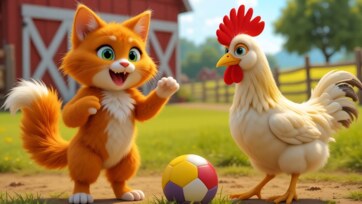
In the modern landscape of child development, the intersection of digital media, visual storytelling, and fundamental educational concepts has created a high-impact standard for early childhood engagement. This "edutainment" ecosystem relies on high-contrast visuals, expressive character archetypes, and relatable social scenarios to build cognitive and emotional foundations. By analyzing themes ranging from the frantic energy of a morning routine to the serene curiosity of animal interactions and logic puzzles, we can see how these narratives provide a holistic framework for a child's understanding of the world. The Visual Language of Learning Visual stimuli are the primary drivers of learning in early childhood. Before a child can decode written language, they are proficient in decoding color, shape, and pattern. Color as a Navigational and Logical Tool The strategic use of a bold, saturated color palette is designed to capture attention and facilitate cognitive categorization. Vibrant Primaries: Bright red, sunny yellow, and deep blue serve as visual anchors. Red often denotes high energy or central characters, while yellow signals optimism, approachable warmth, and safety. Categorization and Matching: Scenarios involving matching colored trucks to expressive eggs or colorful animals to soccer balls introduce children to the concept of sets and pattern recognition. For instance, a red tiger corresponds to a red ball, and a blue gorilla to a blue ball, teaching the fundamental skill of attribute matching. Logical Sorting: Arranging objects like trucks and eggs in a spectrum (red, yellow, green, blue, purple) reinforces the idea of order and sequences. Sensory Imaginarium High-quality digital rendering allows children to "feel" textures through their eyes, bridging the gap between screen time and real-world sensory play. Tactile Visualization: The representation of purple "slime" or liquid candy flowing from faucets engages a child's imagination regarding states of matter and fluid dynamics. Natural Textures: Contrasting the smooth feathers of a duckling or rooster with the squishy, cool texture of a mud puddle encourages an appreciation for the diverse physical properties of nature. Emotional Intelligence and Social Archetypes Modern media for children places a heavy emphasis on Social-Emotional Learning (SEL), using character expressions to teach empathy, conflict resolution, and self-regulation. Identifying Internal States Exaggerated facial features help children name and validate their own feelings. Wonder and Surprise: Wide-eyed, open-mouthed expressions in characters—whether discovering a sink full of candy or missing a bus—provide a mirror for a child’s own reactions to the unexpected. Fear and the Unknown: Depicting a child's surprise and apprehension at a "ghost" figure in a household setting like a bathroom helps normalize common fears and provides a safe space to discuss them. Mediation and Conflict: When characters representing emergency responders (like a police-dog archetype) intervene in a dispute between two upset peers, it demonstrates the social value of mediation and the presence of community helpers. The Power of Companionship and Empathy Narratives often focus on the group dynamic and supportive interactions. Shared Experiences: Whether it is a squirrel showing concern for a duckling or friends on a road trip, these stories reinforce the idea that life’s journeys are most rewarding when shared. Empathy in Action: The tender look on a character's face when interacting with a smaller creature models how to recognize and respond to the emotions of others. Community Systems and Life Skills As a child’s world expands beyond the home, media introduces the systems, responsibilities, and routines that govern society. The Morning Commute and Punctuality The scenario of a child rushing to a large yellow school bus is a masterclass in life skills and independence. Time Management: The presence of a prominent analog clock (showing 7:40 AM) helps children visualize the passage of time and the importance of punctuality to meet specific deadlines. Independence: Carrying a backpack and navigating the sidewalk toward a vehicle driven by a trusted community member (a giraffe-themed driver) symbolizes the child's growing role in the public sphere. Agricultural and Work Ecosystems Farm-themed content introduces the concepts of labor, food production, and cooperation. Roles and Jobs: Seeing monkeys driving tractors to transport cows or collecting milk shows that every member of a community has a specific task that contributes to the whole. Animal Stewardship: Interactions like feeding goats in a meadow or sitting among chickens teach children to be gentle and respectful of other living beings. Nature as a Classroom The transition from digital screens to the great outdoors is encouraged through vibrant depictions of natural habitats and animal biology. Biodiversity and Observation By showing characters in diverse settings—from bamboo forests to wildflower meadows—children learn to identify different ecosystems and species. Observation Skills: Seeing birds of different colors (red and yellow chicks or green parrots) in their environment encourages children to look closer at the wildlife in their own world. Animal Habitats: The inclusion of varied landscapes, such as farm fences and bamboo stalks, helps children grasp where different animals live and thrive. Active Play and Resilience Content that features characters playing in the mud or navigating a busy morning validates active, experiential learning. The Joy of "Messy" Play: Framing sitting in a mud puddle as a moment of pure happiness with animal friends helps parents and children see nature as an opportunity for discovery rather than a chore. Resilience: The frantic race for the bus shows that even when things are a bit chaotic, the goal can be reached through effort. Conclusion: Synthesizing the Experience The digital frontier of early learning is a carefully architected tapestry designed to nurture the whole child. It uses the magnetic pull of bright colors and charming characters to deliver essential lessons in logic, empathy, and community responsibility. By turning a mundane bath into a moment of surprise or a farm visit into a social adventure, these narratives help children navigate the transitions of their own lives with confidence. As they watch a rooster sit in a puddle, a monkey drive a tractor, or a boy match a red tiger to a red ball, they aren't just being entertained; they are building the mental map that will guide them as they step out of their homes and into the wide, wonderful world.
Advertisement
Best Vegetables Every Child Must Eat
Childhood is a construction phase. Bones are being mineralised, neural networks are wiring themselves at astonishing speed, and the immune system is basically attending boot camp every day. You are not just feeding a child; you are supplying raw materials to a rapidly evolving biological machine. Vegetables are some of the most information-dense materials you can provide. They contain micronutrients that act like instructions telling the body how to grow, not just how much to grow. Many children get enough calories. Fewer get enough nutrients. That gap matters. Leafy Greens — The Structural Engineers: 4 Leafy greens like spinach, mustard greens, and fenugreek are nutritional heavyweights. They provide iron, calcium, magnesium, folate, and vitamin K — nutrients that directly influence bone density and blood formation. Iron helps carry oxygen through the bloodstream. Oxygen fuels growing tissues. Without enough oxygen delivery, growth slows like a city during a power outage. Vitamin K ensures calcium actually binds to bones instead of wandering uselessly through the bloodstream. Think of it as the traffic controller directing minerals to the skeleton. Children who regularly eat leafy greens often show better endurance, stronger immunity, and fewer fatigue complaints. Blend them into lentils, knead them into dough, or add them to omelettes. The goal is exposure, not culinary perfection. Carrots and Pumpkin — The Neural Support Crew: Orange vegetables like carrots and pumpkin are loaded with beta-carotene, which the body converts into vitamin A. This nutrient is essential for vision, immune defence, and — often overlooked — brain development. Vitamin A supports communication between neurons. A growing brain is basically laying down electrical wiring at high speed, and vitamin A helps maintain insulation and signal clarity. Children deficient in it may experience frequent infections and slower recovery from illness. That means missed school days, lower activity, and less physical development. Add grated carrots to rice, mix pumpkin into soups, or roast them lightly to bring out natural sweetness. Children accept sweetness from vegetables far more easily than bitterness. Broccoli and Cauliflower — The Cellular Repair Specialists: 4 Cruciferous vegetables — broccoli and cauliflower — contain compounds that activate detoxification enzymes and support cellular repair. During childhood, cells are dividing constantly. That process needs maintenance systems to prevent errors. These vegetables also enhance how the body uses protein. Even if a child eats eggs, lentils, or meat, those nutrients are better utilised when these vegetables are part of the diet. In other words, they help the body make better use of what is already being eaten. Lightly cook them with familiar foods like potatoes or rice to reduce resistance. Beetroot and Turnip — The Circulation Boosters: 4 Root vegetables such as beetroot and turnip support blood circulation and provide potassium, fibre, and natural nitrates. Improved circulation means nutrients reach growing tissues faster — muscles, bones, and even the brain receive better supply lines. Beetroot also supports stamina. Active children benefit from enhanced oxygen delivery, which helps sustain play, exercise, and physical coordination. Grate beetroot into yoghurt, mix into cutlets, or add to flatbread dough. Its vibrant colour often makes it more appealing to children than expected. Bottle Gourd and Okra — The Digestive Stabilisers: 4 Some vegetables do not look impressive, but they quietly perform essential work. Bottle gourd and okra support digestion and hydration. A healthy digestive system is critical because nutrients must be absorbed before they can contribute to growth. Okra provides soluble fibre that nourishes beneficial gut bacteria. Those bacteria influence metabolism, immune signalling, and even hormone balance. A child with good digestion absorbs more nutrition from the same meal than one with poor gut health. That difference accumulates over the years. Cook them simply with mild spices to maintain their natural texture and benefits. Why Children Need Variety, Not Just One “Healthy Vegetable”: The human body does not grow on a single nutrient. It requires a network of interacting vitamins and minerals. Iron needs vitamin C to be absorbed properly.Calcium depends on vitamin K.Cell repair requires antioxidants.Brain development needs a mix of fats, minerals, and plant compounds. Different vegetables provide different parts of that puzzle. Feeding only one type repeatedly is like trying to build a house using only bricks and no cement. A rotating selection across the week works better than forcing one vegetable daily. How Much Is Enough? Children generally need about one cup of vegetables per day in early childhood, increasing with age. This should include multiple types rather than a single serving. Small, consistent portions outperform large, occasional servings. The body responds to regular signals. Growth is cumulative, not episodic. Making Vegetables Acceptable to Children: Children resist unfamiliar textures more than flavours. Presentation changes everything. Mix vegetables into foods they already trust.Serve them in varied forms — mashed, grated, lightly cooked.Avoid labelling them as “healthy.” Curiosity works better than pressure. When vegetables appear as a normal part of meals rather than a forced addition, acceptance rises naturally. The Bigger Picture: Vegetables are not just protective foods. They are developmental tools. They help build skeletal strength, support cognitive growth, stabilise immunity, and regulate metabolism — all processes that define childhood health. A child’s future physiology is being written right now, meal by meal. Vegetables are part of that script, quietly shaping resilience, energy, and long-term well-being. Treat them less like side dishes and more like the biological software updates that keep the system running smoothly.