A Very Unusual Meeting in the Heart of the Forest

When Animals and a Child Shared the Same Space:

4

Deep inside a lush green jungle, something very unusual happened one morning. The trees were tall and old, their leaves whispering secrets to the wind. Birds were singing, insects were buzzing, and the sunlight was peeking through the branches like golden ribbons.

But on this day, the jungle was not busy in its usual way.

Three big bears stood together. A strong lion watched quietly. A clever fox sat calmly near them. Around their feet were smaller animals—rabbits, squirrels, and birds—all gathered in one place. And right in the middle of them stood a little child.

No one was running.
No one was hiding.
No one was afraid.

It was as if the jungle itself had pressed a pause button.

This was not just a meeting. It was a moment of understanding.

Why Was the Lion Not Roaring?:

Understanding That Strength Can Also Be Gentle:

4

Lions are often called the kings of the jungle. In many stories, they roar loudly and show their power. But this lion was different. He was not showing strength by being scary. He was showing strength by being calm.

Real strength is not about shouting or fighting.
Real strength is knowing when to be peaceful.

The lion seemed to understand that the child was not a threat. The child had come with curiosity, not fear. And animals, just like people, can sense kindness.

This teaches children something important: being powerful does not mean being unkind. Even the strongest can choose gentleness.

The Three Bears Who Chose to Share:

Learning About Cooperation Instead of Competition:

4

The three bears stood side by side. They were large, furry, and strong—but they were not arguing over food or space. Instead, they looked like a team.

In the wild, animals sometimes compete to survive. But this moment showed another side of nature: cooperation.

The bears seemed to say, without words, “There is enough room for everyone.”

Children can learn from this. At school, during games, or even at home, sharing and working together makes life easier and happier. When we help each other, we build trust—just like the bears trusted one another.

The Fox Who Watched and Thought:

Why Being Clever Is Better Than Being Sneaky:

4

Foxes are often shown as tricky characters in stories. But this fox was not causing trouble. She sat quietly, observing everything carefully.

Being clever does not mean fooling others. It means understanding situations, thinking before acting, and making wise choices.

The fox reminded everyone that thinking is just as important as strength.

For children, this is a powerful lesson: using your brain to solve problems is always better than using anger or tricks.

The Smaller Animals Who Stayed Brave:

Courage Is Not About Size:

4

The little animals could have easily run away. After all, standing near a lion and bears sounds frightening. Yet they stayed.

Why?

Because they felt safe.

Courage is not about being the biggest or the loudest. Sometimes courage is simply staying where you are, trusting that kindness exists.

Children often feel small in a big world. This scene shows that even the smallest voices matter.

The Child Who Did Not Run Away:

Curiosity Opened the Door to Friendship:

4

The most surprising part of the scene was the child.

Instead of being scared, the child stood calmly, looking at the animals with wonder. Children are naturally curious. They want to explore, to learn, to understand the world around them.

This curiosity is a superpower.

When we approach the world with kindness instead of fear, amazing connections can happen. The child did not try to control the jungle. The child simply became part of it.

That is when the animals accepted the child—not as an intruder, but as a friend.

What This Jungle Scene Teaches Us About Nature:

Humans and Animals Are Connected More Than We Think:

This meeting reminds us that humans are not separate from nature. We are part of it.

Forests give us clean air. Animals keep ecosystems balanced. Trees provide homes, shade, and food. Every living thing plays a role, like pieces of a giant puzzle.

When we harm nature, we harm ourselves.
When we protect it, we protect our future.

Children who understand this early grow into adults who care for the planet.

A Message for Young Explorers Everywhere:

Respect, Kindness, and Balance Make the World Better:

This imaginary jungle meeting may not happen in real life exactly like this—but its message is very real.

Be kind, even if you are strong.
Work together, even if you are different.
Think before acting.
Be brave, no matter your size.
Stay curious about the world.

Nature is not just something we visit. It is something we belong to.

And perhaps, if we listen carefully, every forest has its own quiet meeting happening all the time—animals, trees, wind, and earth working together in perfect balance.

Final Thought for Curious Minds:

The Jungle Is Not Just a Place, It Is a Lesson:

The image of bears, a lion, a fox, small animals, and a child standing together may look like a simple storybook illustration. But it holds a powerful idea: peace is possible when we respect one another.

Not through magic.
Not through rules.
Through understanding.

The jungle did not change that day. The animals did not become different creatures.

They simply chose calm over chaos.

And that is a choice children can make every single day—in classrooms, playgrounds, and homes—creating their own small jungles of friendship wherever they go.




Advertisement
A Lesson in Joy and Unlikely Friendships
The Heart of the Farm: A Lesson in Joy and Unlikely Friendships The rural landscape has always been a sanctuary for discovery, a place where the simplicity of nature meets the boundless curiosity of youth. On a farm, the boundaries between the human and animal worlds often blur, creating a shared space of mutual respect and unbridled happiness. This setting serves as a powerful classroom for early childhood development, teaching the values of empathy, sensory exploration, and the beauty of finding joy in the most unexpected places—even in the middle of a muddy puddle. At the center of this agricultural adventure is a toddler, whose presence on the farm acts as a bridge between these two worlds. His journey through the barnyard is not just a walk; it is an immersive experience that engages every sense and fosters a lifelong connection to living things. The Sensory Symphony of the Farmyard For a young child, the farm is a giant playground of textures, sounds, and colors. Every interaction is a sensory lesson that builds cognitive pathways and encourages physical exploration. The Tactile Magic of Mud Mud is perhaps nature's greatest sensory toy. The Sensation of Wet Earth: Sitting directly in a shallow brown puddle allows a child to experience the cool, squishy texture of the earth in a way that is purely tactile. A Badge of Honor: The splatters of mud on a yellow hoodie and tan pants are not messes to be avoided, but rather symbols of a day well-spent in active play. Grounding Connection: This direct contact with the ground fosters a sense of "grounding," helping children feel physically connected to the natural world. A Palette of Natural Colors The farmyard is painted in a rich array of high-contrast colors that capture a child's attention and help them categorize their surroundings. The Radiant Sky: A bright blue sky with wispy white clouds creates a feeling of openness and freedom. The Living Green: Rounded green bushes and lush grass provide a soft, welcoming backdrop for animal interactions. The Animal Rainbow: From the bright red comb of a rooster to the deep black fur of a goat, the animals introduce a variety of hues and patterns. Building Bridges: The Language of Animals The barnyard is home to a diverse community of creatures, each with its own personality and way of communicating. For a child, learning to navigate this community is a masterclass in social and emotional intelligence. The Bold and the Brave: The Rooster At the very front of the scene sits a vibrant rooster, his feathers a mix of deep blue, orange, and red. Face-to-Face Connection: Sitting eye-to-eye with a bird teaches a child about bravery and the quiet dignity of nature. The Sound of Morning: The rooster represents the rhythm of the farm, his crows acting as the natural alarm clock that starts the day. The Gentle Giants: Cattle and Sheep In the background, a group of smiling cows and fluffy sheep look on with curiosity. Kind Expressions: The wide, friendly eyes of the cows—one a warm orange-brown and the other a creamy tan—convey a sense of calm and safety. The Softness of Sheep: Small, white sheep with gentle faces introduce the concept of "softness," inviting the child to think about the different textures of fur and wool. The Majestic Overseer: The Goat To the right stands a large, dark goat with impressive curved horns and a friendly, pink-nosed face. A Presence of Strength: The goat’s size and horns represent the power of nature, yet his kind expression shows that strength can coexist with gentleness. A Community Member: His presence, along with the other animals, creates a sense of a "family" that extends beyond humans. The Psychology of a Smile: Pure Happiness At the heart of the farm experience is the pure, infectious joy displayed by the child. This happiness is a vital indicator of emotional health and security. The Anatomy of a Toddler’s Joy With a wide, toothy grin and bright, sparkling eyes, the child’s face tells a story of complete contentment. Uninhibited Expression: Unlike adults, children do not hide their joy. When they are happy, their whole face lights up, signaling to everyone around them that they feel safe and loved. A Signal of Trust: Being surrounded by large animals while sitting in the mud requires a high level of trust in one's environment. This comfort level is essential for healthy emotional development. The Mirror Effect Happiness is contagious. When we see a child laughing in a puddle surrounded by smiling animals, it triggers a "mirror neuron" response in our own brains, making us feel a sense of warmth and peace. This emotional resonance is what makes farm stories so popular and enduring across generations. Lessons in Responsibility and Empathy While a farm visit starts as play, it quickly evolves into a lesson in caretaking. Nurturing the Small Interacting with a rooster or a small sheep helps a child realize that they are part of a larger ecosystem where some creatures are smaller and more vulnerable than themselves. This is the birth of empathy—the understanding that our actions affect the well-being of others. Understanding Habitats By seeing where animals live, eat, and play, children begin to understand the concept of a "habitat". They see the fence that keeps the sheep safe and the open fields where the cows graze, helping them grasp the basics of environmental science. The Farm as a Lifetime Memory The experiences a child has on a farm are often among their most vivid early memories. These moments of "wild play" are essential for building a well-rounded individual. The Value of Being Unplugged In a world of screens and digital noise, the farm offers an "unplugged" experience where the only notifications are the sounds of a rooster crowing or a cow mooing. This allows the child’s brain to rest and focus on the immediate, physical world. Encouraging Outdoor Exploration A day at the farm is a day of constant movement. From crawling through the grass to sitting in a puddle, the child is building motor skills and physical strength. This active lifestyle is the foundation for healthy habits that can last a lifetime. Conclusion: The Simple Magic of Being Together The image of a muddy toddler sharing a puddle with a rooster while a group of friendly farm animals looks on is more than just a cute picture; it is a symbol of a perfect childhood moment. It reminds us that at our core, humans have a deep, instinctual need to connect with the earth and the creatures that share it with us. As the sun shines down on the barnyard, it highlights a world where everyone belongs, where a puddle is a throne, and where a rooster is a best friend. In the heart of the farm, joy is found not in things, but in connections, dirt, and the simple magic of being together under a wide blue sky.  
Advertisement
Why Kids Love Tom and Jerry: Fun, Humor, and Life Lessons
Tom and Jerry is one of the most beloved cartoons in the world, captivating children across generations. Created by William Hanna and Joseph Barbera in the 1940s, the show revolves around Tom, a mischievous cat, and Jerry, a clever little mouse, whose endless chases and pranks have become iconic. Beyond laughs, the show supports imagination, problem-solving, and basic life lessons for young viewers. Slapstick Humor That Children Adore One reason kids love Tom and Jerry is its slapstick comedy. Children are naturally attracted to visual gags, exaggerated expressions, and over-the-top action, all of which the cartoon delivers in abundance. Whether Tom slips on a banana peel or Jerry sets a clever trap, the humor is fast, visual, and universally understood, making it accessible even to very young kids. Example Episodes: The Cat Concerto: Tom tries to play the piano while Jerry causes chaos on the keys—perfect timing and exaggerated expressions make children laugh uncontrollably. Mouse in Manhattan: Jerry’s adventures in the city showcase fun chase sequences with clever solutions, keeping children fully engaged. Why Kids Connect: Simple visual comedy can be understood without words. Fast-paced action maintains attention spans. Music and sound effects enhance the fun, making scenes more memorable. Parent Tip:Watch along with your child and ask them which part made them laugh the most—this enhances language and emotional expression. Sparks Creativity and Imagination Tom and Jerry episodes are full of creative problem-solving. Jerry often uses ordinary household items in imaginative ways to escape from Tom, teaching children to think innovatively and see everyday objects differently. Example Activities: Encourage children to invent “traps” safely using toys and household items, mirroring Jerry’s cleverness. Ask children to draw alternative endings to favorite episodes, enhancing imagination and storytelling skills. Educational Angle:Creativity nurtured by Tom and Jerry can transfer to school projects, art, and playtime, allowing children to approach challenges with innovative thinking. Introduces Patience and Strategic Thinking Although Tom is impulsive, Jerry is patient and strategic, showing children that success often requires careful planning and patience. Each episode subtly teaches that thinking before acting is important in achieving goals. Example: In The Two Mouseketeers, Jerry waits for the perfect moment to outsmart Tom, demonstrating the power of patience and strategy. Parent Tip:Discuss with children why Jerry waited or why Tom failed, turning entertainment into a critical thinking exercise. Safe and Family-Friendly Entertainment Unlike some modern cartoons, Tom and Jerry remains family-friendly. While there is cartoon violence, it is exaggerated and not realistic, teaching kids cause-and-effect in a safe way. There is no inappropriate language or mature content, making it suitable even for preschoolers. Parent Tip: Select episodes with mild slapstick for younger children. Use episodes as teaching moments for problem-solving and consequences. Supports Cognitive and Emotional Development Watching Tom and Jerry helps children: Recognize emotions through exaggerated facial expressions. Understand cause-and-effect relationships. Develop memory and sequencing skills by following episode plots. Activity Idea: Pause episodes and ask children how they think Tom or Jerry feel. Have them predict what will happen next, which improves critical thinking. Health Tip:Watching short episodes (15–20 minutes) prevents overexposure to screens while maintaining cognitive engagement. Encourages Social Skills and Values Even though Tom and Jerry are adversaries, episodes sometimes showcase teamwork, fairness, and consequences of mischief. Children learn subtle lessons about: Fair play: Misbehavior often backfires. Empathy: Understanding character emotions. Collaboration: Certain episodes show temporary alliances. Practical Tip:Role-play scenarios with children where they act as Jerry or Tom to reinforce social lessons while having fun. Global Appeal and Cultural Relevance Tom and Jerry are international icons, enjoyed by children worldwide. Because the humor relies heavily on visual cues, music, and sound effects rather than dialogue, it is understandable across languages and cultures. Example: Episodes have aired in Pakistan, India, the USA, Europe, and Japan, demonstrating their universal appeal. Educational Angle:Children learn that entertainment can cross cultural boundaries, fostering appreciation for global creativity. Practical Tips for Parents Limit Screen Time: 20–30 minutes per day ensures balance with other activities. Interactive Viewing: Ask questions about episodes to enhance memory and critical thinking. Art and Creativity: Encourage drawing, storytelling, or role-play inspired by episodes. Problem-Solving Discussions: Discuss strategies used by characters to develop cognitive skills. Combine with Physical Play: Acting out chase sequences promotes exercise and motor development. Fun Facts About Tom and Jerry Tom and Jerry have won seven Academy Awards for animated short films. The series first aired in 1940 and remains popular across multiple generations. Episodes were originally silent or had minimal dialogue, relying on music and action to tell the story. The show inspired toys, books, video games, and movies, making it a multi-platform phenomenon for children. Conclusion Tom and Jerry remain timeless because they combine humor, imagination, strategy, and subtle life lessons. Children love the antics of the cat-and-mouse duo because it: Sparks creativity and problem-solving. Introduces patience, strategy, and resilience. Enhances cognitive, emotional, and social development. Provides safe, family-friendly entertainment suitable for all ages. Parents can use Tom and Jerry as a fun and educational tool, encouraging discussion, creative activities, and physical play. When used thoughtfully, this cartoon becomes more than entertainment—it becomes a developmental aid, helping children grow smarter, more imaginative, and socially aware.  
Healthy Daily Habits Every Child Should Learn Early
Why Good Habits Matter for Children Good habits are like tiny seeds. When planted early, they grow into a strong and happy life. Children who learn simple routines—such as waking up on time, eating healthy food, and staying active—often perform better in school and feel more confident. Scientists who study child development explain that the brain builds patterns quickly during childhood. This means the habits you practice today can shape how you think, learn, and behave in the future. A child who learns discipline early does not struggle with it later. It becomes natural, like breathing. In many families, parents focus only on grades. But success is not made only from books. It comes from daily actions repeated again and again. Starting the Day the Right Way: Wake Up Early and Feel Fresh: Waking up early helps children feel active and ready to learn. Studies show that children who sleep on time and wake up early have better concentration and memory. Instead of rushing out of bed, take a minute to stretch your arms and legs. This wakes up your muscles and tells your brain, “It’s time to start!” Make Your Bed — A Small Win: Making your bed may sound like a tiny task, but it teaches responsibility. When children complete one small job in the morning, they feel proud. That pride builds confidence for the rest of the day. It is not about perfection. Even a simple arrangement of pillows works. Eat a Healthy Breakfast: Breakfast is brain fuel. Foods like eggs, milk, fruits, or whole-grain bread give energy that lasts longer than sugary snacks. Children who eat breakfast regularly often perform better in school activities and stay focused during lessons. Keeping the Mind Active Through Learning: Study a Little Every Day: Learning should not feel like punishment. Instead of studying for long hours, children should review lessons daily for short periods. Even 30 minutes of focused learning helps the brain remember better. Think of your brain like a muscle. The more you use it, the stronger it gets. Ask Questions Without Fear: Curious children become smart adults. If you do not understand something, ask. Every invention in the world started because someone asked, “Why?” There is no such thing as a silly question. Silence is the only real mistake. Read Beyond School Books: Reading storybooks improves imagination and language skills. Children who read regularly develop stronger communication abilities and creativity. A book can take you to space in the morning and under the ocean by evening. No ticket required. The Importance of Physical Activity: Play Outdoor Games: Running, jumping, and playing are not just fun—they are essential. Physical activity strengthens bones, improves heart health, and reduces stress. Health experts recommend at least 60 minutes of physical activity daily for children. This can include cycling, football, skipping rope, or even a fast walk. Reduce Screen Time: Too much time on mobile phones or tablets can slow down creativity and disturb sleep. Screens are entertaining, but they should not replace real-world play. A good rule is simple: Play more outside than inside the screen. Exercise Builds Confidence: Children who stay active often feel happier and more confident. Exercise releases chemicals in the brain that improve mood. That is why you feel good after playing your favorite game. Learning Responsibility at Home: Help with Small Household Tasks: Children should not grow up thinking responsibilities belong only to adults. Helping set the table, organizing toys, or watering plants teaches teamwork. These small actions create independence. A child who learns to manage simple tasks becomes an adult who can manage life. Keep Your Surroundings Clean: Clean spaces improve focus and reduce stress. When children learn to clean their study area, they also learn discipline and respect for their environment. A tidy desk leads to a tidy mind. Chaos, on the other hand, invites distraction. Value Time: Time management is a skill many adults wish they had learned earlier. Children can begin by creating a simple daily routine—study time, play time, and rest time. Following a routine trains the brain to stay organized naturally. Building Healthy Eating Habits: Choose Natural Foods: Fresh fruits, vegetables, grains, and milk help children grow strong. These foods contain vitamins that protect the body and improve brain function. Highly processed snacks may taste exciting, but they often reduce energy levels and harm long-term health. Drink Plenty of Water: Water keeps the body active and helps concentration. Children should drink water regularly, especially during school and playtime. Sugary drinks should be occasional treats, not daily habits. Do Not Skip Meals: Regular meals maintain steady energy. Skipping meals can make children feel tired, irritable, and unable to focus. Food is not just about taste—it is information for your body. Developing Kindness and Social Skills: Learn to Share and Cooperate: Sharing toys, helping friends, and listening to others build emotional intelligence. Children who practice kindness develop stronger friendships and better communication skills. Success in life depends not only on knowledge but also on how we treat people. Respect Parents, Teachers, and Friends: Respect creates harmony. Saying “thank you,” “please,” and “sorry” may seem small, yet these words build strong character. Politeness is a habit that never goes out of style. Practice Honesty: Honesty builds trust. Children should understand that telling the truth—even when it is difficult—makes them stronger and more respected. Mistakes are normal. Lying about them is what creates problems. The Role of Proper Rest and Sleep: Sleep Helps the Brain Grow: During sleep, the brain organizes everything learned during the day. Children aged 6–12 years typically need 9–12 hours of sleep for healthy development. Without proper sleep, learning becomes harder and moods become unstable. Create a Calm Bedtime Routine: Reading a book, avoiding screens before bed, and sleeping at the same time every night improves sleep quality. A consistent routine signals the brain that it is time to rest. How Parents and Teachers Can Support These Habits: Lead by Example: Children copy what they see more than what they hear. If adults practice healthy habits, children naturally follow. Actions teach louder than instructions ever could. Encourage, Do Not Force: Positive encouragement works better than strict punishment. Celebrate effort rather than demanding perfection. Confidence grows when children feel supported. Create a Balanced Environment: A good environment includes time for study, play, creativity, and rest. Overloading children with pressure can reduce motivation instead of improving it. Balance is the secret ingredient of growth. Final Thoughts on Raising Healthy and Happy Children: Childhood is not just a phase; it is the foundation of the entire future. The habits children build today quietly shape their health, confidence, and success tomorrow. Strong routines, active play, healthy food, curiosity, kindness, and proper rest together create a powerful formula for lifelong well-being. A child does not need to be perfect. A child needs consistency, guidance, and opportunities to grow—step by step, day by day. Small habits, repeated daily, become the architecture of a meaningful life.  
The Heartwarming World of Little Explorers
A Day in the Meadow Imagine a world where the sun always shines, the grass is forever green, and the animals are your best friends. In the vibrant image before us, we see a beautiful snapshot of childhood wonder. A cheerful toddler, dressed in a bright yellow hoodie and blue shorts, is kneeling in a lush meadow, surrounded by a group of friendly goats. This isn't just a picture; it’s a story about curiosity, the bond between humans and nature, and the simple joys of being young. The Magic of First Encounters For a young child, every moment is a brand-new discovery. The toddler in the image, with his wide eyes and gentle smile, is experiencing the magic of meeting animals up close. This is a crucial part of growing up, as it teaches children about the world beyond their own homes. Developing Empathy Through Animals When a child interacts with an animal, they begin to understand that other living beings have feelings too. By reaching out his hand to feed or pet the goat, the little boy is practicing kindness. This early connection helps build a foundation for empathy that will last a lifetime. Sensory Exploration in Nature The meadow is a playground for the senses. The Feel: The soft fur of the goats and the tickle of the grass. The Sight: The explosion of colors from the orange and purple wildflowers. The Sound: The gentle "baa-ing" of the goats and the rustle of the leaves in the large oak tree. Understanding Our Animal Friends The goats in this scene are more than just background characters; they are participants in a peaceful gathering. Goats are known for being curious and social creatures, much like the little boy himself. Why Goats are Great Companions Goats are often used in petting zoos because they are generally gentle and inquisitive. In the image, we see goats of different colors—brown, white, and black-and-white. This variety shows the child that even though we look different on the outside, we can all hang out together in the same field. The Language of the Herd Looking closely at the goats, you can see them leaning in. They aren't scared; they are interested! They use their ears and their tails to communicate. By observing them, the child learns to read body language, an important skill for social development. The Importance of Outdoor Play In today’s world of screens and gadgets, an image like this reminds us how vital it is for children to get outside. The great outdoors is the best classroom a child can have. Physical Growth and Coordination Notice how the toddler is kneeling and balancing himself. Playing on uneven surfaces like a grassy meadow helps children develop their motor skills and physical strength. Whether it's chasing a goat or picking a flower, every movement helps them grow stronger. Boosting Creativity and Imagination In a field like this, a child isn't just sitting; they are adventuring. That big tree in the background could be a giant's castle, and the goats could be his royal guards. Nature provides "loose parts"—sticks, stones, and leaves—that allow a child's imagination to run wild. A Lesson in Environment and Ecology Even at a young age, children can start to learn about the environment. This picture represents a healthy, thriving ecosystem where animals and plants live in harmony. The Role of Trees and Plants The massive tree behind the boy isn't just for shade. It provides a home for birds, oxygen for us to breathe, and a sense of scale to the world. The wildflowers provide food for bees and butterflies, showing the child that everyone has a job to do in nature. Sustainable Living and Farming Scenes like this often remind us of farm life. It introduces the concept of where our food and clothes come from. Seeing a goat might lead to a conversation about goat's milk or the wool used to make warm sweaters. It connects the child to the cycle of life. The Psychology of Color in Children's Media The artist of this image used very specific colors to make us feel happy and safe. This is often called "color psychology," and it plays a huge role in how children perceive their environment. Why Yellow and Blue? Bright Yellow: The boy’s hoodie is yellow, which is the color of happiness, optimism, and energy. It makes the character stand out as the "hero" of the scene. Calming Blue: His blue shorts and the clear blue sky provide a sense of calm and stability, balancing the excitement of the yellow. The Greenery of Growth Green is the most prominent color in the image. It represents health, safety, and the natural world. For a child, a green space feels like a "safe zone" where they are free to explore without many rules. Safety and Supervision While the image is full of joy, it also highlights the importance of safe exploration. The child is close enough to touch the animals, but the scene feels controlled and peaceful. Learning Boundaries Part of interacting with nature is learning "no-touch" zones. Parents can use scenes like this to teach children that while the brown goat is friendly, we must always move slowly and speak softly so we don't startle our animal friends. The Role of the Guardian Although we don't see an adult in the frame, we can imagine one nearby, capturing this beautiful moment. It reminds us that children need the freedom to explore, but the security of knowing someone is there to catch them if they stumble. Conclusion: A Moment Captured in Time This image is a celebration of childhood. It captures the fleeting years where a goat is a giant, a meadow is a kingdom, and a simple afternoon is a grand adventure. It encourages us all—both children and adults—to slow down, breathe the fresh air, and appreciate the living world around us. Through the eyes of this little boy, we see a world that is kind, colorful, and full of wonder. It’s a reminder that the best toys aren't made of plastic, but of fur, feathers, and leaves.
Healthy Fruit Juices Every Child Should Drink Daily
Children need energy, immunity, and nutrients to grow strong, active, and healthy. While whole fruits are ideal, fruit juices — when prepared naturally and without added sugar — can be an excellent way to provide concentrated vitamins, minerals, and hydration. Daily consumption of healthy fruit juices can support growth, brain development, immunity, and digestive health, especially for children who are picky eaters or reluctant to eat whole fruits. In Pakistan, during school days and hot summers, children often rely on packaged juices, which are loaded with sugar, preservatives, and artificial colors. These can cause energy spikes and crashes, tooth decay, and poor nutrient absorption. Homemade fruit juices are the perfect solution, providing natural sweetness, concentrated nutrients, and a tasty way to keep kids hydrated and energized. Here is a detailed guide to the best fruit juices for children, their health benefits, and practical tips for preparation and consumption. Orange Juice — Immunity and Vitamin C Booster: Orange juice is packed with vitamin C, which strengthens the immune system, improves skin health, and helps the body absorb iron from other foods. Regular consumption helps children fight infections, stay active, and recover quickly from illnesses. Serving Tips: Use freshly squeezed oranges, avoiding packaged juices with sugar. Serve chilled for a refreshing drink during summers. Mix with a small amount of carrot juice to increase beta-carotene intake. Health Benefit:Vitamin C also acts as an antioxidant, protecting cells from damage and supporting healthy growth. Mango Juice — Energy and Growth Support: Mango juice is naturally sweet and rich in vitamin A, vitamin C, potassium, and antioxidants, which are crucial for bone growth, vision, skin health, and immunity. It is a favorite among children due to its delicious taste. Serving Tips: Blend ripe mango with a little water or milk for a smoothie-style juice. Avoid adding sugar; ripe mangoes are naturally sweet. Mix with a few pieces of papaya or banana to increase fiber content. Health Benefit:Potassium in mango juice helps maintain fluid balance and muscle function, supporting active children. Carrot and Apple Juice — Brain and Eye Development: Carrot juice is high in beta-carotene, which converts into vitamin A, supporting vision and tissue development. Combined with apple juice, it provides natural sweetness, vitamin C, and fiber. This combination is perfect for brain development and eye health in growing children. Serving Tips: Juice 2–3 carrots with 1 apple for a balanced flavor. Serve fresh, without adding sugar. Add a few drops of lemon juice to preserve vitamin C and enhance taste. Health Benefit:This juice supports better vision, faster tissue repair, and improved immunity. Watermelon Juice — Hydration and Electrolyte Balance: Watermelon is over 90% water and contains vitamin C, potassium, and antioxidants, making it perfect for hydration and electrolyte balance during hot months. Its natural sweetness and light flavor make it a favorite for children. Serving Tips: Blend watermelon cubes with a few ice cubes for a refreshing drink. Add a small pinch of mint for flavor and digestive benefits. Avoid straining too much pulp; it contains fiber that aids digestion. Health Benefit:Watermelon juice prevents dehydration, supports kidney function, and keeps children energized. Pomegranate Juice — Immunity and Heart Support: Pomegranate juice is rich in antioxidants, vitamin C, and potassium, supporting immunity, heart health, and overall growth. The bright red color is visually appealing, and children often enjoy the naturally sweet and tangy taste. Serving Tips: Serve fresh, made by squeezing arils at home. Mix with a little apple juice to reduce acidity for sensitive stomachs. Avoid packaged pomegranate juices, which may contain added sugar. Health Benefit:Pomegranate juice enhances blood circulation, cell repair, and overall vitality in children. Papaya Juice — Digestion and Nutrient Absorption: Papaya juice contains papain, a digestive enzyme that helps break down proteins and improves nutrient absorption. It is also rich in vitamin C, potassium, and folate, which are essential for growth, immunity, and muscle function. Serving Tips: Blend ripe papaya with a small amount of water or milk. Add a few drops of lemon juice to enhance taste and preserve nutrients. Serve chilled as a breakfast or mid-morning drink. Health Benefit:Papaya juice supports smooth digestion, better nutrient utilization, and immune health. Banana Smoothie — Energy and Bone Support: Bananas are rich in potassium, magnesium, and natural sugars, providing sustained energy for children. When blended with milk, banana smoothies also provide calcium and protein, supporting bone growth and muscle development. Serving Tips: Blend one banana with a glass of milk and a few ice cubes. Add a small amount of honey only if the child is over one year old. Mix with strawberries or blueberries for additional vitamins and antioxidants. Health Benefit:Banana smoothies help maintain energy levels during active play and support muscle and bone growth. Mixed Berry Juice — Brain and Antioxidant Boost: Blueberries, strawberries, and raspberries are rich in antioxidants, vitamin C, and fiber, which improve brain function, immunity, and digestion. A juice or smoothie made from mixed berries supports learning, memory, and attention in children. Serving Tips: Blend berries with water or milk for a nutrient-packed drink. Add a little banana for natural sweetness. Serve chilled for a refreshing summer snack. Health Benefit:Berry juices protect brain cells from oxidative damage and support cognitive development. Kiwi Juice — Vitamin C and Immune Support: Kiwi is a small fruit with high vitamin C, vitamin K, and antioxidants, making it perfect for immunity and growth. Its tangy flavor adds variety to children’s diets and encourages them to try different fruits. Serving Tips: Blend peeled kiwi with a little apple juice to reduce tartness. Mix with other tropical fruits like mango or papaya. Serve fresh, without added sugar. Health Benefit:Kiwi juice strengthens immunity, supports tissue repair, and promotes overall growth. Orange-Carrot-Papaya Juice — The Ultimate Growth Booster: Combining orange, carrot, and papaya into a single juice provides vitamin A, vitamin C, potassium, fiber, and antioxidants in one drink. This juice supports immunity, vision, brain development, and energy — making it perfect for daily consumption during school days and summer. Serving Tips: Juice 1 orange, 1 carrot, and a few cubes of papaya. Serve fresh and chilled. Adjust the ratios according to the child’s taste preferences. Health Benefit:This combination juice acts as a complete nutrient booster, supporting physical growth, immunity, and cognitive performance. Tips for Making Fruit Juices Healthy for Kids: Avoid Added Sugar: Natural sweetness from fruits is sufficient; added sugar can lead to energy spikes, tooth decay, and unhealthy weight gain. Use Fresh, Seasonal Fruits: Fresh fruits provide maximum nutrients and flavor. Seasonal fruits are also more affordable and better absorbed. Include Pulp: Leaving some pulp in the juice adds fiber, supporting digestion and satiety. Mix Fruits for Nutrient Diversity: Combining fruits ensures children get a variety of vitamins, minerals, and antioxidants in one serving. Serve in Fun Ways: Use colorful glasses, small ice cubes, or fruit garnishes to make the juice visually appealing for children. Conclusion: Healthy fruit juices can be an excellent addition to a child’s diet when prepared naturally and served in moderation. Juices like orange, mango, carrot-apple, watermelon, papaya, banana smoothie, mixed berries, kiwi, pomegranate, and combination juices provide essential vitamins, minerals, fiber, and antioxidants that support growth, immunity, brain development, and hydration. Parents should focus on fresh, seasonal fruits, avoiding added sugar, and serving juices creatively to make them appealing to children. These juices are not just beverages; they are daily nutrient boosters that help children grow stronger, stay active, and maintain healthy immunity throughout the year. By including these fruit juices in a daily routine, children can enjoy a tasty, refreshing, and nutritious way to meet their growth needs while building healthy eating habits for life.  
The Visual Architecture of Early Childhood Education: A Comprehensive Analysis
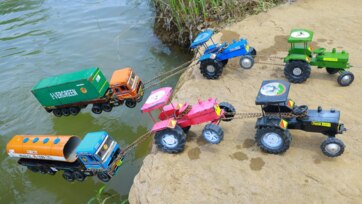
The contemporary landscape of early childhood development is increasingly defined by a sophisticated "edutainment" ecosystem. This multidimensional intersection of digital media, high-contrast visual storytelling, and fundamental educational concepts provides a structured framework for children to interpret and navigate the complex world around them. By utilizing vibrant color palettes, expressive character archetypes, and relatable life scenarios, these narratives support a child's cognitive, social, and emotional growth during critical formative years. Cognitive Foundations: Logic, Categorization, and Mechanics Visual stimuli serve as the primary engines of early learning, allowing children to decode complex concepts like order, attributes, and physical laws before they possess advanced verbal or literacy skills. Chromatic Matching and Attribute Isolation The strategic use of saturated, bold color palettes is a deliberate pedagogical tool used to facilitate categorization and logical grouping. Attribute Alignment: Matching brightly colored, realistic animals—such as a red tiger, a green lion, a yellow bear, a blue gorilla, and a pink panther—to soccer balls of identical hues teaches children to isolate color as a specific, identifiable attribute regardless of the object's form. Sequential Order and Sets: Arranging expressive, large-eyed eggs and corresponding toy trucks in a rainbow spectrum—red, yellow, green, blue, and purple—introduces the mathematical concept of linear progression and the formation of logical sets. Spatial Reasoning: Content featuring colored garage doors that correspond to the colors of specific vehicles helps children practice spatial reasoning and memory alongside their attribute-based sorting skills. Visualizing Mechanical Principles and Problem-Solving High-fidelity digital rendering and real-world play scenarios allow children to witness physical laws and mechanical principles in action. Mechanical Advantage: A blue tow truck using a cable and hook to rescue a yellow school bus stuck in thick, viscous mud serves as a foundational lesson in mechanical advantage and community problem-solving. Combined Force and Resistance: The depiction of multiple toy tractors using chains to pull heavy trucks up a muddy riverbank reinforces concepts of combined force, resistance, and the necessity of collective effort to overcome physical obstacles. Functional Roles in Society: Imagery of an anthropomorphic monkey driving a green tractor to transport livestock while another monkey collects pails of milk demonstrates that every community member has a functional role that contributes to the common good. Social-Emotional Learning (SEL): Mirroring the Internal Landscape A critical component of modern children's media is Social-Emotional Learning, which provides children with the visual vocabulary needed to identify, validate, and communicate their own complex feelings. Naming and Validating Feelings Exaggerated facial expressions are used as psychological mirrors for a child's internal state, helping them understand and externalize emotions. Shock and Externalizing Anxiety: A child pointing in shock at a dark, smiling "ghost" figure in a bathroom or a large, Spider-Man-themed dinosaur at a bedroom window helps normalize and externalize common childhood anxieties. Visual Shorthand for Sadness: The inclusion of clear, blue teardrops on a character's face—such as the toddler 'Anna'—provides a distinct visual indicator of sadness, teaching children to recognize and name this emotion in themselves and others. Wonder and Curiosity: Wide-eyed, open-mouthed expressions on characters discovering something new—like a child observing a group of chickens—mirror a child’s natural sense of wonder and encourage further exploration of their environment. Modeling Empathy, Stewardship, and Caretaking Narratives often utilize inter-species interactions to model gentle behavior, social harmony, and emotional regulation. Gentle Stewardship: A young boy gently interacting with a fluffy yellow chick and its mother hen models the concept of "gentle hands" and an early respect for all living beings. Identifying the Needs of Others: A panda keeper offering a bucket of fresh vegetables to a worried or hungry lion—while an elephant and giraffe observe—demonstrates caretaking roles and the developmental ability to identify and meet the needs of others. The Joy of Inclusion: A smiling monkey driving a yellow tractor followed by a horse, goat, rooster, and wolf creates a visual representation of communal harmony and the joy found in shared activities. Value of Companionship: Visuals of a diverse group of animals, including a pig, zebra, cow, and elephant, riding together on a brightly colored train foster themes of social inclusion and the intrinsic value of companionship. Normalizing Routines, Hygiene, and Community Responsibility As a child's world expands beyond the immediate family, media serves as a guide for navigating the transitions, expectations, and personal hygiene routines required for healthy living. Hygiene Education through Playful Engagement Turning repetitive daily tasks into playful, high-contrast activities reduces a child's resistance to necessary personal care routines. Interactive Motivation: Smiling, anthropomorphic characters like a "toothbrush" and a "tooth" accompanied by bold text saying "Brush me" transform a hygiene requirement into a friendly, interactive invitation. Visualizing Health Maintenance: The use of a small, grumpy green monster as a symbol for germs or decay helps children visualize the "why" behind brushing, making it a necessary part of health maintenance rather than an arbitrary rule. Community Systems and Service Roles Children learn to appreciate the "helpers" and various systems in their environment by seeing characters work together. Service Sector Cooperation: The congregation of an ambulance, a fire truck, and a cement mixer around a rescue scene involving a school bus reinforces the idea that professionals from different sectors work together to keep the community safe. Educational Journeys: A brightly colored train driven by a young boy, carrying a diverse cargo of animals and balloons, serves as a metaphor for the excitement and collective progress found in educational journeys. Imaginative Vocational Play: A young boy dressed as a pilot standing in front of a large cardboard airplane demonstrates the importance of imaginative play in exploring future roles and the broader world of travel and service. Nature as a Sensory and Educational Classroom Vibrant depictions of outdoor habitats and animal interactions encourage a healthy transition from digital consumption to real-world sensory exploration and agricultural literacy. Biodiversity and Biological Identification By presenting diverse species in clear, bright settings, media helps children build a biological vocabulary and essential observation skills. Observation Skills in Action: Seeing a child kneeling to interact with a group of brown and white chickens encourages children to look closer at the wildlife in their own immediate environment. Identifying Physical Traits: Detailed visuals of roosters with red combs, black and white spotted cows, and goats with horns help children learn the defining physical characteristics used to distinguish different animal species. Agricultural Foundations: Visuals of cows being transported in a wooden trailer behind a tractor introduce children to the concepts of farm life, animal care, and the origins of the resources they use daily. Validating Tactile and Physical Discovery Content that celebrates sensory experiences in nature encourages active, physical play and innate curiosity. Nurturing Compassion: A young boy crouching in the grass to feed a chick frames nature as a safe, welcoming, and compassionate space for discovery and cross-species bonding. Physical Interaction with the Environment: Depicting characters or toy vehicles interacting with mud and water validates tactile exploration as a positive, educational way to learn about the environment's varying physical properties. Conclusion: The Integrated Blueprint for Early Development The digital and visual landscape of early learning is a carefully constructed tapestry designed to address the development of the whole child. By using saturated colors to teach logic, expressive faces to teach empathy, and relatable life scenarios to teach responsibility, these visual narratives provide a roadmap for navigating the complexities of the real world with confidence and curiosity. Whether a child is watching a monkey drive a tractor, learning to match a blue gorilla to a blue ball, or observing a panda feed a hungry lion, they are building the mental and emotional frameworks necessary to step out of their homes—or their cardboard airplanes—with a balanced sense of wonder and compassion. These stories turn mundane routines into moments of profound discovery, ensuring that children view their world as a place filled with helpers, friends, and endless opportunities for learning.
Screen Time vs. Story Time: Finding the Right Balance
In today’s digital world, children are growing up surrounded by screens. From educational apps to entertaining cartoons, digital content has become an integral part of childhood. However, traditional storytelling and book reading remain essential for cognitive and emotional development. So, how can parents strike the right balance between screen time and story time? Let’s explore the benefits of both and find practical ways to create a healthy mix. The Pros and Cons of Screen Time ✅ Benefits of Screen Time Educational Value: High-quality digital content can enhance learning, improve language skills, and introduce children to new concepts. Interactivity: Many apps encourage active participation, improving problem-solving and creativity. Entertainment and Engagement: Digital media can be fun and engaging, keeping children entertained while learning. ❌ Challenges of Too Much Screen Time Reduced Attention Span: Excessive screen exposure can impact focus and patience. Sleep Disruptions: Blue light from screens can interfere with melatonin production, making bedtime routines difficult. Limited Social Interaction: Overuse of screens may replace face-to-face interactions, affecting communication skills. The Timeless Value of Story Time Reading stories has been a fundamental part of childhood for centuries. Whether through picture books, bedtime stories, or oral storytelling, this traditional activity offers numerous benefits. 📖 Why Story Time is Important Boosts Language Development: Listening to stories enhances vocabulary, comprehension, and communication skills. Strengthens Parent-Child Bonding: Story time fosters closeness, making children feel safe and loved. Encourages Imagination and Creativity: Unlike screens, books allow children to visualize and create their own mental images. Finding the Right Balance Achieving a balance between screen time and story time requires intentional effort. Here are some tips to help parents create a healthy routine: 🕒 1. Set Screen Time Limits The American Academy of Pediatrics recommends: 0–18 months: Avoid screen time (except for video calls). 18 months – 2 years: Limited, high-quality content with parental supervision. 2–5 years: No more than one hour per day of quality programming. 📚 2. Make Story Time a Daily Ritual Set a fixed time each day for reading, such as before bedtime. Let your child choose the books to keep them engaged. Use expressive voices and ask questions to make the experience interactive. 🎭 3. Blend Both Approaches Use audiobooks and interactive e-books to combine digital tools with storytelling. Encourage children to act out stories after watching or reading them. Discuss what they watched or read to reinforce learning. 🚀 4. Be a Role Model Children imitate their parents. If they see you enjoying books, they’ll be more likely to develop a love for reading. Conclusion Both screen time and story time have their place in a child’s development. While digital content can be educational and engaging, traditional storytelling remains a powerful tool for learning and emotional bonding. By setting limits, incorporating daily reading habits, and finding creative ways to integrate both, parents can create a balanced approach that supports their child’s growth.
Advertisement
Foundations of Early Childhood Learning through Visual Media
In the contemporary landscape of early childhood education, digital media and high-impact visual storytelling have emerged as powerful tools for shaping cognitive and social development. This multidimensional "edutainment" ecosystem leverages saturated color palettes, expressive character archetypes, and relatable daily scenarios to build a holistic framework for a child's understanding of the world. By examining themes ranging from basic cognitive sorting to complex emotional intelligence and community responsibility, we can observe how these visual narratives guide a child’s transition into broader social environments. The Cognitive Blueprint: Visual Logic and Categorization Long before children master verbal language, they are proficient at decoding visual information through color, shape, and pattern recognition. Chromatic Education and Set Theory Strategic color usage is a primary instructional tool used to facilitate categorization and logical grouping. Attribute Matching: By presenting brightly colored animals—such as a red tiger, a green lion, or a blue gorilla—alongside soccer balls of identical hues, media teaches children to identify shared attributes across different species. This is a foundational skill for scientific observation and data organization. Sequential Order: The arrangement of expressive "talking" eggs and service vehicles in a rainbow spectrum (red, yellow, green, blue, purple) reinforces the concept of linear sequences and predictable order. Logical Slots: Visuals featuring colored garage doors or slots that match the colors of specific vehicles help children practice spatial reasoning and attribute-based sorting. Sensory Bridging and Cause-and-Effect High-fidelity digital rendering allows children to "feel" textures and mechanical concepts through their eyes. Tactile Visualization: High-contrast images of toy trucks stuck in thick, viscous mud bridge the gap between digital content and real-world sensory play. Mechanical Problem Solving: Seeing a blue tow truck use a cable to pull a yellow school bus out of a mud pit provides a clear lesson in mechanical advantage and community cooperation. Physics in Play: Realistic depictions of multiple tractors using chains to pull heavy trucks up a muddy riverbank reinforce concepts of teamwork and the physical force required for heavy-duty tasks. Social-Emotional Intelligence and Psychological Resilience One of the most significant roles of modern early media is Social-Emotional Learning (SEL), which provides children with the vocabulary and mirrors needed to understand their internal states. Identifying and Naming Internal States Exaggerated facial features help children recognize and validate their own feelings. Fear and the Unknown: Visuals of a child reacting with shock to a "ghost" figure in a bathroom or pointing in terror at a large "Spider-Man" themed dinosaur outside a bedroom window help normalize common anxieties. Expressing Distress: The use of clear, blue teardrops on a character’s face (as seen on the toddler 'Anna') provides a visual shorthand for sadness, helping children communicate their own distress to caregivers. Anticipation and Surprise: Wide-eyed, open-mouthed expressions on characters—whether rushing for a bus or discovering something new—mirror a child’s natural sense of wonder. Empathy and Communal Bonds Narratives often focus on supportive social interactions to model healthy relationships. Inter-Species Connection: A boy gently interacting with a hen and its fluffy yellow chick models the concept of "gentle hands" and environmental stewardship. Gentle Observation: Three green parrots with red beaks sitting quietly on a branch encourage children to look closer at the natural world and appreciate wildlife. Shared Journeys: Imagery of friends taking a car ride together through a scenic landscape reinforces the idea that life’s milestones are most rewarding when shared with others. Community Systems, Hygiene, and Life Skills As a child's world expands beyond the home, media introduces the systems and routines that govern daily life in a broader community. Temporal Logic and Punctuality The scenario of a child rushing to catch a yellow school bus serves as a foundational lesson in societal expectations. Time Management: The inclusion of a large, prominent analog clock (showing approximately 7:40 AM) helps children visualize the passage of time and the importance of meeting deadlines. Independence: Carrying a backpack toward a vehicle driven by a trusted helper represents a child's growing autonomy as they step into the educational system. Hygiene as an Interactive Activity Visual media turns potentially resistant daily tasks like hygiene into playful, positive experiences. Visual Motivation: Bold text saying "Brush me" alongside a smiling tooth and a purple toothbrush character transforms a chore into a friendly invitation. Conceptualizing Germs: Including a small, grumpy green creature as a symbol of dirt or bacteria helps children visualize why brushing and washing are necessary for health. The Agricultural and Working World Farm and construction themes introduce children to the concepts of labor, food production, and cooperation. Agricultural Roles: Seeing monkeys driving tractors to transport pails of milk or smiling cows show that every member of a community has a specific task that contributes to the whole. The Safety Net of Helpers: Seeing various service vehicles—ambulances, fire trucks, and cement mixers—work together reinforces the idea that the community is supported by a network of professional helpers. Nature as a Living Classroom Depictions of natural habitats and animals encourage children to explore the physical world with curiosity and respect. Biodiversity and Stewardship By presenting characters in diverse settings, children learn to identify different ecosystems and species. Animal Characteristics: Close-ups of roosters with red combs, spotted cows, and goats with horns help children learn the defining physical traits of common animals. Gentle Hands: Imagery of a toddler kneeling to feed goats in a meadow or sitting calmly among chickens models respectful behavior toward living beings. The Value of Experiential Play Content that features characters playing in the mud or nature validates active learning through sensory experience. Normalizing "Messy" Play: Framing a child sitting happily in a mud puddle with a rooster as a moment of joy helps parents and children view the outdoors as a playground for sensory discovery. Environmental Empathy: Surrounded by smiling sheep and cattle, the child learns to feel a sense of belonging within the larger natural world. Conclusion: Synthesizing the Modern Learning Experience The landscape of early childhood education has been transformed by a carefully architected tapestry of visual media. By using magnetic colors to teach logic, expressive faces to teach empathy, and relatable scenarios to teach responsibility, these digital narratives provide a roadmap for navigating the complexities of the real world. Whether a child is matching a green lion to a green ball, observing a tow truck rescue a bus, or watching a toddler gently feed a goat, they are building the mental frameworks necessary for success in school and society. These stories turn mundane routines into moments of profound discovery, ensuring that children step out of their homes with the confidence and curiosity needed to explore the wide, wonderful world.