The Ultimate Guide to the 3D Animated Universe

The world of 3D animation is more than just bright colors and moving shapes on a screen; it is a limitless playground where the laws of physics are optional and the power of imagination is the only thing that matters. From puppies wearing police badges to ninjas sneaking through cow pastures under the moonlight, the stories we see in these digital worlds capture our hearts and spark our curiosity.

In this deep dive, we are going to explore the sprawling landscapes of these animated adventures, breaking down the heroics, the humor, and the heartwarming moments that make these characters so unforgettable.

Chapter 1: Law, Order, and... Pepperoni?

In the bustling city of Puppy-opolis, crime doesn’t stand a chance. Why? Because the Puppy Police are on the prowl. But being a hero is exhausting work. One of the most iconic scenes in this universe doesn't involve a high-speed chase or a daring rescue—it involves a heart-shaped pizza.

The Great Pizza Peace Treaty

It was a Friday night when the lead Puppy Police Officer and his two best friends decided to celebrate a job well done. They didn't just order any pizza; they ordered a massive, heart-shaped pie loaded with melting mozzarella and sun-ripened tomatoes. This scene reminds us that even the toughest law enforcement officers need to recharge. The image of three fluffy puppies wagging their tails over a cheesy feast has become a symbol of friendship and shared rewards.

The Rainbow Car Wash Ritual

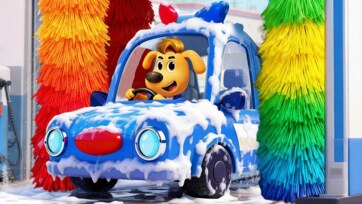
But a police officer's work is never truly done, and neither is the cleaning! After a week of patrolling the muddy outskirts of the city, the iconic Blue Patrol Car was in desperate need of a makeover. The Puppy Police Car Wash is not your average gas station stop. It is a 3D spectacle of giant, spinning rainbow brushes and a blizzard of white soap bubbles. As the car rolls through, the puppies inside bark with joy as the suds cover the windows. It’s a sensory explosion of color and fun that teaches kids that even chores like washing a car can be a magical experience.

Chapter 2: The Kindness Chronicles

While some stories are about action, others are about the quiet moments of empathy that define a true hero.

The Umbrella of Friendship

In a small village nestled between rolling green hills, a sudden rainstorm caught everyone by surprise. Most people ran for cover, but a young boy in a vibrant yellow raincoat did something different. He noticed a small brown goat shivering in the cold downpour. Without a second thought, he stepped off the path and held his large, orange polka-dot umbrella over the animal. This 3D masterpiece is more than just a cute picture; it’s a lesson in "Environmental Empathy." It shows that humans and animals share this world, and a little bit of shelter can go a long way.

Booba and the Musical Frog

Even the wacky and often confused character Booba has his rainy-day moments. Booba is known for getting into trouble, but in the rain, he found a guide. While Booba struggled with a giant yellow umbrella that seemed a bit too big for him, a tiny green frog appeared. The frog wasn’t just sitting there; he had his own miniature yellow umbrella and was pointing Booba toward a dry path. This scene highlights the "Unlikely Alliances" we find in animation—where a furry creature and an amphibian can become best friends just by sharing a bit of shade.

Chapter 3: When Food Goes Giant

One of the best things about 3D animation is the ability to play with scale. In these worlds, a snack isn't just a snack—it’s a challenge!

The Strawberry Shock

Imagine being a puppy the size of a toaster and coming across a strawberry the size of a beanbag chair. That’s exactly what happened to our favorite yellow-furred pup. The shock on his face—wide eyes, gaping mouth, ears perked up—is one of the funniest expressions in 3D history. The strawberry wasn't just big; it had a massive bite taken out of it. Who took the bite? Was it a giant? Was it a hungry dinosaur? The mystery remains, but the puppy’s reaction is a masterclass in comedic timing.

Booba’s Candy Land Special

For those with a serious sweet tooth, Booba’s journey into Candy Land is a dream come true. In this 1-hour special, Booba wanders through a forest where the trees are giant lollipops and the bushes are pink frosted cupcakes. His greatest discovery was a giant orange popsicle that bore his own likeness. Holding that popsicle, Booba looked like he had won the lottery. This world of "Confectionary Architecture" inspires kids to think about what a world made of treats would actually look like.

Chapter 4: The Mystery of the Ninja Night

Not everything in the 3D world is bright sunshine and candy. Some stories take place in the shadows, requiring a bit of stealth and strategy.

The Farmyard Heist?

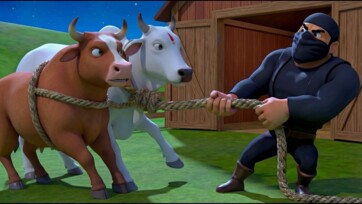
The "Ninja vs. Cows" saga is one of the most debated stories. Under a blanket of stars, near a rustic wooden barn, a muscular ninja dressed in midnight black was seen pulling a heavy rope. On the other end of that rope were two very confused cows—one brown, one white. Was the ninja "borrowing" the cows for a secret mission? Was he rescuing them from a group of invisible farm thieves? The tension in the ninja's muscles and the worried look on the cows' faces create a "Farmyard Thriller" that keeps viewers on the edge of their seats.

Chapter 5: Lessons in Life and Style

Animation often mirrors our real-world struggles but adds a layer of creativity that makes the lessons easier to swallow.

The Rich vs. Poor Comparison

In a thought-provoking 3D scene, we see a "Rich Boy" standing in front of a house literally made of money. He wears a heavy gold chain and holds stacks of cash. Next to him is a "Poor Girl" with a humble cardboard house. She isn't complaining, though; she is busy with a broom, keeping her home clean. This story is designed to spark conversations about Values vs. Wealth. It asks the viewer: "Is a house made of money really a home, or is it the care you put into your surroundings that matters?"

The Purple Foam Cat-astrophe

On a lighter note, the "Girl and the Blue Cat" story tackles the daily struggle of pet hygiene. We all know cats hate water, but this 3D girl has a secret weapon: Purple Bubbles. By turning bath time into a "Foam Hair Salon," she manages to keep her grumpy blue cat in the tub. The image of a cat with a two-foot-tall tower of purple foam on its head is a fan favorite, showing that even the most difficult tasks can be solved with a bit of humor and a lot of soap.

Chapter 6: The Spooky and the Supernatural

Finally, we have the thrills! For those who love a bit of a chill, the 3D world delivers spooky fun without the nightmares.

The Neon Skeleton Disco

Forget old, dusty bones. In the world of 3D Halloween rhymes, skeletons come in neon yellow, electric blue, and glowing red. These skeletons don't want to scare you; they want to dance! Set against the backdrop of a moonlit castle, their synchronized "Bone-Shaking" routines are a hit during the spooky season. It’s a celebration of color and rhythm that turns a scary concept into a party.

The Electric Vampire Squad

For the older kids, the Electric Monster Girls provide a more intense experience. These aren't your traditional vampires. They are modern, stylish, and crackling with blue electricity. When they stand before their glowing portal, you can almost feel the static in the air. Their purple skin and yellow eyes represent the "Futuristic Supernatural" genre, where magic meets technology.

Conclusion: Why We Love the 3D World

The reason these images and stories resonate so much is that they represent unfiltered joy. Whether it’s a puppy eating pizza or a ninja pulling a cow, these stories remind us to look for the extraordinary in the ordinary.

As we look at the data of these adventures, we can see a clear pattern of what makes a 3D story great:

Adventure Statistics at a Glance

The 3D world is constantly expanding. Tomorrow, there might be a dragon at the car wash or a robot helping the girl clean her cardboard house. The only limit is how far you are willing to imagine. So, the next time you see a 3D character, look closely—there might be a giant strawberry or a singing frog just around the corner!

Advertisement
The Transformative Role of Visual-First Learning in Early Childhood Development
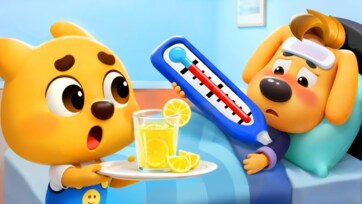
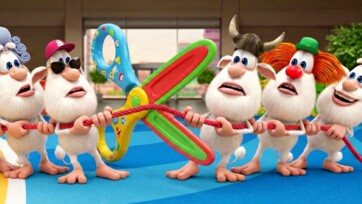
In contemporary early childhood pedagogy, the "visual-first" approach has emerged as a dominant force in cognitive and social-emotional development. By leveraging high-contrast digital art, relatable anthropomorphic characters, and strategic social modelling, modern educational media creates a multi-layered learning environment designed to nurture the "whole child." This extensive visual ecosystem functions as a form of cognitive scaffolding, providing children with the mental blueprints necessary to interpret complex physical mechanics, navigate social friction, and regulate intense internal emotions. The following analysis explores the pedagogical themes present in these visual narratives, emphasising practical examples, developmental connections, and extended scenarios. Cognitive Logic: Categorisation, Attributes, and Physics Visual stimuli are the engines of early learning, allowing children to decode logical structures such as order, attribute matching, and cause-and-effect long before they develop verbal or mathematical literacy. Chromatic Logic and Attribute Isolation The deliberate use of saturated, bold colour palettes facilitates categorisation and foundational set theory. Sequential Sorting: Large-scale visuals, such as a child driving a pink tractor pulling trailers of red, yellow, green, and blue ice cream cones, reinforce colour recognition alongside linear sets and sequential order. Activities like these prime children for early math skills, including grouping and ordering. Anatomical Visualization: Stylized, glowing skeletons in bright primary colors provide a playful introduction to human anatomy, helping children distinguish between structural forms while connecting visuals to the real human body. Temporal and Identity Association: High-contrast graphics, such as a white creature holding an orange popsicle that mirrors its shape, help children associate objects with identity markers and understand duration through "1 Hour" timestamps. This supports early concepts of time and object permanence. Pattern Recognition and Prediction: Repeated visual motifs—like a red ball bouncing over alternating colored platforms—train children to recognise patterns and anticipate outcomes, which is a critical cognitive skill for later problem-solving. Mechanical Principles and Collaborative Problem-Solving Toy-based scenarios involving machinery and physical obstacles teach basic physics and the value of teamwork. Complex Recovery Operations: Two large trucks stuck in a mud pit, being pulled out by a yellow crane, a red tractor, and excavators, illustrate leverage, tension, and cooperative problem-solving. Children visually internalise that some challenges require multiple agents working together. Interconnected Systems: A baby suspended in a series of interlocking gears introduces the idea that machines rely on coordinated parts, laying early groundwork for engineering and mechanical thinking. Force and Physics: Scenes depicting multiple characters in a tug-of-war with a rope tied to giant scissors illustrate tension, opposing forces, and collective effort, creating an intuitive understanding of basic physics concepts. Social Order and Authority: Imagery of "police babies" carrying a struggling mermaid or a police dog chasing a candy thief teaches cause-and-effect reasoning and familiarises children with community roles that maintain safety and fairness. Social-Emotional Learning (SEL): Mirroring and Resilience Modern children’s media provides a visual vocabulary for internal states, allowing children to identify, validate, and communicate complex emotions. Validating Fear and Anxiety Exaggerated facial expressions and surreal scenarios serve as psychological mirrors. Visual Shorthand for Shock: Wide-eyed, gasping expressions in response to a giant T. rex in a living room or a massive bee in a forest serve as visual metaphors for processing unexpected events. Social Horror and Transformation: Characters witnessing a peer’s cup-headed transformation help children discuss exclusion or anxiety over social change. Masking and "Otherness": Imagery of characters with fangs or glowing eyes encourages conversations about the "masking" of emotions and being "different," fostering empathy and self-awareness. Managing Health, Empathy, and Protection Simulated social scenarios teach care, responsibility, and ethical behaviour. Caring for the Sick: A character bringing lemon water and a thermometer models empathy and supports understanding of illness management. Environmental Protection: A child sheltering a lamb from rain introduces responsibility for more vulnerable beings. Interspecies Care: Bathing a blue, purple-haired creature reinforces hygiene as a joyful, nurturing act, linking responsibility with positive emotion. Conflict Resolution: Scenes of characters negotiating access to shared toys provide a framework for turn-taking, compromise, and expressing emotions constructively. Life Skills: Personal Responsibility and Community Visual media transforms everyday tasks and social roles into engaging learning experiences. Hygiene Education and "Health Heroes" Abstract health concepts become tangible and playful. Visualising Germs: Large, green, spiky "virus" monsters make invisible pathogens concrete, illustrating the importance of hand-washing and hygiene routines. Empowered Defence: Children using toy blasters to fend off germs frame health practices as active, engaging, and empowering. Automated Care: Police dogs driving through car washes with colourful brushes reinforce maintenance routines as a part of responsibility and self-care. Financial Literacy and Social Roles Early exposure to concepts of wealth, labour, and social responsibility. Symbolism of Economic Disparity: Children depicted with stacks of cash versus those with brooms or cardboard homes illustrate social roles and economic differences. Creative Expression: Surrealist visuals, like stylised female faces incorporated into fashion items, encourage artistic exploration and understanding of design principles. Team-Based Tasks: Scenes showing characters running small businesses or managing markets provide visual lessons in cooperation, responsibility, and community participation. Biodiversity and Communal Rewards Nature-based themes and communal activities introduce children to environmental literacy and the value of shared experiences. Agricultural Origins: A monkey transporting bananas via tractor teaches the concept of farm-to-table logistics and the origins of food resources. Communal Rewards: A police dog serving a heart-shaped pizza to peers underscores collaboration, generosity, and social joy. Animal Interaction: Feeding a giraffe or interacting with a calf encourages respect for biodiversity and stimulates curiosity about living creatures. Environmental Stewardship: Scenes where children plant seeds or care for gardens link visual engagement with sustainable behaviours and awareness of ecological cycles. Conclusion: The Integrated Blueprint for Development The visual landscape of early learning is a carefully constructed tapestry, targeting the development of the "whole child." Saturated colours teach logic, expressive faces teach empathy, collaborative play teaches physics, and interactions with nature foster respect for life and the environment. Each scenario bridges digital media and the physical world. Whether children are sorting colourful ice cream trailers, helping peers, or sheltering animals, they internalise lessons in cognition, social-emotional understanding, life skills, and environmental literacy. Over time, this foundation cultivates confident, adaptable learners capable of navigating the complexities of the real world—one visual frame at a time.
Advertisement
The Role of Quality Children’s Videos in the Modern World – Learning and Fun Combined
In the digital age, where screens are everywhere, parents often worry about their children spending too much time watching videos. However, with the right content, these videos can be both entertaining and highly beneficial for a child’s development. A New Way of Learning Children are naturally curious and eager to learn, and quality children’s videos build on this curiosity. Interactive animations, songs, and stories teach in a playful way: • Language learning: Many videos help children learn new words and phrases, especially in other languages. Popular English nursery rhymes, like the alphabet song or counting songs, are both fun and educational. • Science and nature: Content that explores animals, natural phenomena, or even simple science experiments encourages kids to discover the world around them. • Social skills: Kids can learn how to navigate different situations, such as friendships, conflicts, or emotions. Why Is Video Learning So Effective? The combination of visual and auditory experiences is especially memorable for children. A colorful animation or catchy song is easier to retain than traditional textbook material. Characters on screen can serve as role models, demonstrating kindness, collaboration, or problem-solving. How to Choose the Right Content It’s important for parents to monitor what their children watch. Good children’s content should be:• Age-appropriate: Simple, colorful animations are ideal for younger children, while older kids can engage with more complex topics. • Value-driven: The content should convey positive messages that promote empathy, confidence, and positive thinking. • Interactive: Many modern videos encourage active participation, such as singing along or solving tasks. The Importance of Balance While quality children’s videos can offer a lot, screen time should still be limited. The best approach is to balance video watching with other activities like reading, outdoor play, or creative projects. Watching educational videos together as a family can also strengthen bonds and make learning more engaging. Future Possibilities The world of children’s videos is constantly evolving to better cater to kids’ learning needs. New technologies, such as interactive VR experiences or smart device integration, can further enhance the learning opportunities available to children. In summary, quality children’s videos are excellent tools for both education and entertainment. It’s up to parents to carefully select what their kids watch and help them explore the world in a positive and inspiring way.
The Power of Kindness
A Tiny Squirrel and a Little Duckling Welcome to the heart of the forest, little friends! Today, we are looking at a very touching picture that tells a story without saying a single word. It features two of the cutest animals you will ever see: a fluffy baby squirrel and a soft yellow duckling. They are standing together in a quiet part of the woods, and something very special is happening between them. This is a story about big feelings, being a good friend, and how even the smallest animals can show the greatest kindness. Meet Our New Forest Friends In the center of our picture, we have two very different animals who have become the best of friends. Let's get to know them! The Brave Little Squirrel On the left is a small, brown squirrel with a big, bushy tail. If you look closely at his face, you might see something sad—there is a tiny tear in his eye. Maybe he lost his favorite nut, or perhaps he got a little lost in the big woods. Even though he feels a bit sad, he is looking at his friend with a hopeful smile. The Comforting Yellow Duckling On the right is a bright yellow duckling. Ducklings are usually found swimming in ponds, but this one has waddled onto the land to be with his friend. He has a very kind look in his eyes. He is standing very close to the squirrel, showing that he is there to listen and help. A Lesson in Empathy and Comfort This picture is a perfect example of something called empathy. Empathy is a big word that means understanding how someone else feels. Why is the Squirrel Sad? In the forest, things can sometimes be scary for small animals. The Big Trees: To a tiny squirrel, the tree stumps in the background look like giant mountains. Being Alone: Maybe the squirrel couldn't find his family for a moment. Sharing Feelings: The squirrel isn't trying to hide his tear. He is showing his friend that he is sad, which is a very brave thing to do! How the Duckling Helps The duckling doesn't have a tissue to wipe the tear away, and he can't speak "squirrel language," but he is doing the most important thing: he is staying. * Standing Close: By standing right next to the squirrel, the duckling is saying, "You are not alone." Listening with Eyes: Sometimes, you don't need to talk to make someone feel better. Just looking at them with love is enough. Exploring the Quiet Forest Floor The world around our two friends is very calm. It looks like the "nursery" part of the forest where the youngest animals play. The Giant Tree Stumps Behind the squirrel and the duckling are large tree stumps. These used to be tall trees that reached for the clouds. Now, they provide a safe place for little animals to hide or sit. To us, they are just wood, but to a squirrel, a stump is a castle or a dinner table! The Soft Earth and Fallen Leaves The ground is covered in soft dirt and a few fallen leaves. It isn't a busy playground with swings or slides; it’s a natural place where the only sounds are the rustle of the wind and the "quack" of a duck. This quiet setting helps the two friends focus on each other. Different but the Same One of the most beautiful things about this picture is that a squirrel and a duck are very different, yet they are the best of friends. Different Homes The Squirrel: Lives high up in the "drays" (nests) built in the branches of trees. He loves to climb and jump. The Duckling: Lives near the water and loves to paddle with his webbed feet. Different Skills The squirrel is great at gathering acorns and balancing on thin twigs. The duckling is great at swimming and finding snacks in the mud. Even though they do different things, they found a way to connect. This teaches us that you don't have to be exactly like someone to be their friend! How to Be a "Duckling Friend" We can all learn a lot from the yellow duckling in the picture. If you see a friend at school or a sibling at home who looks like they might have a tear in their eye, here is how you can be a hero: Walk Over: Just like the duckling waddled over, go to your friend. Ask "Are you okay?": Sometimes people just want to be asked. Stay with Them: You don't have to solve the problem right away. Just sitting with them while they feel sad helps the sadness go away faster. Offer a Hug: If they want one, a hug is like a warm blanket for the heart. The Colors of Friendship The artist used very soft, warm colors for this scene to make us feel peaceful. Warm Brown: The squirrel’s fur is a cozy brown, like a cup of hot cocoa. It makes him look very huggable. Sunny Yellow: The duckling is a bright yellow, which usually represents happiness. By bringing his yellow color near the brown squirrel, it’s like he is bringing a little bit of sunshine into a sad moment. Soft Grey and Tan: The background colors are muted so that our eyes stay focused on the two friends. What Happens Next? If we were to turn the page of this story, what do you think would happen? Perhaps the duckling invites the squirrel to the edge of the pond to see the dragonflies. Or maybe the squirrel shows the duckling where the sweetest berries grow. Once the tear is gone, the adventure begins! When friends support each other through the sad times, the happy times become even more fun. The bond between this squirrel and duckling is strong because it started with a moment of kindness. Conclusion: Kindness is a Language Everyone Speaks The picture of the squirrel and the duckling reminds us that no matter how small you are, you have the power to change someone's day. A simple look, a quiet moment, and a little bit of patience can turn a sad face into a smiling one. So, the next time you see someone who looks a bit down, remember our forest friends. Be the "sunshine yellow" in someone else's "brown" day. Kindness is the best nut a squirrel can find, and the best pond a duck can swim in!
Top 10 Fruits for Kids | Boost Growth & Immunity Naturally
Fruits are a powerhouse for children’s growth, energy, immunity, and brain development. Each fruit brings its unique blend of vitamins, minerals, fiber, and antioxidants that support overall well-being. While all fruits are beneficial, some stand out for their nutrient density and child-friendly taste. Here’s a detailed guide to the top 10 fruits every child should eat regularly, along with their benefits and practical ways to include them in a child’s diet. Banana — Energy and Potassium Booster: Bananas are one of the most child-friendly fruits. They are rich in potassium, which supports heart health and muscle function, and contain natural sugars that provide quick yet sustained energy. Bananas are also high in fiber, which aids digestion and keeps children full between meals. Practical Tips: Slice bananas into breakfast cereal or oatmeal. Blend with milk for a nutritious smoothie. Serve as a quick snack for school or outdoor play. Apple — Fiber and Immunity Support: Apples are packed with fiber, vitamin C, and antioxidants, making them excellent for digestion and immunity. The peel contains a significant amount of nutrients, so serving apples unpeeled is recommended. Apples also improve satiety, reducing cravings for unhealthy snacks. Practical Tips: Cut into thin slices for lunchboxes. Mix with peanut butter for a fun snack. Bake with cinnamon for a warm treat. Orange — Immune and Vitamin C Powerhouse: Oranges are rich in vitamin C, which strengthens the immune system, supports skin health, and aids iron absorption from other foods. They are juicy, sweet, and naturally appealing to children. Practical Tips: Serve as segments for snacks. Freshly squeeze for homemade juice (without sugar). Add orange slices to fruit salads. Mango — Growth and Eye Health: Mangoes are not only delicious but are also high in vitamin A, vitamin C, and antioxidants, which help improve vision, support immunity, and promote tissue growth. Mangoes are perfect for summers and are generally well-loved by children. Practical Tips: Serve as mango cubes or puree. Add to smoothies or yogurt bowls. Mix with other fruits for a tropical fruit salad. Papaya — Digestion and Immune Booster: Papaya contains enzymes like papain that aid digestion and make nutrient absorption easier. It’s rich in vitamin C, folate, and potassium, which support growth, immunity, and muscle function. Practical Tips: Serve raw as cubes for breakfast or snack. Blend into smoothies with banana or mango. Mix with a little yogurt for an easy dessert. Guava — Vitamin C Superfruit: Guava is one of the richest sources of vitamin C, far exceeding oranges. It also contains fiber, potassium, and antioxidants. Regular consumption supports immunity, healthy skin, and digestive health. Practical Tips: Serve sliced or in small chunks. Mash and mix with yogurt. Add to fruit salads for extra color and nutrition. Blueberries — Brain and Antioxidant Support: Blueberries are loaded with antioxidants, vitamins, and flavonoids that support brain development, memory, and learning in children. They also protect cells from damage caused by free radicals. Practical Tips: Add to oatmeal, cereal, or yogurt. Serve fresh or frozen as a snack. Mix into pancake or muffin batter. Watermelon — Hydration and Refreshment: Watermelon is more than just a juicy summer treat. It provides hydration, vitamin C, potassium, and antioxidants, helping children stay refreshed, maintain energy, and support heart health. Practical Tips: Cut into fun shapes for kids. Blend for a natural, hydrating juice. Mix with berries for a colorful summer salad. Pomegranate — Immunity and Heart Support: Pomegranates are rich in antioxidants, vitamin C, and fiber, supporting immunity, heart health, and digestion. The bright red seeds are fun to eat and can be mixed into meals or snacks. Practical Tips: Serve arils (seeds) as a snack. Sprinkle over yogurt or oatmeal. Mix into salads or smoothies. Strawberries — Antioxidant and Digestive Aid: Strawberries are high in vitamin C, fiber, and antioxidants, supporting immunity, skin health, and digestion. They are naturally sweet and usually a favorite among children. Practical Tips: Serve whole or sliced as a snack. Blend into smoothies or milkshakes. Mix with other fruits for colorful fruit bowls. Tips for Incorporating Fruits in Children’s Diets: Variety is Key: Offer a mix of fruits in different colors, flavors, and textures to ensure a wide range of nutrients. Seasonal Choices: Seasonal fruits are often richer in nutrients and fresher. Adjust the fruit selection according to the season. Creative Presentation: Cut fruits into fun shapes, create fruit skewers, or mix with yogurt and oats to make them appealing. Consistency Over Quantity: Encourage daily fruit intake rather than occasional large servings. Small, regular servings work best. Pairing for Better Absorption: Pair vitamin C-rich fruits like oranges or guava with iron-rich meals to enhance nutrient absorption. Final Thoughts: Fruits are a cornerstone of a healthy childhood diet. They provide energy, immunity, digestive support, and brain-enhancing nutrients. The **top 10 fruits listed here—banana, apple, orange, mango, papaya, guava, blueberries, watermelon, pomegranate, and strawberries—**cover the essential nutrients that growing children need. Including these fruits regularly ensures children develop strong bones, sharp minds, and a resilient immune system. Parents should focus on variety, seasonal availability, and creative serving methods to make fruit consumption enjoyable and consistent. Remember, fruits are not just snacks—they are essential growth boosters that can shape a child’s health for life.  
Educational and Developmental Benefits of Booba for Children
Booba is a unique cartoon that combines entertainment, humor, and subtle learning in a way that is perfect for young children. Unlike dialogue-heavy shows, Booba communicates entirely through gestures, facial expressions, and playful sounds, which allows children to observe, interpret, and learn without relying on words. This silent, yet highly expressive cartoon provides a rich environment for children to develop cognitive skills, creativity, emotional intelligence, and problem-solving abilities. Parents can use Booba episodes as a fun learning tool to encourage exploration, imagination, and practical life skills. Enhances Problem-Solving and Critical Thinking Each Booba episode presents small challenges and obstacles that require clever solutions. Jerry’s adventures are replaced here by Booba’s curious explorations, which teach children that: There is more than one way to solve a problem. Observation is key to understanding surroundings. Trial and error can be a fun learning process. Example Episodes: Booba in the Kitchen: Booba tries to reach a cookie jar by experimenting with objects, showing children how to think creatively to solve challenges. Booba and the Balloon: Booba manipulates the balloon to learn cause-and-effect, encouraging reasoning and planning. Parent Tip:Pause episodes and ask children, “How would you solve this problem?” This encourages predictive thinking and logical reasoning. Boosts Observation and Cognitive Skills Because Booba communicates non-verbally, children must observe gestures, facial expressions, and surroundings to understand the story. This enhances: Attention to detail: Noticing how Booba interacts with objects and animals. Memory skills: Following the sequence of events and remembering outcomes. Analytical thinking: Understanding cause-and-effect relationships. Activity Idea: Play “Spot Booba’s Trick”: Ask children to identify objects Booba uses creatively. Discuss the outcomes and let them predict what will happen next, strengthening reasoning skills. Encourages Creativity and Imaginative Play Booba often turns ordinary items into imaginative toys or tools. Watching this inspires children to repurpose objects and invent games, which enhances creativity. Examples: Booba uses a spoon as a musical instrument. A cup becomes a hat or a vehicle in his playful adventures. Parent Tip: Encourage children to create their own Booba-inspired adventures using household items or toys. Combine with drawing, building blocks, or craft projects to expand imaginative thinking. Emotional Development and Empathy Booba’s expressive face and body language help children recognize and understand emotions, including happiness, frustration, curiosity, and surprise. Observing these emotions supports empathy development. Practical Tips: Pause episodes to discuss feelings: “Why is Booba happy? What made him frustrated?” Encourage children to act out emotions, improving emotional awareness and communication. Educational Benefit: Helps children understand their own feelings and those of others. Builds social-emotional intelligence, which is crucial for early childhood development. Physical Development Through Movement Children naturally imitate Booba’s movements, which can support gross motor skills. Parents can encourage safe role-playing, where children act out Booba’s energetic actions. Examples: Climbing, crawling, or jumping like Booba. Creating obstacle courses inspired by Booba’s adventures. Dance or movement activities synced with playful episodes. Benefit: Combines screen time with physical activity, reducing sedentary behavior. Promotes coordination, balance, and motor development. Teaches Curiosity and Exploration Booba’s adventures spark a natural sense of curiosity in children. Observing how he explores his environment encourages kids to: Ask questions about their surroundings. Experiment safely with toys and objects. Understand that learning can be fun and playful. Activity Idea: After an episode, ask children to find items in the home that Booba might play with. Encourage them to invent stories or games using those items, fostering creativity and exploration. Problem-Solving and Practical Life Skills Booba’s playful experiments often involve cause-and-effect learning, which teaches children practical lessons: How actions can produce different outcomes. Creative thinking when faced with obstacles. Persistence when a first attempt fails. Example Episode: Booba in the Workshop: Booba interacts with tools and small machines, experimenting safely to achieve goals. Parent Tip: Ask children to predict outcomes or suggest alternative solutions to reinforce problem-solving skills. Supports Cognitive and Learning Development Booba episodes naturally introduce early learning concepts: Colors, shapes, and counting: Often incorporated into playful activities. Sequencing and memory: Following Booba’s actions step by step. Observation of surroundings: Encouraging children to notice small details. Activity Idea: Ask children to count objects Booba interacts with or identify colors and shapes. Create a “Booba challenge” game where children mimic actions and recall sequences. Safe and Child-Friendly Entertainment Booba is non-violent and educational, making it ideal for young audiences. Unlike other cartoons with conflict or dialogue-heavy content, Booba: Uses playful mischief, not aggression. Demonstrates curiosity and exploration rather than risky behavior. Encourages problem-solving without negative role models. Parent Tip: Use Booba as a screen-time reward or educational break. Engage with children to discuss observations and encourage reflection. Fun Facts About Booba Booba is designed as a non-verbal, universally understandable character, perfect for global audiences. Episodes often emphasize exploration, humor, and sensory engagement. Booba inspires creative play, safe experimentation, and curiosity, which supports early childhood development. It’s widely popular in Russia, the USA, India, and Pakistan, appealing to children of all languages. Conclusion Booba is more than a fun cartoon—it’s a learning tool. Children enjoy his adventures, humor, and playful antics, but the show also promotes: Cognitive skills through observation, sequencing, and problem-solving. Emotional development and empathy through expressive gestures and facial cues. Creativity and imaginative play through repurposing everyday objects. Physical development through active role-play and imitation. Curiosity and safe exploration of their surroundings. Parents can maximize the educational benefits of Booba by interacting with children during episodes, asking questions, role-playing scenarios, and encouraging creative projects inspired by Booba’s adventures. With thoughtful engagement, Booba becomes both entertaining and educational, helping children develop critical thinking, creativity, and emotional intelligence while having endless fun.
Why is Rhythm and Music Important in Early Childhood Development?
Music and rhythm play a pivotal role in the development of young children. For preschoolers, music is not just a source of entertainment—it is a powerful tool that supports their overall growth. Engaging with music helps enhance emotional, social, cognitive, motor, and language skills. 1. Rhythm Develops Motor Skills: Rhythm and movement are closely linked. Children who engage in music through singing, dancing, or playing instruments experience improved coordination and motor skills. Following beats helps them develop a sense of body awareness, while activities like clapping or drumming improve both fine and gross motor coordination. 2. Music and Rhythm Improve Language Skills: Musical experiences significantly contribute to language development. Songs, rhymes, and chants that children listen to and sing help expand their vocabulary. Rhythm also plays a crucial role in teaching sentence structure and the proper use of emphasis and intonation in speech, making it easier for children to understand and use language effectively. 3. Music's Emotional and Social Impact: Music helps children better understand and express their emotions. Listening to different types of music enables them to feel a range of emotions, from joy to sadness, while also helping them to develop empathy and emotional intelligence. Group music-making activities, like singing in a circle or dancing together, strengthen social bonds and promote teamwork and patience. 4. Music and Rhythm in Cognitive Development: Research has shown that exposure to music can enhance memory, attention, and problem-solving skills. Following rhythms and beats improves children’s ability to concentrate, while musical games and exercises support memory retention. In fact, music stimulates multiple areas of the brain and encourages cognitive growth. 5. Balancing Music, Play, and Learning: For children, learning is most effective when it’s fun and interactive. Music offers a playful approach to education, making learning enjoyable and engaging. By incorporating music into daily activities, children are able to learn in a way that feels natural and fun, all while developing a wide range of essential skills.
Fun 3D Puppy Police Car Wash - Cleaning the Blue Patrol Car
In contemporary early childhood education, the "visual-first" approach has become a dominant framework for supporting both cognitive and social-emotional development. By leveraging high-contrast digital art, relatable anthropomorphic characters, and carefully crafted social scenarios, modern educational media creates a multi-layered learning environment that nurtures the “whole child.” This visually rich ecosystem acts as cognitive scaffolding, providing children with mental blueprints to interpret physical mechanics, navigate social interactions, and regulate intense internal emotions. Unlike traditional text-heavy pedagogy, visual-first learning aligns with the natural ways young children perceive and process the world, making abstract concepts concrete and engaging. Cognitive Logic: Learning Through Sight, Patterns, and Problem-Solving Visual stimuli serve as the primary engine of early learning. Children decode logical structures such as order, attribute matching, and cause-and-effect long before verbal or numerical literacy develops. Chromatic Logic and Attribute Isolation: The strategic use of saturated, bold colours supports categorisation and set theory. Superhero-themed activities, where children match colored liquids to icons like Hulk (green), Spider-Man (blue), and Iron Man (red), reinforce recognition of single defining attributes across multiple objects. Sequential sorting exercises—such as a child driving a pink tractor pulling trailers of ice cream cones in red, yellow, green, and blue—further cement concepts of order, hierarchy, and sequence. Anatomical Visualisation: Simplified, colourful skeletons introduce human anatomy playfully. Bright primary colours differentiate structural parts like bones and joints, helping children grasp complex bodily systems while reducing fear or confusion around medical imagery. Mechanical Principles and Collaborative Problem-Solving: Visual play scenarios often depict machinery and physical obstacles, offering foundational physics lessons. For example, a scene where two large trucks are stuck in mud and are freed collaboratively using cranes, tractors, and excavators teaches leverage, tension, and problem-solving in a team context. Interconnected gears with animated characters suspended in motion illustrate systems thinking: children understand that parts rely on one another, forming an intuitive grasp of cause and effect. Socially contextualised consequences, such as a police dog chasing a candy thief or "police babies" assisting a struggling mermaid, reinforce communal rules, responsibility, and teamwork. Social-Emotional Learning: Emotional Vocabulary and Resilience Visual storytelling provides children with a vocabulary for internal states, allowing them to identify, validate, and eventually communicate their own feelings. Validating Fear and Anxiety: Exaggerated facial expressions, surreal scenarios, and visual cues like teardrops or wide-eyed, gasping faces externalise emotion. Scenes with giant bees, living-room T-Rexes, or peers undergoing fantastical transformations allow children to explore unexpected or overwhelming events safely. Stylised imagery—purple-skinned characters with fangs and glowing eyes—helps children discuss feelings of difference, social exclusion, or emotional masking. These visual metaphors support early resilience, helping children recognise that fear and surprise are normal responses to new situations. Managing Health and Empathy: Visual scenarios modelling caregiving behaviours teach empathy and practical social skills. A character bringing water and a thermometer to a sick friend introduces children to the tools of recovery while highlighting supportive behaviours. Interspecies care, like bathing a fantastical creature in pink bubbles, teaches nurturing and responsibility. Surreal social scenarios, such as reacting to peers transforming into fantastical beings, allow children to discuss how to respond to change and difference in others. Life Skills: Hygiene, Responsibility, and Community Participation By transforming mundane daily tasks and community roles into playful adventures, visual-first media reduces resistance to societal expectations and self-care routines. Hygiene Education and "Health Heroes": Tangible representations of germs—green, spiky monsters with teeth—make invisible threats concrete, turning handwashing into an interactive, empowering act. Toy blasters, car washes, and other imaginative tools teach children that personal hygiene is not a chore but a form of self-protection and agency. Even simple rituals, like cleaning a toy vehicle with soap and giant brushes, reinforce consistent habits in a visually engaging way. Financial Literacy and Social Roles: Early exposure to wealth, labour, and aspiration through play introduces concepts of effort, reward, and social structure. Images showing children with stacks of cash and gold chains contrasted with children using brooms or cardboard houses communicate social disparity and aspirational narratives. Surrealistic visual elements—faces integrated into shoes, playful uniforms, or imaginative tools—encourage creativity, problem-solving, and confidence in expressing individuality. Community Awareness: Role-playing civic and professional roles (train conductors, farmers, police officers) allows children to internalise the importance of cooperation, responsibility, and social contribution, fostering a sense of belonging and purpose. Biodiversity and Environmental Literacy Nature-based visuals connect children to the origins of food, the living world, and ecological systems. Agricultural Logistics and Healthy Eating: Scenes depicting monkeys transporting banana harvests or smiling anthropomorphic produce introduce resource flow and farm-to-table concepts. Children learn how food is grown, transported, and shared within a community. Direct Engagement with Nature: Visuals showing toddlers feeding animals or reacting to prehistoric life encourage curiosity, empathy for animals, and physical engagement with the natural world. These experiences cultivate early environmental awareness and respect for biodiversity. Communal Rewards and Cooperation: Shared activities, like a police dog distributing heart-shaped pizza to friends, teach children that collaboration brings joy and fosters social cohesion. By connecting personal actions with community benefits, visual-first pedagogy reinforces both empathy and teamwork. Practical Applications for Parents and Educators Parents and educators can maximise the benefits of visual-first media by: Contextualising visuals in real life: Reinforce lessons from visual media through real-world activities like sorting colored blocks, building simple machines, or caring for pets. Discussion and reflection: Ask children to describe character emotions, problem-solving strategies, or cooperative behaviours, helping them verbalise understanding. Integration with everyday routines: Use playful, visual metaphors for hygiene, teamwork, and emotional expression to reinforce consistency and create positive associations. Conclusion: Building the “Whole Child” The visual-first approach is more than entertainment—it is a developmental blueprint. Saturated colours teach logic, expressive faces teach empathy, and collaborative play teaches mechanics, teamwork, and community responsibility. By bridging the digital and physical worlds, visual-first pedagogy allows children to rehearse real-life scenarios safely and imaginatively, cultivating robust cognitive, social, and emotional foundations. Through thoughtful engagement with these media, children gain the tools to navigate complex physical, social, and emotional challenges with confidence, one frame at a time.  
Advertisement
Grumpy Toddler Girl and Happy Baby Playing on Playground Swing
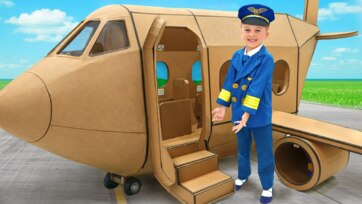
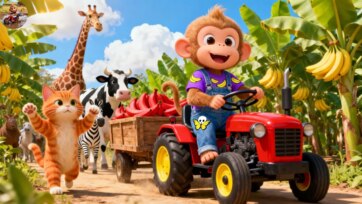
Modern early childhood development is increasingly influenced by a sophisticated "edutainment" ecosystem that leverages high-contrast digital art, relatable anthropomorphic characters, and strategic social modeling. This visual landscape is meticulously designed to provide a structured framework for children to interpret complex concepts ranging from physical mechanics to emotional regulation. By analyzing themes across these varied scenarios, we can observe how visual narratives function as a "digital blueprint" for foundational life skills. Cognitive Foundations: Logic, Sorting, and Categorization Visual stimuli are the primary drivers of early learning, allowing children to decode logical structures such as order, attributes, and sets long before they possess advanced verbal or literacy skills. Chromatic Logic and Attribute Isolation The strategic use of saturated color palettes is a deliberate pedagogical tool used to facilitate categorization. Rainbow Sequencing: Content featuring anthropomorphic trucks and expressive eggs arranged in a rainbow spectrum (red, yellow, green, blue, purple) reinforces the mathematical concept of linear progression and predictable order. Attribute Matching: Visuals that place specific vehicles next to matching colored garage doors allow children to practice spatial reasoning and attribute sorting, teaching them to isolate color as a primary identifiable trait. Mechanical Cause-and-Effect Toy-based scenarios involving service vehicles provide foundational lessons in physics and problem-solving. Mechanical Advantage: A blue tow truck using a cable and hook to rescue a yellow school bus stuck in thick, viscous mud serves as a primary lesson in how tools extend human and mechanical capabilities to overcome environmental resistance. Combined Force: Seeing multiple tractors (blue, pink, green, and black) using heavy chains to pull a tanker and cargo truck up a riverbank demonstrates the necessity of collaborative effort for tasks requiring extreme force. Environmental Physics: Realistic depictions of mud sticking to tires or vehicles partially submerged in water introduce children to the physical properties of friction, weight, and fluid dynamics in a safe, observational environment. Social-Emotional Learning (SEL): The Internal Landscape A critical component of modern children's media is SEL, which provides children with the visual vocabulary needed to identify and communicate their own complex feelings. Mirroring and Naming Emotions Exaggerated facial expressions act as psychological mirrors, helping children validate and name their internal states. Visual Shorthand for Distress: The inclusion of clear, blue teardrops on a character's face—such as the toddler 'Anna'—provides a distinct visual indicator of sadness or fear. Externalizing Anxiety: A child pointing in shock at a "Spider-Man" themed T-Rex looking through a bedroom window helps children process and externalize common nighttime anxieties in a controlled narrative setting. Identifying Needs: Visuals of a panda keeper offering a bucket of fresh vegetables to a worried or hungry lion—while an elephant and giraffe look on—demonstrate the developmental ability to recognize and meet the needs of others. Conflict Resolution and Social Play Simulated social interactions between toddlers or animals model the complexities of cooperative play. Managing Frustration: A scene where one toddler pushes another on a swing, with both characters displaying intense facial expressions, provides a platform for discussing boundaries, turn-taking, and the emotional friction that can occur during shared play. Inclusion and Companionship: A brightly colored train driven by a young boy and carrying a diverse cargo of animals (elephants, zebras, pigs, giraffes) serves as a metaphor for the intrinsic value of companionship and social inclusion. Normalizing Routines and Personal Responsibility By turning repetitive daily tasks into playful adventures, media reduces a child's resistance to necessary personal care and community expectations. Hygiene Education through Personification Giving inanimate objects a personality transforms personal care from a chore into a social interaction. Interactive Motivation: Smiling characters like a "toothbrush" and a "tooth" accompanied by bold text saying "Brush me" transform a hygiene requirement into a friendly invitation. Visualizing Health Threats: The use of a small, grumpy green monster as a symbol for germs helps children understand the "why" behind brushing, making the abstract concept of dental health visible and understandable. Imaginative Vocational Play Role-playing adult responsibilities builds confidence and encourages children to explore future possibilities. DIY Creativity: A young boy in a pilot's uniform standing next to a large cardboard airplane demonstrates how simple household materials can be the catalyst for global adventure and creative problem-solving. Agency and Leadership: Whether a child is shown "driving" a train or "piloting" a plane, these narratives reinforce a sense of agency and leadership over their own developmental journey. Resource Management and Agricultural Literacy Agricultural themes introduce children to the origins of resources and the logistical systems that support modern life. Farm-to-Table Concepts: A monkey driving a red tractor to transport a harvest of red bananas introduces the idea of resource transportation and logistical chains. Functional Community Roles: Imagery of monkeys driving tractors and managing livestock (cows, horses, goats) demonstrates that every member of a community has a role that contributes to the collective well-being. Stewardship of Nature: Positive emotional associations are formed when children see characters happily managing farm environments, fostering an early respect for animal care and environmental maintenance. Community Systems and Safety Networks Children learn to appreciate the "helpers" in their environment by seeing various service sectors work together toward a common goal. Service Cooperation: The congregation of a tow truck, ambulance, fire truck, and cement mixer around a rescue scene reinforces the idea that professionals from different sectors collaborate to keep the community safe. Zoos and Conservation: Portraying zookeepers and various species interacting peacefully helps children understand the role of human stewardship in protecting biodiversity. Reflections on Visual Scaffolding The integrated visual landscape of early learning is more than just entertainment; it is a meticulously designed roadmap for the developing brain. By using saturated colors to teach logic, expressive faces to teach empathy, and mechanical failures to teach resilience, these narratives prepare children for the complexities of the physical world. Each scenario functions as a bridge between the digital screen and the child's physical environment. When a child sees a real school bus, they may recall the importance of a "tow truck" rescue; when they pick up a toothbrush, they see a "friend" rather than a tool. This synergy between visual storytelling and practical life skills ensures that the modern child builds a robust cognitive and emotional foundation, one frame at a time.