The Rainbow of Learning
In the vibrant landscape of early childhood development, the world is not just a place to live; it is a canvas of endless possibilities. For young learners, every hue, every shape, and every interactive moment serves as a building block for understanding the complex environment around them. The intersection of education and entertainment—often called "edutainment"—has become a cornerstone of how modern children engage with foundational concepts like logic, sorting, and emotional intelligence.
Through the use of bright, high-contrast visuals and friendly, expressive characters, educational media creates a safe space for curiosity to flourish. Whether it is through the personification of everyday objects or the creation of fantastical scenarios, these experiences allow children to experiment with the "what-ifs" of the world from the comfort of their own imagination.
The Psychology of Primary and Secondary Colors
Color is one of the first languages a child learns to speak. Long before they can read or write, infants and toddlers respond to the emotional and cognitive cues provided by a diverse palette.
Building Blocks of Perception
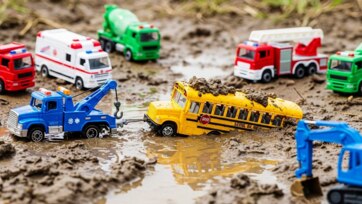
Primary colors—red, yellow, and blue—are frequently used in learning environments because they are easily distinguishable to developing eyes.
- Red: Often associated with energy and excitement, it grabs immediate attention.
- Yellow: Representing sunshine and optimism, it creates a welcoming and happy atmosphere for learning.
- Blue: Providing a sense of calm and stability, it balances the more high-energy tones in a visual field.
The Complexity of Secondary Hues
As children grow, the introduction of secondary colors like green, orange, and purple helps them understand the concept of relationships and mixing. Seeing a green object placed alongside a yellow one, or a purple one next to a blue one, encourages the brain to recognize patterns and gradients. This cognitive exercise is essential for mathematical thinking and artistic expression later in life.
Emotional Intelligence Through Character Interaction
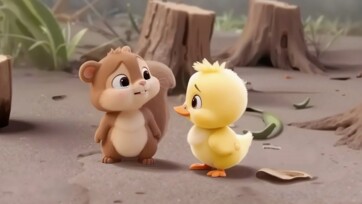
Beyond simple objects, the use of characters with exaggerated expressions plays a vital role in teaching empathy and social cues.
Recognizing Feelings
When characters display clear emotions—be it surprise, worry, or joy—children learn to identify those same feelings within themselves and others.
- Surprise and Wonder: Seeing a character in a state of awe encourages the child to feel that same sense of discovery.
- Concern and Empathy: When a character looks distressed or sad, it prompts a nurturing response in the viewer, fostering early social bonds.
Conflict Resolution and Teamwork
Many educational scenarios involve multiple characters who must navigate a shared space. These stories often mirror the real-life playground experiences of children, showing them that even when friends disagree or feel overwhelmed, there is always a path back to cooperation and harmony.
The Role of Sensory Play and Imagination
Imagination is the laboratory of the young mind. By presenting scenarios that defy the laws of physics or everyday logic, educational content encourages "out-of-the-box" thinking.
Fantastical Realism
Imagine a world where ordinary chores or objects turn into sources of pure delight. This type of play allows children to:
- Reduce Anxiety: Turning a bath or a walk into a game makes daily routines feel less like chores and more like adventures.
- Enhance Problem Solving: When a child sees a familiar setting used in an unfamiliar way, it stretches their cognitive flexibility.
Sensory Integration
Visuals that suggest texture—the fluffiness of fur, the smoothness of an egg, or the gooeyness of slime—help children develop their sensory vocabulary. Even without touching the screen, the brain processes these textures, preparing the child for real-world tactile exploration.
Foundations of Logic: Sorting and Categorization
One of the most critical pre-math skills is the ability to sort objects based on specific attributes.
Pattern Recognition
By grouping similar items together, children begin to understand the concept of "sets". This might involve matching a color to its corresponding container or lining up objects by size.
- Matching: Helps in recognizing identity and difference.
- Sequencing: Introduces the idea of order, which is fundamental to reading from left to right and counting in sequence.
Vehicles of Learning
Using relatable objects like small trucks or bright eggs as the "movers" of this logic makes the task feel like a game rather than a lesson. When a child sees a character "working" to organize their world, they are inspired to do the same in their own toy box.
Nature as a Classroom
The natural world—even when represented in a stylized, animated way—offers endless lessons in biology and environment.
Connection to Living Things
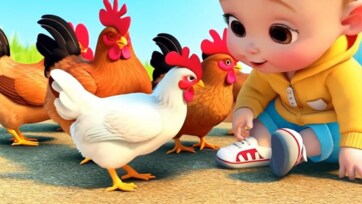
Interacting with the idea of animals, whether in a forest or a farm setting, teaches children about the diversity of life. It introduces the concept that different creatures have different needs, habitats, and ways of communicating.
Environmental Stewardship
Lush green backgrounds and scenes set in nature instill an early appreciation for the outdoors. It fosters a sense of peace and a desire to explore the world outside the front door, promoting physical activity and a healthy curiosity about plants and wildlife.
Conclusion: The Lifelong Impact of Playful Learning
The journey through childhood is a rapid-fire series of "firsts". By surrounding these first experiences with vibrant colors, gentle lessons, and imaginative scenarios, we provide children with a toolkit for life.
Education is not just about facts and figures; it is about building a confident, empathetic, and curious individual who sees the world as a place of wonder. As children transition from these playful foundations into more formal schooling, the lessons learned from a simple rainbow of eggs or a friendly yellow bird stay with them, reminding them that learning is—and always should be—an adventure.