The Power of Kindness

A Tiny Squirrel and a Little Duckling

Welcome to the heart of the forest, little friends! Today, we are looking at a very touching picture that tells a story without saying a single word. It features two of the cutest animals you will ever see: a fluffy baby squirrel and a soft yellow duckling. They are standing together in a quiet part of the woods, and something very special is happening between them. This is a story about big feelings, being a good friend, and how even the smallest animals can show the greatest kindness.

Meet Our New Forest Friends

In the center of our picture, we have two very different animals who have become the best of friends. Let's get to know them!

The Brave Little Squirrel

On the left is a small, brown squirrel with a big, bushy tail. If you look closely at his face, you might see something sad—there is a tiny tear in his eye. Maybe he lost his favorite nut, or perhaps he got a little lost in the big woods. Even though he feels a bit sad, he is looking at his friend with a hopeful smile.

The Comforting Yellow Duckling

On the right is a bright yellow duckling. Ducklings are usually found swimming in ponds, but this one has waddled onto the land to be with his friend. He has a very kind look in his eyes. He is standing very close to the squirrel, showing that he is there to listen and help.

A Lesson in Empathy and Comfort

This picture is a perfect example of something called empathy. Empathy is a big word that means understanding how someone else feels.

Why is the Squirrel Sad?

In the forest, things can sometimes be scary for small animals.

  • The Big Trees: To a tiny squirrel, the tree stumps in the background look like giant mountains.
  • Being Alone: Maybe the squirrel couldn't find his family for a moment.
  • Sharing Feelings: The squirrel isn't trying to hide his tear. He is showing his friend that he is sad, which is a very brave thing to do!

How the Duckling Helps

The duckling doesn't have a tissue to wipe the tear away, and he can't speak "squirrel language," but he is doing the most important thing: he is staying. * Standing Close: By standing right next to the squirrel, the duckling is saying, "You are not alone."

  • Listening with Eyes: Sometimes, you don't need to talk to make someone feel better. Just looking at them with love is enough.

Exploring the Quiet Forest Floor

The world around our two friends is very calm. It looks like the "nursery" part of the forest where the youngest animals play.

The Giant Tree Stumps

Behind the squirrel and the duckling are large tree stumps. These used to be tall trees that reached for the clouds. Now, they provide a safe place for little animals to hide or sit. To us, they are just wood, but to a squirrel, a stump is a castle or a dinner table!

The Soft Earth and Fallen Leaves

The ground is covered in soft dirt and a few fallen leaves. It isn't a busy playground with swings or slides; it’s a natural place where the only sounds are the rustle of the wind and the "quack" of a duck. This quiet setting helps the two friends focus on each other.

Different but the Same

One of the most beautiful things about this picture is that a squirrel and a duck are very different, yet they are the best of friends.

Different Homes

  • The Squirrel: Lives high up in the "drays" (nests) built in the branches of trees. He loves to climb and jump.
  • The Duckling: Lives near the water and loves to paddle with his webbed feet.

Different Skills

The squirrel is great at gathering acorns and balancing on thin twigs. The duckling is great at swimming and finding snacks in the mud. Even though they do different things, they found a way to connect. This teaches us that you don't have to be exactly like someone to be their friend!

How to Be a "Duckling Friend"

We can all learn a lot from the yellow duckling in the picture. If you see a friend at school or a sibling at home who looks like they might have a tear in their eye, here is how you can be a hero:

  1. Walk Over: Just like the duckling waddled over, go to your friend.
  2. Ask "Are you okay?": Sometimes people just want to be asked.
  3. Stay with Them: You don't have to solve the problem right away. Just sitting with them while they feel sad helps the sadness go away faster.
  4. Offer a Hug: If they want one, a hug is like a warm blanket for the heart.

The Colors of Friendship

The artist used very soft, warm colors for this scene to make us feel peaceful.

  • Warm Brown: The squirrel’s fur is a cozy brown, like a cup of hot cocoa. It makes him look very huggable.
  • Sunny Yellow: The duckling is a bright yellow, which usually represents happiness. By bringing his yellow color near the brown squirrel, it’s like he is bringing a little bit of sunshine into a sad moment.
  • Soft Grey and Tan: The background colors are muted so that our eyes stay focused on the two friends.

What Happens Next?

If we were to turn the page of this story, what do you think would happen? Perhaps the duckling invites the squirrel to the edge of the pond to see the dragonflies. Or maybe the squirrel shows the duckling where the sweetest berries grow. Once the tear is gone, the adventure begins!

When friends support each other through the sad times, the happy times become even more fun. The bond between this squirrel and duckling is strong because it started with a moment of kindness.

Conclusion: Kindness is a Language Everyone Speaks

The picture of the squirrel and the duckling reminds us that no matter how small you are, you have the power to change someone's day. A simple look, a quiet moment, and a little bit of patience can turn a sad face into a smiling one.

So, the next time you see someone who looks a bit down, remember our forest friends. Be the "sunshine yellow" in someone else's "brown" day. Kindness is the best nut a squirrel can find, and the best pond a duck can swim in!

Advertisement
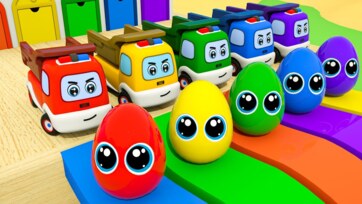
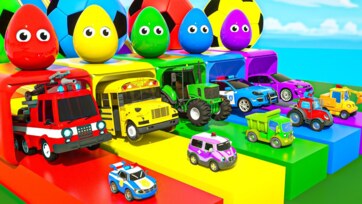
Colorful Toy Trucks and Surprise Eggs for Kids Color Learning
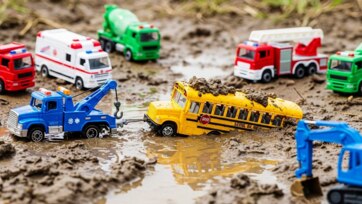
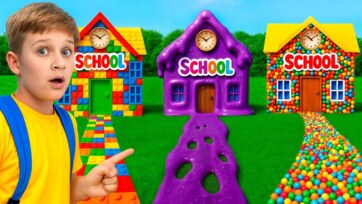
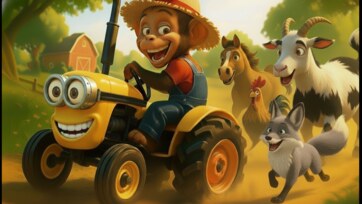
In the contemporary landscape of child development, the intersection of digital media, visual storytelling, and fundamental educational concepts has created a high-impact standard for early childhood engagement. This "edutainment" ecosystem relies on high-contrast visuals, expressive character archetypes, and relatable social scenarios to build cognitive and emotional foundations. By analyzing themes ranging from the frantic energy of a morning routine to the serene curiosity of animal interactions and logic puzzles, we can see how these narratives provide a holistic framework for a child's understanding of the world. The Visual Language of Learning Visual stimuli are the primary drivers of learning in early childhood. Before a child can decode written language, they are proficient in decoding color, shape, and pattern. Color as a Navigational and Logical Tool The strategic use of a bold, saturated color palette is designed to capture attention and facilitate cognitive categorization. Vibrant Primaries: Bright red, sunny yellow, and deep blue serve as visual anchors in many instructional scenes. Symbolism of Yellow: Yellow is frequently associated with optimism and approachable warmth, appearing on central characters and young animals. Categorization and Matching: Scenarios involving matching colored trucks to expressive eggs or colorful animals to soccer balls introduce the concept of sets. Attribute Matching: For instance, a red tiger corresponds to a red ball, and a blue gorilla to a blue ball, teaching children the fundamental skill of recognizing similar attributes. Logical Sorting: Arranging objects like trucks and eggs in a spectrum—red, yellow, green, blue, and purple—reinforces the idea of order and linear sequences. Sensory Imaginarium High-quality digital rendering allows children to "experience" textures visually, bridging the gap between screen time and real-world sensory play. Tactile Visualization: The representation of multi-colored candies or purple "slime" flowing from faucets engages a child's imagination regarding different states of matter. Real-World Textures: Scenes depicting toy trucks stuck in thick, viscous mud provide a visual bridge to tactile outdoor experiences. Cause and Effect: The imagery of a blue tow truck rescuing a yellow school bus from a mud pit teaches children about cause and effect in a physical environment. Emotional Intelligence and Social Archetypes Modern media for children places a heavy emphasis on Social-Emotional Learning (SEL), using character expressions to teach empathy and self-regulation. Identifying Internal States Exaggerated facial features help children name and validate their own feelings. Wonder and Surprise: Wide-eyed, open-mouthed expressions—whether seen in a monkey taking a shower or a child discovering a sink full of treats—provide a mirror for a child’s own reactions to the unexpected. Fear and the Unknown: Depicting a child's apprehension at a dark "ghost" figure in a bathroom setting helps normalize common childhood fears and provides a safe space for discussion. Mediation: Characters representing community helpers, such as police-dog archetypes, intervene in disputes between peers to demonstrate the social value of mediation. The Power of Empathy Narratives often focus on supportive, inter-species interactions to model social bonds. Tender Connections: A squirrel showing concern for a duckling or a young boy gently interacting with a chick and its mother hen models how to respond to others with kindness. Shared Experiences: Scenes of friends on a road trip or characters playing together in a group reinforce the idea that life’s journeys are more rewarding when shared with others. Community Systems and Life Skills As a child’s world expands, media introduces the systems, responsibilities, and routines that govern society. The Morning Commute and Punctuality The scenario of a child rushing to a large yellow school bus serves as a foundational lesson in life skills. Time Management: The presence of a prominent analog clock helps children visualize the passage of time and the importance of being on time for daily events. Independence: Carrying a backpack toward a vehicle driven by a trusted community member—represented as a giraffe-themed driver—symbolizes the child's growing role in the public sphere. Working Environments and Problem Solving Farm and construction themes introduce concepts of labor and community support. Roles and Jobs: Monkeys driving tractors to transport livestock or collecting milk show that every member of a community has a specific, valuable task. Resilience and Rescue: Seeing various service vehicles—including ambulances, fire trucks, and tow trucks—work together to pull a bus out of the mud teaches children about community cooperation and problem-solving. Nature as a Classroom Vibrant depictions of natural habitats encourage a transition from digital screens to the actual outdoors. Biodiversity and Observation By showing characters in diverse settings, children learn to identify different ecosystems and species. Observation Skills: Seeing birds in their natural environment or children observing hens and chicks encourages a closer look at wildlife in the real world. Animal Stewardship: Interactions such as feeding goats in a meadow or sitting calmly among chickens teach children to be gentle and respectful of other living beings. Active Play and Movement Content that features characters playing in the mud or running through grass validates active learning. The Joy of "Messy" Play: Framing sitting in a mud puddle as a moment of pure happiness with animal friends helps frame nature as a playground for discovery. Environmental Empathy: The close-up interaction between a child and a rooster or a goat in a natural setting fosters an early sense of wonder and environmental stewardship. Conclusion: Synthesizing the Experience The digital frontier of early learning is a carefully architected tapestry designed to nurture the whole child. It uses the magnetic pull of bright colors and charming characters to deliver essential lessons in logic, empathy, and community responsibility. Whether through a frantic race for the school bus, a lesson in matching colorful animals to balls, or the cooperative effort of trucks in the mud, these narratives help children navigate the transitions of their own lives with confidence. As they watch a monkey drive a tractor or a child gently feed a goat, they aren't just being entertained; they are building the mental map that will guide them as they step out of their homes and into the wide, wonderful world.
Advertisement
How Edutainment Builds Thinking, Emotion, and Life Skills
In modern early childhood development, visual media has become far more than a source of entertainment. It now acts as a structured learning environment that supports cognitive scaffolding and social-emotional growth. Through high-contrast digital visuals, expressive characters, and relatable real-life scenarios, educational content helps young children interpret the world before they fully develop language or literacy skills. What may appear to adults as simple animated storytelling is, in reality, a carefully designed system that nurtures logic, empathy, responsibility, and curiosity. These visual narratives function as a developmental bridge between observation and understanding, allowing children to internalize foundational concepts naturally. How Visual Learning Shapes Early Brain Development Children in their early years learn primarily through sensory engagement rather than verbal explanation. Their brains respond strongly to color, movement, repetition, and facial expression. Educational media uses these elements intentionally to create recognizable patterns that support memory formation and reasoning skills. By repeatedly seeing structured visual sequences, children begin to predict outcomes, recognize similarities, and organize information. This process builds neural pathways associated with analysis and comprehension long before formal education begins. Teaching Logic and Categorization Through Color and Pattern Recognition One of the earliest cognitive skills children develop is the ability to sort and classify objects. Educational visuals use bold color schemes and organized arrangements to encourage this process. When objects appear in consistent sequences—such as a progression of colors across vehicles or characters—children begin to understand order and grouping. This exposure introduces pre-mathematical thinking, helping them grasp concepts like sets, comparison, and structure without needing numerical instruction. Matching activities, where objects align with corresponding spaces or attributes, strengthen spatial awareness and working memory. These scenarios teach children to observe differences, make associations, and solve simple visual problems independently. Introducing Cause-and-Effect Through Mechanical Storytelling Many early learning scenarios feature tools, vehicles, or collaborative problem-solving situations. These narratives provide a safe introduction to physical principles such as effort, resistance, and cooperation. When children watch characters using tools to overcome obstacles or working together to achieve a goal, they begin to understand that actions lead to outcomes. These experiences quietly introduce foundational scientific thinking by demonstrating: Tools extend human capability Challenges can be solved through strategy Collaboration increases effectiveness This early exposure builds confidence in problem-solving and encourages curiosity about how things work. Supporting Emotional Intelligence Through Visual Expression A key component of modern children’s media is social-emotional learning (SEL). Young children often struggle to identify their own feelings, and visual storytelling provides them with the vocabulary to do so. Clear emotional expressions—joy, sadness, surprise, or concern—serve as visual cues that help children connect internal sensations with recognizable behaviors. By observing these signals repeatedly, children learn to label emotions and respond appropriately. Narratives that explore fear, uncertainty, or change allow children to process complex feelings within a controlled environment. These stories reassure them that emotional experiences are normal and manageable. Teaching Empathy and Social Interaction Through Character Relationships Simulated interactions between characters mirror real-life social situations such as sharing, waiting, helping, or resolving disagreements. Children observing these exchanges begin to understand boundaries, fairness, and cooperation. Seeing one character assist another reinforces the idea that recognizing and responding to others’ needs is an important social skill. These early lessons form the groundwork for empathy and effective communication later in life. Transforming Daily Routines into Positive Behavioral Habits Educational media often reframes routine activities—such as hygiene or organization—as engaging experiences rather than obligations. By turning everyday objects into friendly characters or playful participants, children perceive these tasks as part of an enjoyable routine. This approach reduces resistance to necessary habits while reinforcing consistency. Repetition through storytelling helps children internalize behaviors like self-care and responsibility without feeling pressured. Encouraging Creativity and Confidence Through Imaginative Role-Play Imaginative scenarios, where children take on roles such as builders, drivers, or explorers, promote both creativity and self-efficacy. These narratives demonstrate that problem-solving and exploration are achievable using simple tools or materials. Role-playing builds a sense of agency. Children begin to see themselves as capable individuals who can create, experiment, and lead their own activities. This confidence supports independence and motivates active participation in learning. Introducing Community Awareness and Environmental Understanding Nature-based and community-oriented themes expose children to the idea that resources and systems require effort, cooperation, and care. Visual depictions of farming, transportation, or shared responsibilities help children understand that everyday life depends on interconnected roles. These experiences foster early respect for teamwork, environmental stewardship, and contribution to collective well-being. Bridging Digital Experiences with Real-World Understanding One of the most significant strengths of visual educational media is its ability to connect screen-based experiences to real-life situations. When children later encounter similar objects, environments, or routines, they recall familiar narratives that help them interpret what they see. This transfer strengthens comprehension because learning has already been rehearsed visually. The child is not encountering something entirely new—they are recognizing a concept they have already explored. Why Purposeful Edutainment Matters More Than Ever In today’s technology-driven world, the presence of screens is unavoidable. The real distinction lies in whether content is passive or purposeful. Thoughtfully designed educational media can support development by: Enhancing early reasoning skills Strengthening emotional awareness Encouraging curiosity and creativity Reinforcing positive behaviors Preparing children for structured learning environments When aligned with developmental principles, visual storytelling becomes an extension of education rather than a distraction from it. Conclusion: A Visual Blueprint for Lifelong Learning The modern landscape of early childhood media represents a carefully constructed roadmap for the developing mind. Through intentional use of color, narrative, and interaction, these experiences teach logic, empathy, resilience, and responsibility in ways that feel natural to young learners. Each visual scenario serves as a bridge between imagination and reality, helping children translate what they see into how they think and behave. When used wisely, educational media does not replace real-world learning—it strengthens it, offering children a foundation upon which future knowledge and skills can grow. In essence, edutainment is no longer just about keeping children occupied. It is about shaping how they understand the world, one visual story at a time.  
Why Cartoons Are More Than Entertainment for Kids
Parents often think cartoons are just a way to keep children busy, but modern child development research tells a different story. Today’s educational cartoons are carefully designed learning environments. They use bright visuals, expressive characters, and simple storytelling to teach children how the world works—emotionally, socially, and logically. This “visual-first” learning style is especially powerful for young minds because children understand pictures long before they understand complex language. Through repeated visual experiences, they begin building mental connections that help them solve problems, understand feelings, and develop everyday life skills. On a kids-focused website like yours, where cartoons are paired with stories, this combination becomes even more meaningful. Children are not just watching; they are absorbing patterns, behaviors, and values that shape how they interact with real life. How Visual Learning Builds Early Thinking Skills Young children learn by seeing, not by memorizing. Cartoons simplify the world into recognizable shapes, colors, and actions that help kids organize information. Learning Through Colors, Patterns, and Matching Bright colors are not used randomly in children’s cartoons. They help kids categorize objects and notice differences. For example, when a cartoon shows different colored items connected to specific characters, children start identifying patterns. They learn that things can belong to groups, that objects can match, and that order matters. A scene showing vehicles arranged in a sequence or trailers carrying different colored items quietly teaches sorting and structure. These are the same mental skills later used in mathematics and logical reasoning. Children do not think, “I am learning classification.”They simply enjoy the story—while their brain practices it anyway. Understanding Cause and Effect Through Action Cartoons often show simple problems followed by solutions. A stuck vehicle gets pulled out. A character fixes a machine. Someone makes a mistake and then corrects it. These moments teach cause-and-effect relationships:If something happens → there is a reason → and there is a solution. This builds early problem-solving ability and encourages children to think, rather than react emotionally. How Cartoons Introduce Real-World Roles and Responsibilities Many cartoons include characters performing everyday jobs—driving tractors, helping others, building things, or protecting their community. These scenes introduce children to the idea that everyone has a role. When kids see characters using tools for specific purposes, they begin understanding that: Different tasks require different skills Work can help others Cooperation makes things easier This creates early respect for responsibility without sounding like a lecture. It’s storytelling doing quiet education. Supporting Emotional Development Through Visual Stories One of the biggest challenges for young children is understanding their emotions. They feel strongly but cannot always explain what they feel. Cartoons help by showing emotions clearly on characters’ faces and actions. Helping Children Recognize Fear, Sadness, and Surprise Exaggerated expressions—wide eyes, tears, laughter—act like emotional signboards. Children see these reactions and begin connecting them to feelings they experience themselves. When a character feels scared, nervous, or unsure, kids learn:“It’s okay to feel this way. Others feel it too.” This builds emotional confidence and reduces anxiety in unfamiliar situations like visiting a doctor, starting school, or meeting new people. Teaching Empathy and Kindness Cartoons frequently show characters helping someone in need—sharing food, comforting a friend, or solving a problem together. These scenes encourage children to notice others’ feelings and respond with care. Empathy is not taught through instructions.It grows through examples children repeatedly observe. Learning Social Behavior Through Playful Conflict Children must also learn how to deal with disagreements. Cartoons present small, relatable conflicts—two characters wanting the same thing, someone making a mistake, or misunderstanding another character. These scenarios teach: Taking turns Respecting space Apologizing and forgiving Working together instead of fighting Because the message is wrapped in fun storytelling, children absorb these lessons naturally rather than resisting them. Making Hygiene and Healthy Habits Easy to Understand Explaining hygiene to a child using abstract words rarely works. Cartoons solve this by turning invisible dangers into visible characters. Germs may appear as silly “villains,” while brushing teeth or washing hands becomes a heroic action. This transforms routine tasks into something children feel excited about instead of forced to do. When kids later wash their hands, they remember the story—not the instruction. That memory is what changes behavior. Encouraging Creativity and Imagination Cartoons also inspire children to create, pretend, and explore. When they see characters building something from simple materials or imagining grand adventures, they learn that creativity doesn’t require expensive tools. A cardboard airplane can become a jet.A backyard can become a jungle. Imaginative play strengthens problem-solving, confidence, and independence—skills essential far beyond childhood. Teaching Respect for Nature and Animals Many children’s cartoons include farms, animals, and outdoor environments. These scenes introduce kids to where food comes from, how animals live, and why nature matters. When children watch characters caring for animals or working in natural settings, they begin forming early environmental awareness. They see living things not as objects, but as beings that deserve kindness. This helps build responsibility toward the world around them. Why Repetition in Cartoons Is Actually Important Parents sometimes worry because cartoons repeat scenes or themes. But repetition is exactly how young brains learn. Seeing similar actions again and again strengthens understanding. Each repetition helps children: Remember patterns Predict outcomes Feel secure with familiar structures For adults, repetition feels unnecessary. For children, it builds mastery. The Connection Between Cartoons and Real-Life Confidence When children repeatedly see characters solving problems, expressing feelings, and helping others, they begin copying those behaviors in real situations. A child who watches cooperative play is more likely to share.A child who sees characters stay calm during challenges may try the same. Cartoons become rehearsal spaces for life. Using Cartoons the Right Way on a Kids Website Since your platform combines cartoons with written articles, it creates an even stronger learning experience. The video captures attention, while the article gives parents context and reinforces meaning. This pairing turns passive watching into active development. Instead of being “just screen time,” it becomes guided exposure to ideas that support growth. Final Thoughts: Cartoons as Tools for Whole-Child Development Modern children’s cartoons are not accidental entertainment. They are thoughtfully designed experiences that help children understand logic, emotions, relationships, responsibility, and creativity. When used correctly, they become bridges between imagination and reality—helping children practice life before they fully live it. For a kids-centered website, this makes cartoons more than content.They become learning companions. And when storytelling, visuals, and simple explanations work together, they quietly build the strongest foundation a child can have: curiosity, confidence, and the ability to understand the world around them.  
The Pulse of Punctuality: Navigating the Morning Rush
In the bustling landscape of childhood, few events carry as much weight, drama, and energy as the daily morning commute to school. It is a universal experience that blends responsibility with excitement, and sometimes, a dash of frantic urgency. The morning routine is a cornerstone of a child's developmental journey, teaching essential life skills such as time management, accountability, and the importance of community systems like the school bus network. When we observe the dynamics of a typical school morning, we see a complex interplay between individuals, technology, and the relentless ticking of the clock. This daily ritual serves as a profound classroom in itself, long before the first bell ever rings in a physical building. The Relentless Ticking of the Clock Time is the invisible director of the morning drama. For a young student, the clock is not just a tool for measurement; it is a living entity that dictates the pace of their entire world. Understanding the Analog Face While digital clocks are everywhere, the traditional analog clock remains a vital educational tool. Visualizing the Hour: A clock showing a time like 7:40 AM provides a visual representation of how much of the hour has passed and how little remains before a deadline. The Concept of 'Late': Seeing the hands move toward a specific mark helps children internalize the consequences of delay. Building a Routine: Successful mornings are built on a sequence of timed events—waking up, dressing, eating breakfast, and grabbing the backpack—all synchronized to the movements of those clock hands. The Physicality of Urgency When time begins to run short, the physical response in a child is immediate. The sudden sprint to the curb, the wide eyes of realization, and the tight grip on a blue and yellow backpack all signify a high-stakes moment in their daily narrative. This urgency, while stressful, helps build the cognitive connections between actions and their timely outcomes. The Iconic Yellow School Bus In many parts of the world, the large yellow bus is the ultimate symbol of the educational journey. It is a mobile classroom, a social hub, and a marvel of engineering designed specifically for the safety of the youngest citizens. A Beacon of Safety The bright yellow color of a school bus is chosen for its high visibility, ensuring that drivers can see it from a great distance in various weather conditions. Signal Lights: The flashing red and orange lights at the top of the bus act as an authoritative signal, telling the world to stop and wait while students embark. Sturdy Design: The large black grille and heavy-duty mirrors are built for durability and wide-angle visibility, allowing the driver to monitor every corner of the vehicle’s exterior. The Professional Driver: Behind the wheel is a dedicated individual, often depicted through friendly characters, who carries the immense responsibility of navigating busy streets while keeping a watchful eye on their young passengers. The Bus as a Community Hub For a child, boarding the bus is their first independent step into the community. It is where they meet friends, share stories, and transition from the private world of home to the public world of school. The bus is a shared space where rules must be followed and others must be respected, serving as a microcosm of society. The Emotional Spectrum of the Morning The morning rush is not just about physical movement; it is an emotional journey that ranges from panic to relief. The Shock of the Near-Miss There is a specific kind of "morning shock" that occurs when a student realizes they might miss their ride. Expressive Faces: Characters in children’s media often use exaggerated features—large blue eyes and open mouths—to convey this relatable feeling of surprise and mild alarm. The Adrenaline Rush: The physical act of running toward the bus with a backpack trailing behind is a vivid display of effort and determination. The Shared Experience: Even the characters inside the bus, like a driver with heart-shaped eyes, react to the drama unfolding on the sidewalk, showing that we are all connected in this daily cycle. The Relief of Arrival The moment the backpack hits the seat and the bus doors close, the tension of the morning evaporates. This cycle of stress and resolution helps children develop resilience, teaching them that even when things get a little frantic, they can still reach their goals through effort and focus. Responsibility and Self-Reliance The morning routine is perhaps a child's first major responsibility. It requires them to manage their belongings and their bodies in a coordinated way. Managing Belongings The backpack is the child’s survival kit for the day. Ensuring it is packed and ready to go is a lesson in foresight. Identification: Brightly colored gear, like a blue backpack with yellow accents, helps children keep track of their items in a busy school environment. Preparedness: The act of clutching the strap while running shows an instinctive understanding that their tools for learning are essential and must be protected. Developing a Sense of Self Navigating the morning successfully builds a child's confidence. Every time they make it to the bus on time, they are proving to themselves that they can handle the requirements of the adult world. They are no longer just passive participants in their day; they are the active "drivers" of their own progress. Conclusion: The Adventure in Every Day While the morning rush can feel like a series of obstacles to overcome, it is actually a rich tapestry of learning opportunities. It teaches us about the value of time, the importance of reliable systems like the school bus, and the strength we find when we push ourselves to be on time. As the big yellow bus rolls down the street, it carries more than just students; it carries the future. Every frantic sprint, every ticking second on the clock, and every friendly wave from the driver is a small but vital part of the grand adventure of education. So, grab your backpack, keep one eye on the clock, and get ready—the bus is almost here!  
Top Dairy Products for Kids’ Growth and Immunity
Dairy products are a cornerstone of children’s nutrition. From infancy to adolescence, milk, yoghurt, cheese, and paneer provide a combination of high-quality protein, calcium, vitamins, and healthy fats that support bone development, muscle growth, immunity, energy, and cognitive function. For children in Pakistan, where dietary gaps often lead to calcium and protein deficiencies, including dairy in daily meals is essential for healthy growth. While many foods contribute to a child’s diet, dairy is unique because it offers multiple nutrients in a single natural source. Regular consumption ensures that children grow stronger physically, remain active, and maintain better immunity, particularly during periods of rapid growth or increased physical activity. Milk — The Foundation of Strong Bones and Growth Milk is naturally rich in calcium, protein, vitamin D, phosphorus, potassium, and vitamin B12, making it ideal for children’s growth. Calcium and vitamin D are critical for bone strength and teeth formation, while protein supports muscle growth and tissue repair. In Pakistan, studies indicate that a large number of children do not get enough calcium, which increases the risk of weak bones, dental issues, and slower growth. Fortified milk, available in many local markets, enhances calcium absorption and provides vitamin D, which is often deficient due to limited sun exposure or dietary gaps. Practical Serving Tips: Serve a glass of milk with breakfast cereals or oatmeal. Blend milk with seasonal fruits like mango, banana, or papaya for a smoothie. Use milk in cooking soups, sauces, or desserts to naturally increase nutrient intake. Health Benefits:Regular milk consumption supports height and weight gain, strong teeth, and overall skeletal development, while also providing energy for active children. Yoghurt — Probiotics for Digestion and Immunity Yoghurt is fermented milk, rich in probiotics, calcium, protein, and vitamins, making it a perfect snack for children. Probiotics help maintain healthy gut bacteria, improve digestion, and enhance nutrient absorption, which is essential for growth. In addition, yoghurt provides calcium and protein in an easily digestible form, suitable even for children with mild lactose sensitivity. The probiotics in yoghurt strengthen the immune system, reducing the frequency of colds, infections, and stomach upsets. Practical Serving Tips: Serve plain yoghurt with chopped fruits like berries, banana, or mango. Make yoghurt smoothies with milk and fruit for a nutrient-packed drink. Include yoghurt in breakfast bowls with oats or granola for a balanced meal. Health Benefits:Yoghurt supports healthy digestion, strong immunity, and sustained energy, making it an ideal daily addition for children. Cheese — Calcium and Protein in a Tasty Form Cheese is a concentrated source of calcium, phosphorus, protein, and vitamins like vitamin A. Calcium and phosphorus work together to strengthen bones and teeth, while protein aids in muscle growth and tissue repair. Vitamin A in cheese supports vision, skin health, and immunity. Cheese is also convenient and versatile, making it a practical way to increase dairy intake. Its taste appeals to children, so it is often easier to include than plain milk or yoghurt. Practical Serving Tips: Serve cheese slices or cubes as a snack. Sprinkle grated cheese on pasta, vegetables, or casseroles. Include cheese in sandwiches, wraps, or omelettes for added nutrients. Health Benefits:Regular cheese consumption promotes bone density, muscle development, and overall energy, supporting active growth in children. Paneer (Cottage Cheese) — A Vegetarian Powerhouse Paneer is rich in high-quality protein, calcium, and phosphorus, making it ideal for vegetarian children who may not get enough protein from other sources. Paneer supports muscle development, bone growth, and satiety, and is extremely versatile in cooking. Paneer can be easily incorporated into curries, sandwiches, wraps, and snacks, providing a nutrient-dense food option that children enjoy. Practical Serving Tips: Serve grilled or lightly pan-fried cubes as a snack. Mix paneer into curries with vegetables for a balanced meal. Mash paneer with fruits like banana for a quick snack or smoothie. Health Benefits:Paneer supports sustained energy, bone development, and healthy weight gain, making it an important part of daily nutrition. Dairy for Brain Development Dairy products are rich in proteins, healthy fats, and micronutrients that support cognitive development, memory, and learning ability. Omega-3-enriched milk or full-fat dairy enhances brain function, particularly in school-age children. Children who consume dairy regularly show improved focus, memory, and attention span, which translates to better academic performance and problem-solving skills. Practical Tips: Serve a glass of milk with breakfast for brain-boosting energy. Blend milk or yoghurt with fruits and oats for a nutrient-rich smoothie. Include dairy-based snacks like cheese cubes or yoghurt parfaits during school breaks. Health Benefits:Dairy intake promotes mental alertness, concentration, and overall cognitive development, supporting active learning in children. Dairy for Immunity Milk, yoghurt, cheese, and paneer contain vitamins A, D, B12, zinc, and protein, which collectively strengthen the immune system. Children with strong immunity have fewer infections, faster recovery, and better overall health. Combining dairy with vitamin C-rich fruits in smoothies further boosts immunity, making children more resilient during school and playtime. Practical Tips: Offer milk or yoghurt with fruits like oranges, kiwi, or berries. Include dairy in snacks, breakfast, and dinner for a continuous nutrient supply. Use fortified dairy products for added immune benefits. Health Benefits:Regular dairy consumption ensures robust immunity, fewer illnesses, and enhanced recovery, keeping children active and healthy. Energy and Active Growth Lactose, the natural sugar in dairy, along with proteins and fats, provides sustained energy for children. Whether at school, during outdoor play, or sports activities, dairy gives steady energy without causing sugar spikes, unlike packaged drinks. Practical Tips: Serve milk before or after school to maintain energy levels. Blend milk with fruits and oats for an energy-packed smoothie. Include cheese or paneer in meals for slow-release energy. Health Benefits:Dairy provides stable energy, supports growth, and fuels physical activity, ensuring children remain active and strong throughout the day. Tips for Including Dairy in a Daily Diet Daily Intake: Children aged 4–8 require 2–3 servings of dairy daily; older children may need 3–4 servings. Variety: Include milk, yoghurt, cheese, and paneer to diversify nutrients. Fortified Options: Vitamin D or omega-3-fortified dairy enhances bone, brain, and immunity support. Avoid Added Sugar: Use natural sweetness from fruits instead of sugary milk or yoghurt. Meal Integration: Incorporate dairy into breakfast, snacks, and cooking for convenience and consistent intake. Conclusion Dairy products are essential for children’s growth, immunity, brain development, and energy. Milk, yoghurt, cheese, and paneer provide high-quality proteins, calcium, vitamins, minerals, and healthy fats that are crucial for strong bones, teeth, muscles, immunity, and cognitive development. Parents should prioritise fresh, fortified, and naturally served dairy, integrating it creatively into meals and snacks. Whether served as milk, smoothies, yoghurt, cheese, or paneer, dairy remains a daily growth booster for children. With regular consumption, children can achieve optimal growth, robust immunity, enhanced mental development, and sustained energy, creating a strong foundation for a healthy, active, and happy childhood.
How Cartoons Shape Young Minds: Learning Beyond Entertainment
In the rapidly evolving world of early childhood development, the “visual-first” approach has become a central tool for learning. Cartoons, with their bright colours, relatable characters, and simple storylines, are not just entertainment—they are a bridge to understanding the world. They help children make sense of physical mechanics, social dynamics, and emotional experiences, all while encouraging curiosity and problem-solving. This article explores how cartoons, when paired with guidance and discussion, can foster cognitive, emotional, and social growth in young children. Cognitive Growth Through Patterns and Cause-and-Effect Children learn best when they can identify patterns and make connections between objects and actions. Cartoons naturally provide structured visual patterns that help the developing brain. Colour and Categorisation: Brightly colored characters, objects, and props teach children to notice differences and group items by colour, size, or function. For example, a child might learn to match a blue liquid with a superhero costume repeatedly across episodes, strengthening logical thinking. Sequence and Order: Trains moving from station to station or vehicles completing a route illustrate sequential thinking. Children begin to understand order and progression, which forms the foundation for early numeracy and problem-solving. Mechanical Logic: Simple problem-solving scenes—like a tractor moving crates or a character using tools to fix something—introduce cause-and-effect reasoning. Children learn that actions have predictable consequences, a lesson that transfers naturally into real-life experiences. Emotional Intelligence Through Storytelling Cartoons excel at giving young children a language for feelings they cannot yet articulate. Through exaggerated facial expressions, simple dialogue, and visual cues, children begin to identify and validate emotions. Handling Fear: A child watching a character face a minor challenge, like a nighttime scare, can relate and learn that fear is normal. This visual modelling helps children regulate anxiety in real life. Empathy and Cooperation: Scenes of characters helping one another or resolving disagreements teach the importance of kindness, turn-taking, and understanding others’ perspectives. For example, a story of a panda sharing food with a worried friend introduces the concept of noticing and responding to others’ needs. Resilience in Change: When a character undergoes a surprising change or setback, children learn that unexpected situations can be managed, and feelings can be expressed safely. Life Skills: Hygiene, Responsibility, and Self-Expression Cartoons can make abstract concepts concrete. By personifying challenges or daily routines, they make learning interactive and memorable. Hygiene Education: Imagining germs as playful “villains” or creating active, gamified cleaning scenarios encourages children to adopt personal care routines, such as washing hands or brushing teeth, without resistance. Vocational Role Play: Characters acting as pilots, train conductors, or farmers give children ideas about responsibility, leadership, and community roles. They understand that each task contributes to a greater whole. Creativity and Self-Expression: Cartoons featuring imaginative design or playful fashion teach children that expressing themselves visually is acceptable and fun, encouraging experimentation with art, clothing, and personal style. Building Respect for Nature and Understanding Resources Introducing children to animals, plants, and agriculture fosters environmental literacy and a sense of stewardship. Agricultural Awareness: Characters harvesting fruit or transporting resources introduce children to basic concepts of food origins and logistics. Understanding where food comes from builds curiosity and practical knowledge. Interaction With Animals: Cartoons showing gentle engagement with animals—like feeding or helping them—teach respect, empathy, and safe behaviour around wildlife. Community Through Shared Experiences: A playful depiction of animals travelling together, or characters helping each other in farm tasks, demonstrates the joy and value of working and playing together. Practical Tips for Parents Using Cartoons The real learning happens when cartoons are paired with interaction: Discuss the Story: Ask children what they liked, what surprised them, or how they might solve a problem differently. Connect to Real Life: Relate cartoon scenarios to daily routines, like sharing toys or helping with small chores. Encourage Creative Play: Let children act out scenes or create their own stories, reinforcing comprehension and imagination. Balance Screen Time: Pair screen time with physical activity, outdoor play, and social interaction for holistic development. Conclusion: Cartoons as a Learning Partner When thoughtfully chosen and guided, cartoons are more than entertainment—they are an educational partner. They help children: Recognise patterns and relationships Understand emotions and social cues Develop basic life skills Build curiosity and empathy Your website, by combining cartoons with accessible guidance, provides children with a safe, stimulating environment to learn and grow. Each story, each colourful scenario, becomes a tool to explore the real world with confidence, imagination, and understanding. By intentionally curating content and supporting children’s reflection on what they see, parents and educators can ensure that every minute of screen time contributes to meaningful learning.  
The Magic of Songs and Rhymes: How They Help in Learning
For children, learning is most effective when it’s playful, fun, and filled with emotions. This is why nursery rhymes and songs, like “Twinkle, Twinkle, Little Star” or “Baa Baa Black Sheep”, are so popular. These songs are not only entertaining but also help develop essential skills. Expanding Vocabulary The repetitive words and melodic rhythms of rhymes are easy to remember. This allows children to naturally learn new words and phrases. For instance, “Head, Shoulders, Knees and Toes” teaches the names of body parts while also improving coordination. Learning Numbers and Colors Songs like “One, Two, Buckle My Shoe” or “Red, Yellow, Blue, What Color Are You?” introduce numbers and colors in a playful way. Children easily memorize these basic concepts while enjoying the process of learning. Boosting Creativity and Imagination Songs and rhymes often tell magical stories that spark children’s imagination. “The Itsy Bitsy Spider”, for example, encourages children to imagine the adventures of the spider. Building Connections with Others Singing together is a communal experience. It teaches children how to collaborate, listen to one another, and enjoy learning as a group. Activities like these also help develop social skills. How to Support Learning at Home Parents can play a big role in their children’s learning journey. Sing together, create new lyrics to familiar tunes, and encourage children to invent their own rhymes. This not only develops their language skills but also boosts their confidence. At Nazarene Rhymes, our goal is to ensure every child learns joyfully and develops their skills through rhymes. Explore our website for inspiring songs to enhance your child’s learning journey!
Advertisement
: Building Cognitive, Emotional, and Social Foundations
Modern educational media for young children has transformed into a sophisticated, visually immersive ecosystem that leverages bold imagery, anthropomorphic characters, and strategic social modeling. This approach doesn’t just entertain; it scaffolds cognitive development, social understanding, and emotional regulation, giving children concrete tools to navigate both their physical environment and complex social dynamics. Abstract concepts—like physics, economic disparity, and internal emotional states—are rendered tangible through playful, vibrant visuals, allowing children to learn through observation and interaction before they can articulate these ideas verbally. The following analysis explores the pedagogical themes in contemporary visual narratives, highlighting their impact on cognition, emotion, life skills, and environmental understanding. Cognitive Logic: Categorization, Sequencing, and Mechanics Visual stimuli are the engines of early logical development, helping children decode order, identify patterns, and understand physical interactions without relying on verbal instruction. By making abstract relationships visible, these media experiences build the foundation for reasoning, problem-solving, and critical thinking. Chromatic Reasoning and Sequential Understanding Color is more than decoration; it is a cognitive tool. Bold primary palettes guide children in categorization, attribute recognition, and sequential thinking. Sequential Sorting: For example, a child navigating a pink tractor pulling a train of multicolored ice cream trailers—red, yellow, green, and blue—learns to track order, group like items, and understand progression. Anatomical Exploration: Glowing skeletons in bright hues introduce anatomy in a non-threatening way, helping children recognize structure, symmetry, and individual differences within a category. Identity Mapping: Characters holding objects shaped like themselves—a white creature clutching an orange popsicle in its silhouette—teach children to connect identity with representation and temporal awareness, especially when paired with “1 HOUR” or “2 HOURS” timestamps. This approach encourages children to actively search for patterns and make connections, creating mental frameworks for later math, science, and literacy skills. Mechanical Concepts and Collaborative Problem-Solving Interactive mechanical scenarios illustrate the principles of physics and teamwork in tangible ways. Complex Recovery Operations: Visuals of a crane, tractor, and excavator working together to free two mud-stuck trucks teach concepts like leverage, tension, and coordination. Children understand that multi-part problems often require collaborative effort. Interdependent Systems: A baby suspended amid interlocking gears demonstrates how elements in a system rely on one another, providing an intuitive grasp of mechanics and cause-effect relationships. Forces and Opposition: Tug-of-war scenes, with characters pulling on ropes attached to oversized scissors, illustrate opposing forces, resistance, and the balance of effort in a memorable, playful format. Rules and Authority: Depictions of “police babies” or law-enforcing animals managing scenarios—like guiding a mermaid on a beach—introduce children to social roles and communal responsibility in a vivid, approachable way. Through these visuals, children gain an early appreciation for structure, interdependence, and the practical applications of physics in everyday life. Social-Emotional Learning (SEL): Reflection, Empathy, and Resilience Visual media provides a vocabulary for internal states, helping children recognize, process, and communicate emotions. By presenting exaggerated expressions and fantastical scenarios, these narratives allow children to safely explore fear, excitement, and moral choices. Mirroring Complex Emotions Children often lack the language to articulate feelings, so visuals serve as emotional translators. Shock and Surprise: Wide-eyed, gasping characters reacting to a T-Rex in a living room or a strawberry with a missing chunk signal alarm and teach children that such responses are universal. Environmental Awareness: The contrast between a startled character and a calm large bee models that individuals react differently to the same stimulus, introducing perspective-taking. Social Horror and Transformation: Watching a peer’s cup-headed transformation or a drastic physical change sparks discussion about exclusion, fear of the unknown, and social adaptation. Identity Boundaries: Characters with glowing eyes or fangs allow exploration of “otherness” and the act of masking emotions, offering a framework for understanding differences among peers. By normalizing a wide range of responses, children develop coping strategies and resilience when facing unexpected situations. Modeling Empathy and Care Beyond self-awareness, these narratives provide visual templates for nurturing and cooperation. Caring for Others: Scenes of one child bringing lemon water and a thermometer to a sick peer teach empathy, attention to needs, and practical care routines. Environmental Stewardship: A child shielding a lamb from rain demonstrates responsibility for protecting weaker or vulnerable beings. Cross-Species Interaction: Animals playing sports or sharing toys illustrate collaboration, patience, and empathy beyond human interactions, expanding social understanding and reinforcing ethical behavior. These visual lessons create a feedback loop where children see compassionate behavior, practice it in play, and internalize social norms. Life Skills: Hygiene, Responsibility, and Community Transforming routine tasks into imaginative adventures reduces resistance to societal expectations and health habits. Hygiene as Play Invisible threats like germs are brought to life as fun, tangible villains, turning health routines into empowerment exercises. Automated Cleaning: A police dog navigating a car wash with giant brushes reinforces the habit of systematic cleaning, linking maintenance with playfulness. Joyful Hygiene: Bathing scenes with colorful bubbles and smiling creatures associate personal care with sensory enjoyment, reducing aversion and building positive habits. Financial Literacy and Social Roles Introducing social and economic structures visually helps children grasp inequality, labor, and responsibility. Economic Symbolism: Contrasting characters with stacks of money and “money houses” against peers with brooms and cardboard homes provides early exposure to wealth disparity and aspiration. Authority and Fairness: Recurrent imagery of “police babies” and animal officers distributing resources like heart-shaped pizzas underscores fairness, rule-following, and communal cooperation. Through playful scenarios, children begin to understand responsibility, social participation, and the consequences of action in structured environments. Environmental Literacy and Resource Awareness Visual narratives foster respect for nature and the origins of resources while promoting curiosity and ecological thinking. Agricultural Systems: A monkey transporting a banana harvest introduces the labor chain behind food production, highlighting cause-effect relationships and resource management. Communal Rewards: Sharing heart-shaped pizzas among characters illustrates the social value of generosity, cooperation, and collective joy. Biodiversity and Wonder: Feeding giraffes, encountering calves, or observing prehistoric creatures nurtures curiosity, empathy for living beings, and a sense of interconnectedness with the natural world. By integrating human, animal, and ecological perspectives, children develop early environmental literacy, laying the foundation for future stewardship. Conclusion: Bridging Screens and Reality The visual landscape of modern early childhood media is a carefully curated tapestry, supporting holistic development. Saturated colors teach logic, expressive faces validate emotions, and cooperative challenges model teamwork. Beyond entertainment, these narratives act as bridges between digital screens and real-world experiences, equipping children with cognitive, social, and emotional skills in a layered, interactive format. Whether navigating colorful ice cream trailers, rescuing stuck vehicles, or caring for peers and animals, children develop a robust foundation—one visual frame at a time—preparing them to approach life with curiosity, empathy, and confidence.