How Children Can Become Lifelong Learners

Understanding What Curiosity Really Means

Curiosity is the natural desire to know more about the world. Every child is born curious. You can see it when they ask endless questions like “Why is the sky blue?” or “How do birds fly?” These questions are not small; they are the beginning of learning.

Curiosity is like a flashlight in a dark room. It helps children explore, discover, and understand things step by step. When children stay curious, learning never feels boring. It becomes an adventure.

Research in education shows that curious students remember information longer because they are emotionally involved in learning. They are not memorizing—they are exploring.

Why Curiosity Is More Important Than Memorization:

Many children think being smart means remembering everything in textbooks. But true intelligence comes from understanding ideas, not just storing facts.

A child who asks questions learns how to think. A child who only memorizes learns what to repeat.

Thinking Builds Stronger Brains:

When children wonder how things work, their brains form new connections. Scientists call this “active learning,” which strengthens memory and problem-solving skills.

Memorization fades with time. Understanding stays for life.

Curiosity Encourages Creativity:

Creative thinking begins with asking “What if?” Many great discoveries happened because someone dared to imagine something different.

Children who stay curious grow into adults who invent, design, and solve problems.

Everyday Ways Children Can Practice Curiosity:

Curiosity does not require expensive tools or special classes. It can grow through simple daily activities.

Observe the World Carefully:

Encourage children to notice small details. How do plants grow? Why do shadows change during the day? What happens when ice melts?

Observation turns ordinary moments into learning experiences.

Ask Questions Without Hesitation:

There is no limit to questions. Asking questions shows courage and interest in learning.

Sometimes the answer may not be immediate—and that is perfectly fine. Searching for answers is part of the process.

Try New Activities Regularly:

Learning something new, like drawing, gardening, or building models, expands thinking. Each new activity introduces new skills and challenges.

Routine is comfortable, but new experiences make the brain stronger.

The Role of Reading in Developing Curious Minds:

Reading is one of the most powerful tools for curiosity. Books allow children to explore places, ideas, and cultures without leaving home.

Stories Expand Imagination:

When children read stories, they imagine characters, settings, and solutions. This strengthens creativity and emotional understanding.

A child reading about space begins to wonder about stars. A child reading about animals begins to care about nature.

Informational Books Build Knowledge:

Books about science, history, and technology answer questions while creating new ones. This cycle keeps curiosity alive.

The goal is not to read more books, but to read with interest.

How Parents and Teachers Can Encourage Curiosity:

Adults play a major role in shaping how children approach learning. A supportive environment makes curiosity grow naturally.

Welcome Questions Instead of Dismissing Them:

When a child asks something repeatedly, it shows they are trying to understand deeply. Responding patiently encourages confidence.

Ignoring questions can make children feel their curiosity is unimportant.

Focus on Exploration, Not Just Results:

Instead of asking, “Did you get the right answer?” try asking, “How did you solve it?”

This shift teaches children to value thinking rather than just outcomes.

Allow Safe Mistakes:

Mistakes are not failures. They are experiments. Every error teaches what does not work, which leads closer to what does.

Children who are afraid of mistakes stop asking questions. Children who feel safe keep exploring.

Technology and Curiosity: Using It Wisely:

Technology can support learning if used carefully. Educational videos, digital libraries, and interactive tools can introduce new ideas.

However, passive screen time—such as endless scrolling—does not encourage thinking.

Use Technology to Create, Not Just Consume:

Children can use devices to research topics, draw digital art, or watch educational content. This transforms technology into a learning tool.

The goal is engagement, not distraction.

Outdoor Experiences and Real-World Learning:

Nature is one of the best classrooms. Outdoor environments provide hands-on learning that no textbook can replace.

Nature Teaches Science Naturally:

Watching birds, feeling soil, or observing weather changes helps children understand science in a real way.

These experiences build curiosity through direct interaction with the environment.

Physical Exploration Improves Mental Growth:

Climbing, walking, and exploring improve both physical health and confidence. Active bodies support active minds.

Learning does not only happen at a desk.

Building Problem-Solving Skills Through Curiosity:

Curiosity leads children to solve problems independently. Instead of waiting for instructions, they begin testing solutions.

Encourage “Figure It Out” Moments:

When children face small challenges, guide them rather than solving everything for them. Let them think, try, and adjust.

This develops resilience and logical thinking.

Real-Life Problems Are the Best Teachers:

Simple tasks like organizing school materials or planning homework schedules teach responsibility and planning skills.

These lessons prepare children for real-world situations.

Emotional Benefits of Staying Curious:

Curiosity is not just about knowledge. It also improves emotional well-being.

Children who explore and learn actively often feel more confident and less anxious. They see challenges as opportunities instead of obstacles.

Curiosity gives children a sense of purpose. It keeps their minds engaged and reduces boredom.

Creating a Daily Curiosity Routine:

Developing curiosity can be part of everyday life.

Start the Day With a Question:

Encourage children to begin each day wondering about something new. Even a small question can lead to meaningful learning.

Reflect on Discoveries Before Sleeping:

At night, children can think about what they learned during the day. Reflection strengthens understanding and memory.

Learning becomes a continuous cycle rather than a one-time event.

Final Thoughts: Raising Curious Children for a Changing World:

The future belongs to those who can think, adapt, and learn continuously. Curiosity prepares children for this future better than memorization ever can.

A curious child becomes an independent learner. An independent learner becomes a confident adult. And a confident adult can face challenges, explore opportunities, and contribute positively to society.

Education is not only about passing exams. It is about understanding the world, asking meaningful questions, and never losing the excitement of discovery.

When curiosity is protected and encouraged, learning stops being a task—and becomes a lifelong journey.




Advertisement
The Power of Kindness
A Tiny Squirrel and a Little Duckling Welcome to the heart of the forest, little friends! Today, we are looking at a very touching picture that tells a story without saying a single word. It features two of the cutest animals you will ever see: a fluffy baby squirrel and a soft yellow duckling. They are standing together in a quiet part of the woods, and something very special is happening between them. This is a story about big feelings, being a good friend, and how even the smallest animals can show the greatest kindness. Meet Our New Forest Friends In the center of our picture, we have two very different animals who have become the best of friends. Let's get to know them! The Brave Little Squirrel On the left is a small, brown squirrel with a big, bushy tail. If you look closely at his face, you might see something sad—there is a tiny tear in his eye. Maybe he lost his favorite nut, or perhaps he got a little lost in the big woods. Even though he feels a bit sad, he is looking at his friend with a hopeful smile. The Comforting Yellow Duckling On the right is a bright yellow duckling. Ducklings are usually found swimming in ponds, but this one has waddled onto the land to be with his friend. He has a very kind look in his eyes. He is standing very close to the squirrel, showing that he is there to listen and help. A Lesson in Empathy and Comfort This picture is a perfect example of something called empathy. Empathy is a big word that means understanding how someone else feels. Why is the Squirrel Sad? In the forest, things can sometimes be scary for small animals. The Big Trees: To a tiny squirrel, the tree stumps in the background look like giant mountains. Being Alone: Maybe the squirrel couldn't find his family for a moment. Sharing Feelings: The squirrel isn't trying to hide his tear. He is showing his friend that he is sad, which is a very brave thing to do! How the Duckling Helps The duckling doesn't have a tissue to wipe the tear away, and he can't speak "squirrel language," but he is doing the most important thing: he is staying. * Standing Close: By standing right next to the squirrel, the duckling is saying, "You are not alone." Listening with Eyes: Sometimes, you don't need to talk to make someone feel better. Just looking at them with love is enough. Exploring the Quiet Forest Floor The world around our two friends is very calm. It looks like the "nursery" part of the forest where the youngest animals play. The Giant Tree Stumps Behind the squirrel and the duckling are large tree stumps. These used to be tall trees that reached for the clouds. Now, they provide a safe place for little animals to hide or sit. To us, they are just wood, but to a squirrel, a stump is a castle or a dinner table! The Soft Earth and Fallen Leaves The ground is covered in soft dirt and a few fallen leaves. It isn't a busy playground with swings or slides; it’s a natural place where the only sounds are the rustle of the wind and the "quack" of a duck. This quiet setting helps the two friends focus on each other. Different but the Same One of the most beautiful things about this picture is that a squirrel and a duck are very different, yet they are the best of friends. Different Homes The Squirrel: Lives high up in the "drays" (nests) built in the branches of trees. He loves to climb and jump. The Duckling: Lives near the water and loves to paddle with his webbed feet. Different Skills The squirrel is great at gathering acorns and balancing on thin twigs. The duckling is great at swimming and finding snacks in the mud. Even though they do different things, they found a way to connect. This teaches us that you don't have to be exactly like someone to be their friend! How to Be a "Duckling Friend" We can all learn a lot from the yellow duckling in the picture. If you see a friend at school or a sibling at home who looks like they might have a tear in their eye, here is how you can be a hero: Walk Over: Just like the duckling waddled over, go to your friend. Ask "Are you okay?": Sometimes people just want to be asked. Stay with Them: You don't have to solve the problem right away. Just sitting with them while they feel sad helps the sadness go away faster. Offer a Hug: If they want one, a hug is like a warm blanket for the heart. The Colors of Friendship The artist used very soft, warm colors for this scene to make us feel peaceful. Warm Brown: The squirrel’s fur is a cozy brown, like a cup of hot cocoa. It makes him look very huggable. Sunny Yellow: The duckling is a bright yellow, which usually represents happiness. By bringing his yellow color near the brown squirrel, it’s like he is bringing a little bit of sunshine into a sad moment. Soft Grey and Tan: The background colors are muted so that our eyes stay focused on the two friends. What Happens Next? If we were to turn the page of this story, what do you think would happen? Perhaps the duckling invites the squirrel to the edge of the pond to see the dragonflies. Or maybe the squirrel shows the duckling where the sweetest berries grow. Once the tear is gone, the adventure begins! When friends support each other through the sad times, the happy times become even more fun. The bond between this squirrel and duckling is strong because it started with a moment of kindness. Conclusion: Kindness is a Language Everyone Speaks The picture of the squirrel and the duckling reminds us that no matter how small you are, you have the power to change someone's day. A simple look, a quiet moment, and a little bit of patience can turn a sad face into a smiling one. So, the next time you see someone who looks a bit down, remember our forest friends. Be the "sunshine yellow" in someone else's "brown" day. Kindness is the best nut a squirrel can find, and the best pond a duck can swim in!
Advertisement
The Visual-First Era of Children’s Media
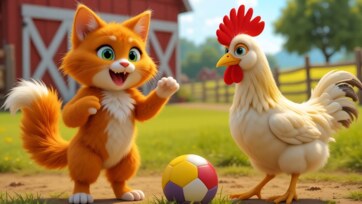
Modern children’s media has entered a revolutionary “visual-first” era. High-saturation imagery, anthropomorphic characters, and carefully modeled social interactions now function as more than entertainment—they form a foundational cognitive scaffold. By translating abstract concepts such as the mechanics of physics, social hierarchies, and internal emotional experiences into concrete, playful narratives, this media equips children to interpret the world before they fully master language or numerical reasoning. The following analysis explores the pedagogical depth of visual storytelling across four essential developmental domains. Cognitive Logic: Pattern Recognition, Sequencing, and Mechanics Visual narratives provide a primary platform for early logical reasoning. Children learn to decode how systems operate, how objects relate, and how sequences unfold—all without relying on verbal instruction. Chromatic Logic and Sequential Awareness Color is used intentionally as a cognitive cue for pattern recognition and categorization. Sequential Sorting: A pink tractor pulls a train of multicolored trailers—red, yellow, green, and blue ice cream cones—helping children understand linear order, grouping, and the concept of progression. Anatomical Visualization: Glow-in-the-dark skeletons in bright primary colors introduce human anatomy playfully, teaching children to identify structural features and compare attributes across similar forms. Identity and Temporal Cues: A character holding a popsicle shaped exactly like itself, paired with a “1 HOUR” countdown, helps children link visual identity with the abstract notion of duration and time awareness. By combining color, form, and sequencing, children develop foundational skills in logical organization and early mathematical thinking. Mechanical Principles and Collaborative Problem-Solving Play-based depictions of machinery provide hands-on models of physics and teamwork. Coordinated Recovery Operations: Two overturned trucks in a mud pit are rescued by a crane, a tractor, and several excavators, demonstrating leverage, tension, and the necessity of collaborative effort. Forces and Resistance: Characters engaged in a tug-of-war with giant scissors—or a “ninja” attempting to restrain two cows—illustrate opposing forces, tension, and weight in an intuitive, playful manner. Interconnected Systems: A baby suspended within interlocking gears shows how each moving part contributes to a larger mechanism, teaching dependency and system thinking. These scenarios allow children to explore physics and engineering concepts through visually engaging, narrative-driven play. Social-Emotional Learning (SEL): Recognition, Validation, and Empathy Visual media provides a vocabulary for feelings that children cannot yet articulate, fostering emotional intelligence and self-regulation. Mirroring Emotions and Navigating the “Uncanny” Exaggerated expressions and surreal scenes act as psychological mirrors. Visual Shorthand for Surprise: Wide-eyed reactions—such as a character confronted by a living T-Rex or a giant bitten strawberry—signal universal alarm, helping children understand sudden events. Social Change and Exclusion: Imagery of a peer’s head transforming into a toothy cup allows children to process the fear of social exclusion and changes in peer relationships. Perspective and Identity: A startled character observing a calm giant bee demonstrates individual differences in reaction, while characters with glowing eyes or fangs metaphorically explore feelings of “otherness” and emotional masking. These visual metaphors help children label and discuss complex feelings safely. Modeling Care and Proactive Empathy Depictions of supportive interactions teach actionable strategies for empathy. Caring for the Sick: A child brings lemon water and a thermometer to a peer with a fever, modeling practical compassion. Environmental Stewardship: Scenes of children sheltering a lamb or a frog from rain foster a sense of responsibility for others and the environment. Harmonious Play: A cat and a chicken sharing a colorful soccer ball highlights cooperative play across differences, reinforcing fairness and inclusion. Through these narratives, children learn to recognize others’ needs and act with empathy. Life Skills: Responsibility, Hygiene, and Social Awareness By transforming ordinary tasks into imaginative adventures, visual media makes societal norms and routines engaging. Hygiene and “Health Heroes” Abstract threats like germs are brought to life as playful villains, teaching children the rationale behind cleanliness. Automated Maintenance: A police dog driving through a colorful car wash demonstrates the importance of routine hygiene in a fun, memorable way. Joyful Bathing: Characters delighting in tubs of pink bubbles teach children to associate bathing with creativity, sensory enjoyment, and self-care. Economic Literacy and Social Structures Early depictions of wealth, labor, and authority provide a scaffold for understanding social dynamics. Economic Disparities: Contrasting a child with cash and a “money house” against one with a broom and a cardboard home introduces basic lessons in labor, fairness, and economic reality. Authority and Fairness: Figures such as “police babies” and police dogs organizing tasks—from guiding a mermaid to sharing a heart-shaped pizza—illustrate communal responsibility and justice. These scenarios blend imaginative play with real-world lessons on societal participation and ethical behavior. Environmental Literacy and Resource Awareness Nature-based themes and communal interactions connect children to the origins of resources and the wider ecological world. Agricultural Logistics: A monkey transporting bananas introduces children to farm-to-table concepts, illustrating labor, responsibility, and the value of food systems. Shared Rewards: Serving a heart-shaped pizza to a group symbolizes the joy of collaboration and communal achievement. Biodiversity and Wonder: Interactions with giraffes, calves, or dinosaurs encourage curiosity, respect for living beings, and environmental engagement. By combining human, animal, and ecological interactions, children develop early stewardship, observation skills, and a sense of wonder. Conclusion: Bridging Digital Media and Reality The visual landscape of modern children’s media is an integrated tapestry designed to cultivate the “whole child.” Through bold colors, expressive characters, and collaborative challenges, these narratives teach logic, empathy, social responsibility, and environmental awareness. Each scenario bridges the gap between the digital world and tangible reality. Whether sorting colorful trailers, rescuing vehicles, sheltering animals, or negotiating resistance in tug-of-war scenarios, children develop a resilient cognitive, emotional, and social foundation—one engaging, frame-by-frame experience at a time.
Visual Scaffolding and Holistic Development in Early Learning Media
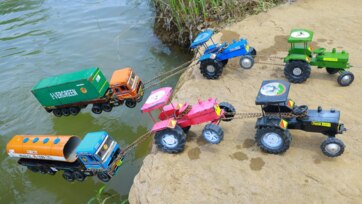
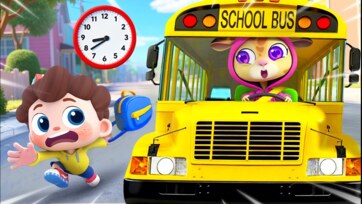
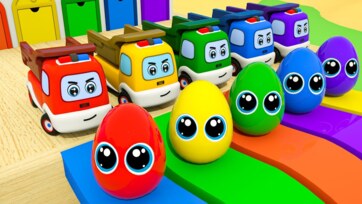
Modern early childhood media has evolved into a sophisticated "edutainment" ecosystem, meticulously designed to support a child's cognitive, social, and emotional growth through visual scaffolding. By utilizing high-contrast visuals, expressive character archetypes, and relatable life scenarios, these narratives provide a structured framework for children to interpret the world around them. This multidimensional approach addresses everything from basic logical categorization to complex empathy-building and the normalization of daily routines. The Architecture of Cognitive Logic and Categorization Visual stimuli are the primary engines of early learning, allowing children to decode complex concepts like order, attributes, and cause-and-effect before they possess advanced verbal skills. Chromatic Matching and Attribute Isolation The use of saturated, bold color palettes is a deliberate pedagogical tool used to facilitate categorization. Attribute Alignment: Matching brightly colored animals—such as a red tiger, a green lion, a yellow bear, a blue gorilla, and a pink panther—to balls of identical hues teaches children to isolate color as a specific attribute. Sequential Order: Arranging expressive, large-eyed eggs and corresponding toy trucks in a rainbow spectrum (red, yellow, green, blue, purple) introduces the concept of linear progression and mathematical sets. Spatial Reason: Content featuring colored garage doors that correspond to the colors of specific vehicles helps children practice spatial reasoning alongside attribute-based sorting. Visualizing Mechanical Principles High-fidelity digital and physical rendering allow children to "witness" textures and physical laws in action. Mechanical Problem-Solving: A blue tow truck using a cable to rescue a yellow school bus stuck in thick mud serves as a foundational lesson in mechanical advantage and community cooperation. Teamwork and Force: The depiction of multiple tractors using chains to pull heavy trucks up a riverbank reinforces concepts of combined force and collective effort. Emotional Literacy and the Mirroring of Internal States A critical component of modern children's media is Social-Emotional Learning (SEL), which provides children with the visual vocabulary to identify and communicate their own feelings. Naming and Validating Feelings Exaggerated facial expressions are used as mirrors for a child's internal psychological state. Shock and Anxiety: A child pointing in fear at a "ghost" figure in a bathroom or a large, Spider-Man-themed dinosaur at a window helps normalize and externalize common childhood anxieties. Visual Shorthand for Distress: Blue teardrops on a character's face (such as the toddler 'Anna') provide a clear visual indicator of sadness, helping children recognize this emotion in themselves and others. Surprise and Joy: Wide-eyed, open-mouthed expressions on characters discovering something new or rushing for a bus mirror a child’s natural sense of wonder. Modeling Empathy and Care Narratives often utilize inter-species interactions to model gentle behavior and emotional regulation. Gentle Stewardship: A boy gently observing a hen and her fluffy chick models "gentle hands" and respect for living beings. Empathy in Social Settings: A panda keeper offering a bucket of vegetables to a worried-looking lion, while an elephant and giraffe observe, demonstrates caretaking roles and the identification of needs in others. The Joy of Inclusion: A smiling monkey driving a tractor followed by a horse, goat, rooster, and wolf creates a visual representation of communal harmony and shared fun. Normalizing Routines and Community Responsibility As a child's world expands, media serves as a guide for navigating the transitions and expectations of the broader community. Time Management and Transitions The transition from the private home to the public educational sphere is framed as a significant, structured event. Temporal Awareness: The prominent inclusion of a large analog clock set to 7:40 AM in a school bus scene helps children visualize punctuality and the flow of a morning routine. Autonomy: A child carrying their own backpack toward a vehicle driven by a trusted community helper (the giraffe driver) represents growing independence. Hygiene Education through Play Turning repetitive daily tasks into playful, high-contrast activities reduces resistance to hygiene routines. Interactive Motivation: Smiling characters like a "toothbrush" and "tooth" accompanied by bold text saying "Brush me" transform a requirement into a friendly invitation. Visualizing Health: Using a grumpy green monster as a symbol for germs or dirt helps children understand why brushing is a necessary part of personal care. Agricultural and Service Ecosystems Farm and rescue themes introduce children to the concepts of labor, food production, and community "safety nets". Functional Roles: Monkeys driving tractors to transport livestock or pails of milk demonstrate that every community member has a role that contributes to the whole. Service Cooperation: The congregation of an ambulance, fire truck, and cement mixer around a rescue scene reinforces the idea that professionals work together to keep the community safe. Nature as a Sensory Classroom Vibrant depictions of outdoor habitats encourage a healthy transition from digital consumption to real-world sensory exploration. Biodiversity and Biological Identification By presenting diverse species in clear, bright settings, media helps children build a biological vocabulary. Observation Skills: Seeing three green parrots with red beaks sitting on a branch encourages children to look closer at the wildlife in their own environment. Identifying Traits: Detailed visuals of roosters with red combs, spotted cows, and goats with horns help children learn the defining physical characteristics of different animals. Validating Tactile Discovery Content that celebrates sensory experiences in nature encourages active, physical play. The Joy of "Messy" Play: Framing a child sitting happily in a mud puddle with a rooster—surrounded by smiling sheep, cows, and goats—validates mucky, tactile discovery as a positive experience. Nurturing Bonds: A toddler kneeling to feed goats in a flower-filled meadow frames nature as a safe and welcoming space for nurturing interactions. Conclusion: The Integrated Blueprint for Early Development The digital landscape of early learning is a carefully constructed tapestry designed to address the development of the whole child. By using saturated colors to teach logic, expressive faces to teach empathy, and relatable life scenarios to teach responsibility, these visual narratives provide a roadmap for navigating the complexities of the real world. Whether a child is watching a monkey drive a tractor, learning to match a blue gorilla to a blue ball, or observing a panda feed a lion, they are building the cognitive and emotional frameworks necessary to step out of their homes with confidence. These stories turn mundane routines into moments of profound discovery, ensuring that children view their world with curiosity and compassion.
Scary Electric Monster Girls - Purple Vampire Transformation Challenge
You’re circling around an idea that is actually quite powerful: children don’t learn the world first through words. They learn it through sight, motion, exaggeration, and story. Language comes later, like subtitles added after the movie has already begun. Let’s tighten and deepen this into a clearer interpretation of what’s really happening inside that so-called “visual-first” approach. In contemporary early childhood development, visual media has become one of the most influential learning environments a child encounters. Bright colors, animated motion, expressive characters, and simplified narratives are not random stylistic choices. They are carefully aligned with how the young brain is wired to absorb information during its earliest years. Before children can read instructions or follow abstract explanations, they rely on sensory-rich experiences to build their understanding of reality. This visually driven ecosystem acts as what psychologists describe as cognitive scaffolding. In plain terms, it provides temporary mental structures that help children organize new information until they can reason independently. Through repeated exposure to visual patterns and symbolic storytelling, children begin constructing internal models of logic, emotion, social behavior, and physical cause-and-effect. Cognitive Logic: Learning Order Before Language Visual stimuli function as the first teaching language. Long before children grasp numbers or grammar, they can detect patterns, categorize objects, and predict outcomes based on what they observe. The use of bold, saturated colors is especially important because young brains are highly responsive to contrast. When children see objects consistently grouped by color or shape, they are unknowingly practicing classification — the same mental process later required for mathematics, reading comprehension, and scientific reasoning. Matching activities, such as associating a particular color with a recognizable symbol or character, train what researchers call attribute isolation. This means identifying one defining feature among many possibilities. It is the mental skill behind recognizing letters, distinguishing sounds, and solving puzzles. Sequential imagery — for example, objects arranged in a clear order or progression — introduces the concept of structure. Order is not taught verbally; it is felt visually. The brain begins to expect that things can follow patterns, and that expectation becomes the root of logical thinking. Even stylized anatomical visuals, such as colorful representations of body structures, help children understand that complex systems can be broken into recognizable forms. It turns biology into something approachable rather than abstract. Mechanical Understanding: A Child’s First Physics Lesson When children watch scenarios involving movement, tools, or coordinated effort, they are observing simplified models of physical laws. A vehicle pulling another object, multiple elements working together, or parts interacting within a system all demonstrate foundational mechanical principles. These scenes introduce early notions of: Force and resistance Cooperation between components Problem-solving through action The relationship between effort and outcome A child doesn’t need to understand the word leverage to sense that teamwork moves something heavy. The lesson is embedded in motion itself. This is experiential physics — learning by watching systems behave. Social-Emotional Learning: Visualizing Feelings That Have No Words Yet Young children experience emotions intensely but lack the vocabulary to explain them. Visual storytelling fills this gap by externalizing feelings. Exaggerated expressions, symbolic tears, or dramatic reactions provide a readable emotional language. Children begin to map internal sensations to observable cues. They learn what sadness looks like. What surprise looks like. What fear looks like. Surreal transformations or unexpected events in stories may appear fantastical, but psychologically they mirror how children perceive change — confusing, sudden, and sometimes overwhelming. These exaggerated scenarios help them rehearse emotional adaptation in a safe context. In essence, the child practices feeling before facing real-life equivalents. Empathy and Caregiving Through Modeled Interaction When characters respond to illness, distress, or vulnerability, children witness caregiving behaviors in action. Offering help, showing concern, or participating in shared solutions models empathy as something visible and practical. Because children are natural imitators, these visual demonstrations often translate directly into behavior. They begin to associate kindness with action rather than instruction. Empathy, at this stage, is not taught as a moral rule. It is absorbed as a recognizable pattern of response. Life Skills: Turning Responsibility Into Play Tasks like hygiene, cooperation, or maintaining order can feel restrictive if introduced as commands. Visual narratives reframe them as meaningful actions within an engaging story world. By transforming invisible threats or abstract responsibilities into tangible challenges, children understand purpose rather than just obligation. The message shifts from “do this because you must” to “do this because it helps.” This subtle reframing is remarkably effective at reducing resistance and increasing participation in daily routines. Early Economic and Social Awareness Symbolic representations of work, reward, and different living conditions introduce simplified versions of social structure. These portrayals are not lessons in economics but early exposures to the idea that effort, roles, and environments vary. Children begin forming questions about fairness, contribution, and aspiration — foundational ideas that later shape their understanding of society. Environmental Literacy and Connection to the Living World Nature-centered imagery introduces children to relationships between humans, animals, and resources. Seeing food grow, animals interact, or environments function creates early ecological awareness. This exposure fosters familiarity rather than fear of the natural world. Children develop curiosity about where things come from and how living systems coexist. Such impressions can strongly influence long-term attitudes toward health, sustainability, and care for surroundings. The Real Function of Visual Learning: Building Mental Blueprints What appears to be simple entertainment is actually rehearsal for reality. Each repeated visual narrative strengthens neural pathways related to reasoning, emotional regulation, and adaptive behavior. The child is not memorizing information. The child is constructing frameworks — mental blueprints used later to interpret real experiences. By the time formal education begins, much of the foundational architecture for understanding has already been assembled through observation-driven learning. The visual-first approach works because it aligns with developmental biology rather than fighting against it. It respects the order in which human cognition naturally unfolds: sensation first, meaning second, language third. Children see.Then they feel.Then they understand.Only much later do they explain. That sequence, ancient and stubborn, is why visual storytelling remains one of the most potent educational forces in early childhood — not because it replaces teaching, but because it prepares the brain to be teachable in the first place. If you want to take this further, the next layer worth examining is how different kinds of visual pacing — fast-cut versus slow narrative — shape attention span and memory formation in very different ways. That’s where neuroscience starts getting deliciously weird.
The Transformative Role of Visual-First Learning in Early Childhood Development
In contemporary early childhood pedagogy, the "visual-first" approach has emerged as a dominant force in cognitive and social-emotional development. By leveraging high-contrast digital art, relatable anthropomorphic characters, and strategic social modeling, modern educational media creates a multi-layered learning environment designed to nurture the "whole child." This extensive visual ecosystem functions as a form of cognitive scaffolding, providing children with the mental blueprints necessary to interpret complex physical mechanics, navigate social friction, and regulate intense internal emotions. The following analysis expands on these pedagogical themes, emphasizing practical examples, extended scenarios, and deeper developmental connections. Cognitive Logic: Categorization, Attributes, and Physics Visual stimuli serve as the primary engines of early learning, allowing children to decode logical structures such as order, attribute matching, and cause-and-effect long before they achieve verbal or mathematical literacy. Chromatic Logic and Attribute Isolation The deliberate use of saturated, bold color palettes facilitates categorization and foundational set theory. Sequential Sorting: Large-scale visuals, such as a child driving a pink tractor pulling trailers of red, yellow, green, and blue ice cream cones, reinforce color recognition alongside the concept of linear sets and sequential order. Children can later transfer this understanding to classroom activities like arranging blocks by size or color. Anatomical Visualization: Stylized, glowing skeletons in bright primary colors provide a playful introduction to human anatomy, helping children distinguish between structural forms while connecting visuals to the real human body. Temporal and Identity Association: High-contrast graphics, such as a white creature holding an orange popsicle that mirrors its shape, help children associate objects with identity markers and understand duration through "1 Hour" timestamps. This encourages early comprehension of sequencing events and basic time concepts. Mechanical Principles and Collaborative Problem-Solving Hands-on play depicted visually fosters early understanding of physics and teamwork. Complex Recovery Operations: A scene where two large trucks are stuck in a mud pit, pulled out by a yellow crane, a red tractor, and various excavators, illustrates leverage, tension, and cooperative problem-solving. Children intuitively understand that some challenges require multiple agents working together. Interconnected Systems: Visuals of a baby suspended in a series of interlocking gears introduce the idea that machines rely on coordinated parts, laying early groundwork for engineering concepts. Social Order and Authority: Scenes like "police babies" carrying a struggling mermaid or a police dog chasing a candy thief demonstrate cause-and-effect reasoning and basic societal rules, emphasizing community roles and fairness from an early age. Social-Emotional Learning (SEL): Mirroring and Resilience Modern children’s media provides a visual vocabulary for internal states, teaching children to identify, validate, and communicate complex emotions. Validating Fear and Anxiety Exaggerated facial expressions and surreal scenarios serve as psychological mirrors. Visual Shorthand for Shock: Wide-eyed, gasping expressions, in response to a giant T-Rex or massive bee, help children visually process unexpected or overwhelming changes. Social Horror and Transformation: Peers experiencing a cup-headed transformation provide a framework to discuss feelings of exclusion, social change, or anxiety over differences. Masking and "Otherness": Characters with fangs or glowing eyes can be used to explore the masking of emotions or the feeling of being “different,” encouraging empathy and self-awareness. Managing Health, Empathy, and Protection Simulated social scenarios help children understand care, responsibility, and ethical behavior. Caring for the Sick: A character delivering lemon water and a thermometer teaches practical empathy and the recognition of illness management tools. Environmental Protection: A child shielding a lamb from rain demonstrates responsibility for vulnerable beings and nurtures a protective instinct toward animals and the environment. Interspecies Care: Bathing a fantastical creature reinforces hygiene as a joyful, nurturing act, linking responsibility with positive emotion. Life Skills: Personal Responsibility and Community By transforming daily tasks and community roles into playful adventures, visual media reduces resistance to societal expectations. Hygiene Education and "Health Heroes" Abstract health concepts become concrete through engaging visuals. Visualizing Germs: Large, green, spiky "virus" monsters make invisible pathogens tangible, teaching why hygiene matters. Empowered Defense: Toy blasters fighting germs frame hand-washing as an active defense rather than a chore. Automated Care: Police dogs navigating car washes with soap and colorful brushes reinforce routine cleaning as a necessary maintenance skill. Financial Literacy and Social Roles Visual representations introduce concepts of wealth, labor, and social responsibility. Symbolism of Economic Disparity: Children with stacks of cash versus those with brooms or cardboard homes illustrate early lessons in inequality, reward, and aspiration. Creative Expression: Surrealist imagery, such as stylized female faces integrated into fashion items, encourages artistic exploration and understanding of personal expression. Biodiversity and Communal Rewards Visual media introduces children to the origins of resources, animal life, and shared societal joy. Agricultural Origins: A monkey transporting bananas via tractor highlights "farm-to-table" logistics, connecting visuals to everyday food systems. Communal Rewards: Sharing heart-shaped pizza with peers underscores collaboration, generosity, and social joy. Animal Interaction: Feeding a giraffe or holding a calf’s tail provides early tactile connections to the natural world, fostering respect for biodiversity and curiosity about living creatures. Conclusion: The Integrated Blueprint for Development The visual landscape of early learning is a carefully constructed tapestry, intentionally targeting the "whole child." Saturated colors teach logic, expressive faces teach empathy, and collaborative play teaches physics, teamwork, and social responsibility. Each visual scenario bridges the digital screen and the physical environment. When children sort colorful "ice cream" trailers or learn to shield a lamb from rain, they internalize lessons in cognition, social-emotional understanding, and practical life skills. Over time, this foundation fosters confident, adaptable learners capable of navigating complex real-world challenges—one frame at a time.  
Bunnies: Cute, Curious, and Educational Pets for Kids
Bunnies, or rabbits, are among the most adorable and gentle animals that children naturally love. Their soft fur, twitching noses, and playful behavior make them perfect for teaching kids about responsibility, empathy, and animal care. Rabbits are not only cute but also provide a fun and educational experience, helping children learn about nature, life cycles, and social behavior. This article explores bunnies, their behavior, diet, life cycle, care, and fun learning activities for children. Introduction to Bunnies Bunnies are small mammals belonging to the family Leporidae. They are known for: Soft fur that is fun to pet. Long ears that help them listen for danger. Powerful hind legs for hopping and exploring. Why Kids Love Bunnies: Their playful and gentle nature. Curiosity and hopping behavior make them fun to watch. Soft fur encourages tactile learning and interaction. Parent Tip: Even if you don’t have a pet bunny, watching videos or reading books about rabbits can teach observation and empathy. Life Cycle of Bunnies Understanding the life cycle of bunnies teaches children about growth, development, and care: Birth: Baby rabbits are called kits. They are born hairless and blind. Neonatal Stage: Kits rely entirely on their mother for warmth and milk. Growth Stage: After 2–3 weeks, fur develops, and kits begin opening their eyes. Weaning: Around 4–6 weeks, kits start eating solid food like hay and vegetables. Juvenile Stage: They begin exploring, hopping, and interacting with siblings. Adulthood: Bunnies mature and may have their own kits. Activity Idea: Have children draw the life cycle of a bunny. This strengthens sequencing, memory, and observation skills. Behavior of Bunnies Bunnies are social, curious, and playful. Observing their behavior teaches children emotional intelligence, empathy, and problem-solving. Hopping and Running: Bunnies explore their surroundings and show energy. Grooming: Bunnies clean themselves and each other, teaching self-care and hygiene. Communication: Rabbits use body language and sounds (thumping, squeaks, or purring) to communicate. Playfulness: Bunnies love exploring, hopping over obstacles, and playing with toys. Parent Tip: Watch bunny videos with children and ask, “Why do you think the bunny is thumping?” Discuss emotions and body language, which builds empathy and social understanding. Diet and Nutrition A healthy diet is essential for bunnies’ growth and well-being. Children can learn about nutrition and responsibility by understanding bunny diets: Hay: Essential for digestion and healthy teeth. Vegetables: Carrots, leafy greens, and herbs provide vitamins. Pellets: Specially formulated bunny food for balanced nutrition. Water: Fresh water must be available at all times. Learning Opportunity: Compare bunny nutrition with children’s healthy eating habits, teaching the importance of balanced diets. Encourage children to prepare safe portions for pet rabbits under supervision. Physical Development and Care Bunnies grow rapidly and require proper care and a safe environment: Housing: A secure, clean hutch or indoor pen with enough space to hop. Exercise: Daily playtime for healthy muscles and socialization. Grooming: Brushing fur reduces shedding and prevents mats. Veterinary Care: Regular check-ups prevent illnesses. Parent Tip: Explain that caring for animals is a daily responsibility. Children learn empathy, patience, and routine through supervised care. Fun Facts About Bunnies Rabbits have large eyes on the sides of their head, giving them a wide field of vision. They can jump up to 3 feet in a single hop. Rabbits’ teeth grow continuously, so chewing hay keeps them healthy. They are crepuscular, meaning most active at dawn and dusk. Rabbits show joy by binkying—jumping, twisting, and kicking in the air. Parent Tip: Encourage children to mimic bunny movements for fun physical activity. Discuss the differences between wild and domestic rabbits. Rabbits as Educational Tools Bunnies teach children many life skills: Empathy and Compassion: Caring for a soft, dependent animal. Observation Skills: Watching how bunnies interact and move. Responsibility: Feeding, cleaning, and monitoring health. Problem-Solving: Observing how bunnies navigate obstacles or play with toys. Patience: Bunnies move slowly and require gentle handling. Example: Feeding a rabbit with small vegetables teaches careful handling, observation, and responsibility. Activities to Teach Kids About Bunnies Farm Visits: Observe rabbits in a safe environment. Storytelling: Create imaginative stories about a bunny’s adventures. Arts and Crafts: Draw, paint, or create bunny-themed crafts. Interactive Videos: Watch hoppy, playful bunnies online or in documentaries. Animal Journals: Record bunny behaviors and growth. Parent Tip: Ask children to predict bunny behavior based on observation. Encourage creativity, writing, and drawing skills through bunny-themed activities. Rabbits and Emotional Growth Interacting with or observing bunnies helps children: Develop empathy by caring for dependent animals. Understand emotions through body language like ears, nose twitching, and posture. Learn patience as rabbits require gentle handling. Experience joy and curiosity by watching playful behavior. Practical Tip: Even if children don’t own a rabbit, books, videos, and guided activities can provide similar benefits. Rabbits in Stories and Culture Rabbits appear in countless children’s stories, cartoons, and folktales, making them familiar and loved: Peter Rabbit teaches bravery and adventure. Easter Bunny connects to seasonal traditions, engaging children culturally. Rabbits in cartoons emphasize curiosity, cleverness, and friendship. Parent Tip: Use stories to teach moral lessons and life skills, connecting fictional rabbits to real-life animals. Parenting Tips for Rabbits Supervised Interaction: Always monitor children around rabbits. Gentle Handling: Teach calm and careful movements. Hygiene: Wash hands after touching rabbits or cleaning cages. Observation and Discussion: Ask children to explain bunny behaviors. Connect to Lessons: Discuss family care, empathy, and responsibility through bunny care. Conclusion Bunnies are more than adorable pets—they are educational companions. Learning about rabbits can help children develop: Empathy and compassion. Observation and critical thinking. Responsibility and routine. Creativity and imaginative play. Emotional understanding and patience. Parents can maximize these benefits by visiting farms, reading stories, creating bunny-themed crafts, and engaging in safe interaction. With thoughtful guidance, children enjoy the playful, gentle nature of bunnies while developing valuable life skills and a love for animals.
The Digital Playground
A Comprehensive Analysis of Early Childhood "Edutainment" In the modern landscape of child development, the intersection of digital media, visual storytelling, and fundamental educational concepts has created a new standard for early childhood engagement. This "edutainment" ecosystem relies on high-contrast visuals, expressive character archetypes, and relatable social scenarios to build cognitive and emotional foundations. By analyzing themes ranging from the frantic energy of a morning routine to the serene curiosity of animal interactions, we can see how these narratives provide a holistic framework for a child's understanding of the world. The Visual Language of Learning Visual stimuli are the primary drivers of learning in early childhood. Before a child can decode written language, they are proficient in decoding color, shape, and pattern. Color as a Navigational Tool The strategic use of a bold, saturated color palette is designed to capture attention and facilitate cognitive categorization. Vibrant Primaries: Bright red, sunny yellow, and deep blue serve as visual anchors. Red often denotes high energy or central characters, while yellow, as seen in the clothing of many young protagonists, signals optimism, approachable warmth, and safety. Stabilizing Contrasts: Blue sky backdrops or community vehicles like school buses provide a sense of environmental stability and reliability. Logical Sorting: Scenarios involving matching colored trucks to oversized, expressive eggs introduce children to the concept of sets and pattern recognition. This visual logic is the precursor to both mathematical and scientific thinking. Sensory Imaginarium High-quality digital rendering allows children to "feel" textures through their eyes, bridging the gap between screen time and real-world sensory play. Tactile Visualization: The representation of "slime" or liquid candy flowing from faucets engages a child's imagination regarding states of matter and fluid dynamics. Natural Textures: Contrasting the smooth feathers of a duckling or rooster with the squishy, cool texture of a mud puddle encourages an appreciation for the diverse physical properties of nature. Emotional Intelligence and Social Archetypes Modern media for children places a heavy emphasis on Social-Emotional Learning (SEL), using character expressions to teach empathy and conflict resolution. Identifying Internal States Exaggerated facial features help children name and validate their own feelings. Wonder and Surprise: Wide-eyed, open-mouthed expressions in characters—whether discovering a sink full of candy or missing a bus—provide a mirror for a child’s own reactions to the unexpected. Fear and the Unknown: Depicting a child's surprise at a "ghost" or shadow in a household setting like a bathroom helps normalize common fears and provides a safe space to discuss them. Mediation and Conflict: When characters representing emergency responders (like a police-dog archetype) intervene in a dispute between peers, it demonstrates the social value of mediation and the presence of community helpers. The Power of Companionship Narratives rarely focus on a solitary individual, instead emphasizing the group dynamic. Whether it is a trio of birds on a branch or friends on a road trip, these stories reinforce the idea that life’s journeys—and its learning—are most rewarding when shared. Community Systems and Life Skills As a child’s world expands beyond the home, media introduces the systems and responsibilities that govern society. The Morning Commute and Punctuality The scenario of a child rushing to a large yellow school bus is a masterclass in life skills. Time Management: The presence of a prominent analog clock helps children visualize the passage of time and the importance of punctuality. Independence: Carrying a backpack and navigating the sidewalk toward a vehicle driven by a trusted community member (represented here as a friendly giraffe-themed driver) symbolizes the child's growing independence. The Agricultural Ecosystem Farm-themed content introduces the concepts of labor, food production, and cross-species cooperation. Roles and Jobs: Seeing monkeys driving tractors or collecting milk shows that every member of a community has a specific task that contributes to the whole. Animal Stewardship: Interactions like feeding goats or sitting among chickens teach children to be gentle and respectful of other living beings. Nature as a Classroom The transition from digital screens to the great outdoors is encouraged through vibrant depictions of natural habitats. Biodiversity and Habitat By showing characters in diverse settings—from bamboo forests to wildflower meadows—children learn to identify different ecosystems. Observation Skills: Seeing birds in their natural environment or sheep grazing in a field encourages children to look closer at their own backyards. Environmental Empathy: The close-up interaction between a squirrel and a duckling in a natural setting fosters an early sense of wonder and a desire to protect the small creatures of the world. Active Play and Movement Content that features characters playing in the mud or running through grass validates active, outdoor play as a healthy and joyful pursuit. It frames the "messiness" of nature as an opportunity for discovery rather than something to be avoided. Conclusion: Synthesizing the Experience The digital frontier of early learning is a carefully architected tapestry designed to nurture the whole child. It uses the magnetic pull of bright colors and charming characters to deliver essential lessons in logic, empathy, and community responsibility. By turning a mundane bath into a comedy or a drive into an adventure, these narratives help children navigate the transitions of their own lives with confidence and curiosity. As they watch a rooster sit in a puddle or a monkey drive a tractor, they aren't just being entertained; they are building the mental map that will guide them as they step out of their homes and into the wide, wonderful world.
Advertisement
Best Vegetables Every Child Must Eat
Childhood is a construction phase. Bones are being mineralised, neural networks are wiring themselves at astonishing speed, and the immune system is basically attending boot camp every day. You are not just feeding a child; you are supplying raw materials to a rapidly evolving biological machine. Vegetables are some of the most information-dense materials you can provide. They contain micronutrients that act like instructions telling the body how to grow, not just how much to grow. Many children get enough calories. Fewer get enough nutrients. That gap matters. Leafy Greens — The Structural Engineers: 4 Leafy greens like spinach, mustard greens, and fenugreek are nutritional heavyweights. They provide iron, calcium, magnesium, folate, and vitamin K — nutrients that directly influence bone density and blood formation. Iron helps carry oxygen through the bloodstream. Oxygen fuels growing tissues. Without enough oxygen delivery, growth slows like a city during a power outage. Vitamin K ensures calcium actually binds to bones instead of wandering uselessly through the bloodstream. Think of it as the traffic controller directing minerals to the skeleton. Children who regularly eat leafy greens often show better endurance, stronger immunity, and fewer fatigue complaints. Blend them into lentils, knead them into dough, or add them to omelettes. The goal is exposure, not culinary perfection. Carrots and Pumpkin — The Neural Support Crew: Orange vegetables like carrots and pumpkin are loaded with beta-carotene, which the body converts into vitamin A. This nutrient is essential for vision, immune defence, and — often overlooked — brain development. Vitamin A supports communication between neurons. A growing brain is basically laying down electrical wiring at high speed, and vitamin A helps maintain insulation and signal clarity. Children deficient in it may experience frequent infections and slower recovery from illness. That means missed school days, lower activity, and less physical development. Add grated carrots to rice, mix pumpkin into soups, or roast them lightly to bring out natural sweetness. Children accept sweetness from vegetables far more easily than bitterness. Broccoli and Cauliflower — The Cellular Repair Specialists: 4 Cruciferous vegetables — broccoli and cauliflower — contain compounds that activate detoxification enzymes and support cellular repair. During childhood, cells are dividing constantly. That process needs maintenance systems to prevent errors. These vegetables also enhance how the body uses protein. Even if a child eats eggs, lentils, or meat, those nutrients are better utilised when these vegetables are part of the diet. In other words, they help the body make better use of what is already being eaten. Lightly cook them with familiar foods like potatoes or rice to reduce resistance. Beetroot and Turnip — The Circulation Boosters: 4 Root vegetables such as beetroot and turnip support blood circulation and provide potassium, fibre, and natural nitrates. Improved circulation means nutrients reach growing tissues faster — muscles, bones, and even the brain receive better supply lines. Beetroot also supports stamina. Active children benefit from enhanced oxygen delivery, which helps sustain play, exercise, and physical coordination. Grate beetroot into yoghurt, mix into cutlets, or add to flatbread dough. Its vibrant colour often makes it more appealing to children than expected. Bottle Gourd and Okra — The Digestive Stabilisers: 4 Some vegetables do not look impressive, but they quietly perform essential work. Bottle gourd and okra support digestion and hydration. A healthy digestive system is critical because nutrients must be absorbed before they can contribute to growth. Okra provides soluble fibre that nourishes beneficial gut bacteria. Those bacteria influence metabolism, immune signalling, and even hormone balance. A child with good digestion absorbs more nutrition from the same meal than one with poor gut health. That difference accumulates over the years. Cook them simply with mild spices to maintain their natural texture and benefits. Why Children Need Variety, Not Just One “Healthy Vegetable”: The human body does not grow on a single nutrient. It requires a network of interacting vitamins and minerals. Iron needs vitamin C to be absorbed properly.Calcium depends on vitamin K.Cell repair requires antioxidants.Brain development needs a mix of fats, minerals, and plant compounds. Different vegetables provide different parts of that puzzle. Feeding only one type repeatedly is like trying to build a house using only bricks and no cement. A rotating selection across the week works better than forcing one vegetable daily. How Much Is Enough? Children generally need about one cup of vegetables per day in early childhood, increasing with age. This should include multiple types rather than a single serving. Small, consistent portions outperform large, occasional servings. The body responds to regular signals. Growth is cumulative, not episodic. Making Vegetables Acceptable to Children: Children resist unfamiliar textures more than flavours. Presentation changes everything. Mix vegetables into foods they already trust.Serve them in varied forms — mashed, grated, lightly cooked.Avoid labelling them as “healthy.” Curiosity works better than pressure. When vegetables appear as a normal part of meals rather than a forced addition, acceptance rises naturally. The Bigger Picture: Vegetables are not just protective foods. They are developmental tools. They help build skeletal strength, support cognitive growth, stabilise immunity, and regulate metabolism — all processes that define childhood health. A child’s future physiology is being written right now, meal by meal. Vegetables are part of that script, quietly shaping resilience, energy, and long-term well-being. Treat them less like side dishes and more like the biological software updates that keep the system running smoothly.