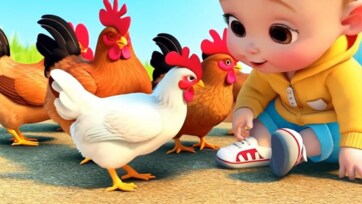
Amazing Animals Every Child Should Know About: Fun, Facts, and Learning

Animals are not just part of nature—they are fascinating teachers for children. Learning about animals helps kids develop curiosity, empathy, observation skills, and understanding of the natural world. From the fastest cheetah to the tiniest ant, every creature teaches children something new about life, survival, and diversity.

This article explores interesting animals for children, their unique traits, and how parents can turn learning into fun experiences.

  1. Why Learning About Animals Is Important for Children

Understanding animals helps children in several ways:

  • Cognitive Development: Observing animals teaches cause-and-effect, patterns, and problem-solving.
  • Emotional Intelligence: Empathizing with animals improves compassion and care.
  • Creativity: Imagining animal behaviors and habitats boosts imaginative thinking.
  • Connection with Nature: Learning about wildlife fosters environmental awareness and responsibility.

Parent Tip:

  • Discuss favorite animals with children and ask questions like, “Why do you think the elephant has a trunk?”
  • This encourages curiosity and analytical thinking.
  1. Amazing Mammals Kids Love

Elephants:

  • Elephants are intelligent and social, living in family groups called herds.
  • They use trunks to eat, drink, and communicate.
  • Teaching children about elephants encourages lessons in teamwork and family care.

Cheetahs:

  • The fastest land animal, reaching speeds up to 120 km/h.
  • Cheetahs demonstrate focus, patience, and agility, inspiring children to value practice and skill.

Dolphins:

  • Highly intelligent and playful, dolphins are known for their communication and social skills.
  • Watching videos of dolphins can teach children empathy and cooperation.

Activity Idea:

  • Ask children to draw their favorite mammal and list its unique traits.
  • Encourage them to mimic the animal’s movements, combining creativity with physical play.
  1. Fascinating Birds for Kids

Peacocks:

  • Known for their colorful feathers, peacocks teach children about beauty in nature.
  • Children can learn to observe patterns and colors.

Owls:

  • Owls are nocturnal and wise, symbolizing observation and patience.
  • Introduce children to the concept of day vs night animals.

Penguins:

  • Penguins teach teamwork and adaptation to cold environments.
  • They are playful and social, helping children understand cooperation and community.

Parent Tip:

  • Compare different birds and ask children to identify similarities and differences, boosting analytical skills.
  1. Incredible Reptiles and Amphibians

Turtles:

  • Slow but steady, turtles teach patience and persistence.
  • Their protective shells show adaptation and self-defense.

Frogs:

  • Frogs demonstrate metamorphosis, showing children how animals grow and change.
  • Observing tadpoles turning into frogs teaches life cycles in a simple way.

Snakes:

  • Snakes are fascinating for their movement, camouflage, and survival skills.
  • Children learn about diversity and how animals adapt to their habitats.

Activity Idea:

  • Create a nature journal where children write or draw about reptiles and amphibians they learn about.
  1. Marine Life That Inspires Curiosity

Sharks:

  • Sharks are apex predators, teaching children about balance in ecosystems.
  • Highlight their role in keeping oceans healthy.

Octopus:

  • Octopuses are highly intelligent and can change color and shape.
  • Children learn about problem-solving and adaptability.

Whales:

  • Whales are gentle giants that travel in pods.
  • Learning about their communication and migration teaches children about community and environmental awareness.

Parent Tip:

  • Show documentaries or short videos about marine animals to make learning visual and interactive.
  1. Insects and Tiny Creatures

Bees:

  • Bees teach children about hard work, teamwork, and pollination.
  • Children learn why bees are important for plants and the environment.

Butterflies:

  • Butterflies demonstrate transformation, showing kids how caterpillars become butterflies.
  • This teaches patience and the beauty of growth.

Ants:

  • Ants live in colonies and cooperate efficiently.
  • Children learn lessons about organization and collaboration.

Activity Idea:

  • Take children on a nature walk to observe insects.
  • Let them draw or describe what they saw, reinforcing observation skills.
  1. How Animals Teach Life Skills

By observing animals, children can develop important life skills:

  • Responsibility: Caring for pets teaches empathy and routine.
  • Problem-Solving: Watching animals find food or shelter encourages analytical thinking.
  • Observation Skills: Noticing patterns in behavior builds attention to detail.
  • Teamwork and Social Skills: Many animals work in groups, showing children the importance of cooperation.

Parent Tip:

  • Discuss animal behaviors with children and connect them to human skills like teamwork and problem-solving.
  1. Fun Activities to Learn About Animals
  1. Animal Flashcards: Teach names, sounds, and habitats.
  2. Animal Sounds Game: Guess the animal from its sound.
  3. Zoo or Safari Trips: Observe animals in real life.
  4. Storytelling: Let children invent stories about their favorite animals.
  5. Arts and Crafts: Make animal masks, puppets, or drawings.

These activities reinforce learning while keeping it fun and interactive.

  1. Environmental Awareness

Learning about animals also fosters care for nature:

  • Teach children not to litter or harm habitats.
  • Discuss endangered species and conservation efforts.
  • Encourage responsible behavior toward pets and wildlife.

Parent Tip:

  • Show simple videos or books about wildlife conservation.
  • Encourage children to plant flowers or trees that help local animals.
  1. Fun Facts About Animals for Kids
  • Elephants can recognize themselves in mirrors, showing self-awareness.
  • Cheetahs can accelerate faster than a sports car in a short distance.
  • Octopuses have three hearts and can squeeze through tiny spaces.
  • Bees communicate by dancing to indicate where flowers are.
  • Frogs drink water through their skin, not just their mouths.

Sharing these fun facts makes learning about animals memorable and exciting.

Conclusion

Animals are more than just living creatures—they are teachers, role models, and sources of inspiration for children. By learning about animals, kids can develop:

  • Creativity and imagination.
  • Observation and critical thinking skills.
  • Emotional intelligence and empathy.
  • Understanding of teamwork, survival, and life cycles.

Parents can make learning about animals interactive and fun through activities, storytelling, nature walks, and creative projects. By combining education with entertainment, children grow curious, compassionate, and knowledgeable about the world around them.



Advertisement
Splish, Splash, Monkey in the Bath!
Welcome to the most hilarious bathroom in the world! Today, we are looking at a picture that will make you giggle and maybe even want to jump into the shower yourself. It features a very surprised little monkey who is learning all about bubbles, water, and getting squeaky clean. This story is all about the fun of bath time, the importance of hygiene, and why monkeys (and kids!) need to wash behind their ears! Meet the Funniest Bather: The Surprise Monkey In the center of our bright blue picture is a small, furry monkey. Usually, monkeys are swinging from trees in the jungle or snacking on bananas, but this one has decided to try something new—a refreshing shower! The Face of Pure Shock Look at the monkey's face! His eyes are wide like dinner plates, and his mouth is open in a giant "O." The Water: He is holding the showerhead all by himself, and the cool water is splashing right onto his head. The Feeling: Maybe the water is a little chilly, or maybe he’s just excited by how the spray feels on his fur. It’s the face of a monkey who has just discovered a brand-new hobby! Bubbles on the Brain If you look at the top of his head, you’ll see white, fluffy bubbles. It looks like he’s using a lot of shampoo! These bubbles aren't just for fun; they are hard at work cleaning off all the jungle dust and sticky fruit juice from his fur. A Blue Mosaic Wonderland The bathroom in this picture isn't just a regular room; it’s covered in beautiful blue tiles. The Pattern of Squares The walls are made of hundreds of tiny square tiles in different shades of blue. Some are dark like the deep ocean, and some are light like a summer sky. Counting Game: Can you try to count ten blue squares? It’s like a giant puzzle on the wall! Waterproof Fun: Tiles are perfect for bathrooms because they don't mind getting wet. The monkey can splash as much as he wants, and the walls will stay sparkly and clean. The Modern Fixtures On the left, we see a shiny silver faucet. This is where the water comes from before it goes through the white hose to the showerhead. It looks very clean and modern, making it the perfect "Jungle Spa" for our little friend. Why Bath Time is So Important The monkey is having a lot of fun, but he’s also doing something very healthy. Just like monkeys, children need to wash every day to stay strong and happy. Saying Goodbye to Germs Germs are tiny little things we can't see, but they love to hide in dirt. When the monkey washes his fur with soap and water, he is washing those germs down the drain. This keeps him from getting itchy or sick. Taking Care of Your "Fur" Whether you have soft fur like a monkey or hair like a human, shampoo helps keep it shiny and healthy. Rubbing the bubbles into your head also feels like a little massage—no wonder the monkey looks so energized! Waking Up Your Senses A shower or bath is a great way to start the day. The sound of the splashing water and the smell of the soap can help us feel awake and ready for adventure, just like our surprised little friend. Learning to Be Independent One of the coolest things about this picture is that the monkey is holding the showerhead himself. He is being a "big monkey" and learning to do things on his own! Step-by-Step Showering To take a great shower like the monkey, there are a few steps: The Temperature: Make sure the water isn't too hot and isn't too cold. The Soap: Use enough soap to make a mountain of bubbles on your head. The Rinse: Use the showerhead to wash all the bubbles away until your fur—or skin—is squeaky clean. The Towel: On the right side of the picture, you can see a white towel waiting. Drying off is the best part because it’s so cozy! The Colors of Cleanliness Why is the picture so blue? Colors can change how we feel! Blue: This color makes us think of water, ice, and cleanliness. It feels fresh and cool. Brown: The monkey's fur is brown, which stands out perfectly against the blue background. It shows that he is a part of nature, even when he’s in a modern bathroom. White: The bubbles and the showerhead are bright white. White is the color of purity and soap. What Kind of Monkey is He? This little guy looks like a Macaque. Macaques are very smart animals that live in many parts of Asia. Some macaques, called "Snow Monkeys," are famous for bathing in hot springs during the winter. Our friend in the picture seems to prefer the indoor life with his blue tiles and fancy showerhead! Monkey Manners In the wild, monkeys clean each other by picking through their fur. This is called "grooming." It’s how they show they love their family. By taking a shower, this monkey is grooming himself in a very modern way! Making Bath Time Fun at Home If you sometimes don't want to take a bath, just think of the Surprise Monkey! Here are some ways to make your bath time just as exciting: Bubble Beards: Use your shampoo to make a beard or a funny hat, just like the monkey has bubbles on his head. Toy Adventure: Bring your favorite plastic animals into the tub. Maybe a duckling can go for a swim! The "Monkey" Face: Look in the mirror while you are washing and try to make the same surprised face as the monkey in the picture. Conclusion: Stay Silly and Stay Clean! The world of the Surprise Monkey is a place of joy and discovery. Whether he’s finding out how a showerhead works or just enjoying the tickle of the bubbles, he reminds us that even daily chores like washing can be a grand adventure. Next time you hear the water running in the bathroom, remember our little furry friend. Grab your towel, find your bubbles, and get ready for some splish-splash fun. Who knows? You might end up looking just as surprised and happy as he is!
Advertisement
Why Kids Love Tom and Jerry: Fun, Humor, and Life Lessons
Tom and Jerry is one of the most beloved cartoons in the world, captivating children across generations. Created by William Hanna and Joseph Barbera in the 1940s, the show revolves around Tom, a mischievous cat, and Jerry, a clever little mouse, whose endless chases and pranks have become iconic. Beyond laughs, the show supports imagination, problem-solving, and basic life lessons for young viewers. Slapstick Humor That Children Adore One reason kids love Tom and Jerry is its slapstick comedy. Children are naturally attracted to visual gags, exaggerated expressions, and over-the-top action, all of which the cartoon delivers in abundance. Whether Tom slips on a banana peel or Jerry sets a clever trap, the humor is fast, visual, and universally understood, making it accessible even to very young kids. Example Episodes: The Cat Concerto: Tom tries to play the piano while Jerry causes chaos on the keys—perfect timing and exaggerated expressions make children laugh uncontrollably. Mouse in Manhattan: Jerry’s adventures in the city showcase fun chase sequences with clever solutions, keeping children fully engaged. Why Kids Connect: Simple visual comedy can be understood without words. Fast-paced action maintains attention spans. Music and sound effects enhance the fun, making scenes more memorable. Parent Tip:Watch along with your child and ask them which part made them laugh the most—this enhances language and emotional expression. Sparks Creativity and Imagination Tom and Jerry episodes are full of creative problem-solving. Jerry often uses ordinary household items in imaginative ways to escape from Tom, teaching children to think innovatively and see everyday objects differently. Example Activities: Encourage children to invent “traps” safely using toys and household items, mirroring Jerry’s cleverness. Ask children to draw alternative endings to favorite episodes, enhancing imagination and storytelling skills. Educational Angle:Creativity nurtured by Tom and Jerry can transfer to school projects, art, and playtime, allowing children to approach challenges with innovative thinking. Introduces Patience and Strategic Thinking Although Tom is impulsive, Jerry is patient and strategic, showing children that success often requires careful planning and patience. Each episode subtly teaches that thinking before acting is important in achieving goals. Example: In The Two Mouseketeers, Jerry waits for the perfect moment to outsmart Tom, demonstrating the power of patience and strategy. Parent Tip:Discuss with children why Jerry waited or why Tom failed, turning entertainment into a critical thinking exercise. Safe and Family-Friendly Entertainment Unlike some modern cartoons, Tom and Jerry remains family-friendly. While there is cartoon violence, it is exaggerated and not realistic, teaching kids cause-and-effect in a safe way. There is no inappropriate language or mature content, making it suitable even for preschoolers. Parent Tip: Select episodes with mild slapstick for younger children. Use episodes as teaching moments for problem-solving and consequences. Supports Cognitive and Emotional Development Watching Tom and Jerry helps children: Recognize emotions through exaggerated facial expressions. Understand cause-and-effect relationships. Develop memory and sequencing skills by following episode plots. Activity Idea: Pause episodes and ask children how they think Tom or Jerry feel. Have them predict what will happen next, which improves critical thinking. Health Tip:Watching short episodes (15–20 minutes) prevents overexposure to screens while maintaining cognitive engagement. Encourages Social Skills and Values Even though Tom and Jerry are adversaries, episodes sometimes showcase teamwork, fairness, and consequences of mischief. Children learn subtle lessons about: Fair play: Misbehavior often backfires. Empathy: Understanding character emotions. Collaboration: Certain episodes show temporary alliances. Practical Tip:Role-play scenarios with children where they act as Jerry or Tom to reinforce social lessons while having fun. Global Appeal and Cultural Relevance Tom and Jerry are international icons, enjoyed by children worldwide. Because the humor relies heavily on visual cues, music, and sound effects rather than dialogue, it is understandable across languages and cultures. Example: Episodes have aired in Pakistan, India, the USA, Europe, and Japan, demonstrating their universal appeal. Educational Angle:Children learn that entertainment can cross cultural boundaries, fostering appreciation for global creativity. Practical Tips for Parents Limit Screen Time: 20–30 minutes per day ensures balance with other activities. Interactive Viewing: Ask questions about episodes to enhance memory and critical thinking. Art and Creativity: Encourage drawing, storytelling, or role-play inspired by episodes. Problem-Solving Discussions: Discuss strategies used by characters to develop cognitive skills. Combine with Physical Play: Acting out chase sequences promotes exercise and motor development. Fun Facts About Tom and Jerry Tom and Jerry have won seven Academy Awards for animated short films. The series first aired in 1940 and remains popular across multiple generations. Episodes were originally silent or had minimal dialogue, relying on music and action to tell the story. The show inspired toys, books, video games, and movies, making it a multi-platform phenomenon for children. Conclusion Tom and Jerry remain timeless because they combine humor, imagination, strategy, and subtle life lessons. Children love the antics of the cat-and-mouse duo because it: Sparks creativity and problem-solving. Introduces patience, strategy, and resilience. Enhances cognitive, emotional, and social development. Provides safe, family-friendly entertainment suitable for all ages. Parents can use Tom and Jerry as a fun and educational tool, encouraging discussion, creative activities, and physical play. When used thoughtfully, this cartoon becomes more than entertainment—it becomes a developmental aid, helping children grow smarter, more imaginative, and socially aware.  
Healthy Fruit Juices Every Child Should Drink Daily
Children need energy, immunity, and nutrients to grow strong, active, and healthy. While whole fruits are ideal, fruit juices — when prepared naturally and without added sugar — can be an excellent way to provide concentrated vitamins, minerals, and hydration. Daily consumption of healthy fruit juices can support growth, brain development, immunity, and digestive health, especially for children who are picky eaters or reluctant to eat whole fruits. In Pakistan, during school days and hot summers, children often rely on packaged juices, which are loaded with sugar, preservatives, and artificial colors. These can cause energy spikes and crashes, tooth decay, and poor nutrient absorption. Homemade fruit juices are the perfect solution, providing natural sweetness, concentrated nutrients, and a tasty way to keep kids hydrated and energized. Here is a detailed guide to the best fruit juices for children, their health benefits, and practical tips for preparation and consumption. Orange Juice — Immunity and Vitamin C Booster: Orange juice is packed with vitamin C, which strengthens the immune system, improves skin health, and helps the body absorb iron from other foods. Regular consumption helps children fight infections, stay active, and recover quickly from illnesses. Serving Tips: Use freshly squeezed oranges, avoiding packaged juices with sugar. Serve chilled for a refreshing drink during summers. Mix with a small amount of carrot juice to increase beta-carotene intake. Health Benefit:Vitamin C also acts as an antioxidant, protecting cells from damage and supporting healthy growth. Mango Juice — Energy and Growth Support: Mango juice is naturally sweet and rich in vitamin A, vitamin C, potassium, and antioxidants, which are crucial for bone growth, vision, skin health, and immunity. It is a favorite among children due to its delicious taste. Serving Tips: Blend ripe mango with a little water or milk for a smoothie-style juice. Avoid adding sugar; ripe mangoes are naturally sweet. Mix with a few pieces of papaya or banana to increase fiber content. Health Benefit:Potassium in mango juice helps maintain fluid balance and muscle function, supporting active children. Carrot and Apple Juice — Brain and Eye Development: Carrot juice is high in beta-carotene, which converts into vitamin A, supporting vision and tissue development. Combined with apple juice, it provides natural sweetness, vitamin C, and fiber. This combination is perfect for brain development and eye health in growing children. Serving Tips: Juice 2–3 carrots with 1 apple for a balanced flavor. Serve fresh, without adding sugar. Add a few drops of lemon juice to preserve vitamin C and enhance taste. Health Benefit:This juice supports better vision, faster tissue repair, and improved immunity. Watermelon Juice — Hydration and Electrolyte Balance: Watermelon is over 90% water and contains vitamin C, potassium, and antioxidants, making it perfect for hydration and electrolyte balance during hot months. Its natural sweetness and light flavor make it a favorite for children. Serving Tips: Blend watermelon cubes with a few ice cubes for a refreshing drink. Add a small pinch of mint for flavor and digestive benefits. Avoid straining too much pulp; it contains fiber that aids digestion. Health Benefit:Watermelon juice prevents dehydration, supports kidney function, and keeps children energized. Pomegranate Juice — Immunity and Heart Support: Pomegranate juice is rich in antioxidants, vitamin C, and potassium, supporting immunity, heart health, and overall growth. The bright red color is visually appealing, and children often enjoy the naturally sweet and tangy taste. Serving Tips: Serve fresh, made by squeezing arils at home. Mix with a little apple juice to reduce acidity for sensitive stomachs. Avoid packaged pomegranate juices, which may contain added sugar. Health Benefit:Pomegranate juice enhances blood circulation, cell repair, and overall vitality in children. Papaya Juice — Digestion and Nutrient Absorption: Papaya juice contains papain, a digestive enzyme that helps break down proteins and improves nutrient absorption. It is also rich in vitamin C, potassium, and folate, which are essential for growth, immunity, and muscle function. Serving Tips: Blend ripe papaya with a small amount of water or milk. Add a few drops of lemon juice to enhance taste and preserve nutrients. Serve chilled as a breakfast or mid-morning drink. Health Benefit:Papaya juice supports smooth digestion, better nutrient utilization, and immune health. Banana Smoothie — Energy and Bone Support: Bananas are rich in potassium, magnesium, and natural sugars, providing sustained energy for children. When blended with milk, banana smoothies also provide calcium and protein, supporting bone growth and muscle development. Serving Tips: Blend one banana with a glass of milk and a few ice cubes. Add a small amount of honey only if the child is over one year old. Mix with strawberries or blueberries for additional vitamins and antioxidants. Health Benefit:Banana smoothies help maintain energy levels during active play and support muscle and bone growth. Mixed Berry Juice — Brain and Antioxidant Boost: Blueberries, strawberries, and raspberries are rich in antioxidants, vitamin C, and fiber, which improve brain function, immunity, and digestion. A juice or smoothie made from mixed berries supports learning, memory, and attention in children. Serving Tips: Blend berries with water or milk for a nutrient-packed drink. Add a little banana for natural sweetness. Serve chilled for a refreshing summer snack. Health Benefit:Berry juices protect brain cells from oxidative damage and support cognitive development. Kiwi Juice — Vitamin C and Immune Support: Kiwi is a small fruit with high vitamin C, vitamin K, and antioxidants, making it perfect for immunity and growth. Its tangy flavor adds variety to children’s diets and encourages them to try different fruits. Serving Tips: Blend peeled kiwi with a little apple juice to reduce tartness. Mix with other tropical fruits like mango or papaya. Serve fresh, without added sugar. Health Benefit:Kiwi juice strengthens immunity, supports tissue repair, and promotes overall growth. Orange-Carrot-Papaya Juice — The Ultimate Growth Booster: Combining orange, carrot, and papaya into a single juice provides vitamin A, vitamin C, potassium, fiber, and antioxidants in one drink. This juice supports immunity, vision, brain development, and energy — making it perfect for daily consumption during school days and summer. Serving Tips: Juice 1 orange, 1 carrot, and a few cubes of papaya. Serve fresh and chilled. Adjust the ratios according to the child’s taste preferences. Health Benefit:This combination juice acts as a complete nutrient booster, supporting physical growth, immunity, and cognitive performance. Tips for Making Fruit Juices Healthy for Kids: Avoid Added Sugar: Natural sweetness from fruits is sufficient; added sugar can lead to energy spikes, tooth decay, and unhealthy weight gain. Use Fresh, Seasonal Fruits: Fresh fruits provide maximum nutrients and flavor. Seasonal fruits are also more affordable and better absorbed. Include Pulp: Leaving some pulp in the juice adds fiber, supporting digestion and satiety. Mix Fruits for Nutrient Diversity: Combining fruits ensures children get a variety of vitamins, minerals, and antioxidants in one serving. Serve in Fun Ways: Use colorful glasses, small ice cubes, or fruit garnishes to make the juice visually appealing for children. Conclusion: Healthy fruit juices can be an excellent addition to a child’s diet when prepared naturally and served in moderation. Juices like orange, mango, carrot-apple, watermelon, papaya, banana smoothie, mixed berries, kiwi, pomegranate, and combination juices provide essential vitamins, minerals, fiber, and antioxidants that support growth, immunity, brain development, and hydration. Parents should focus on fresh, seasonal fruits, avoiding added sugar, and serving juices creatively to make them appealing to children. These juices are not just beverages; they are daily nutrient boosters that help children grow stronger, stay active, and maintain healthy immunity throughout the year. By including these fruit juices in a daily routine, children can enjoy a tasty, refreshing, and nutritious way to meet their growth needs while building healthy eating habits for life.  
Foundations of Early Childhood Learning through Visual Media
In the contemporary landscape of early childhood education, digital media and high-impact visual storytelling have emerged as powerful tools for shaping cognitive and social development. This multidimensional "edutainment" ecosystem leverages saturated color palettes, expressive character archetypes, and relatable daily scenarios to build a holistic framework for a child's understanding of the world. By examining themes ranging from basic cognitive sorting to complex emotional intelligence and community responsibility, we can observe how these visual narratives guide a child’s transition into broader social environments. The Cognitive Blueprint: Visual Logic and Categorization Long before children master verbal language, they are proficient at decoding visual information through color, shape, and pattern recognition. Chromatic Education and Set Theory Strategic color usage is a primary instructional tool used to facilitate categorization and logical grouping. Attribute Matching: By presenting brightly colored animals—such as a red tiger, a green lion, or a blue gorilla—alongside soccer balls of identical hues, media teaches children to identify shared attributes across different species. This is a foundational skill for scientific observation and data organization. Sequential Order: The arrangement of expressive "talking" eggs and service vehicles in a rainbow spectrum (red, yellow, green, blue, purple) reinforces the concept of linear sequences and predictable order. Logical Slots: Visuals featuring colored garage doors or slots that match the colors of specific vehicles help children practice spatial reasoning and attribute-based sorting. Sensory Bridging and Cause-and-Effect High-fidelity digital rendering allows children to "feel" textures and mechanical concepts through their eyes. Tactile Visualization: High-contrast images of toy trucks stuck in thick, viscous mud bridge the gap between digital content and real-world sensory play. Mechanical Problem Solving: Seeing a blue tow truck use a cable to pull a yellow school bus out of a mud pit provides a clear lesson in mechanical advantage and community cooperation. Physics in Play: Realistic depictions of multiple tractors using chains to pull heavy trucks up a muddy riverbank reinforce concepts of teamwork and the physical force required for heavy-duty tasks. Social-Emotional Intelligence and Psychological Resilience One of the most significant roles of modern early media is Social-Emotional Learning (SEL), which provides children with the vocabulary and mirrors needed to understand their internal states. Identifying and Naming Internal States Exaggerated facial features help children recognize and validate their own feelings. Fear and the Unknown: Visuals of a child reacting with shock to a "ghost" figure in a bathroom or pointing in terror at a large "Spider-Man" themed dinosaur outside a bedroom window help normalize common anxieties. Expressing Distress: The use of clear, blue teardrops on a character’s face (as seen on the toddler 'Anna') provides a visual shorthand for sadness, helping children communicate their own distress to caregivers. Anticipation and Surprise: Wide-eyed, open-mouthed expressions on characters—whether rushing for a bus or discovering something new—mirror a child’s natural sense of wonder. Empathy and Communal Bonds Narratives often focus on supportive social interactions to model healthy relationships. Inter-Species Connection: A boy gently interacting with a hen and its fluffy yellow chick models the concept of "gentle hands" and environmental stewardship. Gentle Observation: Three green parrots with red beaks sitting quietly on a branch encourage children to look closer at the natural world and appreciate wildlife. Shared Journeys: Imagery of friends taking a car ride together through a scenic landscape reinforces the idea that life’s milestones are most rewarding when shared with others. Community Systems, Hygiene, and Life Skills As a child's world expands beyond the home, media introduces the systems and routines that govern daily life in a broader community. Temporal Logic and Punctuality The scenario of a child rushing to catch a yellow school bus serves as a foundational lesson in societal expectations. Time Management: The inclusion of a large, prominent analog clock (showing approximately 7:40 AM) helps children visualize the passage of time and the importance of meeting deadlines. Independence: Carrying a backpack toward a vehicle driven by a trusted helper represents a child's growing autonomy as they step into the educational system. Hygiene as an Interactive Activity Visual media turns potentially resistant daily tasks like hygiene into playful, positive experiences. Visual Motivation: Bold text saying "Brush me" alongside a smiling tooth and a purple toothbrush character transforms a chore into a friendly invitation. Conceptualizing Germs: Including a small, grumpy green creature as a symbol of dirt or bacteria helps children visualize why brushing and washing are necessary for health. The Agricultural and Working World Farm and construction themes introduce children to the concepts of labor, food production, and cooperation. Agricultural Roles: Seeing monkeys driving tractors to transport pails of milk or smiling cows show that every member of a community has a specific task that contributes to the whole. The Safety Net of Helpers: Seeing various service vehicles—ambulances, fire trucks, and cement mixers—work together reinforces the idea that the community is supported by a network of professional helpers. Nature as a Living Classroom Depictions of natural habitats and animals encourage children to explore the physical world with curiosity and respect. Biodiversity and Stewardship By presenting characters in diverse settings, children learn to identify different ecosystems and species. Animal Characteristics: Close-ups of roosters with red combs, spotted cows, and goats with horns help children learn the defining physical traits of common animals. Gentle Hands: Imagery of a toddler kneeling to feed goats in a meadow or sitting calmly among chickens models respectful behavior toward living beings. The Value of Experiential Play Content that features characters playing in the mud or nature validates active learning through sensory experience. Normalizing "Messy" Play: Framing a child sitting happily in a mud puddle with a rooster as a moment of joy helps parents and children view the outdoors as a playground for sensory discovery. Environmental Empathy: Surrounded by smiling sheep and cattle, the child learns to feel a sense of belonging within the larger natural world. Conclusion: Synthesizing the Modern Learning Experience The landscape of early childhood education has been transformed by a carefully architected tapestry of visual media. By using magnetic colors to teach logic, expressive faces to teach empathy, and relatable scenarios to teach responsibility, these digital narratives provide a roadmap for navigating the complexities of the real world. Whether a child is matching a green lion to a green ball, observing a tow truck rescue a bus, or watching a toddler gently feed a goat, they are building the mental frameworks necessary for success in school and society. These stories turn mundane routines into moments of profound discovery, ensuring that children step out of their homes with the confidence and curiosity needed to explore the wide, wonderful world.
Fun 3D Puppy Police Car Wash - Cleaning the Blue Patrol Car
In contemporary early childhood education, the "visual-first" approach has become a dominant framework for supporting both cognitive and social-emotional development. By leveraging high-contrast digital art, relatable anthropomorphic characters, and carefully crafted social scenarios, modern educational media creates a multi-layered learning environment that nurtures the “whole child.” This visually rich ecosystem acts as cognitive scaffolding, providing children with mental blueprints to interpret physical mechanics, navigate social interactions, and regulate intense internal emotions. Unlike traditional text-heavy pedagogy, visual-first learning aligns with the natural ways young children perceive and process the world, making abstract concepts concrete and engaging. Cognitive Logic: Learning Through Sight, Patterns, and Problem-Solving Visual stimuli serve as the primary engine of early learning. Children decode logical structures such as order, attribute matching, and cause-and-effect long before verbal or numerical literacy develops. Chromatic Logic and Attribute Isolation: The strategic use of saturated, bold colours supports categorisation and set theory. Superhero-themed activities, where children match colored liquids to icons like Hulk (green), Spider-Man (blue), and Iron Man (red), reinforce recognition of single defining attributes across multiple objects. Sequential sorting exercises—such as a child driving a pink tractor pulling trailers of ice cream cones in red, yellow, green, and blue—further cement concepts of order, hierarchy, and sequence. Anatomical Visualisation: Simplified, colourful skeletons introduce human anatomy playfully. Bright primary colours differentiate structural parts like bones and joints, helping children grasp complex bodily systems while reducing fear or confusion around medical imagery. Mechanical Principles and Collaborative Problem-Solving: Visual play scenarios often depict machinery and physical obstacles, offering foundational physics lessons. For example, a scene where two large trucks are stuck in mud and are freed collaboratively using cranes, tractors, and excavators teaches leverage, tension, and problem-solving in a team context. Interconnected gears with animated characters suspended in motion illustrate systems thinking: children understand that parts rely on one another, forming an intuitive grasp of cause and effect. Socially contextualised consequences, such as a police dog chasing a candy thief or "police babies" assisting a struggling mermaid, reinforce communal rules, responsibility, and teamwork. Social-Emotional Learning: Emotional Vocabulary and Resilience Visual storytelling provides children with a vocabulary for internal states, allowing them to identify, validate, and eventually communicate their own feelings. Validating Fear and Anxiety: Exaggerated facial expressions, surreal scenarios, and visual cues like teardrops or wide-eyed, gasping faces externalise emotion. Scenes with giant bees, living-room T-Rexes, or peers undergoing fantastical transformations allow children to explore unexpected or overwhelming events safely. Stylised imagery—purple-skinned characters with fangs and glowing eyes—helps children discuss feelings of difference, social exclusion, or emotional masking. These visual metaphors support early resilience, helping children recognise that fear and surprise are normal responses to new situations. Managing Health and Empathy: Visual scenarios modelling caregiving behaviours teach empathy and practical social skills. A character bringing water and a thermometer to a sick friend introduces children to the tools of recovery while highlighting supportive behaviours. Interspecies care, like bathing a fantastical creature in pink bubbles, teaches nurturing and responsibility. Surreal social scenarios, such as reacting to peers transforming into fantastical beings, allow children to discuss how to respond to change and difference in others. Life Skills: Hygiene, Responsibility, and Community Participation By transforming mundane daily tasks and community roles into playful adventures, visual-first media reduces resistance to societal expectations and self-care routines. Hygiene Education and "Health Heroes": Tangible representations of germs—green, spiky monsters with teeth—make invisible threats concrete, turning handwashing into an interactive, empowering act. Toy blasters, car washes, and other imaginative tools teach children that personal hygiene is not a chore but a form of self-protection and agency. Even simple rituals, like cleaning a toy vehicle with soap and giant brushes, reinforce consistent habits in a visually engaging way. Financial Literacy and Social Roles: Early exposure to wealth, labour, and aspiration through play introduces concepts of effort, reward, and social structure. Images showing children with stacks of cash and gold chains contrasted with children using brooms or cardboard houses communicate social disparity and aspirational narratives. Surrealistic visual elements—faces integrated into shoes, playful uniforms, or imaginative tools—encourage creativity, problem-solving, and confidence in expressing individuality. Community Awareness: Role-playing civic and professional roles (train conductors, farmers, police officers) allows children to internalise the importance of cooperation, responsibility, and social contribution, fostering a sense of belonging and purpose. Biodiversity and Environmental Literacy Nature-based visuals connect children to the origins of food, the living world, and ecological systems. Agricultural Logistics and Healthy Eating: Scenes depicting monkeys transporting banana harvests or smiling anthropomorphic produce introduce resource flow and farm-to-table concepts. Children learn how food is grown, transported, and shared within a community. Direct Engagement with Nature: Visuals showing toddlers feeding animals or reacting to prehistoric life encourage curiosity, empathy for animals, and physical engagement with the natural world. These experiences cultivate early environmental awareness and respect for biodiversity. Communal Rewards and Cooperation: Shared activities, like a police dog distributing heart-shaped pizza to friends, teach children that collaboration brings joy and fosters social cohesion. By connecting personal actions with community benefits, visual-first pedagogy reinforces both empathy and teamwork. Practical Applications for Parents and Educators Parents and educators can maximise the benefits of visual-first media by: Contextualising visuals in real life: Reinforce lessons from visual media through real-world activities like sorting colored blocks, building simple machines, or caring for pets. Discussion and reflection: Ask children to describe character emotions, problem-solving strategies, or cooperative behaviours, helping them verbalise understanding. Integration with everyday routines: Use playful, visual metaphors for hygiene, teamwork, and emotional expression to reinforce consistency and create positive associations. Conclusion: Building the “Whole Child” The visual-first approach is more than entertainment—it is a developmental blueprint. Saturated colours teach logic, expressive faces teach empathy, and collaborative play teaches mechanics, teamwork, and community responsibility. By bridging the digital and physical worlds, visual-first pedagogy allows children to rehearse real-life scenarios safely and imaginatively, cultivating robust cognitive, social, and emotional foundations. Through thoughtful engagement with these media, children gain the tools to navigate complex physical, social, and emotional challenges with confidence, one frame at a time.  
The Magical World of 3D Animation
The landscape of modern children’s entertainment has been transformed by the limitless possibilities of 3D animation. It is a digital playground where the laws of physics are optional, the colors are perpetually vibrant, and the only limit is the reach of one’s imagination. From the high-speed suds of a mechanical car wash to the quiet, rainy meadows of a farm, these animated worlds capture the hearts of young audiences by blending relatable life lessons with extraordinary visual spectacles. In this deep dive, we explore a collection of iconic 3D animated scenarios that define this new era of storytelling—where puppies are police officers, monsters are chefs, and even a simple rainy day becomes a lesson in empathy. Kitchen Chaos and the Giant Cereal Disaster One of the most energetic and visually complex scenes in the current 3D animation repertoire is the "Giant Cereal Disaster" featuring the lovable Monster Chef. This scene is a masterclass in "High-Stakes Comedy," depicting a massive, fluffy orange monster attempting to perform the delicate task of pouring cereal. The visual storytelling here relies on extreme contrast. The chef, though giant and horned, wears a tiny, starched white hat, signaling his gentle nature and professional aspirations. However, his sheer size makes a "disaster" inevitable. As he tips a massive ladle into a bowl of rainbow-colored loops, a high-velocity splash of milk explodes across the frame. The scene is further populated by tiny mouse assistants, also in chef’s gear, who react with comedic terror to the tidal wave of milk and cereal. This interaction between the "Gentle Giant" and his miniature helpers teaches children about scale, coordination, and the idea that even the best-laid plans can go hilariously awry in the kitchen. Heroes on Four Paws: The Puppy Police In the bustling 3D world, safety and cleanliness go hand-in-hand. The "Puppy Police" series introduces us to a cheerful canine officer who manages the city’s safety from behind the wheel of a bright blue patrol car. A fan-favorite moment occurs at the "Rainbow Car Wash," where the blue patrol car is engulfed in a blizzard of white soap bubbles. As the vehicle moves through giant, spinning brushes of orange, yellow, and blue, the puppy officer maintains a joyful expression, turning a routine chore into a sensory adventure. This scenario is particularly effective for younger viewers, as it gamifies the concept of hygiene and vehicle maintenance through bright, saturated colors and playful mechanical movement. However, life as a puppy officer isn't all car washes and patrols. Sometimes, it involves "Giant Fruit Surprises". In a standout comedic beat, the puppy officer is seen reacting with genuine shock to a massive, bitten strawberry. His wide-eyed, open-mouthed expression perfectly captures the "Shock and Awe" humor that 3D animation does so well, playing with the scale of everyday objects to create a sense of wonder. Rainy Day Kindness and Unlikely Friendships Not every 3D story is about high-speed action or giant messes; some of the most enduring moments are found in quiet acts of kindness. The "Umbrella of Friendship" scene depicts a kind-hearted baby boy in a yellow jacket navigating a rain-slicked meadow. Rather than rushing to find shelter for himself, the baby stops to hold a large, orange polka-dot umbrella over a small brown goat. This scene is a powerful tool for teaching empathy to children. The visual of the bright umbrella against the grey, rainy sky creates a focal point of warmth and safety, reinforcing the message that we should always look out for those smaller and more vulnerable than ourselves. This theme of rainy-day companionship continues with the wacky character Booba. In a humorous turn, Booba is shown looking surprised by the rain while holding a giant yellow umbrella. He is accompanied by a cheerful green frog who points the way with a tiny yellow umbrella of his own. This "Surprise Adventure" emphasizes that even the most gloomy weather can be the start of a fun journey if you have a friend to lead the way. The World of Booba: Magic, Candy, and Tug-of-War Booba remains one of the most versatile characters in 3D animation, often placed in surreal environments that challenge his curiosity. In the "Booba Ice Cream Land" special, he explores a dreamlike landscape where the ground is covered in giant cupcakes and lollipops. The centerpiece of this adventure is a giant orange popsicle featuring a character imprint of Booba himself. This "Candy Land" aesthetic uses pastel colors and soft textures to create a safe, inviting world for kids to explore their imagination. It is a world of pure "Confectionary Architecture," where the only goal is to discover the next sweet surprise. But Booba’s world isn't always about sweets; sometimes it’s about "Team Challenges". One iconic scene features a squad of Booba characters, each wearing different humorous headgear—ranging from Viking helmets to sunglasses and red noses—participating in a massive tug-of-war. Their target is a pair of giant, colorful toy scissors. This scene uses "Visual Gags" to highlight the importance of group effort, as the Boobas strain against a red rope to move an object much larger than themselves. Farmyard Tales: Sports and Secret Missions The farm is a staple setting for 3D animation, but these digital farms are rarely ordinary. In "Farm Animal Football," we witness an unlikely athletic pairing: a fluffy orange kitten and a proud white rooster. Standing before a classic red barn, the two animals prepare to play with a colorful patchwork football. This scenario promotes the idea of "Inclusive Play," showing that you don't need to be the same species (or have the same skills) to enjoy a game of soccer. The kitten’s excitement and the rooster’s focused gaze bring a touch of human-like personality to the animals, making them relatable to young viewers. However, when night falls on the farm, the atmosphere shifts from sports to "Mystery". A muscular ninja, dressed in midnight black, is seen engaged in a nighttime tug-of-war with a brown and a white cow. This "Ninja Night Mission" introduces elements of stealth and suspense, as the ninja pulls a thick rope to guide the cows through the starlit pasture. It is a quintessential example of how 3D animation can blend genres—in this case, farm life and action-adventure—to keep older children engaged with more complex storylines. Conclusion: The Impact of 3D Storytelling Whether it is a monster chef creating a milk-filled disaster in a tiny kitchen or a baby boy sharing his umbrella with a goat in the rain, these 3D animated worlds serve a vital purpose. They provide a safe space for children to experience a wide range of emotions, from the belly-laugh of a "strawberry shock" to the quiet pride of a helpful act. By utilizing vivid colors, expressive characters, and imaginative physics, 3D animation does more than just entertain; it builds a foundation for creativity and empathy. These images are not just static frames; they are gateways into stories that will stay with children long after the screen goes dark.
The Magic of Songs and Rhymes: How They Help in Learning
For children, learning is most effective when it’s playful, fun, and filled with emotions. This is why nursery rhymes and songs, like “Twinkle, Twinkle, Little Star” or “Baa Baa Black Sheep”, are so popular. These songs are not only entertaining but also help develop essential skills. Expanding Vocabulary The repetitive words and melodic rhythms of rhymes are easy to remember. This allows children to naturally learn new words and phrases. For instance, “Head, Shoulders, Knees and Toes” teaches the names of body parts while also improving coordination. Learning Numbers and Colors Songs like “One, Two, Buckle My Shoe” or “Red, Yellow, Blue, What Color Are You?” introduce numbers and colors in a playful way. Children easily memorize these basic concepts while enjoying the process of learning. Boosting Creativity and Imagination Songs and rhymes often tell magical stories that spark children’s imagination. “The Itsy Bitsy Spider”, for example, encourages children to imagine the adventures of the spider. Building Connections with Others Singing together is a communal experience. It teaches children how to collaborate, listen to one another, and enjoy learning as a group. Activities like these also help develop social skills. How to Support Learning at Home Parents can play a big role in their children’s learning journey. Sing together, create new lyrics to familiar tunes, and encourage children to invent their own rhymes. This not only develops their language skills but also boosts their confidence. At Nazarene Rhymes, our goal is to ensure every child learns joyfully and develops their skills through rhymes. Explore our website for inspiring songs to enhance your child’s learning journey!
Advertisement
Dry Fruits for Kids: Essential Nutrients for Growth and Immunity
Dry fruits are small but power-packed nutritional treasures that offer a concentrated source of vitamins, minerals, antioxidants, healthy fats, and proteins. For children, incorporating dry fruits into their daily diet can significantly support growth, brain development, immunity, and overall health. Unlike fresh fruits, dry fruits are denser in nutrients, making them ideal snacks for busy school days, outdoor activities, and as a complement to meals. In Pakistan, dry fruits like almonds, walnuts, cashews, raisins, pistachios, and dates are widely available and are traditionally considered excellent for children’s growth. However, many parents are unaware of the best types of dry fruits, portion sizes, and ways to serve them safely. This guide explores the top dry fruits for kids, their benefits, and practical ways to include them in daily meals. Almonds — Brain and Bone Booster Almonds are rich in vitamin E, magnesium, calcium, and protein, making them an excellent choice for children’s brain development and bone health. Vitamin E is a powerful antioxidant that protects cells from damage, supports immunity, and improves cognitive function. Magnesium and calcium together strengthen bones and teeth, promoting healthy growth. Serving Tips: Soak 4–6 almonds overnight, peel them, and serve in the morning. Grind soaked almonds into a paste and mix with milk or yogurt for a nutrient-rich smoothie. Chop almonds into breakfast cereals, oatmeal, or fruit salads for added crunch. Health Benefits:Almonds enhance memory, learning ability, and bone strength, making them an essential dry fruit for school-age children. Walnuts — Brain and Cognitive Development Walnuts are an excellent source of omega-3 fatty acids, protein, and antioxidants, which are crucial for brain development. Omega-3s support learning, memory, and concentration, making walnuts a must-have during early and middle childhood when cognitive development is rapid. Serving Tips: Serve 2–3 walnut halves daily as a snack. Grind walnuts and mix into milk, yogurt, or porridge for added nutrition. Add chopped walnuts to baked goods or energy bars for children. Health Benefits:Regular walnut consumption improves brain function, focus, and mental alertness, supporting academic performance and learning. Cashews — Energy and Immune Support Cashews provide healthy fats, protein, iron, and zinc, which support energy production, immunity, and growth. They are slightly softer than other nuts, making them suitable for younger children who may have difficulty chewing harder nuts. Serving Tips: Serve a small handful (5–7 cashews) daily. Blend cashews with milk or yogurt to make creamy shakes. Use cashews in savory dishes, khichdi, or rice for extra nutrients. Health Benefits:Cashews help maintain energy levels, muscle growth, and strong immunity, essential for active children. Pistachios — Eye Health and Immunity Pistachios are rich in vitamins A, E, potassium, and fiber. Vitamin A supports vision development, while antioxidants boost immunity. Fiber improves digestion and helps maintain healthy blood sugar levels, even with natural sugars from fruits included in the diet. Serving Tips: Serve a small portion (5–7 pistachios) as a snack. Chop pistachios and add to yogurt, smoothies, or fruit salads. Use pistachios in desserts or energy balls for a nutrient boost. Health Benefits:Pistachios enhance vision, digestion, and immunity, making them a versatile and tasty option for kids. Raisins — Natural Energy and Iron Boost Raisins are dried grapes and are rich in natural sugars, iron, and antioxidants. Iron is crucial for hemoglobin production, which prevents anemia and keeps children energetic. Raisins also provide quick energy, making them ideal for school snacks and outdoor activities. Serving Tips: Mix a small handful of raisins into oatmeal, yogurt, or cereals. Serve as a midday snack with nuts for balanced energy. Add to homemade energy bars or muffins. Health Benefits:Raisins prevent fatigue, anemia, and low energy, supporting active growth and performance in school and sports. Dates — Immunity and Growth Support Dates are a rich source of potassium, iron, fiber, and antioxidants. They provide instant energy, support digestion, and strengthen immunity. Dates are particularly useful during cold months or when children need an energy boost before school or sports. Serving Tips: Serve 2–3 dates as a natural sweet snack. Chop dates into oatmeal, smoothies, or milkshakes. Blend dates with nuts to make energy balls for a healthy treat. Health Benefits:Dates improve digestion, immunity, and growth, while also providing natural sweetness without added sugar. Hazelnuts — Heart and Brain Health Hazelnuts are rich in vitamin E, healthy fats, protein, and magnesium, which support brain development, heart health, and strong bones. Their crunchy texture and mild flavor make them suitable for older children as a snack. Serving Tips: Chop or grind hazelnuts into milk or smoothies. Add to breakfast cereals, oatmeal, or baked goods. Serve a few whole hazelnuts daily for snack-time nutrition. Health Benefits:Hazelnuts enhance memory, brain function, and cardiovascular health, supporting long-term wellness. Apricots — Vision and Immune Support Dried apricots are high in vitamin A, iron, and fiber, which are important for vision, immunity, and digestion. They are soft, sweet, and easy to chew, making them suitable for younger children as well. Serving Tips: Serve a few dried apricots daily as a snack. Chop and mix into cereals or yogurt for added sweetness and nutrients. Include in homemade energy bars or puddings. Health Benefits:Apricots support eye health, digestion, and immunity, while providing a natural source of energy. Figs — Digestive and Bone Support Figs are rich in calcium, potassium, fiber, and antioxidants. They support bone growth, digestion, and immunity, making them ideal for growing children. Their chewy texture and natural sweetness make them a perfect snack or dessert addition. Serving Tips: Serve 2–3 dried figs daily. Chop figs into yogurt, cereals, or oatmeal. Blend with milk and nuts to make a nutrient-rich smoothie. Health Benefits:Figs improve bone strength, digestion, and overall growth, supporting healthy childhood development. Practical Tips for Including Dry Fruits in Children’s Diet Moderation is Key: Dry fruits are calorie-dense; small portions (5–10 pieces of nuts or 2–3 dates) are enough daily. Soak Hard Nuts: Almonds and walnuts can be soaked overnight to improve digestibility. Combine with Meals: Mix nuts and dried fruits with cereals, yogurt, or milk for added nutrition. Homemade Energy Balls: Blend nuts, dates, and raisins to make healthy snacks that kids love. Avoid Added Sugar: Use natural sweetness from dried fruits rather than sugary packaged snacks. Introduce Gradually: Introduce one type of dry fruit at a time, especially for younger children, to avoid allergies. Benefits of Dry Fruits for Kids Bone and Teeth Development: Almonds, cashews, and figs provide calcium and magnesium. Brain Development: Walnuts, almonds, and hazelnuts enhance memory and concentration. Immunity Boost: Dates, apricots, and raisins provide antioxidants and vitamins. Energy Support: Dates, raisins, and cashews give natural, sustained energy. Digestive Health: Figs, apricots, and raisins are rich in fiber, improving gut health. Conclusion Dry fruits are a powerful and convenient source of nutrition for children. Almonds, walnuts, cashews, pistachios, raisins, dates, hazelnuts, apricots, and figs offer concentrated vitamins, minerals, protein, healthy fats, and antioxidants essential for growth, immunity, brain development, and energy. Parents should focus on moderation, variety, and preparation techniques such as soaking nuts or combining them with milk, yogurt, cereals, or smoothies. Incorporating dry fruits into the daily diet ensures children grow stronger, stay active, think sharper, and maintain healthy immunity, laying the foundation for a healthy and energetic childhood. With thoughtful inclusion, dry fruits become more than snacks—they are daily nutrient boosters that support a child’s growth, cognitive development, and overall wellbeing.