The Role of Quality Children’s Videos in the Modern World – Learning and Fun Combined

In the digital age, where screens are everywhere, parents often worry about their children spending too much time watching videos. However, with the right content, these videos can be both entertaining and highly beneficial for a child’s development.

A New Way of Learning

Children are naturally curious and eager to learn, and quality children’s videos build on this curiosity. Interactive animations, songs, and stories teach in a playful way:
• Language learning: Many videos help children learn new words and phrases, especially in other languages. Popular English nursery rhymes, like the alphabet song or counting songs, are both fun and educational.
• Science and nature: Content that explores animals, natural phenomena, or even simple science experiments encourages kids to discover the world around them.
• Social skills: Kids can learn how to navigate different situations, such as friendships, conflicts, or emotions.

Why Is Video Learning So Effective?

The combination of visual and auditory experiences is especially memorable for children. A colorful animation or catchy song is easier to retain than traditional textbook material. Characters on screen can serve as role models, demonstrating kindness, collaboration, or problem-solving.

How to Choose the Right Content

It’s important for parents to monitor what their children watch. Good children’s content should be:
• Age-appropriate: Simple, colorful animations are ideal for younger children, while older kids can engage with more complex topics.
• Value-driven: The content should convey positive messages that promote empathy, confidence, and positive thinking.
• Interactive: Many modern videos encourage active participation, such as singing along or solving tasks.

The Importance of Balance

While quality children’s videos can offer a lot, screen time should still be limited. The best approach is to balance video watching with other activities like reading, outdoor play, or creative projects. Watching educational videos together as a family can also strengthen bonds and make learning more engaging.

Future Possibilities

The world of children’s videos is constantly evolving to better cater to kids’ learning needs. New technologies, such as interactive VR experiences or smart device integration, can further enhance the learning opportunities available to children.

In summary, quality children’s videos are excellent tools for both education and entertainment. It’s up to parents to carefully select what their kids watch and help them explore the world in a positive and inspiring way.


Advertisement
How Cartoons Help Kids Learn Life Skills
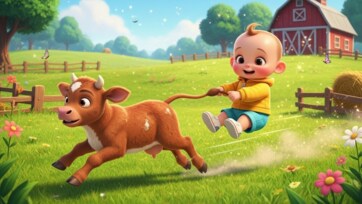
Cartoons are more than colorful entertainment—they are a powerful tool for learning. In contemporary early childhood pedagogy, the "visual-first" approach has emerged as a dominant method for supporting both cognitive and social-emotional development. By using high-contrast visuals, anthropomorphic characters, and relatable stories, modern cartoons create layered learning experiences that help children understand logic, social dynamics, and emotions. Each scene in a cartoon acts as a scaffold, giving children the mental tools to interpret cause-and-effect, navigate social situations, and manage feelings. Through playful narratives and imaginative scenarios, cartoons allow children to practice real-world skills in a safe, controlled environment. Here’s a closer look at how these visual stories support growth across key developmental areas. Cognitive Skills: Sorting, Patterns, and Cause-and-Effect Children naturally learn by watching and interacting with the world. Cartoons offer repeated, structured visual cues that teach reasoning, categorization, and problem-solving long before children fully develop verbal or mathematical skills. Chromatic Logic and Attribute MatchingBright colors and familiar characters help children make sense of information. For example, a cartoon may show children matching colored liquids to superhero icons like Hulk, Spider-Man, or Iron Man. By consistently linking a color to a specific character, children learn to isolate attributes, group similar items, and recognize patterns. Large-scale visuals, such as a child driving a pink tractor pulling trailers of red, yellow, green, and blue ice cream cones, reinforce both color recognition and sequential order. Understanding Mechanics and ToolsCartoons often show toys, vehicles, or machinery working together. Scenes where multiple tractors pull a heavy tanker or a baby navigates interlocking gears illustrate collaboration, interconnected systems, and cause-and-effect. Even playful depictions, like a police dog chasing a candy thief, help children see how actions lead to consequences and introduce basic social rules such as ownership and fairness. Vocational LearningShowing characters using specialized tools or machines—like a monkey driving a tractor to transport bananas—helps children understand the purpose of different jobs and the importance of using the right tools for the right tasks. These visual lessons subtly encourage exploration of future roles while developing practical thinking skills. Social-Emotional Learning: Empathy and Resilience Cartoons also teach children how to understand and manage their feelings. Visual storytelling provides a vocabulary for emotions, helping children recognize and express what they feel. Validating Fears and AnxietyChildren see characters confronting fears, such as reacting to a large dinosaur outside a window or a sudden surprise. Wide eyes, exaggerated expressions, and visual cues like blue teardrops act as psychological mirrors, showing that fear and sadness are normal and manageable. Similarly, scenes of children visiting doctors help normalize nervous feelings and teach coping strategies for medical visits. Building Empathy and Social AwarenessInteractions between characters model turn-taking, sharing, and responding to others’ needs. For instance, a panda offering vegetables to a worried lion, while other animals watch, teaches children how to notice and respond to the feelings of others. Even imaginative scenarios with unexpected events, like a cat witnessing a friend transform into a reptilian creature, help children understand change and adapt emotionally. Managing Conflict and CooperationScenes showing small conflicts, such as two toddlers competing for a swing, provide visual lessons in setting boundaries, taking turns, and negotiating. Children learn that disagreements are normal and can be resolved with patience, communication, or help from others. Life Skills: Responsibility, Hygiene, and Community Cartoons turn everyday tasks into playful adventures, reducing resistance and making lessons memorable. Hygiene and HealthInvisible threats like germs become fun "villains" for children to defeat. Watching characters fight a green, spiky germ with a toothbrush or soap makes hygiene relatable, teaching kids why handwashing and brushing teeth are important. Framing hygiene as an active, empowering game encourages children to adopt routines without fear or frustration. Role-Playing and Community ContributionCartoons that feature pilots, police officers, train conductors, or farm managers show children the importance of roles in a community. Role-playing scenarios inspire initiative and help children understand that everyone contributes to the safety and well-being of others. Even imaginative DIY play, like piloting a cardboard airplane, nurtures problem-solving, creativity, and confidence. Creative ExpressionVisual storytelling introduces children to design, fashion, and personal expression. Surreal imagery, such as stylized faces incorporated into everyday objects, encourages children to explore creativity and self-expression while learning that it’s okay to be bold and imaginative. Environmental Awareness and Biodiversity Beyond personal skills, cartoons teach respect for nature and understanding of living things. Agricultural LiteracyScenes showing farming, planting, and harvesting introduce children to where food comes from. A character transporting bananas or tending to a garden demonstrates the journey from farm to table in an engaging way, helping children appreciate resources and the work behind them. Interaction with AnimalsFriendly animal characters and hands-on activities, like feeding a giraffe or gently holding a calf’s tail, model safe and compassionate interactions with animals. Children learn empathy, responsibility, and respect for living creatures. Cooperation and CommunityCartoons frequently show teamwork and communal efforts, such as animals traveling together on a colorful train. These scenarios teach children about collaboration, inclusion, and the joy of helping others. Environmental ResponsibilityThrough nature-based storylines, children learn to notice their surroundings and take care of their environment. Simple actions like watering plants or caring for animals build habits of responsibility and respect for nature. Conclusion: Cartoons as a Bridge to Real-Life Learning Cartoons are not just entertainment—they are a practical tool for learning. Through engaging stories, children develop cognitive skills, understand social norms, and learn emotional regulation. By observing characters solve problems, express feelings, and take responsibility, children acquire mental and social tools they carry into real life. Every story functions as a bridge between imagination and reality. When a child sees a real animal, they may remember gentle handling modeled on screen. When they face a school challenge or visit a doctor, they recall how characters coped with fear or uncertainty. This connection between visual storytelling and practical experience ensures children build a strong foundation for life, one imaginative frame at a time. Cartoons, when designed thoughtfully, provide an integrated learning blueprint that nurtures the "whole child," combining logic, empathy, creativity, and responsibility in ways that are natural, memorable, and fun.  
Advertisement
How Cartoon-Based Learning Helps Children Develop Smarter Thinking and Stronger Emotions
Parents today often feel guilty when their child watches cartoons. Many assume screen time is only entertainment, a distraction from “real learning.” But when designed thoughtfully, cartoons can actually become powerful educational tools. For children between the ages of 2 and 8, visual storytelling is not just enjoyable—it is one of the most natural ways their brains understand the world. If your website shares cartoons alongside articles, you are already standing at the intersection of fun and development. The key is to recognise that children do not separate learning from play. They absorb ideas through colour, repetition, characters, and simple stories far more effectively than through formal instruction. This article explains how educational cartoons support brain development, emotional growth, and everyday life skills in young children—and why parents should see them as learning partners, not passive entertainment. Why Children Learn Faster Through Visual Stories A child’s brain develops rapidly during the early years. According to global early childhood research, nearly 90% of brain development happens before age 5. At this stage, children cannot process long explanations. They understand what they can see, repeat, and emotionally connect with. Cartoons use exactly these elements: Bright colours that help identify differences Repetition that strengthens memory Characters that model behaviour Simple cause-and-effect storytelling When a child watches a character sort colours, help a friend, or solve a small problem, their brain builds neural pathways that later support reading, logic, and communication. This is not accidental. Educational cartoons mirror how children naturally explore the world—through observation first, understanding later. Building Early Thinking Skills Without Formal Teaching Before children learn mathematics or science in school, they already begin forming logical structures. Cartoons quietly introduce these foundations. Colour Recognition and Categorisation When children see characters arranging red, blue, yellow, and green objects, they begin to understand grouping. This may look simple, but it is the first step toward mathematical classification. For example, a cartoon showing toys being placed into matching boxes teaches: Identifying similarities Recognizing patterns Organizing information These are the same skills later used in problem-solving and analytical thinking. Understanding Cause and Effect When a character pushes a button, and something happens—lights turn on, wheels move, or music starts—children learn that actions create outcomes. This basic understanding becomes the root of scientific reasoning. A child who understands “If I do this, something will happen” is already developing curiosity and experimentation habits. How Cartoons Support Emotional Development Education is not only about numbers and letters. Emotional intelligence plays a huge role in how children succeed in school and relationships. Cartoons provide safe emotional simulations. They allow children to experience feelings without real-life risk. Recognising Emotions Through Expressions Young children often struggle to describe feelings. But they easily understand facial expressions. When a character cries, laughs, feels scared, or becomes proud after solving a problem, children begin to label emotions internally. This builds emotional vocabulary long before they can express it verbally. Learning Empathy Through Characters A cartoon showing one character helping another teaches kindness more effectively than lectures. Children start understanding: Sharing is positive Helping others feels rewarding Conflict can be resolved calmly These lessons directly influence behaviour at home and school. Teaching Everyday Life Skills in a Fun Way Many parents notice children copying what they see in cartoons. This imitation is actually a powerful learning mechanism. Educational cartoons can introduce daily habits naturally. Hygiene Awareness When characters wash their hands before eating or clean up their space, children see routines modelled visually. Repetition reinforces the behaviour without forcing it. Instead of instructions, children feel like they are joining their favourite characters in an activity. Responsibility and Independence Cartoons that show characters completing small tasks—organising toys, helping parents, or preparing for school—encourage independence. Children begin to think:“I can do that too.” This mindset builds confidence and reduces resistance to responsibility. Encouraging Creativity and Imagination Imagination is not separate from intelligence. It supports innovation, storytelling ability, and flexible thinking. Cartoons often place characters in playful situations—building something from simple materials, exploring nature, or pretending to travel. These scenarios encourage children to: Create their own stories Use everyday objects creatively Develop curiosity about the environment A child who imagines solutions today becomes a problem-solver tomorrow. Introducing Children to the World Around Them Educational cartoons also act as a child’s first introduction to nature, animals, and community roles. Understanding Nature and Food Sources When children see animated farms, fruits growing, or animals being cared for, they begin forming connections between food and nature. This awareness encourages healthier attitudes toward eating and the environment. Learning Social Roles Cartoons often portray helpful figures like teachers, farmers, drivers, or helpers. These introductions build respect for community roles and help children understand how society works. Why Cartoons Are More Effective Than Passive Screen Content Not all screen time is equal. Fast-paced, purely entertainment-based content can overstimulate without teaching. Educational cartoons, however, are structured differently: Slower pacing to allow understanding Repetition to strengthen learning Clear storytelling with simple resolutions Positive modelling instead of chaos Parents should focus on quality rather than eliminating screen exposure completely. A well-designed cartoon session can be more educational than forcing worksheets on a preschool child. The Role of Parents in Making Cartoon Learning Effective Cartoons work best when parents stay lightly involved. This does not mean constant supervision. Small interactions can strengthen the learning impact. After watching, parents can: Ask the child what they saw Encourage them to repeat an activity Relate the story to real life For example, if a cartoon shows cleaning toys, inviting the child to do the same connects digital learning to physical behaviour. This creates what educators call “transfer learning”—applying what is seen to real-world situations. How Your Website Can Support Child Development Through Cartoons Since your platform shares cartoons alongside written content, it already holds educational value. The articles accompanying videos can guide parents to use cartoons intentionally rather than randomly. Helpful article topics include: What children learn from specific cartoon themes Activities parents can try after watching How storytelling builds thinking skills The importance of balanced screen time This approach transforms a simple cartoon website into a learning resource for families. Parents are not just searching for videos. They are searching for meaningful content they can trust. The Future of Early Learning Is Visual, Interactive, and Story-Driven Modern childhood is different from previous generations. Children encounter digital visuals earlier, but this does not have to be harmful. When used wisely, visual media becomes an extension of natural learning. Educational cartoons combine storytelling, psychology, and developmental science in a format children willingly accept. Instead of fighting this shift, parents and educators can guide it. The goal is not to remove cartoons from childhood. The goal is to choose content that builds thinking, empathy, curiosity, and confidence. When fun and learning meet, children grow without feeling pressured. They simply explore—and in that exploration, real education begins.
The Candy Sink Surprise
A Magical Kitchen Adventure! Hello, little explorers! Are you ready for the most colorful and sugary surprise ever? Today, we are looking at a picture that might make your eyes pop out of your head! Imagine walking into your kitchen, turning on the water faucet to wash your hands, and instead of water, a rainbow of chocolate candies comes pouring out! This is a story about magic, surprises, and the most delicious sink in the whole world. The Boy with the Giant Surprise In the middle of this magical kitchen is a little boy with bright blonde hair and a very, very big expression on his face! He is wearing a bright orange t-shirt, and his mouth is open in a giant "O" because he can’t believe what he is seeing. A Look of Pure Wonder Have you ever seen something so cool that you forgot to close your mouth? That is exactly what is happening here! His Eyes: They are wide open, looking right at us as if to say, "Are you seeing this too?" His Hands: He has his hands right inside the sink, catching the candy as it falls. He isn't just watching the magic; he is part of it! Catching the Rainbow The boy isn't afraid of the candy waterfall. He is holding a handful of red, green, and blue treats. Imagine how cool it would feel to have smooth, round candies sliding through your fingers instead of wet water! The Magic Candy Faucet The star of this picture is definitely the shiny silver faucet. Usually, faucets are for water to help us get clean, but this one has a much tastier job today. The Candy Waterfall Coming straight out of the faucet is a long stream of tiny, colorful chocolate candies. It looks like a never-ending waterfall of snacks! Red Candies: Bright like a fire engine! Blue Candies: Deep like the ocean! Yellow Candies: Sunny and happy! Green Candies: Like little emeralds! Brown and Orange: Adding even more color to the mix! A Sink Full of Treats The white kitchen sink is completely filled to the top with these candies. It’s like a ball pit, but instead of plastic balls, it’s filled with chocolate! There are so many candies that some have even jumped out of the sink and are scattered across the white counter. A Dream Kitchen for Kids This kitchen looks very clean and modern, with white counters and a shiny silver handle for the faucet. But with all that candy, it isn't a place for cooking dinner—it’s a place for a party! The Blue Sponge Even in a magical candy kitchen, you have to keep things clean! On the right side of the sink, there is a small blue sponge sitting on the counter. Maybe after the boy finishes his snack, he uses the sponge to make sure the counter is sparkly again. Why a White Sink? The sink and the counters are bright white. This is a great choice because it makes all the colors of the candy—the reds, yellows, and blues—look even brighter! It’s like the candy is sitting on a white cloud. The Science of Imagination Now, we know that in real life, water comes out of the faucet. But using our imagination is like a superpower! When we look at a picture like this, our brains get to play a "What If?" game. What If This Was Your House? Morning Surprise: Imagine waking up and finding your cereal bowl filled because the faucet gave you milk and the sink gave you candy! Brush Your Teeth: Would you still want to brush your teeth if the sink was full of chocolate? (Hint: You definitely should, or the tooth fairy might get worried!) The Sound: Think about what sound this would make. Water goes shhhhh, but candy would go clink-clink-clatter! Exploring with Your Senses If you were standing next to the boy in the orange shirt, what would you smell? You would probably smell the sweet, yummy scent of milk chocolate filling the whole kitchen! Learning Colors and Sorting This sink isn't just fun to look at; it’s a great way to learn! If you were the boy in the picture, you could play lots of games. The Sorting Game: Can you find all the blue candies and put them in a little pile on the counter? The Counting Game: How many red candies can you catch in your hand before they spill over? The Rainbow Pattern: Could you line them up to make a colorful snake? Red, orange, yellow, green, blue! Having a sink full of treats makes learning colors as easy as... well, eating candy! Why We Love Surprises The boy’s face is the most important part of the story. Surprises make our hearts beat a little faster and make us feel full of joy. Whether it’s a candy sink, a new toy, or a surprise visit from a friend, these moments are what make childhood so special. Sharing the Magic The boy is looking right at the camera, which means he is looking at YOU! He wants to share his magic discovery with all his friends. When we find something amazing, the first thing we want to do is tell someone else so they can be happy too. Conclusion: Keep Your Eyes Open for Wonder! The Candy Sink Surprise reminds us that even ordinary things, like a kitchen sink, can become magical if we look at them in a different way. While your faucet probably only has water today, that doesn't mean you can't find wonder in your own home. Maybe there is a rainbow in a bubble when you wash your hands, or maybe the clouds outside look like giant scoops of ice cream. The world is full of surprises, just like this sink full of chocolate. So, stay curious, keep your imagination big, and always be ready for a colorful adventure!
How Cartoons Teach Kids Real-Life Skills
In today’s world of early childhood learning, cartoons are more than just fun—they are powerful tools that help children understand the world around them. Bright colors, friendly characters, and simple stories provide a visual framework that supports thinking, social skills, and emotional growth. By watching cartoons, children can explore problem-solving, teamwork, and feelings in a safe, imaginative space. Cartoons are a bridge between imagination and real life. They allow children to observe and practice skills that would otherwise be challenging to explain verbally. Every playful adventure, colorful character, and small challenge on screen becomes a stepping stone in learning. This article explores how cartoons can help children develop cognitive, social, and practical life skills, organized into key areas of growth. Cognitive Skills: Patterns, Colors, and Cause-and-Effect Children naturally learn through observation, and cartoons offer repeated, structured visual cues to make sense of logic and order. Color Recognition and SortingCharacters, objects, and scenes use bold colors to teach kids how to group items. For instance, a cartoon might show a character matching green paint with a superhero costume or arranging toys by shape and color. These exercises help children develop early skills in categorization and logical thinking, which are essential for school readiness. Sequences and OrderScenes with trains, vehicles, or moving objects show predictable sequences. Children begin to recognize that events follow a pattern, learning early numeracy and problem-solving skills without even knowing numbers. For example, a storyline may show a pink train pulling colored ice cream cones in a particular order, teaching kids the concept of sequences and progression. Cause-and-Effect ThinkingStorylines where a character’s actions lead to consequences help children understand cause and effect. A dog chasing a candy thief, a cat causing a playful mess, or a character cleaning up a spill illustrates the natural consequences of choices, teaching responsibility in a relatable way. Understanding Machines and ToolsCartoons featuring simple machinery, gears, or vehicles introduce basic physics and mechanics. Children see how parts work together—like a gear turning another gear or a tractor moving a crate—helping them understand interconnected systems. Even playful depictions of a baby navigating a moving cart or toy crane subtly teach problem-solving and spatial awareness. Social-Emotional Skills: Understanding and Managing Feelings Cartoons give children a visual language for emotions they may not yet have words for. Watching characters experience joy, fear, or frustration helps children process their own feelings in a safe space. Facing FearsCharacters facing nighttime fears or small surprises demonstrate that anxiety is normal. For example, a child reacting to a large, imaginary T-Rex outside the window helps kids understand and talk about their own fears. Seeing characters overcome minor fears gives children confidence to manage similar situations in real life. Medical and Real-Life AnxietyStorylines that include doctor visits, minor injuries, or vaccinations teach children that healthcare is safe and necessary. Watching a character cry during a shot, then smile afterward, normalizes nervous feelings while showing positive coping strategies. Social Awareness and EmpathyCharacters interacting with peers provide models for sharing, turn-taking, and helping others. For instance, when a panda offers food to a worried lion or animals cooperate to solve a problem, children learn to recognize others’ emotions and respond appropriately. Handling Change and Unexpected EventsSurprising events in cartoons, like a character transforming or an environment suddenly changing, help children develop flexibility and resilience. They learn that it’s normal to face change and that problems can often be solved with creativity or help from friends. Life Skills: Responsibility, Hygiene, and Creativity Cartoons make everyday tasks engaging, turning learning moments into memorable stories. Hygiene and Health AwarenessInvisible germs can be hard for children to imagine, but cartoons bring them to life as playful villains. Kids watch characters battle “germ monsters” with toothbrushes, soap, or handwashing, teaching the importance of hygiene in a fun and empowering way. This approach reduces resistance to daily routines like brushing teeth or washing hands. Role-Playing Jobs and Community ContributionsCartoons featuring pilots, police officers, train conductors, or farm managers teach children that everyone contributes to a community. Watching characters fulfill responsibilities fosters respect for work, encourages initiative, and inspires kids to explore potential future roles. Even simple play, like a child “piloting” a cardboard airplane, encourages creativity while reinforcing the concept of agency and responsibility. Problem-Solving and Decision-MakingCharacters navigating obstacles, solving mysteries, or organizing tasks provide children with opportunities to think critically. Through storytelling, children see the importance of planning, making decisions, and learning from mistakes, all within an enjoyable narrative context. Creativity and Self-ExpressionVisual storytelling introduces children to art, design, and fashion in age-appropriate ways. Imagery of stylized characters, vibrant costumes, or imaginative gadgets encourages kids to explore their own creativity, experiment with ideas, and gain confidence in expressing themselves. Environmental Awareness and Respect for Nature Cartoons also teach children about the world beyond their homes, fostering curiosity, care, and responsibility for living things. Agricultural LiteracyStorylines with farming, planting, and harvesting introduce children to food sources and sustainability. For example, a character driving a tractor to collect bananas or helping plant vegetables explains the journey from farm to table in a fun, understandable way. Interacting with AnimalsFriendly interactions with animals teach children compassion and safety. Watching a child feed a giraffe, play gently with a calf, or help injured animals models appropriate behavior and nurtures empathy for all living beings. Community and CooperationAnimals or characters working together in a storyline show the value of teamwork, patience, and inclusion. A brightly colored train carrying diverse animals teaches children that collaboration is joyful and rewarding, even across differences. Environmental RespectNature-based storylines encourage children to notice their surroundings, appreciate wildlife, and understand the importance of caring for the environment. Even small plot points, like watering plants or cleaning up a pond, instill foundational environmental ethics. Conclusion: Why Cartoons Matter Cartoons are more than entertainment—they are a practical, visual toolkit for learning. They teach colors, patterns, cause-and-effect, empathy, responsibility, and environmental respect in ways children understand intuitively. Each story functions as a bridge from imagination to reality. When a child sees a real animal, they remember gentle handling modeled on screen. When faced with a doctor or a school task, they recall how characters handled similar situations. This connection between screen and real-life experiences ensures that children develop cognitive, emotional, and social skills naturally and confidently. By making learning fun, interactive, and relatable, cartoons help children build a strong foundation for life—one colorful, imaginative, and meaningful story at a time.
The Joy of the Open Road
Adventure and Companionship There is a timeless magic found in the concept of a road trip—the winding asphalt, the passing scenery, and the shared excitement of heading toward a new destination. For many, these journeys are less about the final stop and more about the quality time spent with those in the passenger seat. Whether it is a real-life trek across the country or a digital adventure in a colorful world, the themes of travel and companionship resonate deeply with explorers of all ages. Through the lens of modern animation and storytelling, we see how the "journey" can be used as a powerful metaphor for growth, friendship, and discovery. By putting characters in the driver's seat, creators allow audiences to experience the thrill of the unknown alongside their favorite personalities. The Anatomy of a Perfect Road Trip What makes a drive through the countryside so special? It is a combination of environmental beauty and the specific atmosphere of the vehicle. The Scenic Backdrop A classic journey often takes place against a backdrop of rolling hills and lush greenery. The Evergreen Forest: Tall, conical pine trees lining the road provide a sense of structure and rhythm to the passing view. The Infinite Horizon: Under a bright, clear sky with soft white clouds, the road seems to stretch on forever, representing endless possibilities. The Winding Road: A smooth, two-lane highway with clear markings invites the traveler to keep moving forward, curious about what lies around the next bend. The Vessel of Adventure The vehicle itself is more than just a machine; it is a mobile sanctuary. A Pop of Color: Brightly colored cars, such as those in shades of cyan or turquoise, stand out against the natural greens and browns of the landscape, symbolizing the vibrancy of the travelers within. The Convertible Experience: An open-top car removes the barrier between the travelers and the world, allowing them to "feel" the air and see the sky without obstruction. Personal Touches: From the rearview mirror to the dashboard, the interior of a car becomes a small, intimate stage where the story of a friendship unfolds. The Dynamics of Companionship The heart of any great trip is the relationship between the driver and the passenger. Shared Happiness and Communication When two individuals embark on a journey, they are committing to a shared experience. Joyful Expressions: Wide smiles and bright, engaged eyes are the universal signals of a good time. Seeing characters enjoy each other's company reinforces the idea that life is better when shared. The Driver's Focus: A steady hand on the wheel and a calm gaze forward show a sense of responsibility and confidence. The Passenger's Wonder: Looking out through the windshield with excitement allows the passenger to act as the "eyes" of the journey, pointing out the beauty along the way. Contrast and Harmony Often, the most interesting traveling duos are those who complement each other through their differences. Whether it is a contrast in color—such as a sleek white character next to a warm brown one—or a difference in personality, these pairings show that diversity makes a team stronger. Visual Storytelling in Animation Animation uses specific techniques to make the audience feel like they are part of the drive. First-Person Perspective By placing the "camera" just behind the dashboard, the viewer feels like they are sitting in the back seat. This creates an immersive experience where we see exactly what the characters see—the road ahead, the trees passing by, and the clear blue sky. Expressive Features Characters in these worlds often have large, expressive eyes that act as windows to their emotions. Vibrant Colors: Eyes in shades of bright green or deep blue draw the viewer's attention and make the characters feel more "alive" and relatable. Exaggerated Smiles: Wide, cheerful mouths help convey a sense of pure, uncomplicated happiness that is infectious to the audience. Lessons for Young Explorers Beyond the fun, there are many subtle lessons tucked away in a story about a road trip. The Importance of Safety Even in a world of talking animals and magical roads, safety is key. Seeing characters sitting securely in their seats and focusing on the road ahead teaches children that while adventure is fun, being careful is what allows the adventure to continue. Navigating Change A road trip is all about transition. Moving from one place to another helps children understand the concept of time and distance. It teaches them that even if the scenery changes, the people (or pets!) with them remain a constant source of comfort. Appreciation for Nature By highlighting the beauty of the trees and the sky, these stories encourage children to look out their own windows during real-life car rides. It fosters an early love for the environment and a curiosity about the world outside their own neighborhood. Conclusion: The Road That Never Ends The image of two friends driving toward the horizon is a powerful symbol of hope and happiness. It reminds us that no matter where we are going, the most important part of the journey is the smile on our faces and the friend by our side. As the road winds through the green pines and under the sunny sky, we are reminded that every day is a new opportunity for an adventure. So, buckle up, check the mirror, and get ready to see what’s around the next corner—the world is waiting for you!
How Visual Media Actively Shapes a Child’s Early Learning Journey
In today’s early childhood environment, screens are no longer just sources of entertainment. They function as learning companions that help children build thinking patterns, emotional awareness, and everyday life skills. When designed intentionally, visual media can support what psychologists call cognitive scaffolding—a structured way of helping young minds understand the world step by step. Bright colors, expressive characters, and familiar life situations are not random artistic choices. They are deliberate tools used to guide children toward recognizing patterns, solving problems, and interpreting emotions long before they can explain those ideas in words. What may look like simple cartoons is often a carefully constructed educational ecosystem. Developing Thinking Skills Through Colors, Patterns, and Movement Young children learn primarily through seeing and doing rather than through verbal instruction. Visual storytelling gives them a way to grasp logic before language fully develops. Color-Based Organization Strong, saturated colors help children group objects and identify relationships. For example, when animated eggs or toy vehicles appear in clear rainbow sequences—red, yellow, green, blue, purple—children begin to internalize ordering, classification, and pattern recognition. This lays the groundwork for later mathematical thinking without introducing numbers directly. Similarly, scenes where colored cars match corresponding garage doors encourage spatial reasoning and memory recall. The child is not just watching; they are mentally sorting, predicting, and confirming outcomes. Understanding Cause and Effect Vehicle-based rescue scenarios often introduce mechanical logic. A tow truck pulling a bus out of mud illustrates how tools extend capability. Multiple tractors working together to move heavy objects demonstrate cooperation and combined force. These visual narratives quietly introduce physics concepts such as leverage, resistance, and shared effort. Without a single technical explanation, children absorb the principle that problems can be solved through action, tools, and teamwork. Teaching Children to Recognize Feelings and Build Empathy Modern children’s media plays a major role in helping children recognize and manage emotions. Before they can articulate fear, frustration, or empathy, they learn to identify those feelings visually. Making Emotions Easy to Understand Exaggerated facial expressions—wide eyes, tears, smiles—act as emotional signposts. When a character shows clear signs of sadness or anxiety, children learn to label those states internally. This visual mirroring helps normalize emotions rather than suppress them. Scenes involving common childhood fears allow children to process anxiety in a safe and controlled context. Showing How People Interact and Care for Each Other Interactions between characters often simulate real playground dynamics. Moments involving sharing, waiting for turns, or resolving conflict introduce social boundaries. When one character helps another who is distressed, children begin to understand empathy not as an abstract value but as an observable behavior. These scenarios prepare children for cooperative play and emotional regulation in real-world settings. Turning Daily Habits Into Fun and Meaningful Activities One of the most effective strategies in children’s media is transforming routine tasks into imaginative narratives. When daily responsibilities are personified, resistance decreases and engagement rises. Making Hygiene Feel Like a Friendly Activity Characters like talking toothbrushes or animated teeth shift personal care from a command into a friendly exchange. Instead of being told to brush their teeth, children feel invited into an activity. Representing germs as playful “villains” gives children a tangible reason behind hygiene habits. Encouraging Confidence Through Role-Play Children dressed as pilots, engineers, or drivers—even when using simple household materials—are encouraged to explore identity and possibility. Pretend play strengthens creativity while reinforcing confidence and independence. These experiences help children see themselves as capable participants in the world rather than passive observers. Helping Children Understand Community, Work, and Nature Nature- and farm-themed storytelling connects children to the origins of resources and the idea of shared responsibility. Scenes of animals transporting harvests or working alongside machines introduce the concept that food and materials come from coordinated effort. Children begin to understand that everyday resources involve teamwork and planning. Depictions of different characters contributing to shared tasks emphasize responsibility and cooperation. Positive outdoor environments also create emotional connections with nature and productivity. Why Educational Visual Media Matters in Today’s Childhood Visual learning environments are not accidental creations; they are structured developmental tools. Colors teach categorization. Movement teaches causality. Expressions teach empathy. Small challenges teach resilience. Each animated scenario acts as a bridge between digital exposure and lived experience. When children later encounter real-world situations, they draw on familiar visual narratives to interpret what is happening. This transfer from screen-based observation to physical understanding is what makes well-designed educational media powerful. It does not replace real experience; it prepares children for it. Final Reflection The modern child grows up surrounded by visual storytelling. The real question is not whether children will engage with media, but whether that media is built with developmental purpose. When designed thoughtfully, edutainment becomes more than distraction. It becomes an early training ground for logic, empathy, responsibility, and imagination—supporting the formation of a confident, capable learner one scene at a time.
Amazing Animals Every Child Should Know About: Fun, Facts, and Learning
Animals are not just part of nature—they are fascinating teachers for children. Learning about animals helps kids develop curiosity, empathy, observation skills, and understanding of the natural world. From the fastest cheetah to the tiniest ant, every creature teaches children something new about life, survival, and diversity. This article explores interesting animals for children, their unique traits, and how parents can turn learning into fun experiences. Why Learning About Animals Is Important for Children Understanding animals helps children in several ways: Cognitive Development: Observing animals teaches cause-and-effect, patterns, and problem-solving. Emotional Intelligence: Empathizing with animals improves compassion and care. Creativity: Imagining animal behaviors and habitats boosts imaginative thinking. Connection with Nature: Learning about wildlife fosters environmental awareness and responsibility. Parent Tip: Discuss favorite animals with children and ask questions like, “Why do you think the elephant has a trunk?” This encourages curiosity and analytical thinking. Amazing Mammals Kids Love Elephants: Elephants are intelligent and social, living in family groups called herds. They use trunks to eat, drink, and communicate. Teaching children about elephants encourages lessons in teamwork and family care. Cheetahs: The fastest land animal, reaching speeds up to 120 km/h. Cheetahs demonstrate focus, patience, and agility, inspiring children to value practice and skill. Dolphins: Highly intelligent and playful, dolphins are known for their communication and social skills. Watching videos of dolphins can teach children empathy and cooperation. Activity Idea: Ask children to draw their favorite mammal and list its unique traits. Encourage them to mimic the animal’s movements, combining creativity with physical play. Fascinating Birds for Kids Peacocks: Known for their colorful feathers, peacocks teach children about beauty in nature. Children can learn to observe patterns and colors. Owls: Owls are nocturnal and wise, symbolizing observation and patience. Introduce children to the concept of day vs night animals. Penguins: Penguins teach teamwork and adaptation to cold environments. They are playful and social, helping children understand cooperation and community. Parent Tip: Compare different birds and ask children to identify similarities and differences, boosting analytical skills. Incredible Reptiles and Amphibians Turtles: Slow but steady, turtles teach patience and persistence. Their protective shells show adaptation and self-defense. Frogs: Frogs demonstrate metamorphosis, showing children how animals grow and change. Observing tadpoles turning into frogs teaches life cycles in a simple way. Snakes: Snakes are fascinating for their movement, camouflage, and survival skills. Children learn about diversity and how animals adapt to their habitats. Activity Idea: Create a nature journal where children write or draw about reptiles and amphibians they learn about. Marine Life That Inspires Curiosity Sharks: Sharks are apex predators, teaching children about balance in ecosystems. Highlight their role in keeping oceans healthy. Octopus: Octopuses are highly intelligent and can change color and shape. Children learn about problem-solving and adaptability. Whales: Whales are gentle giants that travel in pods. Learning about their communication and migration teaches children about community and environmental awareness. Parent Tip: Show documentaries or short videos about marine animals to make learning visual and interactive. Insects and Tiny Creatures Bees: Bees teach children about hard work, teamwork, and pollination. Children learn why bees are important for plants and the environment. Butterflies: Butterflies demonstrate transformation, showing kids how caterpillars become butterflies. This teaches patience and the beauty of growth. Ants: Ants live in colonies and cooperate efficiently. Children learn lessons about organization and collaboration. Activity Idea: Take children on a nature walk to observe insects. Let them draw or describe what they saw, reinforcing observation skills. How Animals Teach Life Skills By observing animals, children can develop important life skills: Responsibility: Caring for pets teaches empathy and routine. Problem-Solving: Watching animals find food or shelter encourages analytical thinking. Observation Skills: Noticing patterns in behavior builds attention to detail. Teamwork and Social Skills: Many animals work in groups, showing children the importance of cooperation. Parent Tip: Discuss animal behaviors with children and connect them to human skills like teamwork and problem-solving. Fun Activities to Learn About Animals Animal Flashcards: Teach names, sounds, and habitats. Animal Sounds Game: Guess the animal from its sound. Zoo or Safari Trips: Observe animals in real life. Storytelling: Let children invent stories about their favorite animals. Arts and Crafts: Make animal masks, puppets, or drawings. These activities reinforce learning while keeping it fun and interactive. Environmental Awareness Learning about animals also fosters care for nature: Teach children not to litter or harm habitats. Discuss endangered species and conservation efforts. Encourage responsible behavior toward pets and wildlife. Parent Tip: Show simple videos or books about wildlife conservation. Encourage children to plant flowers or trees that help local animals. Fun Facts About Animals for Kids Elephants can recognize themselves in mirrors, showing self-awareness. Cheetahs can accelerate faster than a sports car in a short distance. Octopuses have three hearts and can squeeze through tiny spaces. Bees communicate by dancing to indicate where flowers are. Frogs drink water through their skin, not just their mouths. Sharing these fun facts makes learning about animals memorable and exciting. Conclusion Animals are more than just living creatures—they are teachers, role models, and sources of inspiration for children. By learning about animals, kids can develop: Creativity and imagination. Observation and critical thinking skills. Emotional intelligence and empathy. Understanding of teamwork, survival, and life cycles. Parents can make learning about animals interactive and fun through activities, storytelling, nature walks, and creative projects. By combining education with entertainment, children grow curious, compassionate, and knowledgeable about the world around them.  
Advertisement
The Transformative Role of Visual-First Learning in Early Childhood Development
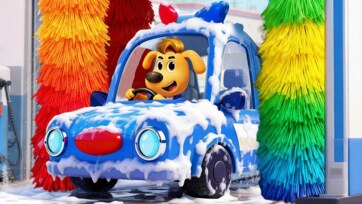
In contemporary early childhood pedagogy, the "visual-first" approach has emerged as a dominant force in cognitive and social-emotional development. By leveraging high-contrast digital art, relatable anthropomorphic characters, and strategic social modeling, modern educational media creates a multi-layered learning environment designed to nurture the "whole child." This extensive visual ecosystem functions as a form of cognitive scaffolding, providing children with the mental blueprints necessary to interpret complex physical mechanics, navigate social friction, and regulate intense internal emotions. The following analysis expands on these pedagogical themes, emphasizing practical examples, extended scenarios, and deeper developmental connections. Cognitive Logic: Categorization, Attributes, and Physics Visual stimuli serve as the primary engines of early learning, allowing children to decode logical structures such as order, attribute matching, and cause-and-effect long before they achieve verbal or mathematical literacy. Chromatic Logic and Attribute Isolation The deliberate use of saturated, bold color palettes facilitates categorization and foundational set theory. Sequential Sorting: Large-scale visuals, such as a child driving a pink tractor pulling trailers of red, yellow, green, and blue ice cream cones, reinforce color recognition alongside the concept of linear sets and sequential order. Children can later transfer this understanding to classroom activities like arranging blocks by size or color. Anatomical Visualization: Stylized, glowing skeletons in bright primary colors provide a playful introduction to human anatomy, helping children distinguish between structural forms while connecting visuals to the real human body. Temporal and Identity Association: High-contrast graphics, such as a white creature holding an orange popsicle that mirrors its shape, help children associate objects with identity markers and understand duration through "1 Hour" timestamps. This encourages early comprehension of sequencing events and basic time concepts. Mechanical Principles and Collaborative Problem-Solving Hands-on play depicted visually fosters early understanding of physics and teamwork. Complex Recovery Operations: A scene where two large trucks are stuck in a mud pit, pulled out by a yellow crane, a red tractor, and various excavators, illustrates leverage, tension, and cooperative problem-solving. Children intuitively understand that some challenges require multiple agents working together. Interconnected Systems: Visuals of a baby suspended in a series of interlocking gears introduce the idea that machines rely on coordinated parts, laying early groundwork for engineering concepts. Social Order and Authority: Scenes like "police babies" carrying a struggling mermaid or a police dog chasing a candy thief demonstrate cause-and-effect reasoning and basic societal rules, emphasizing community roles and fairness from an early age. Social-Emotional Learning (SEL): Mirroring and Resilience Modern children’s media provides a visual vocabulary for internal states, teaching children to identify, validate, and communicate complex emotions. Validating Fear and Anxiety Exaggerated facial expressions and surreal scenarios serve as psychological mirrors. Visual Shorthand for Shock: Wide-eyed, gasping expressions, in response to a giant T-Rex or massive bee, help children visually process unexpected or overwhelming changes. Social Horror and Transformation: Peers experiencing a cup-headed transformation provide a framework to discuss feelings of exclusion, social change, or anxiety over differences. Masking and "Otherness": Characters with fangs or glowing eyes can be used to explore the masking of emotions or the feeling of being “different,” encouraging empathy and self-awareness. Managing Health, Empathy, and Protection Simulated social scenarios help children understand care, responsibility, and ethical behavior. Caring for the Sick: A character delivering lemon water and a thermometer teaches practical empathy and the recognition of illness management tools. Environmental Protection: A child shielding a lamb from rain demonstrates responsibility for vulnerable beings and nurtures a protective instinct toward animals and the environment. Interspecies Care: Bathing a fantastical creature reinforces hygiene as a joyful, nurturing act, linking responsibility with positive emotion. Life Skills: Personal Responsibility and Community By transforming daily tasks and community roles into playful adventures, visual media reduces resistance to societal expectations. Hygiene Education and "Health Heroes" Abstract health concepts become concrete through engaging visuals. Visualizing Germs: Large, green, spiky "virus" monsters make invisible pathogens tangible, teaching why hygiene matters. Empowered Defense: Toy blasters fighting germs frame hand-washing as an active defense rather than a chore. Automated Care: Police dogs navigating car washes with soap and colorful brushes reinforce routine cleaning as a necessary maintenance skill. Financial Literacy and Social Roles Visual representations introduce concepts of wealth, labor, and social responsibility. Symbolism of Economic Disparity: Children with stacks of cash versus those with brooms or cardboard homes illustrate early lessons in inequality, reward, and aspiration. Creative Expression: Surrealist imagery, such as stylized female faces integrated into fashion items, encourages artistic exploration and understanding of personal expression. Biodiversity and Communal Rewards Visual media introduces children to the origins of resources, animal life, and shared societal joy. Agricultural Origins: A monkey transporting bananas via tractor highlights "farm-to-table" logistics, connecting visuals to everyday food systems. Communal Rewards: Sharing heart-shaped pizza with peers underscores collaboration, generosity, and social joy. Animal Interaction: Feeding a giraffe or holding a calf’s tail provides early tactile connections to the natural world, fostering respect for biodiversity and curiosity about living creatures. Conclusion: The Integrated Blueprint for Development The visual landscape of early learning is a carefully constructed tapestry, intentionally targeting the "whole child." Saturated colors teach logic, expressive faces teach empathy, and collaborative play teaches physics, teamwork, and social responsibility. Each visual scenario bridges the digital screen and the physical environment. When children sort colorful "ice cream" trailers or learn to shield a lamb from rain, they internalize lessons in cognition, social-emotional understanding, and practical life skills. Over time, this foundation fosters confident, adaptable learners capable of navigating complex real-world challenges—one frame at a time.