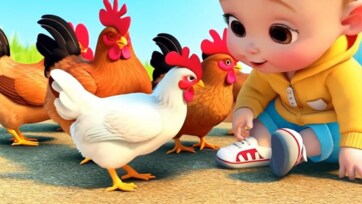
The Role of Parents in a Child’s Digital World

 As technology continues to evolve, children are exposed to digital content earlier than ever. While these tools can enhance learning and entertainment, the role of parents in guiding their children through the digital landscape is more important than ever.

Why Is Parental Guidance Crucial?

The type and amount of digital content a child consumes can significantly influence their development. With proper guidance, parents can:

• Filter content: Ensure children watch age-appropriate, educational, and inspiring videos.
• Set boundaries: Limit excessive screen time, which can negatively affect sleep, physical activity, and attention spans.
• Teach critical thinking: Help children question and analyze what they see on screen to differentiate between real and fictional content.

How Can Parents Support Healthy Digital Habits?

1. Co-view and discuss: Watching videos together creates opportunities for bonding and teaching valuable lessons.
2. Offer offline alternatives: Encourage creative play, sports, and reading as engaging options beyond screens.
3. Establish clear rules: Create family rules like screen-free meal times or no devices before bed.

The Power of Parental Role Models

Children emulate what they see. When parents demonstrate a healthy relationship with technology—such as taking breaks from screens, reading physical books, or prioritizing family time—they set a positive example for their kids.

Preparing for the Future

As technology advances, new tools like virtual reality and AI-driven learning programs will become more accessible. Parents have the responsibility to help their children navigate these changes wisely, teaching them how to use technology as a tool for growth rather than a distraction.

Balancing the Real and Digital Worlds

A child’s life should include both digital experiences and real-world activities. Watching a video about cooking can inspire a family baking session, while a nature documentary might encourage outdoor exploration. By blending the digital and physical worlds, parents can ensure their children develop holistically. 


Advertisement
The Heartwarming World of Little Explorers
A Day in the Meadow Imagine a world where the sun always shines, the grass is forever green, and the animals are your best friends. In the vibrant image before us, we see a beautiful snapshot of childhood wonder. A cheerful toddler, dressed in a bright yellow hoodie and blue shorts, is kneeling in a lush meadow, surrounded by a group of friendly goats. This isn't just a picture; it’s a story about curiosity, the bond between humans and nature, and the simple joys of being young. The Magic of First Encounters For a young child, every moment is a brand-new discovery. The toddler in the image, with his wide eyes and gentle smile, is experiencing the magic of meeting animals up close. This is a crucial part of growing up, as it teaches children about the world beyond their own homes. Developing Empathy Through Animals When a child interacts with an animal, they begin to understand that other living beings have feelings too. By reaching out his hand to feed or pet the goat, the little boy is practicing kindness. This early connection helps build a foundation for empathy that will last a lifetime. Sensory Exploration in Nature The meadow is a playground for the senses. The Feel: The soft fur of the goats and the tickle of the grass. The Sight: The explosion of colors from the orange and purple wildflowers. The Sound: The gentle "baa-ing" of the goats and the rustle of the leaves in the large oak tree. Understanding Our Animal Friends The goats in this scene are more than just background characters; they are participants in a peaceful gathering. Goats are known for being curious and social creatures, much like the little boy himself. Why Goats are Great Companions Goats are often used in petting zoos because they are generally gentle and inquisitive. In the image, we see goats of different colors—brown, white, and black-and-white. This variety shows the child that even though we look different on the outside, we can all hang out together in the same field. The Language of the Herd Looking closely at the goats, you can see them leaning in. They aren't scared; they are interested! They use their ears and their tails to communicate. By observing them, the child learns to read body language, an important skill for social development. The Importance of Outdoor Play In today’s world of screens and gadgets, an image like this reminds us how vital it is for children to get outside. The great outdoors is the best classroom a child can have. Physical Growth and Coordination Notice how the toddler is kneeling and balancing himself. Playing on uneven surfaces like a grassy meadow helps children develop their motor skills and physical strength. Whether it's chasing a goat or picking a flower, every movement helps them grow stronger. Boosting Creativity and Imagination In a field like this, a child isn't just sitting; they are adventuring. That big tree in the background could be a giant's castle, and the goats could be his royal guards. Nature provides "loose parts"—sticks, stones, and leaves—that allow a child's imagination to run wild. A Lesson in Environment and Ecology Even at a young age, children can start to learn about the environment. This picture represents a healthy, thriving ecosystem where animals and plants live in harmony. The Role of Trees and Plants The massive tree behind the boy isn't just for shade. It provides a home for birds, oxygen for us to breathe, and a sense of scale to the world. The wildflowers provide food for bees and butterflies, showing the child that everyone has a job to do in nature. Sustainable Living and Farming Scenes like this often remind us of farm life. It introduces the concept of where our food and clothes come from. Seeing a goat might lead to a conversation about goat's milk or the wool used to make warm sweaters. It connects the child to the cycle of life. The Psychology of Color in Children's Media The artist of this image used very specific colors to make us feel happy and safe. This is often called "color psychology," and it plays a huge role in how children perceive their environment. Why Yellow and Blue? Bright Yellow: The boy’s hoodie is yellow, which is the color of happiness, optimism, and energy. It makes the character stand out as the "hero" of the scene. Calming Blue: His blue shorts and the clear blue sky provide a sense of calm and stability, balancing the excitement of the yellow. The Greenery of Growth Green is the most prominent color in the image. It represents health, safety, and the natural world. For a child, a green space feels like a "safe zone" where they are free to explore without many rules. Safety and Supervision While the image is full of joy, it also highlights the importance of safe exploration. The child is close enough to touch the animals, but the scene feels controlled and peaceful. Learning Boundaries Part of interacting with nature is learning "no-touch" zones. Parents can use scenes like this to teach children that while the brown goat is friendly, we must always move slowly and speak softly so we don't startle our animal friends. The Role of the Guardian Although we don't see an adult in the frame, we can imagine one nearby, capturing this beautiful moment. It reminds us that children need the freedom to explore, but the security of knowing someone is there to catch them if they stumble. Conclusion: A Moment Captured in Time This image is a celebration of childhood. It captures the fleeting years where a goat is a giant, a meadow is a kingdom, and a simple afternoon is a grand adventure. It encourages us all—both children and adults—to slow down, breathe the fresh air, and appreciate the living world around us. Through the eyes of this little boy, we see a world that is kind, colorful, and full of wonder. It’s a reminder that the best toys aren't made of plastic, but of fur, feathers, and leaves.
Advertisement
Educational Benefits of Nursery Rhymes: More Than Just Fun Songs
Educational Benefits of Nursery Rhymes: More Than Just Fun Songs Nursery rhymes have been a staple of early childhood education for centuries. While they are often seen as simple and fun songs, these timeless rhymes actually provide a rich educational experience for young children. Through the rhythm, rhyme, and repetition, nursery rhymes support language development, cognitive skills, and social growth. 1. Enhancing Language Skills: Nursery rhymes are packed with rhythm and rhyme, which play an essential role in language development. The repetitive nature of these songs helps children become familiar with sounds, syllables, and word patterns, which are vital for language acquisition. As children sing along or listen, they are exposed to new vocabulary and language structures, helping them build a strong foundation for communication. 2. Boosting Cognitive Development: Nursery rhymes stimulate cognitive growth by encouraging children to think and remember. The rhythm and repetition of the rhymes help strengthen memory and listening skills. As children memorize these rhymes, they are practicing their recall abilities, which is crucial for developing concentration and problem-solving skills. Additionally, nursery rhymes often include simple concepts like counting, shapes, or colors, promoting basic cognitive understanding. 3. Social and Emotional Development: Nursery rhymes often encourage group participation, making them an excellent tool for social development. When children sing together or perform actions related to the rhymes, they learn about taking turns, cooperation, and listening to others. These interactions foster a sense of belonging and help children develop empathy as they experience shared joy through music. Rhymes also help children express emotions in a safe and fun way, allowing them to connect with their feelings and those of others. 4. Improving Phonological Awareness: Phonological awareness—the ability to recognize and manipulate sounds in spoken language—is crucial for early reading skills. Nursery rhymes are an excellent way to enhance this skill, as the rhyming words and rhythmic patterns help children tune into the sounds of language. By recognizing rhymes, alliterations, and word patterns, children develop the foundational skills necessary for reading and writing. 5. Encouraging Cultural and Educational Traditions: Many nursery rhymes come from different cultures and carry valuable educational and historical significance. Singing these rhymes introduces children to traditional stories, values, and folk wisdom. They also create a sense of connection with past generations and a shared cultural identity, which is essential for building a sense of belonging. 6. Fostering Creativity and Imagination: Nursery rhymes often tell imaginative and fantastical stories. Through singing these songs, children can engage their creativity and explore new ideas. Whether it's imagining the adventures of a cow jumping over the moon or the antics of a little spider, these rhymes encourage children to think outside the box and expand their imagination. Nursery rhymes may seem simple, but they are an invaluable educational tool that fosters a wide range of developmental skills in young children. Through their catchy tunes, playful language, and engaging repetition, these songs create a fun and interactive way for children to grow intellectually, socially, and emotionally. So, the next time you sing a nursery rhyme, remember—it’s more than just fun, it’s also a powerful learning tool!
Bunnies: Cute, Curious, and Educational Pets for Kids
Bunnies, or rabbits, are among the most adorable and gentle animals that children naturally love. Their soft fur, twitching noses, and playful behavior make them perfect for teaching kids about responsibility, empathy, and animal care. Rabbits are not only cute but also provide a fun and educational experience, helping children learn about nature, life cycles, and social behavior. This article explores bunnies, their behavior, diet, life cycle, care, and fun learning activities for children. Introduction to Bunnies Bunnies are small mammals belonging to the family Leporidae. They are known for: Soft fur that is fun to pet. Long ears that help them listen for danger. Powerful hind legs for hopping and exploring. Why Kids Love Bunnies: Their playful and gentle nature. Curiosity and hopping behavior make them fun to watch. Soft fur encourages tactile learning and interaction. Parent Tip: Even if you don’t have a pet bunny, watching videos or reading books about rabbits can teach observation and empathy. Life Cycle of Bunnies Understanding the life cycle of bunnies teaches children about growth, development, and care: Birth: Baby rabbits are called kits. They are born hairless and blind. Neonatal Stage: Kits rely entirely on their mother for warmth and milk. Growth Stage: After 2–3 weeks, fur develops, and kits begin opening their eyes. Weaning: Around 4–6 weeks, kits start eating solid food like hay and vegetables. Juvenile Stage: They begin exploring, hopping, and interacting with siblings. Adulthood: Bunnies mature and may have their own kits. Activity Idea: Have children draw the life cycle of a bunny. This strengthens sequencing, memory, and observation skills. Behavior of Bunnies Bunnies are social, curious, and playful. Observing their behavior teaches children emotional intelligence, empathy, and problem-solving. Hopping and Running: Bunnies explore their surroundings and show energy. Grooming: Bunnies clean themselves and each other, teaching self-care and hygiene. Communication: Rabbits use body language and sounds (thumping, squeaks, or purring) to communicate. Playfulness: Bunnies love exploring, hopping over obstacles, and playing with toys. Parent Tip: Watch bunny videos with children and ask, “Why do you think the bunny is thumping?” Discuss emotions and body language, which builds empathy and social understanding. Diet and Nutrition A healthy diet is essential for bunnies’ growth and well-being. Children can learn about nutrition and responsibility by understanding bunny diets: Hay: Essential for digestion and healthy teeth. Vegetables: Carrots, leafy greens, and herbs provide vitamins. Pellets: Specially formulated bunny food for balanced nutrition. Water: Fresh water must be available at all times. Learning Opportunity: Compare bunny nutrition with children’s healthy eating habits, teaching the importance of balanced diets. Encourage children to prepare safe portions for pet rabbits under supervision. Physical Development and Care Bunnies grow rapidly and require proper care and a safe environment: Housing: A secure, clean hutch or indoor pen with enough space to hop. Exercise: Daily playtime for healthy muscles and socialization. Grooming: Brushing fur reduces shedding and prevents mats. Veterinary Care: Regular check-ups prevent illnesses. Parent Tip: Explain that caring for animals is a daily responsibility. Children learn empathy, patience, and routine through supervised care. Fun Facts About Bunnies Rabbits have large eyes on the sides of their head, giving them a wide field of vision. They can jump up to 3 feet in a single hop. Rabbits’ teeth grow continuously, so chewing hay keeps them healthy. They are crepuscular, meaning most active at dawn and dusk. Rabbits show joy by binkying—jumping, twisting, and kicking in the air. Parent Tip: Encourage children to mimic bunny movements for fun physical activity. Discuss the differences between wild and domestic rabbits. Rabbits as Educational Tools Bunnies teach children many life skills: Empathy and Compassion: Caring for a soft, dependent animal. Observation Skills: Watching how bunnies interact and move. Responsibility: Feeding, cleaning, and monitoring health. Problem-Solving: Observing how bunnies navigate obstacles or play with toys. Patience: Bunnies move slowly and require gentle handling. Example: Feeding a rabbit with small vegetables teaches careful handling, observation, and responsibility. Activities to Teach Kids About Bunnies Farm Visits: Observe rabbits in a safe environment. Storytelling: Create imaginative stories about a bunny’s adventures. Arts and Crafts: Draw, paint, or create bunny-themed crafts. Interactive Videos: Watch hoppy, playful bunnies online or in documentaries. Animal Journals: Record bunny behaviors and growth. Parent Tip: Ask children to predict bunny behavior based on observation. Encourage creativity, writing, and drawing skills through bunny-themed activities. Rabbits and Emotional Growth Interacting with or observing bunnies helps children: Develop empathy by caring for dependent animals. Understand emotions through body language like ears, nose twitching, and posture. Learn patience as rabbits require gentle handling. Experience joy and curiosity by watching playful behavior. Practical Tip: Even if children don’t own a rabbit, books, videos, and guided activities can provide similar benefits. Rabbits in Stories and Culture Rabbits appear in countless children’s stories, cartoons, and folktales, making them familiar and loved: Peter Rabbit teaches bravery and adventure. Easter Bunny connects to seasonal traditions, engaging children culturally. Rabbits in cartoons emphasize curiosity, cleverness, and friendship. Parent Tip: Use stories to teach moral lessons and life skills, connecting fictional rabbits to real-life animals. Parenting Tips for Rabbits Supervised Interaction: Always monitor children around rabbits. Gentle Handling: Teach calm and careful movements. Hygiene: Wash hands after touching rabbits or cleaning cages. Observation and Discussion: Ask children to explain bunny behaviors. Connect to Lessons: Discuss family care, empathy, and responsibility through bunny care. Conclusion Bunnies are more than adorable pets—they are educational companions. Learning about rabbits can help children develop: Empathy and compassion. Observation and critical thinking. Responsibility and routine. Creativity and imaginative play. Emotional understanding and patience. Parents can maximize these benefits by visiting farms, reading stories, creating bunny-themed crafts, and engaging in safe interaction. With thoughtful guidance, children enjoy the playful, gentle nature of bunnies while developing valuable life skills and a love for animals.
Dry Fruits for Kids: Essential Nutrients for Growth and Immunity
Dry fruits are small but power-packed nutritional treasures that offer a concentrated source of vitamins, minerals, antioxidants, healthy fats, and proteins. For children, incorporating dry fruits into their daily diet can significantly support growth, brain development, immunity, and overall health. Unlike fresh fruits, dry fruits are denser in nutrients, making them ideal snacks for busy school days, outdoor activities, and as a complement to meals. In Pakistan, dry fruits like almonds, walnuts, cashews, raisins, pistachios, and dates are widely available and are traditionally considered excellent for children’s growth. However, many parents are unaware of the best types of dry fruits, portion sizes, and ways to serve them safely. This guide explores the top dry fruits for kids, their benefits, and practical ways to include them in daily meals. Almonds — Brain and Bone Booster Almonds are rich in vitamin E, magnesium, calcium, and protein, making them an excellent choice for children’s brain development and bone health. Vitamin E is a powerful antioxidant that protects cells from damage, supports immunity, and improves cognitive function. Magnesium and calcium together strengthen bones and teeth, promoting healthy growth. Serving Tips: Soak 4–6 almonds overnight, peel them, and serve in the morning. Grind soaked almonds into a paste and mix with milk or yogurt for a nutrient-rich smoothie. Chop almonds into breakfast cereals, oatmeal, or fruit salads for added crunch. Health Benefits:Almonds enhance memory, learning ability, and bone strength, making them an essential dry fruit for school-age children. Walnuts — Brain and Cognitive Development Walnuts are an excellent source of omega-3 fatty acids, protein, and antioxidants, which are crucial for brain development. Omega-3s support learning, memory, and concentration, making walnuts a must-have during early and middle childhood when cognitive development is rapid. Serving Tips: Serve 2–3 walnut halves daily as a snack. Grind walnuts and mix into milk, yogurt, or porridge for added nutrition. Add chopped walnuts to baked goods or energy bars for children. Health Benefits:Regular walnut consumption improves brain function, focus, and mental alertness, supporting academic performance and learning. Cashews — Energy and Immune Support Cashews provide healthy fats, protein, iron, and zinc, which support energy production, immunity, and growth. They are slightly softer than other nuts, making them suitable for younger children who may have difficulty chewing harder nuts. Serving Tips: Serve a small handful (5–7 cashews) daily. Blend cashews with milk or yogurt to make creamy shakes. Use cashews in savory dishes, khichdi, or rice for extra nutrients. Health Benefits:Cashews help maintain energy levels, muscle growth, and strong immunity, essential for active children. Pistachios — Eye Health and Immunity Pistachios are rich in vitamins A, E, potassium, and fiber. Vitamin A supports vision development, while antioxidants boost immunity. Fiber improves digestion and helps maintain healthy blood sugar levels, even with natural sugars from fruits included in the diet. Serving Tips: Serve a small portion (5–7 pistachios) as a snack. Chop pistachios and add to yogurt, smoothies, or fruit salads. Use pistachios in desserts or energy balls for a nutrient boost. Health Benefits:Pistachios enhance vision, digestion, and immunity, making them a versatile and tasty option for kids. Raisins — Natural Energy and Iron Boost Raisins are dried grapes and are rich in natural sugars, iron, and antioxidants. Iron is crucial for hemoglobin production, which prevents anemia and keeps children energetic. Raisins also provide quick energy, making them ideal for school snacks and outdoor activities. Serving Tips: Mix a small handful of raisins into oatmeal, yogurt, or cereals. Serve as a midday snack with nuts for balanced energy. Add to homemade energy bars or muffins. Health Benefits:Raisins prevent fatigue, anemia, and low energy, supporting active growth and performance in school and sports. Dates — Immunity and Growth Support Dates are a rich source of potassium, iron, fiber, and antioxidants. They provide instant energy, support digestion, and strengthen immunity. Dates are particularly useful during cold months or when children need an energy boost before school or sports. Serving Tips: Serve 2–3 dates as a natural sweet snack. Chop dates into oatmeal, smoothies, or milkshakes. Blend dates with nuts to make energy balls for a healthy treat. Health Benefits:Dates improve digestion, immunity, and growth, while also providing natural sweetness without added sugar. Hazelnuts — Heart and Brain Health Hazelnuts are rich in vitamin E, healthy fats, protein, and magnesium, which support brain development, heart health, and strong bones. Their crunchy texture and mild flavor make them suitable for older children as a snack. Serving Tips: Chop or grind hazelnuts into milk or smoothies. Add to breakfast cereals, oatmeal, or baked goods. Serve a few whole hazelnuts daily for snack-time nutrition. Health Benefits:Hazelnuts enhance memory, brain function, and cardiovascular health, supporting long-term wellness. Apricots — Vision and Immune Support Dried apricots are high in vitamin A, iron, and fiber, which are important for vision, immunity, and digestion. They are soft, sweet, and easy to chew, making them suitable for younger children as well. Serving Tips: Serve a few dried apricots daily as a snack. Chop and mix into cereals or yogurt for added sweetness and nutrients. Include in homemade energy bars or puddings. Health Benefits:Apricots support eye health, digestion, and immunity, while providing a natural source of energy. Figs — Digestive and Bone Support Figs are rich in calcium, potassium, fiber, and antioxidants. They support bone growth, digestion, and immunity, making them ideal for growing children. Their chewy texture and natural sweetness make them a perfect snack or dessert addition. Serving Tips: Serve 2–3 dried figs daily. Chop figs into yogurt, cereals, or oatmeal. Blend with milk and nuts to make a nutrient-rich smoothie. Health Benefits:Figs improve bone strength, digestion, and overall growth, supporting healthy childhood development. Practical Tips for Including Dry Fruits in Children’s Diet Moderation is Key: Dry fruits are calorie-dense; small portions (5–10 pieces of nuts or 2–3 dates) are enough daily. Soak Hard Nuts: Almonds and walnuts can be soaked overnight to improve digestibility. Combine with Meals: Mix nuts and dried fruits with cereals, yogurt, or milk for added nutrition. Homemade Energy Balls: Blend nuts, dates, and raisins to make healthy snacks that kids love. Avoid Added Sugar: Use natural sweetness from dried fruits rather than sugary packaged snacks. Introduce Gradually: Introduce one type of dry fruit at a time, especially for younger children, to avoid allergies. Benefits of Dry Fruits for Kids Bone and Teeth Development: Almonds, cashews, and figs provide calcium and magnesium. Brain Development: Walnuts, almonds, and hazelnuts enhance memory and concentration. Immunity Boost: Dates, apricots, and raisins provide antioxidants and vitamins. Energy Support: Dates, raisins, and cashews give natural, sustained energy. Digestive Health: Figs, apricots, and raisins are rich in fiber, improving gut health. Conclusion Dry fruits are a powerful and convenient source of nutrition for children. Almonds, walnuts, cashews, pistachios, raisins, dates, hazelnuts, apricots, and figs offer concentrated vitamins, minerals, protein, healthy fats, and antioxidants essential for growth, immunity, brain development, and energy. Parents should focus on moderation, variety, and preparation techniques such as soaking nuts or combining them with milk, yogurt, cereals, or smoothies. Incorporating dry fruits into the daily diet ensures children grow stronger, stay active, think sharper, and maintain healthy immunity, laying the foundation for a healthy and energetic childhood. With thoughtful inclusion, dry fruits become more than snacks—they are daily nutrient boosters that support a child’s growth, cognitive development, and overall wellbeing.  
Why Kids Love Tom and Jerry: Fun, Humor, and Life Lessons
Tom and Jerry is one of the most beloved cartoons in the world, captivating children across generations. Created by William Hanna and Joseph Barbera in the 1940s, the show revolves around Tom, a mischievous cat, and Jerry, a clever little mouse, whose endless chases and pranks have become iconic. Beyond laughs, the show supports imagination, problem-solving, and basic life lessons for young viewers. Slapstick Humor That Children Adore One reason kids love Tom and Jerry is its slapstick comedy. Children are naturally attracted to visual gags, exaggerated expressions, and over-the-top action, all of which the cartoon delivers in abundance. Whether Tom slips on a banana peel or Jerry sets a clever trap, the humor is fast, visual, and universally understood, making it accessible even to very young kids. Example Episodes: The Cat Concerto: Tom tries to play the piano while Jerry causes chaos on the keys—perfect timing and exaggerated expressions make children laugh uncontrollably. Mouse in Manhattan: Jerry’s adventures in the city showcase fun chase sequences with clever solutions, keeping children fully engaged. Why Kids Connect: Simple visual comedy can be understood without words. Fast-paced action maintains attention spans. Music and sound effects enhance the fun, making scenes more memorable. Parent Tip:Watch along with your child and ask them which part made them laugh the most—this enhances language and emotional expression. Sparks Creativity and Imagination Tom and Jerry episodes are full of creative problem-solving. Jerry often uses ordinary household items in imaginative ways to escape from Tom, teaching children to think innovatively and see everyday objects differently. Example Activities: Encourage children to invent “traps” safely using toys and household items, mirroring Jerry’s cleverness. Ask children to draw alternative endings to favorite episodes, enhancing imagination and storytelling skills. Educational Angle:Creativity nurtured by Tom and Jerry can transfer to school projects, art, and playtime, allowing children to approach challenges with innovative thinking. Introduces Patience and Strategic Thinking Although Tom is impulsive, Jerry is patient and strategic, showing children that success often requires careful planning and patience. Each episode subtly teaches that thinking before acting is important in achieving goals. Example: In The Two Mouseketeers, Jerry waits for the perfect moment to outsmart Tom, demonstrating the power of patience and strategy. Parent Tip:Discuss with children why Jerry waited or why Tom failed, turning entertainment into a critical thinking exercise. Safe and Family-Friendly Entertainment Unlike some modern cartoons, Tom and Jerry remains family-friendly. While there is cartoon violence, it is exaggerated and not realistic, teaching kids cause-and-effect in a safe way. There is no inappropriate language or mature content, making it suitable even for preschoolers. Parent Tip: Select episodes with mild slapstick for younger children. Use episodes as teaching moments for problem-solving and consequences. Supports Cognitive and Emotional Development Watching Tom and Jerry helps children: Recognize emotions through exaggerated facial expressions. Understand cause-and-effect relationships. Develop memory and sequencing skills by following episode plots. Activity Idea: Pause episodes and ask children how they think Tom or Jerry feel. Have them predict what will happen next, which improves critical thinking. Health Tip:Watching short episodes (15–20 minutes) prevents overexposure to screens while maintaining cognitive engagement. Encourages Social Skills and Values Even though Tom and Jerry are adversaries, episodes sometimes showcase teamwork, fairness, and consequences of mischief. Children learn subtle lessons about: Fair play: Misbehavior often backfires. Empathy: Understanding character emotions. Collaboration: Certain episodes show temporary alliances. Practical Tip:Role-play scenarios with children where they act as Jerry or Tom to reinforce social lessons while having fun. Global Appeal and Cultural Relevance Tom and Jerry are international icons, enjoyed by children worldwide. Because the humor relies heavily on visual cues, music, and sound effects rather than dialogue, it is understandable across languages and cultures. Example: Episodes have aired in Pakistan, India, the USA, Europe, and Japan, demonstrating their universal appeal. Educational Angle:Children learn that entertainment can cross cultural boundaries, fostering appreciation for global creativity. Practical Tips for Parents Limit Screen Time: 20–30 minutes per day ensures balance with other activities. Interactive Viewing: Ask questions about episodes to enhance memory and critical thinking. Art and Creativity: Encourage drawing, storytelling, or role-play inspired by episodes. Problem-Solving Discussions: Discuss strategies used by characters to develop cognitive skills. Combine with Physical Play: Acting out chase sequences promotes exercise and motor development. Fun Facts About Tom and Jerry Tom and Jerry have won seven Academy Awards for animated short films. The series first aired in 1940 and remains popular across multiple generations. Episodes were originally silent or had minimal dialogue, relying on music and action to tell the story. The show inspired toys, books, video games, and movies, making it a multi-platform phenomenon for children. Conclusion Tom and Jerry remain timeless because they combine humor, imagination, strategy, and subtle life lessons. Children love the antics of the cat-and-mouse duo because it: Sparks creativity and problem-solving. Introduces patience, strategy, and resilience. Enhances cognitive, emotional, and social development. Provides safe, family-friendly entertainment suitable for all ages. Parents can use Tom and Jerry as a fun and educational tool, encouraging discussion, creative activities, and physical play. When used thoughtfully, this cartoon becomes more than entertainment—it becomes a developmental aid, helping children grow smarter, more imaginative, and socially aware.  
Scary Electric Monster Girls - Purple Vampire Transformation Challenge
You’re circling around an idea that is actually quite powerful: children don’t learn the world first through words. They learn it through sight, motion, exaggeration, and story. Language comes later, like subtitles added after the movie has already begun. Let’s tighten and deepen this into a clearer interpretation of what’s really happening inside that so-called “visual-first” approach. In contemporary early childhood development, visual media has become one of the most influential learning environments a child encounters. Bright colors, animated motion, expressive characters, and simplified narratives are not random stylistic choices. They are carefully aligned with how the young brain is wired to absorb information during its earliest years. Before children can read instructions or follow abstract explanations, they rely on sensory-rich experiences to build their understanding of reality. This visually driven ecosystem acts as what psychologists describe as cognitive scaffolding. In plain terms, it provides temporary mental structures that help children organize new information until they can reason independently. Through repeated exposure to visual patterns and symbolic storytelling, children begin constructing internal models of logic, emotion, social behavior, and physical cause-and-effect. Cognitive Logic: Learning Order Before Language Visual stimuli function as the first teaching language. Long before children grasp numbers or grammar, they can detect patterns, categorize objects, and predict outcomes based on what they observe. The use of bold, saturated colors is especially important because young brains are highly responsive to contrast. When children see objects consistently grouped by color or shape, they are unknowingly practicing classification — the same mental process later required for mathematics, reading comprehension, and scientific reasoning. Matching activities, such as associating a particular color with a recognizable symbol or character, train what researchers call attribute isolation. This means identifying one defining feature among many possibilities. It is the mental skill behind recognizing letters, distinguishing sounds, and solving puzzles. Sequential imagery — for example, objects arranged in a clear order or progression — introduces the concept of structure. Order is not taught verbally; it is felt visually. The brain begins to expect that things can follow patterns, and that expectation becomes the root of logical thinking. Even stylized anatomical visuals, such as colorful representations of body structures, help children understand that complex systems can be broken into recognizable forms. It turns biology into something approachable rather than abstract. Mechanical Understanding: A Child’s First Physics Lesson When children watch scenarios involving movement, tools, or coordinated effort, they are observing simplified models of physical laws. A vehicle pulling another object, multiple elements working together, or parts interacting within a system all demonstrate foundational mechanical principles. These scenes introduce early notions of: Force and resistance Cooperation between components Problem-solving through action The relationship between effort and outcome A child doesn’t need to understand the word leverage to sense that teamwork moves something heavy. The lesson is embedded in motion itself. This is experiential physics — learning by watching systems behave. Social-Emotional Learning: Visualizing Feelings That Have No Words Yet Young children experience emotions intensely but lack the vocabulary to explain them. Visual storytelling fills this gap by externalizing feelings. Exaggerated expressions, symbolic tears, or dramatic reactions provide a readable emotional language. Children begin to map internal sensations to observable cues. They learn what sadness looks like. What surprise looks like. What fear looks like. Surreal transformations or unexpected events in stories may appear fantastical, but psychologically they mirror how children perceive change — confusing, sudden, and sometimes overwhelming. These exaggerated scenarios help them rehearse emotional adaptation in a safe context. In essence, the child practices feeling before facing real-life equivalents. Empathy and Caregiving Through Modeled Interaction When characters respond to illness, distress, or vulnerability, children witness caregiving behaviors in action. Offering help, showing concern, or participating in shared solutions models empathy as something visible and practical. Because children are natural imitators, these visual demonstrations often translate directly into behavior. They begin to associate kindness with action rather than instruction. Empathy, at this stage, is not taught as a moral rule. It is absorbed as a recognizable pattern of response. Life Skills: Turning Responsibility Into Play Tasks like hygiene, cooperation, or maintaining order can feel restrictive if introduced as commands. Visual narratives reframe them as meaningful actions within an engaging story world. By transforming invisible threats or abstract responsibilities into tangible challenges, children understand purpose rather than just obligation. The message shifts from “do this because you must” to “do this because it helps.” This subtle reframing is remarkably effective at reducing resistance and increasing participation in daily routines. Early Economic and Social Awareness Symbolic representations of work, reward, and different living conditions introduce simplified versions of social structure. These portrayals are not lessons in economics but early exposures to the idea that effort, roles, and environments vary. Children begin forming questions about fairness, contribution, and aspiration — foundational ideas that later shape their understanding of society. Environmental Literacy and Connection to the Living World Nature-centered imagery introduces children to relationships between humans, animals, and resources. Seeing food grow, animals interact, or environments function creates early ecological awareness. This exposure fosters familiarity rather than fear of the natural world. Children develop curiosity about where things come from and how living systems coexist. Such impressions can strongly influence long-term attitudes toward health, sustainability, and care for surroundings. The Real Function of Visual Learning: Building Mental Blueprints What appears to be simple entertainment is actually rehearsal for reality. Each repeated visual narrative strengthens neural pathways related to reasoning, emotional regulation, and adaptive behavior. The child is not memorizing information. The child is constructing frameworks — mental blueprints used later to interpret real experiences. By the time formal education begins, much of the foundational architecture for understanding has already been assembled through observation-driven learning. The visual-first approach works because it aligns with developmental biology rather than fighting against it. It respects the order in which human cognition naturally unfolds: sensation first, meaning second, language third. Children see.Then they feel.Then they understand.Only much later do they explain. That sequence, ancient and stubborn, is why visual storytelling remains one of the most potent educational forces in early childhood — not because it replaces teaching, but because it prepares the brain to be teachable in the first place. If you want to take this further, the next layer worth examining is how different kinds of visual pacing — fast-cut versus slow narrative — shape attention span and memory formation in very different ways. That’s where neuroscience starts getting deliciously weird.
Why is Rhythm and Music Important in Early Childhood Development?
Music and rhythm play a pivotal role in the development of young children. For preschoolers, music is not just a source of entertainment—it is a powerful tool that supports their overall growth. Engaging with music helps enhance emotional, social, cognitive, motor, and language skills. 1. Rhythm Develops Motor Skills: Rhythm and movement are closely linked. Children who engage in music through singing, dancing, or playing instruments experience improved coordination and motor skills. Following beats helps them develop a sense of body awareness, while activities like clapping or drumming improve both fine and gross motor coordination. 2. Music and Rhythm Improve Language Skills: Musical experiences significantly contribute to language development. Songs, rhymes, and chants that children listen to and sing help expand their vocabulary. Rhythm also plays a crucial role in teaching sentence structure and the proper use of emphasis and intonation in speech, making it easier for children to understand and use language effectively. 3. Music's Emotional and Social Impact: Music helps children better understand and express their emotions. Listening to different types of music enables them to feel a range of emotions, from joy to sadness, while also helping them to develop empathy and emotional intelligence. Group music-making activities, like singing in a circle or dancing together, strengthen social bonds and promote teamwork and patience. 4. Music and Rhythm in Cognitive Development: Research has shown that exposure to music can enhance memory, attention, and problem-solving skills. Following rhythms and beats improves children’s ability to concentrate, while musical games and exercises support memory retention. In fact, music stimulates multiple areas of the brain and encourages cognitive growth. 5. Balancing Music, Play, and Learning: For children, learning is most effective when it’s fun and interactive. Music offers a playful approach to education, making learning enjoyable and engaging. By incorporating music into daily activities, children are able to learn in a way that feels natural and fun, all while developing a wide range of essential skills.
Advertisement
The Magic of Songs and Rhymes: How They Help in Learning
For children, learning is most effective when it’s playful, fun, and filled with emotions. This is why nursery rhymes and songs, like “Twinkle, Twinkle, Little Star” or “Baa Baa Black Sheep”, are so popular. These songs are not only entertaining but also help develop essential skills. Expanding Vocabulary The repetitive words and melodic rhythms of rhymes are easy to remember. This allows children to naturally learn new words and phrases. For instance, “Head, Shoulders, Knees and Toes” teaches the names of body parts while also improving coordination. Learning Numbers and Colors Songs like “One, Two, Buckle My Shoe” or “Red, Yellow, Blue, What Color Are You?” introduce numbers and colors in a playful way. Children easily memorize these basic concepts while enjoying the process of learning. Boosting Creativity and Imagination Songs and rhymes often tell magical stories that spark children’s imagination. “The Itsy Bitsy Spider”, for example, encourages children to imagine the adventures of the spider. Building Connections with Others Singing together is a communal experience. It teaches children how to collaborate, listen to one another, and enjoy learning as a group. Activities like these also help develop social skills. How to Support Learning at Home Parents can play a big role in their children’s learning journey. Sing together, create new lyrics to familiar tunes, and encourage children to invent their own rhymes. This not only develops their language skills but also boosts their confidence. At Nazarene Rhymes, our goal is to ensure every child learns joyfully and develops their skills through rhymes. Explore our website for inspiring songs to enhance your child’s learning journey!