Visual Literacy and Cognitive Scaffolding in Early Childhood Digital Content

The contemporary landscape of early childhood development is increasingly defined by the "edutainment" ecosystem—a multidimensional intersection of digital media, visual storytelling, and fundamental educational concepts. This environment utilizes high-contrast visuals, expressive character archetypes, and relatable social scenarios to build a child's cognitive and emotional foundations. By analyzing themes ranging from the frantic energy of a morning routine to the serene curiosity of animal interactions and logic puzzles, we can observe how these narratives provide a holistic framework for a child's understanding of the world.

The Architecture of Visual Logic and Categorization

Visual stimuli serve as the primary drivers of learning during the formative years, where children become proficient in decoding color, shape, and pattern before mastering verbal language.

Chromatic Education and Attribute Matching

The strategic use of a bold, saturated color palette is designed to capture attention and facilitate cognitive categorization.

  • Vibrant Primaries: Bright red, sunny yellow, and deep blue serve as visual anchors in many instructional scenes.
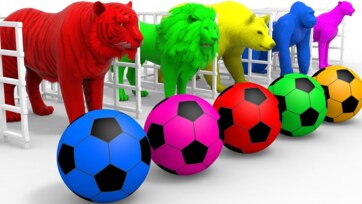
  • Attribute Alignment: Scenarios involving matching brightly colored animals—such as a red tiger, a green lion, a yellow bear, a blue gorilla, and a pink panther—to balls of an identical hue teach the fundamental scientific skill of attribute matching.
  • Sequential Logic: The arrangement of anthropomorphic trucks alongside oversized, expressive eggs in a rainbow spectrum (red, yellow, green, blue, purple) reinforces the concept of linear sequences and order.
  • Logical Sets: Visuals featuring colored garage doors that match the colors of specific trucks help children practice spatial reasoning and attribute-based sorting.

Sensory Bridging and Physical Concepts

High-quality digital and real-world rendering allows children to "experience" textures and mechanical concepts visually.

  • Mechanical Cause and Effect: Scenes featuring toy service vehicles, such as a blue tow truck pulling a yellow school bus out of viscous mud, provide a visual lesson in mechanical advantage and community problem-solving.
  • Teamwork and Physics: Visuals of multiple tractors using chains to pull heavy trucks up a muddy riverbank reinforce concepts of teamwork and the physical force required for heavy-duty tasks.

Social-Emotional Learning (SEL) and the Mirroring of the Mind

Modern media for children places a heavy emphasis on SEL, utilizing character expressions to teach empathy, conflict resolution, and self-regulation.

Identifying and Naming Internal States

Exaggerated facial features are used as a psychological tool to help children name and validate their own feelings.

  • Wonder and Joy: Wide-eyed, open-mouthed expressions—seen in characters discovering new environments or navigating routines—provide a mirror for a child’s own reactions to the unexpected.
  • Addressing Anxiety: Visuals of a child reacting with shock to a "ghost" figure in a bathroom or pointing in terror at a large Spider-Man themed dinosaur outside a bedroom window help normalize common childhood anxieties.
  • Expressing Distress: The use of clear, blue teardrops on a character’s face (as seen on the toddler 'Anna') provides a visual shorthand for sadness, helping children learn to externalize and communicate their own distress to caregivers.

The Power of Social Bonds

Narratives focus on supportive, gentle interactions to model social connection.

  • Shared Experiences: Imagery of friends taking a car ride together through a scenic landscape reinforces the idea that life’s journeys are most rewarding when shared with others.
  • Joyous Inclusion: A smiling monkey driving a yellow tractor followed by a horse, goat, rooster, and wolf creates a sense of communal joy and inclusion.

Community Systems, Hygiene, and Life Skills

As a child’s world expands, media introduces the systems, responsibilities, and hygiene routines that govern society.

Mastering Daily Routines

Transitions from home to school are framed as significant, time-bound events.

  • Temporal Awareness: The inclusion of a large, prominent analog clock (showing approximately 7:40 AM) in a scene where a child rushes for the school bus helps children visualize the passage of time and the importance of punctuality.
  • Independence: Carrying a backpack toward a vehicle driven by a trusted community member (a giraffe-themed driver) symbolizes the child's growing role in the public sphere.

Hygiene Education

Turning mundane tasks into playful adventures reduces a child's resistance to daily care.

  • Visual Motivation: High-contrast graphics featuring a smiling "toothbrush" and "tooth" accompanied by the clear, bold text "Brush me" transform a hygiene requirement into an interactive invitation.
  • Identifying Germs: Including a small, grumpy green creature as a symbol of dirt or bacteria helps children visualize why brushing is necessary for maintaining a healthy smile.

Agricultural and Work Ecosystems

Farm and construction themes introduce concepts of labor and the origins of resources.

  • Roles and Jobs: Monkeys driving tractors to transport livestock (cows) or collecting pails of milk show that every member of a community has a specific task.
  • Service Networks: Seeing various service vehicles—including fire trucks, ambulances, and tow trucks—work together in a mud pit teaches children about community cooperation and the "safety net" of helpers in their neighborhoods.

Nature as an Infinite Classroom

Vibrant depictions of natural habitats and animal biology encourage a transition from digital consumption to physical, outdoor exploration.

Biodiversity and Stewardship

By presenting characters in diverse settings, children learn to identify different ecosystems and species.

  • Detailed Observation: Seeing three green parrots with red beaks sitting on a branch encourages children to look closer at the wildlife in their own world.
  • Gentle Hands: Interactions like a toddler kneeling to feed goats in a meadow or a boy gently observing a hen and her chick model the concept of stewardship and respect for living beings.

The Value of Experiential Play

Content that features characters playing in nature validates active learning through experience.

  • The Joy of "Messy" Play: Framing a child sitting in a mud puddle with a rooster as a moment of pure happiness among smiling cows, sheep, and goats helps frame nature as a playground for discovery.
  • Environmental Empathy: Surrounded by smiling livestock, the child learns to feel a sense of belonging within the larger natural world.

Conclusion: Synthesizing the Modern Learning Experience

The digital frontier of early learning is a carefully architected tapestry designed to nurture the whole child. It uses the magnetic pull of bright colors and charming, expressive characters to deliver essential lessons in logic, empathy, hygiene, and community responsibility.

Whether a child is learning to match a red tiger to a red ball, observing the cooperative rescue of a school bus, or watching a toddler gently feed a goat, they are building the mental frameworks necessary to navigate the complexities of the real world with confidence and curiosity. These narratives turn every mundane routine into a moment of profound discovery, preparing the next generation to step out of their homes and into the wide, wonderful world.


Advertisement
The Role of Quality Children’s Videos in the Modern World – Learning and Fun Combined
In the digital age, where screens are everywhere, parents often worry about their children spending too much time watching videos. However, with the right content, these videos can be both entertaining and highly beneficial for a child’s development. A New Way of Learning Children are naturally curious and eager to learn, and quality children’s videos build on this curiosity. Interactive animations, songs, and stories teach in a playful way: • Language learning: Many videos help children learn new words and phrases, especially in other languages. Popular English nursery rhymes, like the alphabet song or counting songs, are both fun and educational. • Science and nature: Content that explores animals, natural phenomena, or even simple science experiments encourages kids to discover the world around them. • Social skills: Kids can learn how to navigate different situations, such as friendships, conflicts, or emotions. Why Is Video Learning So Effective? The combination of visual and auditory experiences is especially memorable for children. A colorful animation or catchy song is easier to retain than traditional textbook material. Characters on screen can serve as role models, demonstrating kindness, collaboration, or problem-solving. How to Choose the Right Content It’s important for parents to monitor what their children watch. Good children’s content should be:• Age-appropriate: Simple, colorful animations are ideal for younger children, while older kids can engage with more complex topics. • Value-driven: The content should convey positive messages that promote empathy, confidence, and positive thinking. • Interactive: Many modern videos encourage active participation, such as singing along or solving tasks. The Importance of Balance While quality children’s videos can offer a lot, screen time should still be limited. The best approach is to balance video watching with other activities like reading, outdoor play, or creative projects. Watching educational videos together as a family can also strengthen bonds and make learning more engaging. Future Possibilities The world of children’s videos is constantly evolving to better cater to kids’ learning needs. New technologies, such as interactive VR experiences or smart device integration, can further enhance the learning opportunities available to children. In summary, quality children’s videos are excellent tools for both education and entertainment. It’s up to parents to carefully select what their kids watch and help them explore the world in a positive and inspiring way.
Advertisement
A Lesson in Joy and Unlikely Friendships
The Heart of the Farm: A Lesson in Joy and Unlikely Friendships The rural landscape has always been a sanctuary for discovery, a place where the simplicity of nature meets the boundless curiosity of youth. On a farm, the boundaries between the human and animal worlds often blur, creating a shared space of mutual respect and unbridled happiness. This setting serves as a powerful classroom for early childhood development, teaching the values of empathy, sensory exploration, and the beauty of finding joy in the most unexpected places—even in the middle of a muddy puddle. At the center of this agricultural adventure is a toddler, whose presence on the farm acts as a bridge between these two worlds. His journey through the barnyard is not just a walk; it is an immersive experience that engages every sense and fosters a lifelong connection to living things. The Sensory Symphony of the Farmyard For a young child, the farm is a giant playground of textures, sounds, and colors. Every interaction is a sensory lesson that builds cognitive pathways and encourages physical exploration. The Tactile Magic of Mud Mud is perhaps nature's greatest sensory toy. The Sensation of Wet Earth: Sitting directly in a shallow brown puddle allows a child to experience the cool, squishy texture of the earth in a way that is purely tactile. A Badge of Honor: The splatters of mud on a yellow hoodie and tan pants are not messes to be avoided, but rather symbols of a day well-spent in active play. Grounding Connection: This direct contact with the ground fosters a sense of "grounding," helping children feel physically connected to the natural world. A Palette of Natural Colors The farmyard is painted in a rich array of high-contrast colors that capture a child's attention and help them categorize their surroundings. The Radiant Sky: A bright blue sky with wispy white clouds creates a feeling of openness and freedom. The Living Green: Rounded green bushes and lush grass provide a soft, welcoming backdrop for animal interactions. The Animal Rainbow: From the bright red comb of a rooster to the deep black fur of a goat, the animals introduce a variety of hues and patterns. Building Bridges: The Language of Animals The barnyard is home to a diverse community of creatures, each with its own personality and way of communicating. For a child, learning to navigate this community is a masterclass in social and emotional intelligence. The Bold and the Brave: The Rooster At the very front of the scene sits a vibrant rooster, his feathers a mix of deep blue, orange, and red. Face-to-Face Connection: Sitting eye-to-eye with a bird teaches a child about bravery and the quiet dignity of nature. The Sound of Morning: The rooster represents the rhythm of the farm, his crows acting as the natural alarm clock that starts the day. The Gentle Giants: Cattle and Sheep In the background, a group of smiling cows and fluffy sheep look on with curiosity. Kind Expressions: The wide, friendly eyes of the cows—one a warm orange-brown and the other a creamy tan—convey a sense of calm and safety. The Softness of Sheep: Small, white sheep with gentle faces introduce the concept of "softness," inviting the child to think about the different textures of fur and wool. The Majestic Overseer: The Goat To the right stands a large, dark goat with impressive curved horns and a friendly, pink-nosed face. A Presence of Strength: The goat’s size and horns represent the power of nature, yet his kind expression shows that strength can coexist with gentleness. A Community Member: His presence, along with the other animals, creates a sense of a "family" that extends beyond humans. The Psychology of a Smile: Pure Happiness At the heart of the farm experience is the pure, infectious joy displayed by the child. This happiness is a vital indicator of emotional health and security. The Anatomy of a Toddler’s Joy With a wide, toothy grin and bright, sparkling eyes, the child’s face tells a story of complete contentment. Uninhibited Expression: Unlike adults, children do not hide their joy. When they are happy, their whole face lights up, signaling to everyone around them that they feel safe and loved. A Signal of Trust: Being surrounded by large animals while sitting in the mud requires a high level of trust in one's environment. This comfort level is essential for healthy emotional development. The Mirror Effect Happiness is contagious. When we see a child laughing in a puddle surrounded by smiling animals, it triggers a "mirror neuron" response in our own brains, making us feel a sense of warmth and peace. This emotional resonance is what makes farm stories so popular and enduring across generations. Lessons in Responsibility and Empathy While a farm visit starts as play, it quickly evolves into a lesson in caretaking. Nurturing the Small Interacting with a rooster or a small sheep helps a child realize that they are part of a larger ecosystem where some creatures are smaller and more vulnerable than themselves. This is the birth of empathy—the understanding that our actions affect the well-being of others. Understanding Habitats By seeing where animals live, eat, and play, children begin to understand the concept of a "habitat". They see the fence that keeps the sheep safe and the open fields where the cows graze, helping them grasp the basics of environmental science. The Farm as a Lifetime Memory The experiences a child has on a farm are often among their most vivid early memories. These moments of "wild play" are essential for building a well-rounded individual. The Value of Being Unplugged In a world of screens and digital noise, the farm offers an "unplugged" experience where the only notifications are the sounds of a rooster crowing or a cow mooing. This allows the child’s brain to rest and focus on the immediate, physical world. Encouraging Outdoor Exploration A day at the farm is a day of constant movement. From crawling through the grass to sitting in a puddle, the child is building motor skills and physical strength. This active lifestyle is the foundation for healthy habits that can last a lifetime. Conclusion: The Simple Magic of Being Together The image of a muddy toddler sharing a puddle with a rooster while a group of friendly farm animals looks on is more than just a cute picture; it is a symbol of a perfect childhood moment. It reminds us that at our core, humans have a deep, instinctual need to connect with the earth and the creatures that share it with us. As the sun shines down on the barnyard, it highlights a world where everyone belongs, where a puddle is a throne, and where a rooster is a best friend. In the heart of the farm, joy is found not in things, but in connections, dirt, and the simple magic of being together under a wide blue sky.  
Why Kids Love Booba: Fun, Laughter, and Learning Through Play
Booba is one of the most popular animated shows for young children. Known for its silent comedy, expressive gestures, and playful adventures, it has captured the attention of preschoolers and toddlers around the world. Unlike traditional cartoons with dialogue, Booba communicates entirely through visual humor, gestures, and sound effects, making it universally understandable and highly engaging for young viewers. Booba is a small, curious, and mischievous creature who loves exploring the world around him. His adventures often involve ordinary household items, animals, and playful situations, making children laugh while subtly teaching them observation, problem-solving, and creative thinking. Visual Comedy That Captures Young Minds The charm of Booba lies in non-verbal comedy. Young children, especially those aged 2–6, are drawn to funny actions, exaggerated movements, and playful expressions, all of which Booba provides in every episode. Example Episodes: Booba in the Kitchen: Booba’s interactions with cooking tools and ingredients make children giggle while observing cause and effect. Booba and the Balloon: Booba’s chase after a floating balloon shows curiosity, persistence, and fun experimentation. Why It Works for Kids: Non-verbal storytelling makes it accessible to children who cannot read or understand complex dialogue. Fast-paced visual humor maintains attention spans. Creative scenarios spark imagination and curiosity. Parent Tip:Watch alongside your child and ask, “What do you think Booba is feeling?” This encourages emotional recognition and vocabulary development. Encourages Curiosity and Exploration Booba is endlessly curious. His adventures encourage children to observe their surroundings and ask questions, fostering a natural sense of discovery. Children learn that ordinary things can be exciting when explored with curiosity. Educational Benefit: Boosts observational skills. Develops critical thinking through experimentation and exploration. Encourages asking questions about everyday objects. Activity Idea: After watching Booba, ask children to find household items that Booba might play with and create their own imaginative games. Encourage children to invent stories about their discoveries, enhancing creativity. Supports Problem-Solving Skills Each Booba episode involves playful challenges, like reaching a toy, solving a small obstacle, or interacting with pets. These situations teach children basic problem-solving and trial-and-error skills. Example: In Booba in the Garden, Booba figures out how to climb plants and interact with insects, showing persistence and creative thinking. Parent Tip: Discuss the solutions Booba uses and ask, “What would you do differently?” This transforms viewing into an interactive problem-solving lesson. Enhances Emotional Intelligence Booba communicates entirely through facial expressions and gestures, which helps children identify emotions such as happiness, surprise, frustration, and excitement. Recognizing emotions in characters strengthens empathy and emotional understanding. Activity Idea: Pause the episode and ask, “Why is Booba smiling or frowning?” Encourage children to act out Booba’s expressions, improving emotional awareness and communication. Promotes Creativity and Imaginative Play Booba’s interactions with everyday objects show children that imagination transforms ordinary items into exciting toys. This encourages creative thinking and role-playing. Examples: Booba turning a cup into a hat or a spoon into a musical instrument. Creating pretend scenarios using toys inspired by Booba’s adventures. Parent Tip: Give children safe household items and encourage them to invent Booba-style games. Combine with arts and crafts to enhance storytelling and imaginative play. Supports Cognitive and Learning Skills Booba episodes help with early cognitive development by teaching children: Cause-and-effect relationships (e.g., Booba knocks over objects and observes reactions). Sequencing skills (understanding what happens first, next, and last). Observation and attention to detail (noticing small elements in Booba’s environment). Example: In Booba in the Workshop, kids notice the tools Booba interacts with and predict outcomes, enhancing reasoning skills. Parent Tip: Encourage children to describe the sequence of events, building narrative and memory skills. Physical Activity Through Role-Play Children naturally imitate Booba’s energetic movements and playful gestures, encouraging physical activity. Parents can transform episodes into interactive play sessions. Ideas for Kids: Role-play Booba’s movements safely indoors. Create simple obstacle courses inspired by Booba’s adventures. Incorporate jumping, crawling, and balancing exercises. Benefit: Supports gross motor skills and coordination. Combines screen entertainment with physical exercise, reducing sedentary behavior. Teaches Safety Awareness Though Booba is mischievous, many episodes highlight minor consequences for risky actions, teaching children basic safety awareness in a playful way. Examples: Booba slipping on water teaches children to be careful around wet surfaces. Interacting with kitchen objects reminds kids to handle items safely. Parent Tip: Discuss safe alternatives and let children relate Booba’s mistakes to real-life safety. Practical Tips for Parents Interactive Viewing: Ask children questions about Booba’s actions and emotions. Creative Play: Encourage role-playing, drawing, or storytelling inspired by Booba. Limit Screen Time: 20–30 minutes per day is ideal for preschoolers. Observation Exercises: Ask children to notice Booba’s interactions with objects and predict what happens next. Combine with Learning: Use episodes to teach counting, colors, and everyday objects. Fun Facts About Booba Booba is a non-verbal character, which makes it accessible globally. The cartoon emphasizes humor and curiosity rather than conflict or competition. Episodes often feature bright colors, music, and playful sound effects, engaging children’s senses. Booba encourages safe exploration and imagination, making it ideal for preschool education. Conclusion Booba is more than just a cartoon—it’s a learning tool disguised as entertainment. Children love Booba for his humor, energy, and curious adventures, but the show also promotes: Creativity and imaginative play. Emotional intelligence and empathy. Problem-solving, observation, and reasoning. Basic safety awareness. Physical activity through imitation and role-play. Parents can enhance these benefits by actively engaging with children, asking questions, role-playing, and connecting episodes to real-life learning. With thoughtful interaction, Booba becomes both a fun and educational experience, helping children develop cognitive, emotional, and social skills while having endless laughs.
The Magic of Songs and Rhymes: How They Help in Learning
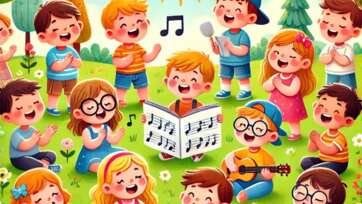
For children, learning is most effective when it’s playful, fun, and filled with emotions. This is why nursery rhymes and songs, like “Twinkle, Twinkle, Little Star” or “Baa Baa Black Sheep”, are so popular. These songs are not only entertaining but also help develop essential skills. Expanding Vocabulary The repetitive words and melodic rhythms of rhymes are easy to remember. This allows children to naturally learn new words and phrases. For instance, “Head, Shoulders, Knees and Toes” teaches the names of body parts while also improving coordination. Learning Numbers and Colors Songs like “One, Two, Buckle My Shoe” or “Red, Yellow, Blue, What Color Are You?” introduce numbers and colors in a playful way. Children easily memorize these basic concepts while enjoying the process of learning. Boosting Creativity and Imagination Songs and rhymes often tell magical stories that spark children’s imagination. “The Itsy Bitsy Spider”, for example, encourages children to imagine the adventures of the spider. Building Connections with Others Singing together is a communal experience. It teaches children how to collaborate, listen to one another, and enjoy learning as a group. Activities like these also help develop social skills. How to Support Learning at Home Parents can play a big role in their children’s learning journey. Sing together, create new lyrics to familiar tunes, and encourage children to invent their own rhymes. This not only develops their language skills but also boosts their confidence. At Nazarene Rhymes, our goal is to ensure every child learns joyfully and develops their skills through rhymes. Explore our website for inspiring songs to enhance your child’s learning journey!
Top 10 Fruits for Kids | Boost Growth & Immunity Naturally
Fruits are a powerhouse for children’s growth, energy, immunity, and brain development. Each fruit brings its unique blend of vitamins, minerals, fiber, and antioxidants that support overall well-being. While all fruits are beneficial, some stand out for their nutrient density and child-friendly taste. Here’s a detailed guide to the top 10 fruits every child should eat regularly, along with their benefits and practical ways to include them in a child’s diet. Banana — Energy and Potassium Booster: Bananas are one of the most child-friendly fruits. They are rich in potassium, which supports heart health and muscle function, and contain natural sugars that provide quick yet sustained energy. Bananas are also high in fiber, which aids digestion and keeps children full between meals. Practical Tips: Slice bananas into breakfast cereal or oatmeal. Blend with milk for a nutritious smoothie. Serve as a quick snack for school or outdoor play. Apple — Fiber and Immunity Support: Apples are packed with fiber, vitamin C, and antioxidants, making them excellent for digestion and immunity. The peel contains a significant amount of nutrients, so serving apples unpeeled is recommended. Apples also improve satiety, reducing cravings for unhealthy snacks. Practical Tips: Cut into thin slices for lunchboxes. Mix with peanut butter for a fun snack. Bake with cinnamon for a warm treat. Orange — Immune and Vitamin C Powerhouse: Oranges are rich in vitamin C, which strengthens the immune system, supports skin health, and aids iron absorption from other foods. They are juicy, sweet, and naturally appealing to children. Practical Tips: Serve as segments for snacks. Freshly squeeze for homemade juice (without sugar). Add orange slices to fruit salads. Mango — Growth and Eye Health: Mangoes are not only delicious but are also high in vitamin A, vitamin C, and antioxidants, which help improve vision, support immunity, and promote tissue growth. Mangoes are perfect for summers and are generally well-loved by children. Practical Tips: Serve as mango cubes or puree. Add to smoothies or yogurt bowls. Mix with other fruits for a tropical fruit salad. Papaya — Digestion and Immune Booster: Papaya contains enzymes like papain that aid digestion and make nutrient absorption easier. It’s rich in vitamin C, folate, and potassium, which support growth, immunity, and muscle function. Practical Tips: Serve raw as cubes for breakfast or snack. Blend into smoothies with banana or mango. Mix with a little yogurt for an easy dessert. Guava — Vitamin C Superfruit: Guava is one of the richest sources of vitamin C, far exceeding oranges. It also contains fiber, potassium, and antioxidants. Regular consumption supports immunity, healthy skin, and digestive health. Practical Tips: Serve sliced or in small chunks. Mash and mix with yogurt. Add to fruit salads for extra color and nutrition. Blueberries — Brain and Antioxidant Support: Blueberries are loaded with antioxidants, vitamins, and flavonoids that support brain development, memory, and learning in children. They also protect cells from damage caused by free radicals. Practical Tips: Add to oatmeal, cereal, or yogurt. Serve fresh or frozen as a snack. Mix into pancake or muffin batter. Watermelon — Hydration and Refreshment: Watermelon is more than just a juicy summer treat. It provides hydration, vitamin C, potassium, and antioxidants, helping children stay refreshed, maintain energy, and support heart health. Practical Tips: Cut into fun shapes for kids. Blend for a natural, hydrating juice. Mix with berries for a colorful summer salad. Pomegranate — Immunity and Heart Support: Pomegranates are rich in antioxidants, vitamin C, and fiber, supporting immunity, heart health, and digestion. The bright red seeds are fun to eat and can be mixed into meals or snacks. Practical Tips: Serve arils (seeds) as a snack. Sprinkle over yogurt or oatmeal. Mix into salads or smoothies. Strawberries — Antioxidant and Digestive Aid: Strawberries are high in vitamin C, fiber, and antioxidants, supporting immunity, skin health, and digestion. They are naturally sweet and usually a favorite among children. Practical Tips: Serve whole or sliced as a snack. Blend into smoothies or milkshakes. Mix with other fruits for colorful fruit bowls. Tips for Incorporating Fruits in Children’s Diets: Variety is Key: Offer a mix of fruits in different colors, flavors, and textures to ensure a wide range of nutrients. Seasonal Choices: Seasonal fruits are often richer in nutrients and fresher. Adjust the fruit selection according to the season. Creative Presentation: Cut fruits into fun shapes, create fruit skewers, or mix with yogurt and oats to make them appealing. Consistency Over Quantity: Encourage daily fruit intake rather than occasional large servings. Small, regular servings work best. Pairing for Better Absorption: Pair vitamin C-rich fruits like oranges or guava with iron-rich meals to enhance nutrient absorption. Final Thoughts: Fruits are a cornerstone of a healthy childhood diet. They provide energy, immunity, digestive support, and brain-enhancing nutrients. The **top 10 fruits listed here—banana, apple, orange, mango, papaya, guava, blueberries, watermelon, pomegranate, and strawberries—**cover the essential nutrients that growing children need. Including these fruits regularly ensures children develop strong bones, sharp minds, and a resilient immune system. Parents should focus on variety, seasonal availability, and creative serving methods to make fruit consumption enjoyable and consistent. Remember, fruits are not just snacks—they are essential growth boosters that can shape a child’s health for life.  
The Digital Playground
A Comprehensive Analysis of Early Childhood "Edutainment" In the modern landscape of child development, the intersection of digital media, visual storytelling, and fundamental educational concepts has created a new standard for early childhood engagement. This "edutainment" ecosystem relies on high-contrast visuals, expressive character archetypes, and relatable social scenarios to build cognitive and emotional foundations. By analyzing themes ranging from the frantic energy of a morning routine to the serene curiosity of animal interactions, we can see how these narratives provide a holistic framework for a child's understanding of the world. The Visual Language of Learning Visual stimuli are the primary drivers of learning in early childhood. Before a child can decode written language, they are proficient in decoding color, shape, and pattern. Color as a Navigational Tool The strategic use of a bold, saturated color palette is designed to capture attention and facilitate cognitive categorization. Vibrant Primaries: Bright red, sunny yellow, and deep blue serve as visual anchors. Red often denotes high energy or central characters, while yellow, as seen in the clothing of many young protagonists, signals optimism, approachable warmth, and safety. Stabilizing Contrasts: Blue sky backdrops or community vehicles like school buses provide a sense of environmental stability and reliability. Logical Sorting: Scenarios involving matching colored trucks to oversized, expressive eggs introduce children to the concept of sets and pattern recognition. This visual logic is the precursor to both mathematical and scientific thinking. Sensory Imaginarium High-quality digital rendering allows children to "feel" textures through their eyes, bridging the gap between screen time and real-world sensory play. Tactile Visualization: The representation of "slime" or liquid candy flowing from faucets engages a child's imagination regarding states of matter and fluid dynamics. Natural Textures: Contrasting the smooth feathers of a duckling or rooster with the squishy, cool texture of a mud puddle encourages an appreciation for the diverse physical properties of nature. Emotional Intelligence and Social Archetypes Modern media for children places a heavy emphasis on Social-Emotional Learning (SEL), using character expressions to teach empathy and conflict resolution. Identifying Internal States Exaggerated facial features help children name and validate their own feelings. Wonder and Surprise: Wide-eyed, open-mouthed expressions in characters—whether discovering a sink full of candy or missing a bus—provide a mirror for a child’s own reactions to the unexpected. Fear and the Unknown: Depicting a child's surprise at a "ghost" or shadow in a household setting like a bathroom helps normalize common fears and provides a safe space to discuss them. Mediation and Conflict: When characters representing emergency responders (like a police-dog archetype) intervene in a dispute between peers, it demonstrates the social value of mediation and the presence of community helpers. The Power of Companionship Narratives rarely focus on a solitary individual, instead emphasizing the group dynamic. Whether it is a trio of birds on a branch or friends on a road trip, these stories reinforce the idea that life’s journeys—and its learning—are most rewarding when shared. Community Systems and Life Skills As a child’s world expands beyond the home, media introduces the systems and responsibilities that govern society. The Morning Commute and Punctuality The scenario of a child rushing to a large yellow school bus is a masterclass in life skills. Time Management: The presence of a prominent analog clock helps children visualize the passage of time and the importance of punctuality. Independence: Carrying a backpack and navigating the sidewalk toward a vehicle driven by a trusted community member (represented here as a friendly giraffe-themed driver) symbolizes the child's growing independence. The Agricultural Ecosystem Farm-themed content introduces the concepts of labor, food production, and cross-species cooperation. Roles and Jobs: Seeing monkeys driving tractors or collecting milk shows that every member of a community has a specific task that contributes to the whole. Animal Stewardship: Interactions like feeding goats or sitting among chickens teach children to be gentle and respectful of other living beings. Nature as a Classroom The transition from digital screens to the great outdoors is encouraged through vibrant depictions of natural habitats. Biodiversity and Habitat By showing characters in diverse settings—from bamboo forests to wildflower meadows—children learn to identify different ecosystems. Observation Skills: Seeing birds in their natural environment or sheep grazing in a field encourages children to look closer at their own backyards. Environmental Empathy: The close-up interaction between a squirrel and a duckling in a natural setting fosters an early sense of wonder and a desire to protect the small creatures of the world. Active Play and Movement Content that features characters playing in the mud or running through grass validates active, outdoor play as a healthy and joyful pursuit. It frames the "messiness" of nature as an opportunity for discovery rather than something to be avoided. Conclusion: Synthesizing the Experience The digital frontier of early learning is a carefully architected tapestry designed to nurture the whole child. It uses the magnetic pull of bright colors and charming characters to deliver essential lessons in logic, empathy, and community responsibility. By turning a mundane bath into a comedy or a drive into an adventure, these narratives help children navigate the transitions of their own lives with confidence and curiosity. As they watch a rooster sit in a puddle or a monkey drive a tractor, they aren't just being entertained; they are building the mental map that will guide them as they step out of their homes and into the wide, wonderful world.
The Colorful World of Friendship and Song
In the quiet, sunny corners of the world, nature has a way of creating the most beautiful music and the brightest colors. For children, exploring the lives of birds and other small creatures is more than just fun; it is a vital part of learning how to be kind, how to communicate, and how to appreciate the world around them. When we see groups of animals together, we are witnessing a community in action. The Vibrancy of Green: A Lesson in Nature Colors are often the first way children learn to identify different parts of the environment. The Color Green: In the animal kingdom, green is a very special color. It helps creatures hide among the leaves of a forest or the tall stalks of bamboo. Bright Accents: Many birds have splashes of red or yellow on their feathers or beaks. These bright colors are like a special uniform that helps them recognize their family and friends from far away. Connection to the Sky: When these colorful creatures sit together against a bright blue sky, it reminds us of how different parts of nature—the earth, the trees, and the air—all work together to create a beautiful scene. Understanding Social Bonds and Community Just like children play in groups at school, many animals choose to spend their time in groups. This behavior teaches us several important lessons about living together. The Strength in Numbers By staying close to one another, small creatures can keep each other safe. They have many eyes to look for food and many ears to listen for danger. This is the very first lesson in teamwork: we are stronger when we stand together than when we are alone. Learning to Communicate Animals don't use words like we do, but they are experts at talking to each other. Songs and Chirps: Each sound a bird makes has a meaning, whether it’s saying "I found a snack!" or "Watch out!". Body Language: The way a creature stands or tilts its head tells its friends how it is feeling. Eye Contact: Big, bright eyes are used to show curiosity and to pay close attention to the world. The Magic of Music and Rhythm Music is a universal language that even the youngest children understand, and nature is full of it. Finding Your Voice Every creature has its own unique song. Some are loud and bold, while others are soft and sweet. Encouraging children to listen to these sounds helps develop their auditory skills and teaches them that everyone—no matter how small—has a voice that deserves to be heard. Dancing Together Have you ever noticed how birds seem to move in rhythm? When they sit together on a branch, they often bob their heads or flutter their wings at the same time. This natural dance is a form of play that helps them feel connected to their group. Empathy Through Observation When children look at friendly characters or animals, they begin to develop empathy. Seeing the "Smallness" Because many birds and small animals are tiny compared to humans, children feel a natural desire to protect and care for them. This nurturing instinct is the foundation of becoming a kind and responsible adult. Identifying Emotions Characters with expressive faces help children name their own feelings. Happiness: Shown through bright colors and wide, smiling beaks. Curiosity: Shown through big, round eyes and a tilted head. Friendship: Shown by standing shoulder-to-shoulder with someone else. The Classroom in the Trees Nature is the ultimate classroom, offering lessons that you can’t always find in a book. Biodiversity and Variety Even within the same family, no two creatures are exactly the same. They might have slightly different shades of green or different patterns on their feathers. This teaches children to appreciate diversity and to understand that being different is what makes the world interesting. Patience and Observation To see the best parts of nature, you have to be very still and very quiet. Teaching a child to sit and watch a group of birds encourages patience and focus, two skills that are very important for doing well in school and in life. Bringing the Magic Home You don't have to go to a deep forest to find the magic of nature. You can find it right in your own neighborhood! Bird Watching: Set up a small feeder and see who comes to visit. Can you find three friends who look alike? Drawing Characters: Use a bright green crayon to draw your own trio of feathered friends. Give them big eyes and red beaks so they look ready to sing! Listening Games: Close your eyes for one minute and count how many different "voices" you hear outside. Conclusion: A World of Wonder The image of three green friends standing together reminds us that the world is a place of harmony and color. Whether they are real birds in a tree or characters in a story, they represent the simple joys of being alive, having friends, and sharing a song with the world. By looking at these bright visuals, children aren't just seeing a picture; they are opening a door to their own imagination, where they can fly through the blue sky and sing alongside the happiest creatures in the forest.
Advertisement
How Visual Cartoons Shape a Child’s Brain, Behavior, and Confidence
Modern childhood looks very different from what previous generations experienced. Today’s children are surrounded by colourful animation, expressive characters, and fast-moving visual stories. Many parents see cartoons as simple entertainment, but research in early childhood education shows something far more important: children understand the world visually before they understand it through language. This “see first, understand later” pattern is not accidental. A child’s brain is designed to absorb meaning through images, expressions, and movement. When used correctly, cartoon-based content becomes a powerful tool for intellectual growth, emotional balance, and real-life learning. This is why educational cartoons — especially when supported by thoughtful articles — can help develop the whole child, not just keep them busy. Visual Learning Builds Thinking Skills Before Reading Even Starts Long before children learn the alphabet or numbers, they begin recognising patterns. Bright colours, repeated shapes, and consistent visual cues train the brain to organise information. For example, when a child repeatedly sees red objects grouped together or watches characters sort items by colour, they begin learning classification. This is the early foundation of mathematics and logical reasoning. They are not memorising facts.They are learning how to think. This kind of visual sorting teaches children: How to notice similarities and differences How to arrange objects in order How to predict what comes next These are the same mental skills later used in problem-solving and academic learning. Cartoons Teach Cause and Effect in a Way Words Cannot Young children struggle to understand explanations like “If you do this, then that will happen.” Abstract reasoning comes later in development. Visual storytelling solves this problem by showing consequences directly. When a character drops something, and it breaks, the child sees the outcome.When a character helps a friend and receives kindness back, the lesson becomes visible. This repeated exposure strengthens a child’s ability to connect actions with results. Over time, they begin to apply that understanding to real-life behaviour, such as sharing, cooperating, or avoiding unsafe actions. Emotional Development Begins With Recognising Expressions Children are not born understanding emotions. They must learn how feelings look and how they are expressed. Cartoons exaggerate facial expressions — large smiles, visible tears, wide eyes — because clear visuals help children identify emotions quickly. These animated reactions act like emotional training exercises. A child begins to recognise: What sadness looks like What fear looks like What happiness looks like How people respond to each emotion This builds emotional intelligence, which is just as important as academic knowledge. Children who can understand feelings are better at communication, friendships, and self-control. Visual Stories Help Children Process Fear and New Experiences Many childhood fears come from unfamiliar situations: visiting a doctor, starting school, meeting strangers, or facing unexpected changes. When cartoons show characters experiencing the same fears and overcoming them safely, children mentally prepare for similar events. They begin to think:“If that character handled it, maybe I can too.” This process reduces anxiety because the brain already has a visual memory of the situation. The experience feels known rather than threatening. Social Behaviour Is Learned Through Observation, Not Instruction Telling a child to behave properly often has little impact. Showing behaviour through relatable characters is far more effective. Cartoons demonstrate: Taking turns Helping others Apologising after mistakes Working together to solve problems Children naturally imitate what they see. Through repeated exposure, positive social behaviour becomes familiar rather than forced. This is one of the strongest advantages of educational animation: it models behaviour instead of demanding it. Daily Habits Become Enjoyable When Turned Into Stories Children resist routines when they feel like chores. Visual storytelling transforms ordinary tasks into meaningful activities. Cleaning becomes teamwork.Bathing becomes caring.Healthy eating becomes gaining strength. By associating responsibility with imagination, children accept daily habits more willingly. Instead of pressure, they feel participation. This connection between play and responsibility helps develop independence at an early age. Imaginative Role-Play Encourages Confidence and Creativity When children watch characters act as helpers, builders, explorers, or caregivers, they begin imagining themselves in similar roles. This imaginative play strengthens: Creativity Decision-making Confidence Problem-solving ability Pretend scenarios are not distractions. They are mental rehearsals for real-world challenges. A child imagining solutions today is preparing for real responsibilities tomorrow. Visual Content Introduces Children to Community and Cooperation Cartoons often show characters working together in different roles to achieve a goal. These scenes help children understand that communities function through cooperation. They begin to see that:Everyone contributes.Different roles matter.Helping others creates better outcomes. This early understanding encourages respect for teamwork and shared responsibility. Health and Hygiene Concepts Become Easier to Understand Young children cannot grasp invisible concepts like germs or illness. Visual storytelling turns these abstract ideas into understandable forms. When cleanliness and care are shown through engaging stories, children learn why these habits matter — not just that they are required. They start associating self-care with protection and well-being rather than punishment or instruction. Nature and Environment Become Familiar Through Visual Exploration Cartoons often introduce animals, farms, and natural settings in ways that make children feel connected to the environment. Seeing food grow, animals interact, and resources being used responsibly teaches children that the world around them is valuable and alive. This early awareness encourages curiosity about nature and respect for living things. The Real Value Lies in Guided Viewing, Not Passive Watching Cartoons become educational only when they are chosen thoughtfully and supported by conversation. Without guidance, visual content becomes noise. With guidance, it becomes learning. Parents can strengthen the impact by: Watching alongside children occasionally Talking about what happened in the story Connecting scenes to real-life experiences Even small discussions turn entertainment into understanding. Visual Learning Is Not Replacing Education — It Is Preparing Children for It The modern child grows up in a visual world. Ignoring that reality does not protect development. Using it wisely strengthens it. When combined with meaningful content and explanation, cartoon-based learning helps children: Develop logical thinking early Understand emotions and relationships Build confidence in new situations Learn responsibility through engaging examples Prepare mentally for structured education These visual experiences act as stepping stones between imagination and reality. Final Thought: Colourful Stories Can Build Serious Foundations Behind every bright animation is an opportunity to shape how a child thinks, feels, and interacts with the world. When cartoons are paired with supportive learning material, they become more than entertainment — they become tools for growth. Children do not just watch these stories.They absorb them, interpret them, and slowly use them to understand life itself. Used wisely, visual storytelling becomes one of the earliest classrooms a child will ever experience.