How Screen-Based Learning Is Rewiring Early Childhood Education

Early childhood education has quietly undergone a transformation. Where learning once depended almost entirely on physical toys, books, and human interaction, today’s children are growing up in an environment where visual media actively participates in their development. Carefully designed educational content now blends animation, storytelling, and behavioral modeling to create structured learning experiences that support thinking skills, emotional awareness, and everyday problem-solving.

This shift is not about replacing traditional learning. It is about expanding it. When used intentionally, visual media functions as an early training ground where children experiment with logic, relationships, and real-world understanding in ways that feel natural and engaging.

Visual Storytelling as a Foundation for Early Brain Organization

Young children process the world visually long before they can explain it verbally. Their brains are wired to detect contrast, recognize patterns, and respond to motion. Educational animations take advantage of this biological reality by presenting information through bold imagery, repeated structures, and simplified scenarios.

Instead of memorizing facts, children begin by recognizing order.

When they repeatedly see objects grouped by similarity—whether through color, shape, or role—they build mental frameworks that later support reading, mathematics, and reasoning. These frameworks act like invisible scaffolding, allowing more complex knowledge to attach itself over time.

Pattern Recognition: The Hidden Beginning of Analytical Thinking

One of the earliest intellectual breakthroughs in childhood is the ability to notice patterns. Educational visuals make this process highly accessible by arranging objects in predictable ways that encourage observation and comparison.

A sequence of related items encourages children to ask internal questions:

Why does this come next?
What makes these belong together?
What changes when one is different?

These micro-observations strengthen classification skills, which are essential for logical reasoning later in school. Without realizing it, the child is practicing the same mental process used in scientific categorization.

Learning Cause and Effect Without Formal Instruction

Children grasp physical principles not through lectures, but through observation of action and consequence. Educational scenarios often show characters solving problems using effort, tools, or teamwork.

When multiple elements must work together to achieve a result, children begin to understand relationships between force, environment, and outcome. They observe that:

  • Some problems require cooperation.
  • Tools can change what is possible.
  • Persistence leads to resolution.

This early exposure builds confidence in experimentation and reduces fear of failure. A child learns that challenges are meant to be solved, not avoided.

Emotional Recognition Begins With What Children Can See

Before children can describe emotions, they must first learn to recognize them. Visual media simplifies emotional expression so it becomes readable and relatable.

Clear gestures, posture, and facial cues allow children to connect feelings with situations. This repeated exposure strengthens emotional intelligence by helping children:

  • Identify what someone else may be feeling.
  • Understand that emotions change over time.
  • Develop appropriate responses to social situations.

This process is especially important in the early years, when frustration or fear can otherwise feel overwhelming and confusing.

Modeling Social Behavior Through Relatable Scenarios

Children learn how to interact not only from direct experience but also from observation. Educational narratives simulate common childhood situations such as waiting for a turn, helping others, or navigating disagreements.

By watching these interactions unfold, children begin to internalize behavioral expectations. They see cooperation demonstrated rather than explained. Over time, these modeled behaviors shape how they approach friendships, sharing, and teamwork in real life.

This is social rehearsal disguised as storytelling.

Transforming Responsibility Into Exploration Instead of Obligation

Daily routines can feel repetitive or restrictive to young children. Educational content reframes these routines as part of an engaging world where actions have meaning.

Tasks connected to self-care or participation are presented not as commands, but as contributions. The child begins to associate responsibility with independence rather than restriction.

This subtle reframing encourages motivation from within rather than reliance on external pressure.

Imagination as a Bridge to Real-World Confidence

Pretend-play narratives play a powerful developmental role. When children imagine themselves operating vehicles, solving challenges, or exploring environments, they are practicing decision-making and creativity.

These experiences nurture:

  • Initiative
  • Problem-solving confidence
  • Adaptability
  • Curiosity-driven learning

A cardboard structure can become an aircraft in the mind of a child, but cognitively it becomes something even more valuable—a rehearsal space for innovation.

Introducing Systems Thinking at an Early Age

Many educational scenarios show interconnected roles working toward shared outcomes. These depictions introduce children to the idea that environments function as systems rather than isolated events.

Children begin to understand that:

  • Different roles support one another.
  • Resources move through processes.
  • Communities rely on cooperation.

This early awareness lays the groundwork for understanding responsibility, sustainability, and collaboration later in life.

Encouraging Healthy Interaction With the Natural World

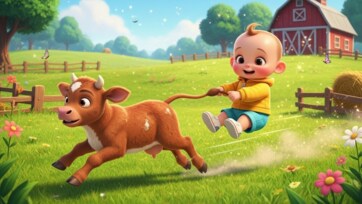
Exposure to animals, outdoor environments, and agricultural themes fosters curiosity about nature and living systems. These portrayals build familiarity rather than distance, encouraging children to see themselves as participants in the environment rather than observers.

Positive associations with nature formed early often influence lifelong attitudes toward care, respect, and exploration.

Why Repetition in Educational Media Is Actually Beneficial

Adults sometimes view repetition in children’s content as unnecessary, but repetition is essential for neurological development. Repeated exposure strengthens neural connections, allowing skills to become automatic.

Each familiar storyline or visual structure reinforces understanding and builds confidence through predictability. Children feel secure when they can anticipate outcomes, and this sense of mastery encourages further engagement.

Learning, at this stage, thrives on familiarity.

The Connection Between Digital Experiences and Real-Life Behavior

When children encounter real-world equivalents of what they have seen visually, recognition occurs. That recognition accelerates understanding because the brain treats the experience as something already partially known.

A previously observed situation becomes easier to interpret, reducing hesitation and encouraging participation. Visual learning, therefore, does not remain confined to the screen—it transfers into lived experience.

Rethinking the Conversation Around Children and Screens

The discussion should not focus solely on limiting exposure but on improving the quality and purpose of what children engage with. Intentional educational media can complement hands-on learning by preparing children mentally for experiences they will later encounter physically.

When thoughtfully integrated, visual storytelling can:

  • Strengthen readiness for structured education.
  • Support emotional growth alongside cognitive development.
  • Encourage exploration instead of passive consumption.
  • Reinforce positive habits through engaging narratives.

The emphasis must remain on balance and intentionality.

A Developmental Tool Hidden Inside Entertainment

What looks like simple entertainment often carries complex educational design. Color organization teaches classification. Narrative challenges introduce resilience. Character interaction models empathy. Repetition strengthens understanding.

These elements work together to form an early developmental architecture that supports how children think, relate, and adapt as they grow.

Visual media, when guided by educational purpose, becomes less about distraction and more about preparation—preparation for school, relationships, responsibilities, and lifelong curiosity.

Final Thought: The New Learning Environment Is Hybrid

Today’s childhood exists at the intersection of physical experience and visual storytelling. Rather than competing, these two environments can reinforce one another when used thoughtfully.

Educational media cannot replace real-world exploration, but it can prepare children to engage with that world more confidently and meaningfully. When designed with developmental insight, it becomes a quiet partner in raising capable, curious, and emotionally aware learners.

And that partnership, when used wisely, can shape not just what children know—but how they learn to understand everything that comes next.


Advertisement
Visual Literacy and Cognitive Scaffolding in Early Childhood Digital Content
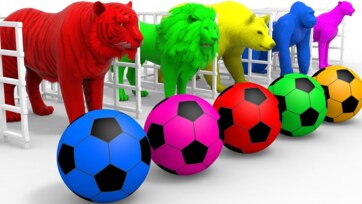
The contemporary landscape of early childhood development is increasingly defined by the "edutainment" ecosystem—a multidimensional intersection of digital media, visual storytelling, and fundamental educational concepts. This environment utilizes high-contrast visuals, expressive character archetypes, and relatable social scenarios to build a child's cognitive and emotional foundations. By analyzing themes ranging from the frantic energy of a morning routine to the serene curiosity of animal interactions and logic puzzles, we can observe how these narratives provide a holistic framework for a child's understanding of the world. The Architecture of Visual Logic and Categorization Visual stimuli serve as the primary drivers of learning during the formative years, where children become proficient in decoding color, shape, and pattern before mastering verbal language. Chromatic Education and Attribute Matching The strategic use of a bold, saturated color palette is designed to capture attention and facilitate cognitive categorization. Vibrant Primaries: Bright red, sunny yellow, and deep blue serve as visual anchors in many instructional scenes. Attribute Alignment: Scenarios involving matching brightly colored animals—such as a red tiger, a green lion, a yellow bear, a blue gorilla, and a pink panther—to balls of an identical hue teach the fundamental scientific skill of attribute matching. Sequential Logic: The arrangement of anthropomorphic trucks alongside oversized, expressive eggs in a rainbow spectrum (red, yellow, green, blue, purple) reinforces the concept of linear sequences and order. Logical Sets: Visuals featuring colored garage doors that match the colors of specific trucks help children practice spatial reasoning and attribute-based sorting. Sensory Bridging and Physical Concepts High-quality digital and real-world rendering allows children to "experience" textures and mechanical concepts visually. Mechanical Cause and Effect: Scenes featuring toy service vehicles, such as a blue tow truck pulling a yellow school bus out of viscous mud, provide a visual lesson in mechanical advantage and community problem-solving. Teamwork and Physics: Visuals of multiple tractors using chains to pull heavy trucks up a muddy riverbank reinforce concepts of teamwork and the physical force required for heavy-duty tasks. Social-Emotional Learning (SEL) and the Mirroring of the Mind Modern media for children places a heavy emphasis on SEL, utilizing character expressions to teach empathy, conflict resolution, and self-regulation. Identifying and Naming Internal States Exaggerated facial features are used as a psychological tool to help children name and validate their own feelings. Wonder and Joy: Wide-eyed, open-mouthed expressions—seen in characters discovering new environments or navigating routines—provide a mirror for a child’s own reactions to the unexpected. Addressing Anxiety: Visuals of a child reacting with shock to a "ghost" figure in a bathroom or pointing in terror at a large Spider-Man themed dinosaur outside a bedroom window help normalize common childhood anxieties. Expressing Distress: The use of clear, blue teardrops on a character’s face (as seen on the toddler 'Anna') provides a visual shorthand for sadness, helping children learn to externalize and communicate their own distress to caregivers. The Power of Social Bonds Narratives focus on supportive, gentle interactions to model social connection. Shared Experiences: Imagery of friends taking a car ride together through a scenic landscape reinforces the idea that life’s journeys are most rewarding when shared with others. Joyous Inclusion: A smiling monkey driving a yellow tractor followed by a horse, goat, rooster, and wolf creates a sense of communal joy and inclusion. Community Systems, Hygiene, and Life Skills As a child’s world expands, media introduces the systems, responsibilities, and hygiene routines that govern society. Mastering Daily Routines Transitions from home to school are framed as significant, time-bound events. Temporal Awareness: The inclusion of a large, prominent analog clock (showing approximately 7:40 AM) in a scene where a child rushes for the school bus helps children visualize the passage of time and the importance of punctuality. Independence: Carrying a backpack toward a vehicle driven by a trusted community member (a giraffe-themed driver) symbolizes the child's growing role in the public sphere. Hygiene Education Turning mundane tasks into playful adventures reduces a child's resistance to daily care. Visual Motivation: High-contrast graphics featuring a smiling "toothbrush" and "tooth" accompanied by the clear, bold text "Brush me" transform a hygiene requirement into an interactive invitation. Identifying Germs: Including a small, grumpy green creature as a symbol of dirt or bacteria helps children visualize why brushing is necessary for maintaining a healthy smile. Agricultural and Work Ecosystems Farm and construction themes introduce concepts of labor and the origins of resources. Roles and Jobs: Monkeys driving tractors to transport livestock (cows) or collecting pails of milk show that every member of a community has a specific task. Service Networks: Seeing various service vehicles—including fire trucks, ambulances, and tow trucks—work together in a mud pit teaches children about community cooperation and the "safety net" of helpers in their neighborhoods. Nature as an Infinite Classroom Vibrant depictions of natural habitats and animal biology encourage a transition from digital consumption to physical, outdoor exploration. Biodiversity and Stewardship By presenting characters in diverse settings, children learn to identify different ecosystems and species. Detailed Observation: Seeing three green parrots with red beaks sitting on a branch encourages children to look closer at the wildlife in their own world. Gentle Hands: Interactions like a toddler kneeling to feed goats in a meadow or a boy gently observing a hen and her chick model the concept of stewardship and respect for living beings. The Value of Experiential Play Content that features characters playing in nature validates active learning through experience. The Joy of "Messy" Play: Framing a child sitting in a mud puddle with a rooster as a moment of pure happiness among smiling cows, sheep, and goats helps frame nature as a playground for discovery. Environmental Empathy: Surrounded by smiling livestock, the child learns to feel a sense of belonging within the larger natural world. Conclusion: Synthesizing the Modern Learning Experience The digital frontier of early learning is a carefully architected tapestry designed to nurture the whole child. It uses the magnetic pull of bright colors and charming, expressive characters to deliver essential lessons in logic, empathy, hygiene, and community responsibility. Whether a child is learning to match a red tiger to a red ball, observing the cooperative rescue of a school bus, or watching a toddler gently feed a goat, they are building the mental frameworks necessary to navigate the complexities of the real world with confidence and curiosity. These narratives turn every mundane routine into a moment of profound discovery, preparing the next generation to step out of their homes and into the wide, wonderful world.
Advertisement
Colorful Toy Trucks and Surprise Eggs for Kids Color Learning
In the contemporary landscape of child development, the intersection of digital media, visual storytelling, and fundamental educational concepts has created a high-impact standard for early childhood engagement. This "edutainment" ecosystem relies on high-contrast visuals, expressive character archetypes, and relatable social scenarios to build cognitive and emotional foundations. By analyzing themes ranging from the frantic energy of a morning routine to the serene curiosity of animal interactions and logic puzzles, we can see how these narratives provide a holistic framework for a child's understanding of the world. The Visual Language of Learning Visual stimuli are the primary drivers of learning in early childhood. Before a child can decode written language, they are proficient in decoding color, shape, and pattern. Color as a Navigational and Logical Tool The strategic use of a bold, saturated color palette is designed to capture attention and facilitate cognitive categorization. Vibrant Primaries: Bright red, sunny yellow, and deep blue serve as visual anchors in many instructional scenes. Symbolism of Yellow: Yellow is frequently associated with optimism and approachable warmth, appearing on central characters and young animals. Categorization and Matching: Scenarios involving matching colored trucks to expressive eggs or colorful animals to soccer balls introduce the concept of sets. Attribute Matching: For instance, a red tiger corresponds to a red ball, and a blue gorilla to a blue ball, teaching children the fundamental skill of recognizing similar attributes. Logical Sorting: Arranging objects like trucks and eggs in a spectrum—red, yellow, green, blue, and purple—reinforces the idea of order and linear sequences. Sensory Imaginarium High-quality digital rendering allows children to "experience" textures visually, bridging the gap between screen time and real-world sensory play. Tactile Visualization: The representation of multi-colored candies or purple "slime" flowing from faucets engages a child's imagination regarding different states of matter. Real-World Textures: Scenes depicting toy trucks stuck in thick, viscous mud provide a visual bridge to tactile outdoor experiences. Cause and Effect: The imagery of a blue tow truck rescuing a yellow school bus from a mud pit teaches children about cause and effect in a physical environment. Emotional Intelligence and Social Archetypes Modern media for children places a heavy emphasis on Social-Emotional Learning (SEL), using character expressions to teach empathy and self-regulation. Identifying Internal States Exaggerated facial features help children name and validate their own feelings. Wonder and Surprise: Wide-eyed, open-mouthed expressions—whether seen in a monkey taking a shower or a child discovering a sink full of treats—provide a mirror for a child’s own reactions to the unexpected. Fear and the Unknown: Depicting a child's apprehension at a dark "ghost" figure in a bathroom setting helps normalize common childhood fears and provides a safe space for discussion. Mediation: Characters representing community helpers, such as police-dog archetypes, intervene in disputes between peers to demonstrate the social value of mediation. The Power of Empathy Narratives often focus on supportive, inter-species interactions to model social bonds. Tender Connections: A squirrel showing concern for a duckling or a young boy gently interacting with a chick and its mother hen models how to respond to others with kindness. Shared Experiences: Scenes of friends on a road trip or characters playing together in a group reinforce the idea that life’s journeys are more rewarding when shared with others. Community Systems and Life Skills As a child’s world expands, media introduces the systems, responsibilities, and routines that govern society. The Morning Commute and Punctuality The scenario of a child rushing to a large yellow school bus serves as a foundational lesson in life skills. Time Management: The presence of a prominent analog clock helps children visualize the passage of time and the importance of being on time for daily events. Independence: Carrying a backpack toward a vehicle driven by a trusted community member—represented as a giraffe-themed driver—symbolizes the child's growing role in the public sphere. Working Environments and Problem Solving Farm and construction themes introduce concepts of labor and community support. Roles and Jobs: Monkeys driving tractors to transport livestock or collecting milk show that every member of a community has a specific, valuable task. Resilience and Rescue: Seeing various service vehicles—including ambulances, fire trucks, and tow trucks—work together to pull a bus out of the mud teaches children about community cooperation and problem-solving. Nature as a Classroom Vibrant depictions of natural habitats encourage a transition from digital screens to the actual outdoors. Biodiversity and Observation By showing characters in diverse settings, children learn to identify different ecosystems and species. Observation Skills: Seeing birds in their natural environment or children observing hens and chicks encourages a closer look at wildlife in the real world. Animal Stewardship: Interactions such as feeding goats in a meadow or sitting calmly among chickens teach children to be gentle and respectful of other living beings. Active Play and Movement Content that features characters playing in the mud or running through grass validates active learning. The Joy of "Messy" Play: Framing sitting in a mud puddle as a moment of pure happiness with animal friends helps frame nature as a playground for discovery. Environmental Empathy: The close-up interaction between a child and a rooster or a goat in a natural setting fosters an early sense of wonder and environmental stewardship. Conclusion: Synthesizing the Experience The digital frontier of early learning is a carefully architected tapestry designed to nurture the whole child. It uses the magnetic pull of bright colors and charming characters to deliver essential lessons in logic, empathy, and community responsibility. Whether through a frantic race for the school bus, a lesson in matching colorful animals to balls, or the cooperative effort of trucks in the mud, these narratives help children navigate the transitions of their own lives with confidence. As they watch a monkey drive a tractor or a child gently feed a goat, they aren't just being entertained; they are building the mental map that will guide them as they step out of their homes and into the wide, wonderful world.
Healthy Daily Habits Every Child Should Learn Early
Why Good Habits Matter for Children Good habits are like tiny seeds. When planted early, they grow into a strong and happy life. Children who learn simple routines—such as waking up on time, eating healthy food, and staying active—often perform better in school and feel more confident. Scientists who study child development explain that the brain builds patterns quickly during childhood. This means the habits you practice today can shape how you think, learn, and behave in the future. A child who learns discipline early does not struggle with it later. It becomes natural, like breathing. In many families, parents focus only on grades. But success is not made only from books. It comes from daily actions repeated again and again. Starting the Day the Right Way: Wake Up Early and Feel Fresh: Waking up early helps children feel active and ready to learn. Studies show that children who sleep on time and wake up early have better concentration and memory. Instead of rushing out of bed, take a minute to stretch your arms and legs. This wakes up your muscles and tells your brain, “It’s time to start!” Make Your Bed — A Small Win: Making your bed may sound like a tiny task, but it teaches responsibility. When children complete one small job in the morning, they feel proud. That pride builds confidence for the rest of the day. It is not about perfection. Even a simple arrangement of pillows works. Eat a Healthy Breakfast: Breakfast is brain fuel. Foods like eggs, milk, fruits, or whole-grain bread give energy that lasts longer than sugary snacks. Children who eat breakfast regularly often perform better in school activities and stay focused during lessons. Keeping the Mind Active Through Learning: Study a Little Every Day: Learning should not feel like punishment. Instead of studying for long hours, children should review lessons daily for short periods. Even 30 minutes of focused learning helps the brain remember better. Think of your brain like a muscle. The more you use it, the stronger it gets. Ask Questions Without Fear: Curious children become smart adults. If you do not understand something, ask. Every invention in the world started because someone asked, “Why?” There is no such thing as a silly question. Silence is the only real mistake. Read Beyond School Books: Reading storybooks improves imagination and language skills. Children who read regularly develop stronger communication abilities and creativity. A book can take you to space in the morning and under the ocean by evening. No ticket required. The Importance of Physical Activity: Play Outdoor Games: Running, jumping, and playing are not just fun—they are essential. Physical activity strengthens bones, improves heart health, and reduces stress. Health experts recommend at least 60 minutes of physical activity daily for children. This can include cycling, football, skipping rope, or even a fast walk. Reduce Screen Time: Too much time on mobile phones or tablets can slow down creativity and disturb sleep. Screens are entertaining, but they should not replace real-world play. A good rule is simple: Play more outside than inside the screen. Exercise Builds Confidence: Children who stay active often feel happier and more confident. Exercise releases chemicals in the brain that improve mood. That is why you feel good after playing your favorite game. Learning Responsibility at Home: Help with Small Household Tasks: Children should not grow up thinking responsibilities belong only to adults. Helping set the table, organizing toys, or watering plants teaches teamwork. These small actions create independence. A child who learns to manage simple tasks becomes an adult who can manage life. Keep Your Surroundings Clean: Clean spaces improve focus and reduce stress. When children learn to clean their study area, they also learn discipline and respect for their environment. A tidy desk leads to a tidy mind. Chaos, on the other hand, invites distraction. Value Time: Time management is a skill many adults wish they had learned earlier. Children can begin by creating a simple daily routine—study time, play time, and rest time. Following a routine trains the brain to stay organized naturally. Building Healthy Eating Habits: Choose Natural Foods: Fresh fruits, vegetables, grains, and milk help children grow strong. These foods contain vitamins that protect the body and improve brain function. Highly processed snacks may taste exciting, but they often reduce energy levels and harm long-term health. Drink Plenty of Water: Water keeps the body active and helps concentration. Children should drink water regularly, especially during school and playtime. Sugary drinks should be occasional treats, not daily habits. Do Not Skip Meals: Regular meals maintain steady energy. Skipping meals can make children feel tired, irritable, and unable to focus. Food is not just about taste—it is information for your body. Developing Kindness and Social Skills: Learn to Share and Cooperate: Sharing toys, helping friends, and listening to others build emotional intelligence. Children who practice kindness develop stronger friendships and better communication skills. Success in life depends not only on knowledge but also on how we treat people. Respect Parents, Teachers, and Friends: Respect creates harmony. Saying “thank you,” “please,” and “sorry” may seem small, yet these words build strong character. Politeness is a habit that never goes out of style. Practice Honesty: Honesty builds trust. Children should understand that telling the truth—even when it is difficult—makes them stronger and more respected. Mistakes are normal. Lying about them is what creates problems. The Role of Proper Rest and Sleep: Sleep Helps the Brain Grow: During sleep, the brain organizes everything learned during the day. Children aged 6–12 years typically need 9–12 hours of sleep for healthy development. Without proper sleep, learning becomes harder and moods become unstable. Create a Calm Bedtime Routine: Reading a book, avoiding screens before bed, and sleeping at the same time every night improves sleep quality. A consistent routine signals the brain that it is time to rest. How Parents and Teachers Can Support These Habits: Lead by Example: Children copy what they see more than what they hear. If adults practice healthy habits, children naturally follow. Actions teach louder than instructions ever could. Encourage, Do Not Force: Positive encouragement works better than strict punishment. Celebrate effort rather than demanding perfection. Confidence grows when children feel supported. Create a Balanced Environment: A good environment includes time for study, play, creativity, and rest. Overloading children with pressure can reduce motivation instead of improving it. Balance is the secret ingredient of growth. Final Thoughts on Raising Healthy and Happy Children: Childhood is not just a phase; it is the foundation of the entire future. The habits children build today quietly shape their health, confidence, and success tomorrow. Strong routines, active play, healthy food, curiosity, kindness, and proper rest together create a powerful formula for lifelong well-being. A child does not need to be perfect. A child needs consistency, guidance, and opportunities to grow—step by step, day by day. Small habits, repeated daily, become the architecture of a meaningful life.  
A Bamboo Forest Adventure!
Welcome, little explorers! Today, we are diving into the colorful and fluffy world of Chicky and his best friends. If you look at the picture, you can see two of the most adorable birds you’ve ever met. They are standing in a beautiful place filled with tall green bamboo. Are you ready to find out what they are doing and why everyone loves Chicky so much? Let’s go! Who are Chicky and His Friends? Chicky is the big, bright yellow bird you see on the right side of the picture. He is very round, very soft, and has huge, curious eyes. Chicky isn't just any bird; he is an explorer! He loves to visit new places, meet new people, and try things he has never done before. Next to him is his little friend, a tiny red bird. This little red bird might be smaller, but he has a big heart and a lot of energy! Together, they travel the world. Sometimes they are in a kitchen, sometimes on a beach, and today, they are in a peaceful garden filled with bamboo. Why is Chicky So Fluffy? If you could reach into the picture and pet Chicky, he would feel like a giant, warm cotton ball. His yellow feathers are extra soft because he lives in a world of imagination. Being round and fluffy makes it easier for him to roll around when he gets excited—which happens a lot! Exploring the Bamboo Forest In the picture, Chicky and his red friend are holding onto tall green poles. Do you know what those are? That’s bamboo! Bamboo is a very special plant that grows very fast and very tall. Playing Hide and Seek Looking at the way they are peeking from behind the bamboo stalks, it looks like they might be playing a game of hide and seek. Chicky is trying to be very quiet (though he is quite big, so it’s hard to hide!). The Red Bird is using the bamboo like a secret door. The green leaves and the stone path make it the perfect playground for two little birds. The Beautiful Background Behind our feathered friends, you can see a building with a very cool roof. It has wavy black tiles. This looks like a traditional house from a faraway land, perhaps in Asia. It’s a place of peace and quiet, but with Chicky around, there is always a bit of fun and "cheep-cheep" noises! What Makes Chicky So Special for Kids? Kids all over the world love watching Chicky's adventures. But why? It’s because Chicky learns about the world just like you do! Curiosity is Key Chicky doesn't always know what things are. When he sees a bamboo stick, he might wonder, "Is this a giant straw? Is it a ladder?" He uses his eyes and his wings to touch and learn. This teaches us that it’s okay to be curious and ask questions about the world around us. Trying and Failing (And Trying Again!) Sometimes, Chicky tries to do something and it doesn't work out. He might trip, or he might drop something. But does he get sad? No! He shakes his yellow feathers, gives a funny look, and tries again. This is a great lesson: never give up! Friendship Matters Chicky is rarely alone. Whether he is with the red bird or other colorful friends, he shows us that everything is better when you share it with a pal. In the picture, they are holding the bamboo together, showing that teamwork makes the dream work. Let’s Imagine an Adventure! Imagine you are standing on that stone path right next to Chicky. What would you do? The Bamboo Jungle Gym Maybe the bamboo isn't just a plant. In Chicky’s world, it could be a Jungle Gym! Climbing: Imagine the birds trying to climb to the very top to see the clouds. Music: If you tap on bamboo, it makes a hollow "knock-knock" sound. Chicky could start a band! Snacks: While pandas eat bamboo, Chicky might just use the leaves to make a tiny hat to stay cool in the sun. Finding the "Golden Seed" Maybe they are on a treasure hunt! They are looking through the bamboo forest to find the legendary "Golden Seed" that gives a bird the power to sing the prettiest song in the world. With those big eyes, Chicky is sure to find it soon. Learning Colors with Chicky The world of Chicky is very bright because colors make us feel happy! Let's look at the colors in our picture: Yellow: This is Chicky’s color. It’s the color of the sun and happiness. Red: This is his friend’s color. It’s the color of energy and bravery. Green: The bamboo is green, which represents nature and growth. Orange: The word "CHICKY" at the top is orange, like a delicious orange fruit or a sunset. By looking at Chicky, you can learn all the colors of the rainbow! A Day in the Life of a Little Yellow Bird What does Chicky do when he wakes up? First, he probably has a big stretch and fluffs out his feathers until he looks like a yellow balloon. Then, he meets his red friend for a breakfast of yummy seeds. After breakfast, they pick a spot on the map and fly (or hop) there! Sometimes they find a big mystery box. Sometimes they find a new toy. But no matter what they find, they always end the day with a smile. They teach us that every day is a new chance to discover something wonderful. Why Chicky Doesn't Talk with Words Have you noticed that Chicky doesn't speak like humans do? He makes funny noises, whistles, and uses his face to show how he feels. This is great because it means kids from every country—whether they speak English, Urdu, Spanish, or Chinese—can understand exactly what Chicky is feeling! Fun Activities for You! Since you love Chicky, here are some things you can do at home to join the fun: Draw Chicky: Get a yellow crayon and draw the biggest, roundest circle you can. Add two big eyes and an orange beak. Now you have your own Chicky! Build a Bamboo Forest: Use green straws or sticks to make a forest for your toys, just like the one in the picture. The Chicky Dance: Wiggle your shoulders and hop around the room. That’s the Chicky dance! Conclusion: The World is Your Playground The picture of Chicky in the bamboo forest reminds us that the world is a big, beautiful place waiting to be explored. Whether you are big like Chicky or small like his red friend, you can find adventure anywhere—even in a backyard or a garden. Chicky stays positive, stays curious, and always stays fluffy. So, the next time you see something new, think like Chicky: Look closely, touch gently, and have a lot of fun! Goodbye for now, little friends! Keep exploring, keep smiling, and keep being as awesome as Chicky!
A Lesson in Joy and Unlikely Friendships
The Heart of the Farm: A Lesson in Joy and Unlikely Friendships The rural landscape has always been a sanctuary for discovery, a place where the simplicity of nature meets the boundless curiosity of youth. On a farm, the boundaries between the human and animal worlds often blur, creating a shared space of mutual respect and unbridled happiness. This setting serves as a powerful classroom for early childhood development, teaching the values of empathy, sensory exploration, and the beauty of finding joy in the most unexpected places—even in the middle of a muddy puddle. At the center of this agricultural adventure is a toddler, whose presence on the farm acts as a bridge between these two worlds. His journey through the barnyard is not just a walk; it is an immersive experience that engages every sense and fosters a lifelong connection to living things. The Sensory Symphony of the Farmyard For a young child, the farm is a giant playground of textures, sounds, and colors. Every interaction is a sensory lesson that builds cognitive pathways and encourages physical exploration. The Tactile Magic of Mud Mud is perhaps nature's greatest sensory toy. The Sensation of Wet Earth: Sitting directly in a shallow brown puddle allows a child to experience the cool, squishy texture of the earth in a way that is purely tactile. A Badge of Honor: The splatters of mud on a yellow hoodie and tan pants are not messes to be avoided, but rather symbols of a day well-spent in active play. Grounding Connection: This direct contact with the ground fosters a sense of "grounding," helping children feel physically connected to the natural world. A Palette of Natural Colors The farmyard is painted in a rich array of high-contrast colors that capture a child's attention and help them categorize their surroundings. The Radiant Sky: A bright blue sky with wispy white clouds creates a feeling of openness and freedom. The Living Green: Rounded green bushes and lush grass provide a soft, welcoming backdrop for animal interactions. The Animal Rainbow: From the bright red comb of a rooster to the deep black fur of a goat, the animals introduce a variety of hues and patterns. Building Bridges: The Language of Animals The barnyard is home to a diverse community of creatures, each with its own personality and way of communicating. For a child, learning to navigate this community is a masterclass in social and emotional intelligence. The Bold and the Brave: The Rooster At the very front of the scene sits a vibrant rooster, his feathers a mix of deep blue, orange, and red. Face-to-Face Connection: Sitting eye-to-eye with a bird teaches a child about bravery and the quiet dignity of nature. The Sound of Morning: The rooster represents the rhythm of the farm, his crows acting as the natural alarm clock that starts the day. The Gentle Giants: Cattle and Sheep In the background, a group of smiling cows and fluffy sheep look on with curiosity. Kind Expressions: The wide, friendly eyes of the cows—one a warm orange-brown and the other a creamy tan—convey a sense of calm and safety. The Softness of Sheep: Small, white sheep with gentle faces introduce the concept of "softness," inviting the child to think about the different textures of fur and wool. The Majestic Overseer: The Goat To the right stands a large, dark goat with impressive curved horns and a friendly, pink-nosed face. A Presence of Strength: The goat’s size and horns represent the power of nature, yet his kind expression shows that strength can coexist with gentleness. A Community Member: His presence, along with the other animals, creates a sense of a "family" that extends beyond humans. The Psychology of a Smile: Pure Happiness At the heart of the farm experience is the pure, infectious joy displayed by the child. This happiness is a vital indicator of emotional health and security. The Anatomy of a Toddler’s Joy With a wide, toothy grin and bright, sparkling eyes, the child’s face tells a story of complete contentment. Uninhibited Expression: Unlike adults, children do not hide their joy. When they are happy, their whole face lights up, signaling to everyone around them that they feel safe and loved. A Signal of Trust: Being surrounded by large animals while sitting in the mud requires a high level of trust in one's environment. This comfort level is essential for healthy emotional development. The Mirror Effect Happiness is contagious. When we see a child laughing in a puddle surrounded by smiling animals, it triggers a "mirror neuron" response in our own brains, making us feel a sense of warmth and peace. This emotional resonance is what makes farm stories so popular and enduring across generations. Lessons in Responsibility and Empathy While a farm visit starts as play, it quickly evolves into a lesson in caretaking. Nurturing the Small Interacting with a rooster or a small sheep helps a child realize that they are part of a larger ecosystem where some creatures are smaller and more vulnerable than themselves. This is the birth of empathy—the understanding that our actions affect the well-being of others. Understanding Habitats By seeing where animals live, eat, and play, children begin to understand the concept of a "habitat". They see the fence that keeps the sheep safe and the open fields where the cows graze, helping them grasp the basics of environmental science. The Farm as a Lifetime Memory The experiences a child has on a farm are often among their most vivid early memories. These moments of "wild play" are essential for building a well-rounded individual. The Value of Being Unplugged In a world of screens and digital noise, the farm offers an "unplugged" experience where the only notifications are the sounds of a rooster crowing or a cow mooing. This allows the child’s brain to rest and focus on the immediate, physical world. Encouraging Outdoor Exploration A day at the farm is a day of constant movement. From crawling through the grass to sitting in a puddle, the child is building motor skills and physical strength. This active lifestyle is the foundation for healthy habits that can last a lifetime. Conclusion: The Simple Magic of Being Together The image of a muddy toddler sharing a puddle with a rooster while a group of friendly farm animals looks on is more than just a cute picture; it is a symbol of a perfect childhood moment. It reminds us that at our core, humans have a deep, instinctual need to connect with the earth and the creatures that share it with us. As the sun shines down on the barnyard, it highlights a world where everyone belongs, where a puddle is a throne, and where a rooster is a best friend. In the heart of the farm, joy is found not in things, but in connections, dirt, and the simple magic of being together under a wide blue sky.  
: Building Cognitive, Emotional, and Social Foundations
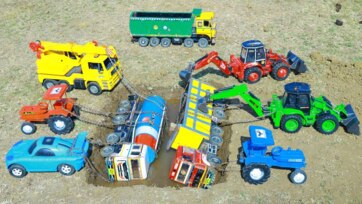
Modern educational media for young children has transformed into a sophisticated, visually immersive ecosystem that leverages bold imagery, anthropomorphic characters, and strategic social modeling. This approach doesn’t just entertain; it scaffolds cognitive development, social understanding, and emotional regulation, giving children concrete tools to navigate both their physical environment and complex social dynamics. Abstract concepts—like physics, economic disparity, and internal emotional states—are rendered tangible through playful, vibrant visuals, allowing children to learn through observation and interaction before they can articulate these ideas verbally. The following analysis explores the pedagogical themes in contemporary visual narratives, highlighting their impact on cognition, emotion, life skills, and environmental understanding. Cognitive Logic: Categorization, Sequencing, and Mechanics Visual stimuli are the engines of early logical development, helping children decode order, identify patterns, and understand physical interactions without relying on verbal instruction. By making abstract relationships visible, these media experiences build the foundation for reasoning, problem-solving, and critical thinking. Chromatic Reasoning and Sequential Understanding Color is more than decoration; it is a cognitive tool. Bold primary palettes guide children in categorization, attribute recognition, and sequential thinking. Sequential Sorting: For example, a child navigating a pink tractor pulling a train of multicolored ice cream trailers—red, yellow, green, and blue—learns to track order, group like items, and understand progression. Anatomical Exploration: Glowing skeletons in bright hues introduce anatomy in a non-threatening way, helping children recognize structure, symmetry, and individual differences within a category. Identity Mapping: Characters holding objects shaped like themselves—a white creature clutching an orange popsicle in its silhouette—teach children to connect identity with representation and temporal awareness, especially when paired with “1 HOUR” or “2 HOURS” timestamps. This approach encourages children to actively search for patterns and make connections, creating mental frameworks for later math, science, and literacy skills. Mechanical Concepts and Collaborative Problem-Solving Interactive mechanical scenarios illustrate the principles of physics and teamwork in tangible ways. Complex Recovery Operations: Visuals of a crane, tractor, and excavator working together to free two mud-stuck trucks teach concepts like leverage, tension, and coordination. Children understand that multi-part problems often require collaborative effort. Interdependent Systems: A baby suspended amid interlocking gears demonstrates how elements in a system rely on one another, providing an intuitive grasp of mechanics and cause-effect relationships. Forces and Opposition: Tug-of-war scenes, with characters pulling on ropes attached to oversized scissors, illustrate opposing forces, resistance, and the balance of effort in a memorable, playful format. Rules and Authority: Depictions of “police babies” or law-enforcing animals managing scenarios—like guiding a mermaid on a beach—introduce children to social roles and communal responsibility in a vivid, approachable way. Through these visuals, children gain an early appreciation for structure, interdependence, and the practical applications of physics in everyday life. Social-Emotional Learning (SEL): Reflection, Empathy, and Resilience Visual media provides a vocabulary for internal states, helping children recognize, process, and communicate emotions. By presenting exaggerated expressions and fantastical scenarios, these narratives allow children to safely explore fear, excitement, and moral choices. Mirroring Complex Emotions Children often lack the language to articulate feelings, so visuals serve as emotional translators. Shock and Surprise: Wide-eyed, gasping characters reacting to a T-Rex in a living room or a strawberry with a missing chunk signal alarm and teach children that such responses are universal. Environmental Awareness: The contrast between a startled character and a calm large bee models that individuals react differently to the same stimulus, introducing perspective-taking. Social Horror and Transformation: Watching a peer’s cup-headed transformation or a drastic physical change sparks discussion about exclusion, fear of the unknown, and social adaptation. Identity Boundaries: Characters with glowing eyes or fangs allow exploration of “otherness” and the act of masking emotions, offering a framework for understanding differences among peers. By normalizing a wide range of responses, children develop coping strategies and resilience when facing unexpected situations. Modeling Empathy and Care Beyond self-awareness, these narratives provide visual templates for nurturing and cooperation. Caring for Others: Scenes of one child bringing lemon water and a thermometer to a sick peer teach empathy, attention to needs, and practical care routines. Environmental Stewardship: A child shielding a lamb from rain demonstrates responsibility for protecting weaker or vulnerable beings. Cross-Species Interaction: Animals playing sports or sharing toys illustrate collaboration, patience, and empathy beyond human interactions, expanding social understanding and reinforcing ethical behavior. These visual lessons create a feedback loop where children see compassionate behavior, practice it in play, and internalize social norms. Life Skills: Hygiene, Responsibility, and Community Transforming routine tasks into imaginative adventures reduces resistance to societal expectations and health habits. Hygiene as Play Invisible threats like germs are brought to life as fun, tangible villains, turning health routines into empowerment exercises. Automated Cleaning: A police dog navigating a car wash with giant brushes reinforces the habit of systematic cleaning, linking maintenance with playfulness. Joyful Hygiene: Bathing scenes with colorful bubbles and smiling creatures associate personal care with sensory enjoyment, reducing aversion and building positive habits. Financial Literacy and Social Roles Introducing social and economic structures visually helps children grasp inequality, labor, and responsibility. Economic Symbolism: Contrasting characters with stacks of money and “money houses” against peers with brooms and cardboard homes provides early exposure to wealth disparity and aspiration. Authority and Fairness: Recurrent imagery of “police babies” and animal officers distributing resources like heart-shaped pizzas underscores fairness, rule-following, and communal cooperation. Through playful scenarios, children begin to understand responsibility, social participation, and the consequences of action in structured environments. Environmental Literacy and Resource Awareness Visual narratives foster respect for nature and the origins of resources while promoting curiosity and ecological thinking. Agricultural Systems: A monkey transporting a banana harvest introduces the labor chain behind food production, highlighting cause-effect relationships and resource management. Communal Rewards: Sharing heart-shaped pizzas among characters illustrates the social value of generosity, cooperation, and collective joy. Biodiversity and Wonder: Feeding giraffes, encountering calves, or observing prehistoric creatures nurtures curiosity, empathy for living beings, and a sense of interconnectedness with the natural world. By integrating human, animal, and ecological perspectives, children develop early environmental literacy, laying the foundation for future stewardship. Conclusion: Bridging Screens and Reality The visual landscape of modern early childhood media is a carefully curated tapestry, supporting holistic development. Saturated colors teach logic, expressive faces validate emotions, and cooperative challenges model teamwork. Beyond entertainment, these narratives act as bridges between digital screens and real-world experiences, equipping children with cognitive, social, and emotional skills in a layered, interactive format. Whether navigating colorful ice cream trailers, rescuing stuck vehicles, or caring for peers and animals, children develop a robust foundation—one visual frame at a time—preparing them to approach life with curiosity, empathy, and confidence.  
How Tom and Jerry Helps Children Learn Life Skills
“Tom and Jerry” is one of the most iconic cartoons for children worldwide. While it is primarily fun and entertainment, it also teaches important life skills in subtle and engaging ways. By watching the cat-and-mouse duo, children learn about creativity, strategy, resilience, emotional intelligence, problem-solving, and social interaction, all of which are essential for healthy development. This article explores how Tom and Jerry go beyond comedy to provide children with practical life lessons, making it both educational and entertaining. Encourages Creative Thinking One of the most noticeable lessons from Tom and Jerry is creativity. Jerry consistently uses clever methods to escape Tom’s traps. Children watching these episodes learn that: Everyday objects can have multiple uses. Thinking outside the box can solve challenges. Imagination helps overcome obstacles, even in playful scenarios. Example Episode: In The Million Dollar Cat, Jerry manipulates objects creatively to escape, showing children that challenges can be solved with smart thinking instead of force. Practical Tip for Parents: Ask children to invent safe “traps” or creative solutions inspired by Jerry. Encourage them to draw or write alternate endings, boosting storytelling and problem-solving skills. Teaches Strategic Planning and Patience Tom is impulsive and often fails because he acts without thinking, while Jerry shows patience and strategic planning. Children can learn that: Planning ahead increases chances of success. Patience is important when solving complex problems. Adapting strategies is better than giving up. Example Episode: In The Two Mouseketeers, Jerry waits for the right moment to act, showing children how timing and strategy matter. Parent Tip: Discuss with children why Jerry succeeds and Tom fails. Relate this to real-life examples, such as school assignments, sports, or personal projects. Builds Resilience and Coping Skills Tom faces repeated failures yet continues to try. This demonstrates resilience and coping with setbacks—key life skills for children. Lesson for Kids: Failing is a natural part of learning. Persistence leads to better results. Flexibility and creativity help overcome challenges. Activity Idea: After watching, ask children: “What would you do if you were Tom?” Encourage brainstorming alternative solutions to reinforce adaptability and resilience. Promotes Emotional Intelligence The exaggerated expressions of Tom and Jerry help children identify emotions such as joy, frustration, surprise, and anger. Recognizing emotions in others improves empathy and social awareness. Parent Tip: Pause episodes to ask children how characters feel and why. Encourage children to express their own emotions through storytelling or drawing. Example: In Solid Serenade, Tom’s frustration and Jerry’s clever responses show how emotions can influence decisions, teaching children to interpret feelings constructively. Strengthens Problem-Solving Skills Problem-solving is a consistent theme in Tom and Jerry. Children learn that: Every problem has multiple solutions. Thinking creatively and observing details is essential. Mistakes are opportunities to learn. Example: In Cat and the Mermouse, Jerry navigates a complex scenario using logic and observation, showing children that analyzing situations carefully leads to success. Parent Tip: Ask children to predict what will happen next during an episode. Have them explain why a character’s solution worked or failed, reinforcing reasoning skills. Teaches Cause and Effect Tom and Jerry episodes consistently demonstrate cause-and-effect relationships, helping children understand the consequences of actions. Examples: Tom sets a trap, which backfires. Jerry’s clever escape prevents failure. Small decisions in a sequence can have big impacts. Life Lesson: Actions have consequences, even in playful scenarios. Thinking before acting reduces mistakes in real-life situations. Encourages Social Skills and Cooperation Although Tom and Jerry are rivals, some episodes feature temporary teamwork or helping behaviors. Children learn that: Cooperation can solve complex problems. Conflicts can sometimes be resolved with clever negotiation or temporary alliances. Observing social dynamics improves understanding of relationships. Practical Tip: Role-play episodes where children act as Tom and Jerry, encouraging teamwork, strategy, and social interaction. Discuss scenarios where characters could have worked together for a better outcome. Promotes Cognitive Development The combination of visual storytelling, timing, and sequencing helps children: Follow complex events logically. Identify patterns and anticipate outcomes. Strengthen memory and comprehension skills. Activity Idea: Create a “predict the ending” game where children guess the outcome of a scene before it happens. Discuss reasoning behind their predictions to boost critical thinking. Combines Fun with Physical Activity Tom and Jerry inspire role-play games that encourage movement, exercise, and coordination. Children can act out chase sequences safely indoors or outdoors. Examples: Obstacle courses inspired by episode settings. Soft toy chase games mimicking Tom and Jerry. Creative movement exercises with music, similar to the cartoon’s soundtrack. Benefit: Promotes physical fitness, motor skills, and active play while reinforcing story understanding. Practical Tips for Parents Interactive Viewing: Pause and discuss emotions, strategies, and outcomes. Story Retelling: Encourage children to narrate favorite episodes in their own words. Creative Play: Incorporate role-playing or drawing inspired by the show. Balanced Screen Time: 20–30 minutes per day ensures entertainment doesn’t replace other learning activities. Connect to Real Life: Discuss lessons learned, like problem-solving, patience, and resilience. Fun Facts About Tom and Jerry The series has won seven Academy Awards for animated shorts. Tom and Jerry are recognized worldwide, including Pakistan, India, the USA, and Europe. The episodes originally relied on music, sound effects, and physical comedy rather than dialogue. Inspired toys, video games, comics, and movies, making it a multi-platform phenomenon. Conclusion While Tom and Jerry are often seen as just a comedy cartoon, they teach important life skills in a fun and engaging way. Children learn: Creative thinking and innovation. Patience, strategy, and planning. Resilience and coping with failure. Emotional intelligence and empathy. Cause-and-effect and problem-solving. Social skills, cooperation, and teamwork. Parents can enhance these benefits by interacting with children during episodes, encouraging discussion, role-play, and creative activities. With thoughtful engagement, Tom and Jerry become more than entertainment—they become a developmental tool that nurtures cognitive, emotional, and social growth in children.  
Advertisement
The Magical World of Learning
Choosing Your Dream School! Hello, young explorers! Today we are looking at a very exciting picture that looks like it came straight out of a candy store or a toy box. Imagine waking up one morning, grabbing your backpack, and finding three different, magical schools waiting for you. Which one would you choose? This is a story about big choices, bright colors, and why school is such a fun place to be! A Tale of Three Schools In our picture, we see a boy with a blue backpack who looks very surprised. He is pointing at three amazing buildings. All of them have the word "SCHOOL" written on them, but they all look very different. Let's explore each one together! The Building Block School The first school on the left is made entirely of colorful building blocks! The Colors: It has red, yellow, blue, and green blocks all stacked up perfectly. The Path: The sidewalk leading to the door is also made of blocks. The Vibe: This looks like a school for builders and creators. If you love playing with LEGOs or stacking blocks at home, this might be your dream school! The Purple Slime School The school in the middle is the most mysterious one. It looks like it is made of gooey, purple slime! The Look: The roof and the walls are dripping, and even the path is a melted purple puddle with holes in it. The Vibe: This looks like a school for scientists and artists who love to get messy. Can you imagine a school where you can touch the walls and they feel like jelly? The Gumball School The third school on the right is covered in thousands of tiny, colorful gumballs or marbles! The Texture: It looks bumpy and very bright, with a yellow roof and white windows. The Path: The path is a river of rainbow balls. The Vibe: This school looks like a giant party. It’s for kids who love energy, candy, and playing games. Why Does the Boy Look So Surprised? If you saw a purple slime school, you would probably have a big "O" shape on your face too! The boy in the yellow shirt is showing us that the world is full of wonders. The Joy of Discovery When we are kids, everything is new. Seeing these schools reminds us that learning doesn't have to be boring. It can be an adventure! The boy isn't scared; he is curious. He is asking us, "Can you believe this is real?" Making Big Decisions Choosing a school is a big deal. Do you want to build things? (The Block School) Do you want to explore messy science? (The Slime School) Do you want to play and be colorful? (The Gumball School) Thinking about these choices helps our brains grow and helps us understand what we like most. The Importance of Time Did you notice that every school has a big clock at the top? The Block School: The clock says it's almost 10 o'clock. The Slime School: Its clock shows a different time. The Gumball School: Its clock is also ticking away. Learning to Tell Time Clocks at school are very important. They tell us when it's time for morning snacks, when it's time to go to the playground, and when it's time to go home to see our families. Looking at these clocks is a great way to start learning how the big hand and the little hand work! Every Minute is a Lesson In a magical school, every minute is used for something fun. One minute you are counting blocks, the next you are mixing purple slime, and after that, you are sorting gumballs by color! Exploring the Rainbow of Colors This picture is a "feast for the eyes" because it uses every color in the rainbow. Red, Yellow, and Blue These are Primary Colors. Yellow: The boy's shirt and the roofs are yellow. It makes us feel happy and sunny. Blue: The sky and the boy's backpack are blue. It makes the world feel big and calm. Red: Found on the blocks and the "SCHOOL" signs. It catches our attention and tells us something important is happening. Purple and Green These are Secondary Colors. Purple: The slime school is purple, which is often a color used for magic and mystery. Green: The grass and the trees in the background are green. They remind us that even in a magical world, nature is all around us. What Happens Inside These Schools? We can see the outside, but let's use our imagination to peek inside the doors! Inside the Block School Inside, the desks are probably giant blocks. Instead of writing on paper, maybe the students build their answers! If the teacher asks, "What is 2 + 2?", the kids snap four blocks together. Inside the Slime School Everything inside is probably bouncy. Instead of chairs, maybe there are giant purple beanbags. The students might learn about liquids and how things melt and stretch. Inside the Gumball School Imagine a classroom filled with a ball pit! To learn how to count, you might dive into the gumballs and find all the blue ones. It would be the loudest, most fun classroom ever. School is for Everyone Even though these schools look very different, they all have one thing in common: they are places for kids to go and grow together. Meeting New Friends No matter which path the boy chooses, he will find other kids there. In the block school, he'll find friends to build towers with. In the slime school, he'll find friends to make art with. School is where we learn how to be a good friend and how to share our toys (and our slime!). The Teachers are Heroes Imagine the teachers in these schools! The block school teacher is probably a master architect. The slime school teacher is probably a wizard! Teachers are there to guide us and keep us safe while we learn. Conclusion: Your Adventure Awaits! The world is a very big place, just like the field in the picture. You might not have a school made of gumballs in your neighborhood, but your school is special in its own way. It has books, it has a playground, and most importantly, it has you! The boy in the yellow shirt is ready for his first day. He has his backpack on and his finger pointing toward the future. Whether you like blocks, slime, or gumballs, remember that learning is the most magical thing you can do.