Hens and Their Chicks: Fascinating Lessons for Kids

Hens and their chicks are some of the most interesting animals for children to learn about. Watching a mother hen care for her chicks teaches kids about family bonds, responsibility, and life cycles, while observing their behavior promotes curiosity, empathy, and early learning skills.

In this article, we explore everything about hens and their chicks: behavior, life cycle, parenting instincts, care, and fun activities for kids.

  1. Introduction to Hens and Chicks

A hen is an adult female chicken, known for her nurturing instincts and daily farm activities. Her chicks, or baby chickens, are tiny, fluffy, and extremely curious about their surroundings.

Why Kids Love Hens and Chicks:

  • Fluffy, soft chicks are adorable and easy to relate to.
  • Watching hens guide and protect their chicks teaches children about care, responsibility, and protection.
  • Chick behavior is playful and curious, which encourages observation and engagement.

Parent Tip:

  • Even if children cannot touch hens, watching videos or visiting a farm can teach them about animal behavior and empathy.
  1. Life Cycle of Hens and Chicks

Understanding the life cycle of chickens is both educational and fascinating for children:

  1. Egg Stage: Hens lay eggs after mating. The eggs contain embryos that will develop into chicks.
  2. Incubation: The hen sits on her eggs for about 21 days to keep them warm and safe.
  3. Hatching: Chicks break through the eggshell, often with help from the mother.
  4. Chick Stage: Chicks are small, fluffy, and rely on the hen for warmth and protection.
  5. Growth: Chicks grow quickly, learning to eat, explore, and interact with other chicks.
  6. Adulthood: They mature into hens or roosters and may eventually have their own chicks.

Activity Idea:

  • Have children draw or sequence the chicken life cycle. This develops memory, sequencing, and comprehension skills.
  1. Behavior of Hens and Chicks

Hens are excellent examples of maternal care in animals. Children can learn valuable lessons from observing them:

  • Protection: Hens shelter their chicks under their wings to keep them warm and safe.
  • Guidance: Hens teach chicks to eat, drink, and avoid dangers.
  • Communication: Hens cluck softly to guide their chicks, and chicks chirp to respond.
  • Exploration: Chicks follow the hen while exploring their environment.

Parent Tip:

  • Ask children, “Why does the hen cover her chicks?”
  • Discuss the idea of family care, guidance, and responsibility, connecting animal behavior to human values.
  1. Diet and Nutrition

Hens and chicks have slightly different diets:

  • Chicks: Start with soft, small grains and chick starter feed.
  • Hens: Eat grains, seeds, insects, and greens.
  • Proper nutrition ensures healthy growth, strong feathers, and active behavior.

Learning Opportunity for Kids:

  • Discuss how nutrition helps animals grow, and compare it to children’s healthy eating habits.
  • Children can participate in feeding supervised chicks, learning about responsibility and care.
  1. Physical Development of Chicks

Chicks grow rapidly within weeks:

  • Their soft down is replaced by feathers as they mature.
  • They start exploring, running, and following the hen.
  • Social interactions among chicks teach teamwork, play, and social skills.

Activity Idea:

  • Encourage children to observe chick behavior and note differences between younger and older chicks.
  • Create a chick growth chart, teaching measurement, counting, and observation.
  1. Hens as Teachers

Hens naturally teach chicks many life skills, and children can learn alongside them:

  • Safety Awareness: Hens show chicks what to eat and what to avoid.
  • Problem-Solving: Chicks figure out how to reach food or water.
  • Social Interaction: Chicks learn to communicate with siblings and their mother.
  • Routine Understanding: Chicks follow daily routines like eating, sleeping, and exploring.

Parent Tip:

  • Relate these lessons to human behavior: teamwork, problem-solving, and following routines.
  1. Fun Facts About Hens and Chicks
  • Hens can recognize over 100 individual faces, including humans.
  • Chicks chirp more when separated from their mother, showing attachment.
  • Hens can lay almost one egg per day, depending on breed and environment.
  • Chickens have excellent memory and navigation skills, helping them find food and recognize their home area.
  • Chicks are naturally curious and love to explore new objects, which encourages observation and early learning skills.
  1. Educational Activities for Kids
  1. Farm Visits: Supervised visits to observe hens and chicks in action.
  2. Storytelling: Create fun stories about a hen and her chicks exploring the world.
  3. Arts and Crafts: Make chick puppets, feather crafts, or draw life cycles.
  4. Interactive Videos: Watch educational clips about chicks hatching and learning to eat.
  5. Animal Journals: Record chick behavior and growth, teaching writing, observation, and science skills.

Parent Tip:

  • Encourage children to ask questions about behavior and life cycles, promoting curiosity and reasoning.
  1. Lambs vs Chicks: Lessons in Comparison

Comparing lambs and chicks can teach children critical thinking and observation:

  • Lambs are larger and need more space; chicks are smaller and follow their mother closely.
  • Both animals rely on their parents for protection and guidance.
  • Both show playful behavior but in different ways: lambs jump and run; chicks explore and peck.

Activity Idea:

  • Create a Venn diagram comparing lambs and chicks.
  • Discuss similarities and differences, reinforcing analytical skills.
  1. Parenting Tips for Teaching About Hens and Chicks
  • Supervised Interaction: Always monitor children around live chicks.
  • Gentle Handling: Teach children to be gentle and calm around animals.
  • Hygiene: Wash hands after touching chicks or eggs.
  • Observation and Discussion: Ask children to explain behavior, fostering critical thinking and vocabulary.
  • Connect to Life Lessons: Talk about family care, protection, growth, and responsibility using hens and chicks as examples.

Conclusion

Hens and their chicks are more than cute farm animals—they are living teachers. Observing them can help children develop:

  • Curiosity and observation skills.
  • Empathy and understanding of care and protection.
  • Knowledge of life cycles, nutrition, and growth.
  • Social skills through interactions and family dynamics.
  • Responsibility and appreciation for nature.

Parents can maximize the learning potential by visiting farms, creating activities, telling stories, and encouraging supervised interaction. With thoughtful engagement, children not only enjoy the adorable chicks and protective hens but also gain valuable life lessons and a love for animals and nature.


Advertisement
How Educational Cartoons Help Children Learn Faster
In today’s digital world, children are exposed to screens earlier than ever before. Many parents worry that cartoons are only entertainment, something that distracts kids rather than helps them grow. But when designed thoughtfully, educational cartoons can actually support brain development, emotional balance, and everyday learning. For websites that provide children’s cartoons along with written content, this combination can become a powerful learning environment. Visual storytelling does not replace education. It becomes a bridge between play and understanding. Let’s explore how this “visual-first” learning style helps children develop essential life skills while they enjoy the content they love. Why Children Naturally Learn Better Through Visual Content Young children do not learn the same way adults do. They are not ready for long explanations or abstract ideas. Their brains respond strongly to movement, colour, sound, and facial expressions. This is why a child may forget verbal instructions but clearly remember what a cartoon character did hours earlier. Visual learning works because it activates observation, memory, and emotion at the same time. Instead of memorising, children experience the lesson. For example, when a cartoon character organises toys by colour or shape, the child understands sorting without being formally taught. The brain absorbs patterns naturally through repetition. Developing Early Thinking Skills Without Pressure Before children learn reading or mathematics, they begin building logical thinking. Educational cartoons introduce these ideas in ways that feel like fun rather than study. Learning Colours, Patterns, and Matching Bright visuals help children identify similarities and differences. When children group objects by colour or match items together, children begin understanding categorisation. This simple activity is actually the foundation of: Mathematical thinking Problem-solving ability Memory organization These skills develop quietly while children watch engaging stories. Understanding Cause and Effect Through Stories Cartoons often show clear results from actions. A character makes a mistake, fixes it, and learns something. These sequences teach children that actions have consequences. This builds early reasoning skills, helping children predict outcomes and make better choices in real life. How Cartoons Support Emotional Development Children feel emotions deeply but often cannot explain them. Educational cartoons give them a safe way to understand feelings. Recognising Emotions Through Expressions When characters show happiness, fear, sadness, or excitement, children begin identifying those same emotions within themselves. A child watching a nervous character try something new realises that feeling unsure is normal. This helps reduce anxiety and encourages confidence. Learning Kindness and Empathy Naturally Stories that include helping, sharing, or comforting others model positive behaviour. Children copy what they see. Instead of hearing “be kind,” they witness kindness in action. This visual modelling is one of the strongest tools in early childhood learning. Teaching Everyday Life Skills Through Storytelling One major benefit of educational cartoons is their ability to turn routine tasks into exciting adventures. Encouraging Healthy Habits When characters brush teeth, clean up, or wash hands as part of the story, children start associating these habits with positivity rather than resistance. Parents often notice children repeating these actions voluntarily because they saw their favourite character do the same. Building Responsibility Through Role Play Cartoons frequently show characters taking on simple responsibilities like helping friends, completing tasks, or solving problems. This encourages children to try things independently, which builds self-confidence and decision-making ability. Boosting Creativity and Imagination Imagination is not just entertainment. It plays a key role in intellectual growth. Children who engage in imaginative thinking develop stronger creativity and flexibility in solving problems. Cartoons often transform ordinary situations into playful adventures. A cardboard box becomes an aeroplane. A backyard becomes a jungle. These ideas inspire children to explore creativity in their own surroundings. Creative thinking later supports: Writing and storytelling Innovation and curiosity Adaptability in learning Children begin to see possibilities instead of limitations. Introducing Children to the World Around Them Educational cartoons also help children understand real-life environments they may not experience daily. Learning About Nature and Food Stories that include animals, farms, or gardens introduce children to where food comes from and how living things grow. This builds awareness about healthy eating and respect for nature. For children growing up in cities, these visuals create an early connection to the natural world. Understanding Community Roles Cartoon characters often perform helpful roles like drivers, helpers, builders, or caregivers. These portrayals teach children that every role contributes to society. This understanding encourages cooperation and respect for others. Helping Children Manage Fear and New Experiences Children often face situations they find confusing or scary, such as visiting a doctor, meeting new people, or trying something unfamiliar. Cartoons present these experiences in a gentle and reassuring way. Characters may feel nervous but eventually succeed, showing children that fear is temporary and manageable. This emotional preparation helps children approach real-life situations with greater confidence. Encouraging Social Skills Through Story-Based Interaction Watching characters interact teaches children how relationships work. They learn about: Taking turns Sharing space Resolving disagreements Helping others These lessons prepare children for school environments where cooperation is essential. Children begin practising these behaviours naturally during playtime. The Difference Between Educational Cartoons and Pure Entertainment Not every cartoon offers developmental value. Fast-paced content filled only with noise and action may entertain but does little to support learning. Educational cartoons focus on clarity, repetition, and meaningful storytelling. They allow children time to understand and absorb ideas rather than simply react. Quality matters far more than quantity when it comes to screen time. How Parents Can Make Cartoon Time More Meaningful Parents do not need to eliminate screen time. Instead, they can guide it. Simple involvement makes a big difference: Talking briefly about what the child watched Connecting lessons to daily routines Encouraging children to imitate positive actions These small interactions turn passive watching into active learning. Why Kids’ Websites That Combine Cartoons and Articles Are Important Websites that provide both engaging videos and thoughtful written content offer more than entertainment. They create a structured learning space for families. Children enjoy the visuals, while parents understand the purpose behind the content. This balance builds trust and ensures screen time is used productively. Such platforms support both engagement and education without overwhelming young learners. A Modern Approach to Learning in the Digital Age Digital media is now part of childhood. Instead of resisting it completely, parents can choose content that supports development. Educational cartoons align with how children naturally learn—through seeing, feeling, and repeating experiences. When used wisely, they do not replace real-world learning. They prepare children for it. Final Thoughts: Turning Screen Time Into Growth Time Cartoons can either be noise or nourishment for a child’s mind. The difference lies in choosing content designed to teach through storytelling. Educational cartoons help children: Develop thinking skills Understand emotions Build confidence Learn everyday habits Explore creativity When combined with thoughtful guidance from parents, these visual experiences become stepping stones toward lifelong learning. Screen time does not have to be a struggle. With the right approach, it becomes an opportunity—one story, one lesson, and one smile at a time.  
Advertisement
The Joy of the Open Road
Adventure and Companionship There is a timeless magic found in the concept of a road trip—the winding asphalt, the passing scenery, and the shared excitement of heading toward a new destination. For many, these journeys are less about the final stop and more about the quality time spent with those in the passenger seat. Whether it is a real-life trek across the country or a digital adventure in a colorful world, the themes of travel and companionship resonate deeply with explorers of all ages. Through the lens of modern animation and storytelling, we see how the "journey" can be used as a powerful metaphor for growth, friendship, and discovery. By putting characters in the driver's seat, creators allow audiences to experience the thrill of the unknown alongside their favorite personalities. The Anatomy of a Perfect Road Trip What makes a drive through the countryside so special? It is a combination of environmental beauty and the specific atmosphere of the vehicle. The Scenic Backdrop A classic journey often takes place against a backdrop of rolling hills and lush greenery. The Evergreen Forest: Tall, conical pine trees lining the road provide a sense of structure and rhythm to the passing view. The Infinite Horizon: Under a bright, clear sky with soft white clouds, the road seems to stretch on forever, representing endless possibilities. The Winding Road: A smooth, two-lane highway with clear markings invites the traveler to keep moving forward, curious about what lies around the next bend. The Vessel of Adventure The vehicle itself is more than just a machine; it is a mobile sanctuary. A Pop of Color: Brightly colored cars, such as those in shades of cyan or turquoise, stand out against the natural greens and browns of the landscape, symbolizing the vibrancy of the travelers within. The Convertible Experience: An open-top car removes the barrier between the travelers and the world, allowing them to "feel" the air and see the sky without obstruction. Personal Touches: From the rearview mirror to the dashboard, the interior of a car becomes a small, intimate stage where the story of a friendship unfolds. The Dynamics of Companionship The heart of any great trip is the relationship between the driver and the passenger. Shared Happiness and Communication When two individuals embark on a journey, they are committing to a shared experience. Joyful Expressions: Wide smiles and bright, engaged eyes are the universal signals of a good time. Seeing characters enjoy each other's company reinforces the idea that life is better when shared. The Driver's Focus: A steady hand on the wheel and a calm gaze forward show a sense of responsibility and confidence. The Passenger's Wonder: Looking out through the windshield with excitement allows the passenger to act as the "eyes" of the journey, pointing out the beauty along the way. Contrast and Harmony Often, the most interesting traveling duos are those who complement each other through their differences. Whether it is a contrast in color—such as a sleek white character next to a warm brown one—or a difference in personality, these pairings show that diversity makes a team stronger. Visual Storytelling in Animation Animation uses specific techniques to make the audience feel like they are part of the drive. First-Person Perspective By placing the "camera" just behind the dashboard, the viewer feels like they are sitting in the back seat. This creates an immersive experience where we see exactly what the characters see—the road ahead, the trees passing by, and the clear blue sky. Expressive Features Characters in these worlds often have large, expressive eyes that act as windows to their emotions. Vibrant Colors: Eyes in shades of bright green or deep blue draw the viewer's attention and make the characters feel more "alive" and relatable. Exaggerated Smiles: Wide, cheerful mouths help convey a sense of pure, uncomplicated happiness that is infectious to the audience. Lessons for Young Explorers Beyond the fun, there are many subtle lessons tucked away in a story about a road trip. The Importance of Safety Even in a world of talking animals and magical roads, safety is key. Seeing characters sitting securely in their seats and focusing on the road ahead teaches children that while adventure is fun, being careful is what allows the adventure to continue. Navigating Change A road trip is all about transition. Moving from one place to another helps children understand the concept of time and distance. It teaches them that even if the scenery changes, the people (or pets!) with them remain a constant source of comfort. Appreciation for Nature By highlighting the beauty of the trees and the sky, these stories encourage children to look out their own windows during real-life car rides. It fosters an early love for the environment and a curiosity about the world outside their own neighborhood. Conclusion: The Road That Never Ends The image of two friends driving toward the horizon is a powerful symbol of hope and happiness. It reminds us that no matter where we are going, the most important part of the journey is the smile on our faces and the friend by our side. As the road winds through the green pines and under the sunny sky, we are reminded that every day is a new opportunity for an adventure. So, buckle up, check the mirror, and get ready to see what’s around the next corner—the world is waiting for you!
How Edutainment Builds Thinking, Emotion, and Life Skills
In modern early childhood development, visual media has become far more than a source of entertainment. It now acts as a structured learning environment that supports cognitive scaffolding and social-emotional growth. Through high-contrast digital visuals, expressive characters, and relatable real-life scenarios, educational content helps young children interpret the world before they fully develop language or literacy skills. What may appear to adults as simple animated storytelling is, in reality, a carefully designed system that nurtures logic, empathy, responsibility, and curiosity. These visual narratives function as a developmental bridge between observation and understanding, allowing children to internalize foundational concepts naturally. How Visual Learning Shapes Early Brain Development Children in their early years learn primarily through sensory engagement rather than verbal explanation. Their brains respond strongly to color, movement, repetition, and facial expression. Educational media uses these elements intentionally to create recognizable patterns that support memory formation and reasoning skills. By repeatedly seeing structured visual sequences, children begin to predict outcomes, recognize similarities, and organize information. This process builds neural pathways associated with analysis and comprehension long before formal education begins. Teaching Logic and Categorization Through Color and Pattern Recognition One of the earliest cognitive skills children develop is the ability to sort and classify objects. Educational visuals use bold color schemes and organized arrangements to encourage this process. When objects appear in consistent sequences—such as a progression of colors across vehicles or characters—children begin to understand order and grouping. This exposure introduces pre-mathematical thinking, helping them grasp concepts like sets, comparison, and structure without needing numerical instruction. Matching activities, where objects align with corresponding spaces or attributes, strengthen spatial awareness and working memory. These scenarios teach children to observe differences, make associations, and solve simple visual problems independently. Introducing Cause-and-Effect Through Mechanical Storytelling Many early learning scenarios feature tools, vehicles, or collaborative problem-solving situations. These narratives provide a safe introduction to physical principles such as effort, resistance, and cooperation. When children watch characters using tools to overcome obstacles or working together to achieve a goal, they begin to understand that actions lead to outcomes. These experiences quietly introduce foundational scientific thinking by demonstrating: Tools extend human capability Challenges can be solved through strategy Collaboration increases effectiveness This early exposure builds confidence in problem-solving and encourages curiosity about how things work. Supporting Emotional Intelligence Through Visual Expression A key component of modern children’s media is social-emotional learning (SEL). Young children often struggle to identify their own feelings, and visual storytelling provides them with the vocabulary to do so. Clear emotional expressions—joy, sadness, surprise, or concern—serve as visual cues that help children connect internal sensations with recognizable behaviors. By observing these signals repeatedly, children learn to label emotions and respond appropriately. Narratives that explore fear, uncertainty, or change allow children to process complex feelings within a controlled environment. These stories reassure them that emotional experiences are normal and manageable. Teaching Empathy and Social Interaction Through Character Relationships Simulated interactions between characters mirror real-life social situations such as sharing, waiting, helping, or resolving disagreements. Children observing these exchanges begin to understand boundaries, fairness, and cooperation. Seeing one character assist another reinforces the idea that recognizing and responding to others’ needs is an important social skill. These early lessons form the groundwork for empathy and effective communication later in life. Transforming Daily Routines into Positive Behavioral Habits Educational media often reframes routine activities—such as hygiene or organization—as engaging experiences rather than obligations. By turning everyday objects into friendly characters or playful participants, children perceive these tasks as part of an enjoyable routine. This approach reduces resistance to necessary habits while reinforcing consistency. Repetition through storytelling helps children internalize behaviors like self-care and responsibility without feeling pressured. Encouraging Creativity and Confidence Through Imaginative Role-Play Imaginative scenarios, where children take on roles such as builders, drivers, or explorers, promote both creativity and self-efficacy. These narratives demonstrate that problem-solving and exploration are achievable using simple tools or materials. Role-playing builds a sense of agency. Children begin to see themselves as capable individuals who can create, experiment, and lead their own activities. This confidence supports independence and motivates active participation in learning. Introducing Community Awareness and Environmental Understanding Nature-based and community-oriented themes expose children to the idea that resources and systems require effort, cooperation, and care. Visual depictions of farming, transportation, or shared responsibilities help children understand that everyday life depends on interconnected roles. These experiences foster early respect for teamwork, environmental stewardship, and contribution to collective well-being. Bridging Digital Experiences with Real-World Understanding One of the most significant strengths of visual educational media is its ability to connect screen-based experiences to real-life situations. When children later encounter similar objects, environments, or routines, they recall familiar narratives that help them interpret what they see. This transfer strengthens comprehension because learning has already been rehearsed visually. The child is not encountering something entirely new—they are recognizing a concept they have already explored. Why Purposeful Edutainment Matters More Than Ever In today’s technology-driven world, the presence of screens is unavoidable. The real distinction lies in whether content is passive or purposeful. Thoughtfully designed educational media can support development by: Enhancing early reasoning skills Strengthening emotional awareness Encouraging curiosity and creativity Reinforcing positive behaviors Preparing children for structured learning environments When aligned with developmental principles, visual storytelling becomes an extension of education rather than a distraction from it. Conclusion: A Visual Blueprint for Lifelong Learning The modern landscape of early childhood media represents a carefully constructed roadmap for the developing mind. Through intentional use of color, narrative, and interaction, these experiences teach logic, empathy, resilience, and responsibility in ways that feel natural to young learners. Each visual scenario serves as a bridge between imagination and reality, helping children translate what they see into how they think and behave. When used wisely, educational media does not replace real-world learning—it strengthens it, offering children a foundation upon which future knowledge and skills can grow. In essence, edutainment is no longer just about keeping children occupied. It is about shaping how they understand the world, one visual story at a time.  
The Origin of Nursery Rhymes – How These Songs Became Favorites for Children Worldwide
Nursery rhymes have been an essential part of childhood for centuries. These songs, with their cheerful tunes and simple, memorable lyrics, help children develop language and a sense of rhythm. But where do these iconic melodies come from? Historical Roots The oldest nursery rhymes in the English language can be traced back to the medieval period. For instance, “Baa Baa Black Sheep” is believed to have originated in 13th-century England, possibly as a commentary on the wool tax of the time. However, nursery rhymes truly gained popularity in the 17th and 18th centuries, when written collections like the famous Mother Goose stories were published. The first such collection appeared in France in 1695, and the concept soon spread to England and beyond. Hidden Messages Behind the Lines Interestingly, many nursery rhymes were not just simple children’s songs. They often contained political or social satire that adults could recognize. For example, the song “Ring Around the Rosie” is commonly (though controversially) thought to reference the Great Plague. Meanwhile, “Humpty Dumpty” is believed to tell the story of a cannon that fell during a siege. How Did They Become Songs for Children? By the 18th and 19th centuries, nursery rhymes increasingly became tools for entertaining and educating children. Their simple, repetitive lyrics and melodies made them easy for young ones to learn and helped develop speech, vocal skills, and rhythm. Moreover, these rhymes provided a sense of community, as singing them often brought families or school groups together. The Global Impact of Nursery Rhymes English nursery rhymes eventually spread worldwide and are now sung in many countries. At the same time, every culture has its own children’s songs, reflecting its unique traditions and stories. Thanks to the internet and digital technology, these songs are now accessible to children everywhere, ensuring that the joy of music and learning continues for generations. Why Do We Still Love Them Today? Nursery rhymes evoke nostalgia for childhood while teaching and entertaining simultaneously. Modern adaptations, animated videos, and interactive apps ensure that these timeless songs live on in new forms, continuing to captivate young audiences while preserving their traditional charm.
The Pulse of Punctuality: Navigating the Morning Rush
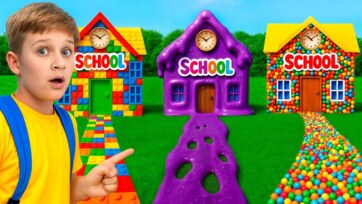
In the bustling landscape of childhood, few events carry as much weight, drama, and energy as the daily morning commute to school. It is a universal experience that blends responsibility with excitement, and sometimes, a dash of frantic urgency. The morning routine is a cornerstone of a child's developmental journey, teaching essential life skills such as time management, accountability, and the importance of community systems like the school bus network. When we observe the dynamics of a typical school morning, we see a complex interplay between individuals, technology, and the relentless ticking of the clock. This daily ritual serves as a profound classroom in itself, long before the first bell ever rings in a physical building. The Relentless Ticking of the Clock Time is the invisible director of the morning drama. For a young student, the clock is not just a tool for measurement; it is a living entity that dictates the pace of their entire world. Understanding the Analog Face While digital clocks are everywhere, the traditional analog clock remains a vital educational tool. Visualizing the Hour: A clock showing a time like 7:40 AM provides a visual representation of how much of the hour has passed and how little remains before a deadline. The Concept of 'Late': Seeing the hands move toward a specific mark helps children internalize the consequences of delay. Building a Routine: Successful mornings are built on a sequence of timed events—waking up, dressing, eating breakfast, and grabbing the backpack—all synchronized to the movements of those clock hands. The Physicality of Urgency When time begins to run short, the physical response in a child is immediate. The sudden sprint to the curb, the wide eyes of realization, and the tight grip on a blue and yellow backpack all signify a high-stakes moment in their daily narrative. This urgency, while stressful, helps build the cognitive connections between actions and their timely outcomes. The Iconic Yellow School Bus In many parts of the world, the large yellow bus is the ultimate symbol of the educational journey. It is a mobile classroom, a social hub, and a marvel of engineering designed specifically for the safety of the youngest citizens. A Beacon of Safety The bright yellow color of a school bus is chosen for its high visibility, ensuring that drivers can see it from a great distance in various weather conditions. Signal Lights: The flashing red and orange lights at the top of the bus act as an authoritative signal, telling the world to stop and wait while students embark. Sturdy Design: The large black grille and heavy-duty mirrors are built for durability and wide-angle visibility, allowing the driver to monitor every corner of the vehicle’s exterior. The Professional Driver: Behind the wheel is a dedicated individual, often depicted through friendly characters, who carries the immense responsibility of navigating busy streets while keeping a watchful eye on their young passengers. The Bus as a Community Hub For a child, boarding the bus is their first independent step into the community. It is where they meet friends, share stories, and transition from the private world of home to the public world of school. The bus is a shared space where rules must be followed and others must be respected, serving as a microcosm of society. The Emotional Spectrum of the Morning The morning rush is not just about physical movement; it is an emotional journey that ranges from panic to relief. The Shock of the Near-Miss There is a specific kind of "morning shock" that occurs when a student realizes they might miss their ride. Expressive Faces: Characters in children’s media often use exaggerated features—large blue eyes and open mouths—to convey this relatable feeling of surprise and mild alarm. The Adrenaline Rush: The physical act of running toward the bus with a backpack trailing behind is a vivid display of effort and determination. The Shared Experience: Even the characters inside the bus, like a driver with heart-shaped eyes, react to the drama unfolding on the sidewalk, showing that we are all connected in this daily cycle. The Relief of Arrival The moment the backpack hits the seat and the bus doors close, the tension of the morning evaporates. This cycle of stress and resolution helps children develop resilience, teaching them that even when things get a little frantic, they can still reach their goals through effort and focus. Responsibility and Self-Reliance The morning routine is perhaps a child's first major responsibility. It requires them to manage their belongings and their bodies in a coordinated way. Managing Belongings The backpack is the child’s survival kit for the day. Ensuring it is packed and ready to go is a lesson in foresight. Identification: Brightly colored gear, like a blue backpack with yellow accents, helps children keep track of their items in a busy school environment. Preparedness: The act of clutching the strap while running shows an instinctive understanding that their tools for learning are essential and must be protected. Developing a Sense of Self Navigating the morning successfully builds a child's confidence. Every time they make it to the bus on time, they are proving to themselves that they can handle the requirements of the adult world. They are no longer just passive participants in their day; they are the active "drivers" of their own progress. Conclusion: The Adventure in Every Day While the morning rush can feel like a series of obstacles to overcome, it is actually a rich tapestry of learning opportunities. It teaches us about the value of time, the importance of reliable systems like the school bus, and the strength we find when we push ourselves to be on time. As the big yellow bus rolls down the street, it carries more than just students; it carries the future. Every frantic sprint, every ticking second on the clock, and every friendly wave from the driver is a small but vital part of the grand adventure of education. So, grab your backpack, keep one eye on the clock, and get ready—the bus is almost here!  
Healthy Daily Habits Every Child Should Learn Early
Why Good Habits Matter for Children Good habits are like tiny seeds. When planted early, they grow into a strong and happy life. Children who learn simple routines—such as waking up on time, eating healthy food, and staying active—often perform better in school and feel more confident. Scientists who study child development explain that the brain builds patterns quickly during childhood. This means the habits you practice today can shape how you think, learn, and behave in the future. A child who learns discipline early does not struggle with it later. It becomes natural, like breathing. In many families, parents focus only on grades. But success is not made only from books. It comes from daily actions repeated again and again. Starting the Day the Right Way: Wake Up Early and Feel Fresh: Waking up early helps children feel active and ready to learn. Studies show that children who sleep on time and wake up early have better concentration and memory. Instead of rushing out of bed, take a minute to stretch your arms and legs. This wakes up your muscles and tells your brain, “It’s time to start!” Make Your Bed — A Small Win: Making your bed may sound like a tiny task, but it teaches responsibility. When children complete one small job in the morning, they feel proud. That pride builds confidence for the rest of the day. It is not about perfection. Even a simple arrangement of pillows works. Eat a Healthy Breakfast: Breakfast is brain fuel. Foods like eggs, milk, fruits, or whole-grain bread give energy that lasts longer than sugary snacks. Children who eat breakfast regularly often perform better in school activities and stay focused during lessons. Keeping the Mind Active Through Learning: Study a Little Every Day: Learning should not feel like punishment. Instead of studying for long hours, children should review lessons daily for short periods. Even 30 minutes of focused learning helps the brain remember better. Think of your brain like a muscle. The more you use it, the stronger it gets. Ask Questions Without Fear: Curious children become smart adults. If you do not understand something, ask. Every invention in the world started because someone asked, “Why?” There is no such thing as a silly question. Silence is the only real mistake. Read Beyond School Books: Reading storybooks improves imagination and language skills. Children who read regularly develop stronger communication abilities and creativity. A book can take you to space in the morning and under the ocean by evening. No ticket required. The Importance of Physical Activity: Play Outdoor Games: Running, jumping, and playing are not just fun—they are essential. Physical activity strengthens bones, improves heart health, and reduces stress. Health experts recommend at least 60 minutes of physical activity daily for children. This can include cycling, football, skipping rope, or even a fast walk. Reduce Screen Time: Too much time on mobile phones or tablets can slow down creativity and disturb sleep. Screens are entertaining, but they should not replace real-world play. A good rule is simple: Play more outside than inside the screen. Exercise Builds Confidence: Children who stay active often feel happier and more confident. Exercise releases chemicals in the brain that improve mood. That is why you feel good after playing your favorite game. Learning Responsibility at Home: Help with Small Household Tasks: Children should not grow up thinking responsibilities belong only to adults. Helping set the table, organizing toys, or watering plants teaches teamwork. These small actions create independence. A child who learns to manage simple tasks becomes an adult who can manage life. Keep Your Surroundings Clean: Clean spaces improve focus and reduce stress. When children learn to clean their study area, they also learn discipline and respect for their environment. A tidy desk leads to a tidy mind. Chaos, on the other hand, invites distraction. Value Time: Time management is a skill many adults wish they had learned earlier. Children can begin by creating a simple daily routine—study time, play time, and rest time. Following a routine trains the brain to stay organized naturally. Building Healthy Eating Habits: Choose Natural Foods: Fresh fruits, vegetables, grains, and milk help children grow strong. These foods contain vitamins that protect the body and improve brain function. Highly processed snacks may taste exciting, but they often reduce energy levels and harm long-term health. Drink Plenty of Water: Water keeps the body active and helps concentration. Children should drink water regularly, especially during school and playtime. Sugary drinks should be occasional treats, not daily habits. Do Not Skip Meals: Regular meals maintain steady energy. Skipping meals can make children feel tired, irritable, and unable to focus. Food is not just about taste—it is information for your body. Developing Kindness and Social Skills: Learn to Share and Cooperate: Sharing toys, helping friends, and listening to others build emotional intelligence. Children who practice kindness develop stronger friendships and better communication skills. Success in life depends not only on knowledge but also on how we treat people. Respect Parents, Teachers, and Friends: Respect creates harmony. Saying “thank you,” “please,” and “sorry” may seem small, yet these words build strong character. Politeness is a habit that never goes out of style. Practice Honesty: Honesty builds trust. Children should understand that telling the truth—even when it is difficult—makes them stronger and more respected. Mistakes are normal. Lying about them is what creates problems. The Role of Proper Rest and Sleep: Sleep Helps the Brain Grow: During sleep, the brain organizes everything learned during the day. Children aged 6–12 years typically need 9–12 hours of sleep for healthy development. Without proper sleep, learning becomes harder and moods become unstable. Create a Calm Bedtime Routine: Reading a book, avoiding screens before bed, and sleeping at the same time every night improves sleep quality. A consistent routine signals the brain that it is time to rest. How Parents and Teachers Can Support These Habits: Lead by Example: Children copy what they see more than what they hear. If adults practice healthy habits, children naturally follow. Actions teach louder than instructions ever could. Encourage, Do Not Force: Positive encouragement works better than strict punishment. Celebrate effort rather than demanding perfection. Confidence grows when children feel supported. Create a Balanced Environment: A good environment includes time for study, play, creativity, and rest. Overloading children with pressure can reduce motivation instead of improving it. Balance is the secret ingredient of growth. Final Thoughts on Raising Healthy and Happy Children: Childhood is not just a phase; it is the foundation of the entire future. The habits children build today quietly shape their health, confidence, and success tomorrow. Strong routines, active play, healthy food, curiosity, kindness, and proper rest together create a powerful formula for lifelong well-being. A child does not need to be perfect. A child needs consistency, guidance, and opportunities to grow—step by step, day by day. Small habits, repeated daily, become the architecture of a meaningful life.  
Best Fruits for Kids | Healthy & Nutritious Choices for Children
Fruits are not just snacks; they are essential for children’s physical growth, brain development, immunity, and overall well-being. Every bite of a fruit delivers vitamins, minerals, antioxidants, and fiber that act as building blocks for a child’s body. While calories give energy, fruits provide nutritional intelligence — signals that guide the body on how to grow, repair, and strengthen itself. In Pakistan, many children do not consume the recommended daily servings of fruit. The National Nutrition Survey shows that less than 35% of children eat enough fruits, leading to deficiencies in vitamin C, potassium, fiber, and antioxidants. This deficiency often results in weak immunity, low energy, digestive problems, and slower physical and cognitive growth. Incorporating fruits in a daily diet is therefore not optional; it is a necessity. Here’s a detailed guide to the top 10 fruits every child should eat, along with their benefits, scientific reasoning, and practical tips for including them in meals. Banana — Energy and Potassium Booster: Bananas are one of the most popular fruits among children for good reason. They are rich in potassium, which supports heart health, muscle function, and proper fluid balance. Bananas also provide natural sugars like fructose and glucose, which deliver instant and sustained energy, ideal for active children. Additionally, bananas are high in fiber, promoting healthy digestion and preventing constipation. A banana a day keeps the digestive system smooth and also provides magnesium, which supports bone development. Serving Tips: Slice bananas into breakfast cereal or oatmeal. Blend with milk for a nutrient-packed smoothie. Offer as a quick snack before school or sports activities. Apple — Fiber and Immunity Support: Apples are a classic fruit that is both nutritious and easy for children to eat. They are rich in dietary fiber, vitamin C, and antioxidants, which support immune function, digestive health, and tissue repair. The peel contains most of the nutrients, so serving apples unpeeled is recommended. Apples help children feel full, reducing the need for processed snacks and sugary foods. Their natural sweetness makes them an appealing option for picky eaters. Serving Tips: Slice into lunchbox-friendly pieces. Spread peanut butter or yogurt on apple slices for a tasty snack. Bake with cinnamon for a warm, healthy dessert. Orange — Immune and Vitamin C Powerhouse: Oranges are rich in vitamin C, a nutrient critical for immune support, collagen formation, and iron absorption. Children with adequate vitamin C have stronger immunity, healthier skin, and better recovery from illnesses. Oranges are naturally juicy and sweet, making them highly appealing to children. Serving Tips: Serve as easy-to-eat segments. Freshly squeeze for homemade juice without added sugar. Mix orange slices into fruit salads to enhance flavor and nutrient variety. Mango — Growth and Eye Health: Mangoes are one of the most nutrient-dense tropical fruits. They contain vitamin A, vitamin C, and antioxidants, which support vision, tissue growth, immunity, and overall development. Mangoes are highly seasonal in Pakistan and are usually a favorite among children, making them an excellent way to provide essential nutrients naturally. Serving Tips: Serve as mango cubes or puree for breakfast or snack. Blend with milk or yogurt for a creamy smoothie. Combine with other fruits for a colorful fruit salad. Papaya — Digestion and Immune Booster: Papaya is known for its digestive enzyme papain, which helps break down proteins and supports nutrient absorption. It is also rich in vitamin C, folate, and potassium, all of which contribute to growth, muscle function, and immunity. Serving Tips: Serve cubed or mashed as a fresh snack. Blend into smoothies with banana or mango. Mix with yogurt for a simple, healthy dessert. Guava — Vitamin C Superfruit: Guava is an exceptional source of vitamin C, providing more than oranges. It also contains dietary fiber, potassium, and antioxidants. Regular guava consumption supports immunity, skin health, and digestion. The sweetness and soft texture make it suitable even for younger children. Serving Tips: Serve as slices or cubes. Mash and mix with yogurt for a creamy snack. Add to fruit salads to boost vitamin C intake. Blueberries — Brain and Antioxidant Support: Blueberries are small but incredibly powerful. They are packed with antioxidants and flavonoids that support cognitive development, memory, and learning. Antioxidants also protect cells from damage caused by free radicals, supporting overall long-term health. Serving Tips: Mix with oatmeal, cereal, or yogurt. Serve fresh or frozen as a snack. Blend into smoothies or pancake batter for a fun breakfast option. Watermelon — Hydration and Refreshment: Watermelon is not only sweet and refreshing but also a great source of hydration, vitamin C, potassium, and antioxidants. It helps children maintain energy and electrolyte balance, especially in hot weather. Serving Tips: Cut into fun shapes for snacks. Blend into a natural juice or smoothie. Combine with berries for a hydrating summer fruit salad. Pomegranate — Immunity and Heart Support: Pomegranates are rich in antioxidants, fiber, and vitamin C, supporting immunity, heart health, and digestion. The vibrant seeds are visually appealing and can make fruit consumption fun for children. Serving Tips: Serve arils as a snack. Sprinkle over yogurt, oatmeal, or salads. Mix into fresh fruit juices for added nutrients. Strawberries — Antioxidant and Digestive Aid: Strawberries are high in vitamin C, fiber, and antioxidants, which strengthen immunity, support digestive health, and enhance skin health. They are sweet, visually appealing, and easy to eat, making them highly suitable for children. Serving Tips: Serve whole or sliced as a snack. Blend into smoothies or milkshakes. Combine with other fruits in a colorful fruit bowl. Benefits of Fruits in Children’s Daily Diet: Immune Support: Fruits rich in vitamin C, like oranges, guava, and strawberries, protect children from frequent infections and illnesses. Digestive Health: Fiber from apples, pears, and berries promotes smooth digestion and healthy gut bacteria, which is essential for nutrient absorption. Brain Development: Antioxidant-rich fruits like blueberries and pomegranates improve memory, attention, and learning ability. Energy and Stamina: Natural sugars in bananas, mangoes, and dates provide quick energy without the harmful effects of processed sugar. Bone and Muscle Growth: Fruits with potassium and magnesium, like bananas and papaya, support muscle function, bone development, and electrolyte balance. Tips to Encourage Fruit Consumption: Variety and Colors: Offer a mix of fruits with different colors and textures to provide a wider range of nutrients. Seasonal Choices: Serve fruits according to the season; seasonal fruits are fresher, more nutritious, and often more affordable. Creative Presentation: Cut fruits into fun shapes, make fruit skewers, or serve with yogurt to make them appealing. Consistency Over Quantity: Offer small portions throughout the day instead of forcing large servings at once. Involve Children: Let them wash, cut, or serve fruits themselves — participation increases interest and acceptance. Conclusion: Fruits are a cornerstone of healthy childhood nutrition. They provide essential nutrients for physical growth, cognitive development, immunity, and digestive health. The top 10 fruits — banana, apple, orange, mango, papaya, guava, blueberries, watermelon, pomegranate, and strawberries — cover the majority of essential vitamins, minerals, antioxidants, and fiber that children need for optimal growth. Including these fruits daily ensures children develop strong bodies, sharp minds, and resilient immune systems. Parents should focus on variety, seasonal availability, and creative serving methods to make fruit consumption enjoyable. Fruits are not just snacks—they are daily growth boosters that shape health and habits for life. By consistently providing these nutrient-rich fruits, children will not only grow physically but will also develop stronger immunity, better mental focus, and healthier eating habits that last into adulthood.  
Advertisement
How Visual Learning Is Reshaping Early Childhood Education in the Digital Age
Early childhood education has quietly undergone a transformation. Where previous generations relied heavily on verbal instruction and memorization, today’s learning environment is increasingly driven by what children see rather than what they are told. Screens, illustrations, animated characters, and scenario-based storytelling now act as the first teachers a child encounters. This shift toward visual-first learning is not accidental. It reflects how the young brain naturally develops. Before children can read sentences or understand explanations, they interpret patterns, colors, movement, and expressions. Modern educational media taps into this neurological reality and turns it into a structured learning system—one that introduces logic, empathy, responsibility, and environmental awareness through imagery long before formal schooling begins. For parents and educators, especially in regions where early academic pressure is rising, understanding this approach is essential rather than optional. The Science Behind Why Children Learn Faster Through Visual Input A child’s brain in the first six years forms neural connections at a rate that never repeats later in life. During this period, the brain is wired to decode visual signals first and language second. Shapes, repetition, contrast, and movement become the foundation of understanding. This explains why a toddler can recognize a tractor, identify colors, or react emotionally to a character without being able to describe what they are seeing. Visual exposure builds what psychologists call cognitive scaffolding—a mental structure that supports later academic learning. In simple terms, children are not just watching. They are constructing meaning. Color Coding and Pattern Recognition: The Hidden Mathematics of Visual Media Bright, saturated colors used in children’s content are not merely decorative. They serve a developmental purpose by helping children categorize objects into logical groups. When children repeatedly see items organized by shared attributes—such as color or sequence—they begin forming early mathematical thinking patterns. Sorting becomes instinctive. Matching becomes intuitive. Order becomes predictable. You may notice similar behaviors at home. Children arrange toys by shade, group objects unconsciously, or follow visual sequences during play. These are not random habits. They are early demonstrations of classification skills that later evolve into arithmetic reasoning and structured thinking. Mechanical Storytelling as an Introduction to Scientific Thinking Visual narratives involving tools, vehicles, and problem-solving scenarios expose children to basic physical principles without requiring scientific vocabulary. When multiple machines work together to overcome an obstacle, children absorb ideas about cooperation, force, and cause-and-effect relationships. When objects sink into mud or resist movement, they observe environmental interaction and resistance—even if they cannot yet explain it. These depictions are especially meaningful for children growing up in environments where machinery, farming equipment, or transport systems are already visible parts of daily life. Visual learning connects familiar surroundings with structured understanding. Science begins not with formulas, but with observation. Emotional Literacy: Teaching Feelings Before Language Exists One of the most valuable outcomes of visual-first education is emotional recognition. Young children experience intense feelings but lack the vocabulary to express them. Visual exaggeration—clear facial expressions, symbolic tears, or dramatic reactions—helps translate emotions into something understandable. This process builds emotional literacy. Children begin to recognize fear, happiness, frustration, and empathy by observing them externally. Over time, they learn to associate those visuals with their own internal experiences. In cultures where emotional discussion is often indirect, visual storytelling becomes a powerful teaching tool for self-awareness and social sensitivity. Preparing Children to Handle Anxiety and Uncertainty Many visual learning scenarios deliberately introduce mild tension—unexpected situations, unfamiliar environments, or problem-solving moments. These experiences allow children to confront uncertainty in a safe, controlled way. When children repeatedly see characters navigate fear or confusion and arrive at resolution, they internalize resilience. They begin to understand that discomfort is temporary and manageable. This psychological rehearsal can later reduce anxiety during real-life experiences such as visiting a doctor, entering school for the first time, or interacting with unfamiliar people. Everyday Responsibilities Reimagined as Exploration Young children resist instruction but embrace storytelling. Modern educational visuals cleverly transform routine behaviors into engaging narratives rather than obligations. Cleaning, organizing, helping others, and maintaining personal hygiene are framed as active participation rather than passive compliance. Children begin to associate responsibility with independence and capability rather than restriction. This reframing is particularly effective in family-oriented societies where children naturally observe adult roles and imitate them. Visual reinforcement strengthens behaviors already encouraged at home. Role-Playing and Identity Formation in Early Years Pretend-play scenarios showing children taking on functional roles—managing tasks, solving challenges, or guiding activities—support identity development. These narratives cultivate a sense of agency, the belief that one’s actions can influence outcomes. Children who engage with such scenarios often display greater confidence in decision-making and participation when they enter structured learning environments. They see themselves not merely as observers, but as contributors. Confidence, at this stage, is built through imagination before it is tested in reality. Introducing Food Systems, Nature, and Resource Awareness Nature-based and agricultural imagery reconnects children with the origins of everyday resources. Many modern urban lifestyles separate young learners from how food is grown, transported, and shared. Visual storytelling restores this connection by illustrating processes in simplified, relatable forms. Children begin to understand that resources come from effort, coordination, and environmental interaction rather than appearing instantly. This awareness fosters respect for both labor and nature. Such early exposure can shape attitudes toward sustainability and responsibility long before those concepts are formally taught. Repetition: The Engine of Lasting Learning Adults often seek novelty, but children thrive on repetition. Watching similar scenarios repeatedly strengthens neural pathways, turning recognition into mastery. Each repeated exposure reinforces memory, builds prediction skills, and stabilizes comprehension. What appears monotonous to adults is actually essential brain training for young learners. Repetition is how temporary impressions become permanent understanding. Simplified Characters Make Complex Lessons Accessible Educational visuals often rely on stylized or symbolic characters instead of realistic portrayals. This design choice removes unnecessary detail, allowing children to focus on actions and emotions rather than appearance. Simplification reduces cognitive overload. It highlights meaning rather than realism. Children interpret behavior and relationships more clearly when distractions are minimized. In this way, visual storytelling communicates universal lessons without cultural or linguistic barriers. The Parent’s Role: Turning Passive Viewing Into Active Learning Visual education is most effective when reinforced beyond the screen. Real-world engagement strengthens the lessons introduced visually. Encourage children to apply what they observe:Let them organize objects physically.Allow them to participate in small responsibilities.Discuss emotions they notice.Connect visual scenarios to everyday experiences. When guided properly, visual content becomes a starting point rather than a substitute for interaction. Navigating the Challenge of Content Overload Not all visual media supports development. High-quality educational material follows structured storytelling, emphasizes relationships between actions and consequences, and reflects recognizable life situations. Content designed purely for stimulation—fast-paced without meaningful sequence—may entertain but rarely educates. The difference lies in whether the material encourages understanding or simply holds attention. Intentional selection matters more than screen time duration. Building Skills for a World Defined by Change Today’s children are growing up in an era of rapid technological and social transformation. Success in this environment will depend less on memorization and more on adaptability, emotional intelligence, and problem-solving ability. Visual-first learning supports these traits by encouraging pattern recognition, empathy, independence, and contextual thinking from an early age. It prepares children not just to absorb information, but to interpret and respond to a constantly evolving world. A Developmental Shift That Should Be Guided, Not Resisted Visual learning is not a passing educational trend. It reflects a deeper understanding of how young minds process reality. Attempting to eliminate it ignores how children naturally learn; leaving it unguided risks losing its benefits. When approached thoughtfully, this method becomes a bridge between imagination and lived experience—helping children make sense of their environment, relationships, and responsibilities. The goal is not to replace traditional learning, but to strengthen its foundation. Because long before a child reads their first sentence, they have already begun learning how the world works—through images, patterns, and stories that quietly shape the architecture of their thinking.