The Magical World of Learning

Choosing Your Dream School!

Hello, young explorers! Today we are looking at a very exciting picture that looks like it came straight out of a candy store or a toy box. Imagine waking up one morning, grabbing your backpack, and finding three different, magical schools waiting for you. Which one would you choose? This is a story about big choices, bright colors, and why school is such a fun place to be!

A Tale of Three Schools

In our picture, we see a boy with a blue backpack who looks very surprised. He is pointing at three amazing buildings. All of them have the word "SCHOOL" written on them, but they all look very different. Let's explore each one together!

The Building Block School

The first school on the left is made entirely of colorful building blocks!

  • The Colors: It has red, yellow, blue, and green blocks all stacked up perfectly.
  • The Path: The sidewalk leading to the door is also made of blocks.
  • The Vibe: This looks like a school for builders and creators. If you love playing with LEGOs or stacking blocks at home, this might be your dream school!

The Purple Slime School

The school in the middle is the most mysterious one. It looks like it is made of gooey, purple slime!

  • The Look: The roof and the walls are dripping, and even the path is a melted purple puddle with holes in it.
  • The Vibe: This looks like a school for scientists and artists who love to get messy. Can you imagine a school where you can touch the walls and they feel like jelly?

The Gumball School

The third school on the right is covered in thousands of tiny, colorful gumballs or marbles!

  • The Texture: It looks bumpy and very bright, with a yellow roof and white windows.
  • The Path: The path is a river of rainbow balls.
  • The Vibe: This school looks like a giant party. It’s for kids who love energy, candy, and playing games.

Why Does the Boy Look So Surprised?

If you saw a purple slime school, you would probably have a big "O" shape on your face too! The boy in the yellow shirt is showing us that the world is full of wonders.

The Joy of Discovery

When we are kids, everything is new. Seeing these schools reminds us that learning doesn't have to be boring. It can be an adventure! The boy isn't scared; he is curious. He is asking us, "Can you believe this is real?"

Making Big Decisions

Choosing a school is a big deal.

  1. Do you want to build things? (The Block School)
  2. Do you want to explore messy science? (The Slime School)
  3. Do you want to play and be colorful? (The Gumball School)

Thinking about these choices helps our brains grow and helps us understand what we like most.

The Importance of Time

Did you notice that every school has a big clock at the top?

  • The Block School: The clock says it's almost 10 o'clock.
  • The Slime School: Its clock shows a different time.
  • The Gumball School: Its clock is also ticking away.

Learning to Tell Time

Clocks at school are very important. They tell us when it's time for morning snacks, when it's time to go to the playground, and when it's time to go home to see our families. Looking at these clocks is a great way to start learning how the big hand and the little hand work!

Every Minute is a Lesson

In a magical school, every minute is used for something fun. One minute you are counting blocks, the next you are mixing purple slime, and after that, you are sorting gumballs by color!

Exploring the Rainbow of Colors

This picture is a "feast for the eyes" because it uses every color in the rainbow.

Red, Yellow, and Blue

These are Primary Colors.

  • Yellow: The boy's shirt and the roofs are yellow. It makes us feel happy and sunny.
  • Blue: The sky and the boy's backpack are blue. It makes the world feel big and calm.
  • Red: Found on the blocks and the "SCHOOL" signs. It catches our attention and tells us something important is happening.

Purple and Green

These are Secondary Colors.

  • Purple: The slime school is purple, which is often a color used for magic and mystery.
  • Green: The grass and the trees in the background are green. They remind us that even in a magical world, nature is all around us.

What Happens Inside These Schools?

We can see the outside, but let's use our imagination to peek inside the doors!

Inside the Block School

Inside, the desks are probably giant blocks. Instead of writing on paper, maybe the students build their answers! If the teacher asks, "What is 2 + 2?", the kids snap four blocks together.

Inside the Slime School

Everything inside is probably bouncy. Instead of chairs, maybe there are giant purple beanbags. The students might learn about liquids and how things melt and stretch.

Inside the Gumball School

Imagine a classroom filled with a ball pit! To learn how to count, you might dive into the gumballs and find all the blue ones. It would be the loudest, most fun classroom ever.

School is for Everyone

Even though these schools look very different, they all have one thing in common: they are places for kids to go and grow together.

Meeting New Friends

No matter which path the boy chooses, he will find other kids there. In the block school, he'll find friends to build towers with. In the slime school, he'll find friends to make art with. School is where we learn how to be a good friend and how to share our toys (and our slime!).

The Teachers are Heroes

Imagine the teachers in these schools! The block school teacher is probably a master architect. The slime school teacher is probably a wizard! Teachers are there to guide us and keep us safe while we learn.

Conclusion: Your Adventure Awaits!

The world is a very big place, just like the field in the picture. You might not have a school made of gumballs in your neighborhood, but your school is special in its own way. It has books, it has a playground, and most importantly, it has you!

The boy in the yellow shirt is ready for his first day. He has his backpack on and his finger pointing toward the future. Whether you like blocks, slime, or gumballs, remember that learning is the most magical thing you can do.



Advertisement
The Digital Frontier of Early Learning
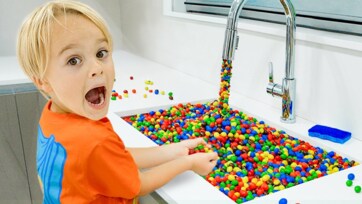
A Tapestry of Joy and Discovery In the rapidly evolving landscape of modern childhood, the intersection of education, entertainment, and digital storytelling has created a new frontier for development. For the youngest generation, the world is often first explored through vibrant, high-contrast visuals and characters that mirror their own curiosity and emotional complexity. This digital tapestry does more than just occupy time; it serves as a foundational tool for understanding social norms, logical reasoning, and the beauty of the natural world. Through carefully crafted scenarios—from the bustling morning rush to the quiet serenity of a bamboo forest—children are invited into a safe space where they can experiment with empathy, celebrate small victories, and develop the cognitive flexibility needed for a complex future. The Psychological Impact of Color and Contrast The use of a bold, saturated color palette is not merely an aesthetic choice; it is a strategic educational tool designed to capture and hold a child's developing attention. Primary Colors and Cognitive Identification Bright red, vibrant yellow, and deep blue serve as the primary anchors of a child's visual vocabulary. Radiant Red: Often used for central characters or high-energy objects, red demands immediate focus and is frequently associated with excitement or importance. Sunny Yellow: Representing warmth and optimism, yellow is the color of choice for friendly guides, playful chicks, and icons of morning light, fostering a sense of happiness and safety. Cool Blue: Whether in the form of a clear sky or a sturdy school bus accessory, blue provides a stabilizing contrast, helping children feel calm and secure amidst the action. Logical Sorting and Pattern Recognition By grouping objects by color—such as a line of trucks following a series of colorful eggs—educational media introduces the concepts of categorization and sets. This visual "logic" is the precursor to mathematical thinking, teaching children to recognize patterns and gradients long before they begin formal arithmetic. Social-Emotional Learning Through Character Expression Perhaps the most vital role of modern children's media is the teaching of empathy and emotional intelligence (EQ) through exaggerated character expressions. Identifying Complex Emotions Children often struggle to name their feelings. When they see a character with wide eyes and an open mouth, they instantly recognize the feeling of "surprise". The Look of Wonder: A character’s expression of awe when faced with something magical—like a sink full of treats—validates the child’s own sense of curiosity. Conflict and Resolution: When two characters are in distress, and a third—perhaps an authority figure in a uniform—steps in to mediate, children learn the basics of conflict resolution and the importance of helping others. The Power of a Smile: A wide, toothy grin from a toddler or a friendly animal reinforces the concept of joy and the positive social feedback that comes with a happy interaction. The Role of Friendship and Companionship Characters are rarely alone in these stories. Whether it is a trio of birds sitting on a branch or two friends sharing a car ride, the emphasis is always on togetherness. These narratives show that adventures are better when shared and that support from a peer is a fundamental part of the journey. The Intersection of Fantasy and Reality: Sensory Play The digital world often presents "impossible" scenarios that encourage imaginative play and sensory exploration. Tactile Visualization Even though a child cannot touch the screen, the high-quality rendering of textures allows their brain to "feel" the environment. Gooey and Slimy: The representation of purple "slime" dripping down a building or chocolate treats flowing from a faucet stimulates the child's sensory imagination. Soft and Fluffy: Seeing the downy feathers of a chick or the thick fur of a goat encourages a child to seek out similar tactile experiences in the real world. Turning Routines into Adventures By depicting a mundane activity—like washing up or going to school—as something filled with magic and color, these stories help reduce "routine anxiety". A monkey taking a shower becomes a moment of comedy, and a race to the bus becomes a heroic quest, making the real-life versions of these tasks feel more approachable for the child. Nature as an Interactive Classroom The agricultural and natural settings found in early learning media serve as a bridge to environmental awareness and biological curiosity. Connection to Living Things Interaction with farm animals—cows, goats, and roosters—teaches children that the world is inhabited by many different types of creatures, each with their own needs and behaviors. Gentleness with Animals: Seeing a toddler offer food to a goat or sit calmly near a rooster promotes the idea of "gentle hands" and respect for nature. Diversity of Life: The variety of animals, from the small chick to the large cow, helps children understand the concept of size, sound, and habitat. Environmental Stewardship The use of lush green landscapes, clear blue skies, and bamboo forests instills an early appreciation for the beauty of the outdoors. It encourages children to look at the trees and animals in their own backyard with a sense of wonder and a desire to protect them. Responsibility, Punctuality, and Life Skills As children age, their media begins to introduce more complex concepts like time, responsibility, and the systems that make society function. Mastering the Clock The presence of a large analog clock in a scene about a school bus is a direct lesson in punctuality. It helps children visualize how time passes and understand that certain events, like the arrival of the bus, happen on a schedule. Roles and Responsibilities Seeing characters in specific roles—a bus driver, a police officer, or a tractor driver—helps children understand the "helpers" in their community. It introduces the concept that everyone has a job to do and that working together makes the whole "farm" or "school" run smoothly. Conclusion: A Foundation Built on Wonder The digital world of early learning is more than just bright lights and catchy songs. It is a carefully architected environment that respects a child's intelligence while nurturing their sense of wonder. By combining the logic of sorting with the empathy of friendship and the magic of sensory imagination, these stories provide the building blocks for a well-rounded and curious individual. As children transition from these digital experiences to real-world playgrounds, they carry with them the lessons of the rainbow eggs, the friendly goats, and the timely school bus. They learn that the world is a place to be explored, that emotions are things to be shared, and that every morning—whether it involves a candy sink or a muddy puddle—is the start of a new and beautiful adventure.  
Advertisement
How Visual Learning Is Reshaping Early Childhood Education in the Digital Age
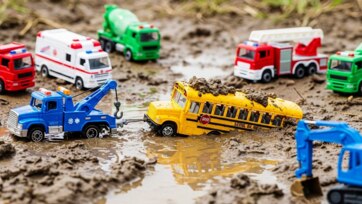
Early childhood education has quietly undergone a transformation. Where previous generations relied heavily on verbal instruction and memorization, today’s learning environment is increasingly driven by what children see rather than what they are told. Screens, illustrations, animated characters, and scenario-based storytelling now act as the first teachers a child encounters. This shift toward visual-first learning is not accidental. It reflects how the young brain naturally develops. Before children can read sentences or understand explanations, they interpret patterns, colors, movement, and expressions. Modern educational media taps into this neurological reality and turns it into a structured learning system—one that introduces logic, empathy, responsibility, and environmental awareness through imagery long before formal schooling begins. For parents and educators, especially in regions where early academic pressure is rising, understanding this approach is essential rather than optional. The Science Behind Why Children Learn Faster Through Visual Input A child’s brain in the first six years forms neural connections at a rate that never repeats later in life. During this period, the brain is wired to decode visual signals first and language second. Shapes, repetition, contrast, and movement become the foundation of understanding. This explains why a toddler can recognize a tractor, identify colors, or react emotionally to a character without being able to describe what they are seeing. Visual exposure builds what psychologists call cognitive scaffolding—a mental structure that supports later academic learning. In simple terms, children are not just watching. They are constructing meaning. Color Coding and Pattern Recognition: The Hidden Mathematics of Visual Media Bright, saturated colors used in children’s content are not merely decorative. They serve a developmental purpose by helping children categorize objects into logical groups. When children repeatedly see items organized by shared attributes—such as color or sequence—they begin forming early mathematical thinking patterns. Sorting becomes instinctive. Matching becomes intuitive. Order becomes predictable. You may notice similar behaviors at home. Children arrange toys by shade, group objects unconsciously, or follow visual sequences during play. These are not random habits. They are early demonstrations of classification skills that later evolve into arithmetic reasoning and structured thinking. Mechanical Storytelling as an Introduction to Scientific Thinking Visual narratives involving tools, vehicles, and problem-solving scenarios expose children to basic physical principles without requiring scientific vocabulary. When multiple machines work together to overcome an obstacle, children absorb ideas about cooperation, force, and cause-and-effect relationships. When objects sink into mud or resist movement, they observe environmental interaction and resistance—even if they cannot yet explain it. These depictions are especially meaningful for children growing up in environments where machinery, farming equipment, or transport systems are already visible parts of daily life. Visual learning connects familiar surroundings with structured understanding. Science begins not with formulas, but with observation. Emotional Literacy: Teaching Feelings Before Language Exists One of the most valuable outcomes of visual-first education is emotional recognition. Young children experience intense feelings but lack the vocabulary to express them. Visual exaggeration—clear facial expressions, symbolic tears, or dramatic reactions—helps translate emotions into something understandable. This process builds emotional literacy. Children begin to recognize fear, happiness, frustration, and empathy by observing them externally. Over time, they learn to associate those visuals with their own internal experiences. In cultures where emotional discussion is often indirect, visual storytelling becomes a powerful teaching tool for self-awareness and social sensitivity. Preparing Children to Handle Anxiety and Uncertainty Many visual learning scenarios deliberately introduce mild tension—unexpected situations, unfamiliar environments, or problem-solving moments. These experiences allow children to confront uncertainty in a safe, controlled way. When children repeatedly see characters navigate fear or confusion and arrive at resolution, they internalize resilience. They begin to understand that discomfort is temporary and manageable. This psychological rehearsal can later reduce anxiety during real-life experiences such as visiting a doctor, entering school for the first time, or interacting with unfamiliar people. Everyday Responsibilities Reimagined as Exploration Young children resist instruction but embrace storytelling. Modern educational visuals cleverly transform routine behaviors into engaging narratives rather than obligations. Cleaning, organizing, helping others, and maintaining personal hygiene are framed as active participation rather than passive compliance. Children begin to associate responsibility with independence and capability rather than restriction. This reframing is particularly effective in family-oriented societies where children naturally observe adult roles and imitate them. Visual reinforcement strengthens behaviors already encouraged at home. Role-Playing and Identity Formation in Early Years Pretend-play scenarios showing children taking on functional roles—managing tasks, solving challenges, or guiding activities—support identity development. These narratives cultivate a sense of agency, the belief that one’s actions can influence outcomes. Children who engage with such scenarios often display greater confidence in decision-making and participation when they enter structured learning environments. They see themselves not merely as observers, but as contributors. Confidence, at this stage, is built through imagination before it is tested in reality. Introducing Food Systems, Nature, and Resource Awareness Nature-based and agricultural imagery reconnects children with the origins of everyday resources. Many modern urban lifestyles separate young learners from how food is grown, transported, and shared. Visual storytelling restores this connection by illustrating processes in simplified, relatable forms. Children begin to understand that resources come from effort, coordination, and environmental interaction rather than appearing instantly. This awareness fosters respect for both labor and nature. Such early exposure can shape attitudes toward sustainability and responsibility long before those concepts are formally taught. Repetition: The Engine of Lasting Learning Adults often seek novelty, but children thrive on repetition. Watching similar scenarios repeatedly strengthens neural pathways, turning recognition into mastery. Each repeated exposure reinforces memory, builds prediction skills, and stabilizes comprehension. What appears monotonous to adults is actually essential brain training for young learners. Repetition is how temporary impressions become permanent understanding. Simplified Characters Make Complex Lessons Accessible Educational visuals often rely on stylized or symbolic characters instead of realistic portrayals. This design choice removes unnecessary detail, allowing children to focus on actions and emotions rather than appearance. Simplification reduces cognitive overload. It highlights meaning rather than realism. Children interpret behavior and relationships more clearly when distractions are minimized. In this way, visual storytelling communicates universal lessons without cultural or linguistic barriers. The Parent’s Role: Turning Passive Viewing Into Active Learning Visual education is most effective when reinforced beyond the screen. Real-world engagement strengthens the lessons introduced visually. Encourage children to apply what they observe:Let them organize objects physically.Allow them to participate in small responsibilities.Discuss emotions they notice.Connect visual scenarios to everyday experiences. When guided properly, visual content becomes a starting point rather than a substitute for interaction. Navigating the Challenge of Content Overload Not all visual media supports development. High-quality educational material follows structured storytelling, emphasizes relationships between actions and consequences, and reflects recognizable life situations. Content designed purely for stimulation—fast-paced without meaningful sequence—may entertain but rarely educates. The difference lies in whether the material encourages understanding or simply holds attention. Intentional selection matters more than screen time duration. Building Skills for a World Defined by Change Today’s children are growing up in an era of rapid technological and social transformation. Success in this environment will depend less on memorization and more on adaptability, emotional intelligence, and problem-solving ability. Visual-first learning supports these traits by encouraging pattern recognition, empathy, independence, and contextual thinking from an early age. It prepares children not just to absorb information, but to interpret and respond to a constantly evolving world. A Developmental Shift That Should Be Guided, Not Resisted Visual learning is not a passing educational trend. It reflects a deeper understanding of how young minds process reality. Attempting to eliminate it ignores how children naturally learn; leaving it unguided risks losing its benefits. When approached thoughtfully, this method becomes a bridge between imagination and lived experience—helping children make sense of their environment, relationships, and responsibilities. The goal is not to replace traditional learning, but to strengthen its foundation. Because long before a child reads their first sentence, they have already begun learning how the world works—through images, patterns, and stories that quietly shape the architecture of their thinking.  
Exploring the Magic of Color and Play
The Rainbow of Learning In the vibrant landscape of early childhood development, the world is not just a place to live; it is a canvas of endless possibilities. For young learners, every hue, every shape, and every interactive moment serves as a building block for understanding the complex environment around them. The intersection of education and entertainment—often called "edutainment"—has become a cornerstone of how modern children engage with foundational concepts like logic, sorting, and emotional intelligence. Through the use of bright, high-contrast visuals and friendly, expressive characters, educational media creates a safe space for curiosity to flourish. Whether it is through the personification of everyday objects or the creation of fantastical scenarios, these experiences allow children to experiment with the "what-ifs" of the world from the comfort of their own imagination. The Psychology of Primary and Secondary Colors Color is one of the first languages a child learns to speak. Long before they can read or write, infants and toddlers respond to the emotional and cognitive cues provided by a diverse palette. Building Blocks of Perception Primary colors—red, yellow, and blue—are frequently used in learning environments because they are easily distinguishable to developing eyes. Red: Often associated with energy and excitement, it grabs immediate attention. Yellow: Representing sunshine and optimism, it creates a welcoming and happy atmosphere for learning. Blue: Providing a sense of calm and stability, it balances the more high-energy tones in a visual field. The Complexity of Secondary Hues As children grow, the introduction of secondary colors like green, orange, and purple helps them understand the concept of relationships and mixing. Seeing a green object placed alongside a yellow one, or a purple one next to a blue one, encourages the brain to recognize patterns and gradients. This cognitive exercise is essential for mathematical thinking and artistic expression later in life. Emotional Intelligence Through Character Interaction Beyond simple objects, the use of characters with exaggerated expressions plays a vital role in teaching empathy and social cues. Recognizing Feelings When characters display clear emotions—be it surprise, worry, or joy—children learn to identify those same feelings within themselves and others. Surprise and Wonder: Seeing a character in a state of awe encourages the child to feel that same sense of discovery. Concern and Empathy: When a character looks distressed or sad, it prompts a nurturing response in the viewer, fostering early social bonds. Conflict Resolution and Teamwork Many educational scenarios involve multiple characters who must navigate a shared space. These stories often mirror the real-life playground experiences of children, showing them that even when friends disagree or feel overwhelmed, there is always a path back to cooperation and harmony. The Role of Sensory Play and Imagination Imagination is the laboratory of the young mind. By presenting scenarios that defy the laws of physics or everyday logic, educational content encourages "out-of-the-box" thinking. Fantastical Realism Imagine a world where ordinary chores or objects turn into sources of pure delight. This type of play allows children to: Reduce Anxiety: Turning a bath or a walk into a game makes daily routines feel less like chores and more like adventures. Enhance Problem Solving: When a child sees a familiar setting used in an unfamiliar way, it stretches their cognitive flexibility. Sensory Integration Visuals that suggest texture—the fluffiness of fur, the smoothness of an egg, or the gooeyness of slime—help children develop their sensory vocabulary. Even without touching the screen, the brain processes these textures, preparing the child for real-world tactile exploration. Foundations of Logic: Sorting and Categorization One of the most critical pre-math skills is the ability to sort objects based on specific attributes. Pattern Recognition By grouping similar items together, children begin to understand the concept of "sets". This might involve matching a color to its corresponding container or lining up objects by size. Matching: Helps in recognizing identity and difference. Sequencing: Introduces the idea of order, which is fundamental to reading from left to right and counting in sequence. Vehicles of Learning Using relatable objects like small trucks or bright eggs as the "movers" of this logic makes the task feel like a game rather than a lesson. When a child sees a character "working" to organize their world, they are inspired to do the same in their own toy box. Nature as a Classroom The natural world—even when represented in a stylized, animated way—offers endless lessons in biology and environment. Connection to Living Things Interacting with the idea of animals, whether in a forest or a farm setting, teaches children about the diversity of life. It introduces the concept that different creatures have different needs, habitats, and ways of communicating. Environmental Stewardship Lush green backgrounds and scenes set in nature instill an early appreciation for the outdoors. It fosters a sense of peace and a desire to explore the world outside the front door, promoting physical activity and a healthy curiosity about plants and wildlife. Conclusion: The Lifelong Impact of Playful Learning The journey through childhood is a rapid-fire series of "firsts". By surrounding these first experiences with vibrant colors, gentle lessons, and imaginative scenarios, we provide children with a toolkit for life. Education is not just about facts and figures; it is about building a confident, empathetic, and curious individual who sees the world as a place of wonder. As children transition from these playful foundations into more formal schooling, the lessons learned from a simple rainbow of eggs or a friendly yellow bird stay with them, reminding them that learning is—and always should be—an adventure.  
How Visual Cartoons Help Children Learn Faster
Today’s children do not start learning from books. They start learning from what they see. Before a child can read an alphabet or count numbers, their brain is already busy understanding colors, faces, movement, and patterns. This is why modern early childhood education strongly supports what experts call a visual-first learning approach—a method where children understand the world through images, actions, and storytelling before they fully develop language skills. For parents who regularly show cartoons or visual stories to their kids, this is important to understand: the right kind of visual content is not just entertainment. It can actually shape thinking, behavior, confidence, and emotional strength. Let’s explore how this works and why visually rich storytelling can support a child’s development when used correctly. Visual Learning Matches How a Child’s Brain Naturally Develops A young child’s brain develops in stages. The visual processing system becomes active much earlier than the reading and reasoning centers. That means children understand pictures long before they understand explanations. When a child watches colorful animated scenes or expressive characters, their brain is forming connections that later support: Logical thinking Emotional understanding Problem-solving ability Social behavior Curiosity about the real world In simple terms, visuals become the first “language” a child learns. Building Thinking Skills Through Colors, Shapes, and Patterns One of the earliest learning milestones is categorization—the ability to group things based on similarities. This may sound simple, but it is actually the foundation of mathematics, science, and reasoning. When children see objects sorted by color, shape, or size in visual storytelling, they begin to recognize patterns. They learn that: Similar things belong together Differences can be identified Order can exist in a system For example, when a child repeatedly sees red objects grouped together and blue ones placed separately, they are practicing classification without even realizing it. This is the early stage of logical thinking. These small observations quietly prepare the brain for later academic learning. No pressure, no memorization—just natural discovery. Understanding Cause and Effect Through Visual Action Children also learn how the physical world works by watching movement and interaction. When they see objects being pushed, lifted, stacked, or rescued in storytelling scenarios, they begin understanding cause and effect. They notice that: Actions create results Some tasks require effort Problems can be solved step by step Cooperation leads to success This kind of visual problem-solving introduces early engineering thinking. A child watching characters fix situations or move heavy objects is learning how challenges can be approached logically. These lessons stay with them when they begin handling real-life situations, whether it’s building something, solving puzzles, or helping others. Emotional Intelligence Begins With Recognizing Expressions Learning is not only about numbers and facts. A major part of childhood development is understanding emotions. Young children cannot always explain what they feel, but they can easily recognize expressions like happiness, sadness, fear, or surprise when they are shown clearly. Visual storytelling gives children a safe way to observe emotions from the outside. They start to understand: What sadness looks like How kindness is shown Why someone might feel afraid How problems between friends can be solved This builds emotional intelligence—the ability to understand both their own feelings and those of others. Children who develop emotional awareness early tend to adjust better in school, form healthier friendships, and handle stress more confidently. Helping Children Face Fear and New Experiences Safely Many everyday experiences can feel overwhelming for children. Visiting a doctor, trying something new, or meeting unfamiliar people may cause anxiety. Visual stories allow children to witness similar situations in a safe environment. They see characters experience worry, confusion, or surprise—and then overcome it. This helps children mentally rehearse how to respond in real life. Psychologists describe this as learning through symbolic experience. The brain treats the observed situation as practice. When children later face a similar situation themselves, it feels less unfamiliar. Teaching Responsibility Without Pressure Children often resist direct instructions, but they naturally imitate what they see. When storytelling presents everyday responsibilities—cleaning up, helping others, staying healthy—as part of an adventure, children become more willing to follow those behaviors. Instead of feeling like rules, these actions feel meaningful. This approach transforms routine lessons into something positive: Hygiene becomes self-care Helping becomes teamwork Following rules becomes part of belonging The child begins to act responsibly not because they are forced to, but because they understand its value. Encouraging Imagination and Creative Confidence Visual storytelling also strengthens imagination, which plays a crucial role in problem-solving and innovation later in life. When children see ordinary objects used creatively or characters exploring different roles, they realize that ideas can be flexible. A cardboard box can become anything. A simple setting can turn into an adventure. This nurtures: Independent thinking Curiosity Confidence in trying new ideas The ability to imagine solutions Imagination is not separate from intelligence. It is one of its most powerful forms. Introducing Social Understanding and Cooperation Children must also learn how to exist within a community. They need to understand sharing, helping, fairness, and teamwork. Visual narratives demonstrate these ideas through actions rather than lectures. Children see cooperation in motion. They observe characters supporting each other, solving problems together, and contributing to a group. This helps them understand that everyone has a role to play. Such lessons prepare children for school environments where collaboration is essential. Creating Awareness About Nature and Everyday Life Another powerful benefit of visual learning is introducing children to the natural world and daily life systems. Through storytelling, children can observe how food is grown, how animals live, and how environments function. These ideas help them develop early respect for nature and curiosity about where things come from. This connection encourages healthier attitudes toward food, surroundings, and responsibility for the environment. Why Visual Learning Works So Effectively The reason this approach is successful is simple: it aligns with biology. Young children learn best when: Information is shown rather than explained Learning feels like play Repetition happens naturally Emotions are involved in the experience Visual storytelling combines all these elements at once. It teaches without appearing to teach. The Role of Parents: Guidance Makes the Difference While visual content can support development, it works best when parents stay involved. Watching together, discussing what happened, and connecting stories to real-life experiences strengthens understanding. Even small conversations help children process what they see and apply it meaningfully. The goal is not passive watching, but guided exposure. A Tool for Growth, Not Just Entertainment When chosen thoughtfully, visual content becomes more than a way to keep children busy. It becomes a developmental tool that supports thinking, emotional balance, creativity, and confidence. Children are not just watching stories. They are building mental models of how the world works. Frame by frame, scene by scene, they are learning how to think, how to feel, and how to interact with life itself. And that is why the visual-first approach has become such a powerful part of early childhood learning—it speaks the language children understand before all others: the language of seeing.  
Daily Dairy Benefits for Kids: Milk, Yogurt, and Cheese
Children’s growth, immunity, and energy depend heavily on the foods they consume. Among all options, dairy products like milk, yogurt, and cheese are unmatched because they provide a natural combination of protein, calcium, vitamins, and healthy fats essential for physical and cognitive development. Regular dairy consumption supports strong bones, teeth, muscles, immunity, and brain function. Milk — The Foundation of Growth Milk is rich in calcium, protein, vitamins B12 and D, phosphorus, and potassium, all critical for healthy growth. Children need calcium for strong bones and teeth, especially during rapid growth phases. Vitamin D in fortified milk enhances calcium absorption and supports immune function and bone development. Serving Tips: Serve a glass of milk in the morning or with meals. Blend milk with seasonal fruits for natural smoothies. Use in cereals, oatmeal, or soups to add nutrients without extra sugar. Health Benefit:Milk provides sustained energy, bone strength, and cognitive development, making it essential for daily consumption. Yogurt — Probiotics for Digestion and Immunity Yogurt is fermented milk, rich in probiotics, calcium, and protein, which aid digestion and enhance nutrient absorption. Regular yogurt consumption supports gut health, immunity, and growth, especially for children with sensitive digestion. Serving Tips: Serve plain yogurt with fruits or honey (for children above one year). Use yogurt as a base for smoothies or frozen yogurt popsicles. Include in breakfast bowls with oats or cereals. Health Benefit:Probiotics in yogurt promote healthy gut bacteria, improved digestion, and strong immunity. Cheese — Protein and Calcium Power Cheese is a concentrated source of protein, calcium, and phosphorus, supporting bone and muscle development. It also provides healthy fats, essential for energy and brain development in children. Serving Tips: Include cheese in sandwiches, wraps, or grilled meals. Serve cubes as a snack with fruits or crackers. Use grated cheese on vegetables or pasta to increase calcium intake. Health Benefit:Regular cheese consumption supports bone strength, muscle development, and energy, making it a versatile addition to meals. Dairy for Brain Development Dairy products supply high-quality protein and healthy fats, which are vital for brain growth. Omega-3 fortified milk and full-fat dairy support cognitive development, memory, and learning ability. Including dairy in breakfast or snacks enhances focus during school hours. Practical Tips: Prepare smoothies with milk, yogurt, and fruits. Add milk or cheese to savory dishes for extra nutrition. Serve dairy-based puddings or custards occasionally as nutrient-rich treats. Dairy for Immunity Vitamin A, vitamin D, zinc, and protein from dairy boost the immune system, helping children fight infections and recover faster from illnesses. Regular dairy consumption reduces the risk of frequent colds and infections in school-age children. Serving Tips: Pair dairy with vitamin C-rich fruits like oranges or kiwi in smoothies. Offer yogurt after meals to support digestion and immunity. Tips for Including Dairy in Daily Diet Variety: Use milk, yogurt, cheese, and paneer to provide diverse nutrients. Fortified Products: Choose vitamin D or omega-3 fortified options for extra benefits. Avoid Added Sugar: Use natural sweetness from fruits instead of sugary flavored milk or yogurt. Meal Integration: Add dairy in cereals, smoothies, cooking, or snacks for convenience. Portion Size: Children aged 4–8 need 2–3 cups of dairy daily; adjust for older children. Conclusion Daily consumption of dairy products like milk, yogurt, and cheese provides children with essential nutrients for bone health, muscle growth, immunity, and brain development. Parents should focus on fresh, fortified, and naturally served dairy, using creative meals and snacks to ensure children enjoy them. Dairy is not just a food; it is a daily growth booster, supporting active, healthy, and strong children.
: A Journey of Joy and Gentle Connections
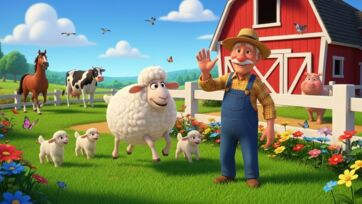
A Journey of Joy and Gentle Connections The rural landscape has always been a sanctuary for discovery, a place where the simplicity of nature meets the boundless curiosity of youth. On a farm, the boundaries between the human and animal worlds often blur, creating a shared space of mutual respect and unbridled happiness. This setting serves as a powerful classroom for early childhood development, teaching the values of empathy, sensory exploration, and the beauty of finding joy in the most unexpected places—even in the middle of a muddy puddle. At the center of this agricultural adventure are young explorers, whose presence on the farm acts as a bridge between these two worlds. Their journey through the barnyard is not just a walk; it is an immersive experience that engages every sense and fosters a lifelong connection to living things. The Sensory Symphony of the Barnyard For a young child, the farm is a giant playground of textures, sounds, and colors. Every interaction is a sensory lesson that builds cognitive pathways and encourages physical exploration. The Tactile Magic of Nature Nature provides an endless array of sensory "toys" that stimulate a child's curiosity. The Sensation of Wet Earth: Sitting directly in a shallow brown puddle allows a child to experience the cool, squishy texture of the earth in a way that is purely tactile. A Badge of Honor: The splatters of mud on a bright yellow hoodie and tan pants are not messes to be avoided, but rather symbols of a day well-spent in active play. Gentle Interactions: The soft fur of a goat or the smooth feathers of a bird offer contrasting textures that help a child distinguish between different types of living things. A Palette of Vibrant Colors The farmyard is painted in a rich array of high-contrast colors that capture a child's attention and help them categorize their surroundings. The Radiant Sky: A bright blue sky creates a feeling of openness and freedom, providing a vast canvas for the day's adventures. The Living Green: Lush grass and rounded green bushes provide a soft, welcoming backdrop for animal interactions. Colorful Residents: From the bright red comb of a rooster to the deep brown and white patterns of goats, the animals introduce a variety of hues that pop against the green fields. Building Bridges: The Language of Animals The barnyard is home to a diverse community of creatures, each with its own personality and way of communicating. For a child, learning to navigate this community is a masterclass in social and emotional intelligence. The Bold and the Brave: The Rooster In the center of the muddy fun sits a vibrant rooster, his feathers a mix of deep blue, orange, and red. Face-to-Face Connection: Sitting eye-to-eye with a bird teaches a child about bravery and the quiet dignity of nature. A Symbol of Morning: The rooster represents the rhythm of the farm, his crows acting as the natural alarm clock that signals the start of a new adventure. The Gentle Companions: Cattle, Sheep, and Goats In the background, a group of smiling cows, fluffy sheep, and inquisitive goats look on with curiosity. Kind Expressions: The wide, friendly eyes of the cows—ranging from warm orange-brown to creamy tan—convey a sense of calm and safety. Nurturing Bonds: Kneeling in the grass to offer a hand to a small brown goat demonstrates a profound sense of care and friendship. A Diverse Family: Seeing animals of different sizes and colors—like black, white, and brown goats—living together harmoniously teaches children about diversity within a community. The Psychology of a Smile: Pure Happiness At the heart of the farm experience is the pure, infectious joy displayed by children during their interactions. This happiness is a vital indicator of emotional health and security. The Anatomy of Childhood Joy With a wide, toothy grin and bright, sparkling eyes, a child’s face tells a story of complete contentment. Uninhibited Expression: Unlike adults, children do not hide their joy. When they are happy, their whole face lights up, signaling to everyone around them that they feel safe and loved. A Signal of Trust: Being surrounded by large animals while sitting in the mud or kneeling in the grass requires a high level of trust in one's environment. This comfort level is essential for healthy emotional development. The Contagious Nature of Happiness Joy on the farm is a shared experience. When we see a child laughing in a puddle or gently stroking a goat's nose, it triggers a sense of warmth and peace in the viewer. Even the animals seem to participate, their smiling faces and attentive gazes suggesting a mutual bond of affection. Lessons in Responsibility and Empathy While a farm visit starts as play, it quickly evolves into a lesson in caretaking and stewardship. Nurturing the Small and Large Interacting with a rooster or feeding a goat helps a child realize that they are part of a larger ecosystem where every creature deserves kindness. This is the birth of empathy—the understanding that our actions affect the well-being of the living things around us. Understanding Habitats and Homes By seeing where animals live, eat, and play, children begin to understand the concept of a "habitat". They see the open fields where cows graze and the fences that keep sheep safe, helping them grasp the basics of environmental science. The Farm as a Lifetime Memory The experiences a child has on a farm are often among their most vivid early memories. These moments of "wild play" are essential for building a well-rounded and resilient individual. The Value of Being "Unplugged" In a world of screens and digital noise, the farm offers an "unplugged" experience where the only notifications are the sounds of a rooster crowing or a goat bleating. This allows the child’s brain to rest and focus on the immediate, physical world. Encouraging Outdoor Exploration A day at the farm is a day of constant movement. From crawling through the grass to sitting in a puddle, children are building motor skills and physical strength. This active lifestyle is the foundation for healthy habits that can last a lifetime. Conclusion: The Simple Magic of Being Together The image of a toddler sharing a muddy afternoon with a rooster, or a young boy kneeling in a field of wildflowers to greet a goat, is a powerful symbol of childhood at its best. It reminds us that at our core, humans have a deep, instinctual need to connect with the earth and the creatures that share it with us. As the sun shines down on the green fields, it highlights a world where everyone belongs—where a puddle is a throne, and where a goat is a best friend. In the heart of the farm, joy is found not in things, but in connections, sensory play, and the simple magic of being together under a wide blue sky.
A Comprehensive Analysis of Early Childhood "Edutainment"
In the modern landscape of child development, the intersection of digital media, visual storytelling, and fundamental educational concepts has created a high-impact standard for early childhood engagement. This "edutainment" ecosystem relies on high-contrast visuals, expressive character archetypes, and relatable social scenarios to build cognitive and emotional foundations. By analyzing themes ranging from the frantic energy of a morning routine to the serene curiosity of animal interactions and logic puzzles, we can see how these narratives provide a holistic framework for a child's understanding of the world. The Visual Language of Learning Visual stimuli are the primary drivers of learning in early childhood. Before a child can decode written language, they are proficient in decoding color, shape, and pattern. Color as a Navigational and Logical Tool The strategic use of a bold, saturated color palette is designed to capture attention and facilitate cognitive categorization. Vibrant Primaries: Bright red, sunny yellow, and deep blue serve as visual anchors. Red often denotes high energy or central characters, while yellow signals optimism, approachable warmth, and safety. Categorization and Matching: Scenarios involving matching colored trucks to expressive eggs or colorful animals to soccer balls introduce children to the concept of sets and pattern recognition. For instance, a red tiger corresponds to a red ball, and a blue gorilla to a blue ball, teaching the fundamental skill of attribute matching. Logical Sorting: Arranging objects like trucks and eggs in a spectrum (red, yellow, green, blue, purple) reinforces the idea of order and sequences. Sensory Imaginarium High-quality digital rendering allows children to "feel" textures through their eyes, bridging the gap between screen time and real-world sensory play. Tactile Visualization: The representation of purple "slime" or liquid candy flowing from faucets engages a child's imagination regarding states of matter and fluid dynamics. Natural Textures: Contrasting the smooth feathers of a duckling or rooster with the squishy, cool texture of a mud puddle encourages an appreciation for the diverse physical properties of nature. Emotional Intelligence and Social Archetypes Modern media for children places a heavy emphasis on Social-Emotional Learning (SEL), using character expressions to teach empathy, conflict resolution, and self-regulation. Identifying Internal States Exaggerated facial features help children name and validate their own feelings. Wonder and Surprise: Wide-eyed, open-mouthed expressions in characters—whether discovering a sink full of candy or missing a bus—provide a mirror for a child’s own reactions to the unexpected. Fear and the Unknown: Depicting a child's surprise and apprehension at a "ghost" figure in a household setting like a bathroom helps normalize common fears and provides a safe space to discuss them. Mediation and Conflict: When characters representing emergency responders (like a police-dog archetype) intervene in a dispute between two upset peers, it demonstrates the social value of mediation and the presence of community helpers. The Power of Companionship and Empathy Narratives often focus on the group dynamic and supportive interactions. Shared Experiences: Whether it is a squirrel showing concern for a duckling or friends on a road trip, these stories reinforce the idea that life’s journeys are most rewarding when shared. Empathy in Action: The tender look on a character's face when interacting with a smaller creature models how to recognize and respond to the emotions of others. Community Systems and Life Skills As a child’s world expands beyond the home, media introduces the systems, responsibilities, and routines that govern society. The Morning Commute and Punctuality The scenario of a child rushing to a large yellow school bus is a masterclass in life skills and independence. Time Management: The presence of a prominent analog clock (showing 7:40 AM) helps children visualize the passage of time and the importance of punctuality to meet specific deadlines. Independence: Carrying a backpack and navigating the sidewalk toward a vehicle driven by a trusted community member (a giraffe-themed driver) symbolizes the child's growing role in the public sphere. Agricultural and Work Ecosystems Farm-themed content introduces the concepts of labor, food production, and cooperation. Roles and Jobs: Seeing monkeys driving tractors to transport cows or collecting milk shows that every member of a community has a specific task that contributes to the whole. Animal Stewardship: Interactions like feeding goats in a meadow or sitting among chickens teach children to be gentle and respectful of other living beings. Nature as a Classroom The transition from digital screens to the great outdoors is encouraged through vibrant depictions of natural habitats and animal biology. Biodiversity and Observation By showing characters in diverse settings—from bamboo forests to wildflower meadows—children learn to identify different ecosystems and species. Observation Skills: Seeing birds of different colors (red and yellow chicks or green parrots) in their environment encourages children to look closer at the wildlife in their own world. Animal Habitats: The inclusion of varied landscapes, such as farm fences and bamboo stalks, helps children grasp where different animals live and thrive. Active Play and Resilience Content that features characters playing in the mud or navigating a busy morning validates active, experiential learning. The Joy of "Messy" Play: Framing sitting in a mud puddle as a moment of pure happiness with animal friends helps parents and children see nature as an opportunity for discovery rather than a chore. Resilience: The frantic race for the bus shows that even when things are a bit chaotic, the goal can be reached through effort. Conclusion: Synthesizing the Experience The digital frontier of early learning is a carefully architected tapestry designed to nurture the whole child. It uses the magnetic pull of bright colors and charming characters to deliver essential lessons in logic, empathy, and community responsibility. By turning a mundane bath into a moment of surprise or a farm visit into a social adventure, these narratives help children navigate the transitions of their own lives with confidence. As they watch a rooster sit in a puddle, a monkey drive a tractor, or a boy match a red tiger to a red ball, they aren't just being entertained; they are building the mental map that will guide them as they step out of their homes and into the wide, wonderful world.
Advertisement
Bunnies: Cute, Curious, and Educational Pets for Kids
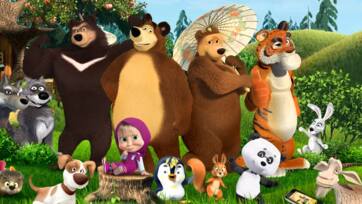
Bunnies, or rabbits, are among the most adorable and gentle animals that children naturally love. Their soft fur, twitching noses, and playful behavior make them perfect for teaching kids about responsibility, empathy, and animal care. Rabbits are not only cute but also provide a fun and educational experience, helping children learn about nature, life cycles, and social behavior. This article explores bunnies, their behavior, diet, life cycle, care, and fun learning activities for children. Introduction to Bunnies Bunnies are small mammals belonging to the family Leporidae. They are known for: Soft fur that is fun to pet. Long ears that help them listen for danger. Powerful hind legs for hopping and exploring. Why Kids Love Bunnies: Their playful and gentle nature. Curiosity and hopping behavior make them fun to watch. Soft fur encourages tactile learning and interaction. Parent Tip: Even if you don’t have a pet bunny, watching videos or reading books about rabbits can teach observation and empathy. Life Cycle of Bunnies Understanding the life cycle of bunnies teaches children about growth, development, and care: Birth: Baby rabbits are called kits. They are born hairless and blind. Neonatal Stage: Kits rely entirely on their mother for warmth and milk. Growth Stage: After 2–3 weeks, fur develops, and kits begin opening their eyes. Weaning: Around 4–6 weeks, kits start eating solid food like hay and vegetables. Juvenile Stage: They begin exploring, hopping, and interacting with siblings. Adulthood: Bunnies mature and may have their own kits. Activity Idea: Have children draw the life cycle of a bunny. This strengthens sequencing, memory, and observation skills. Behavior of Bunnies Bunnies are social, curious, and playful. Observing their behavior teaches children emotional intelligence, empathy, and problem-solving. Hopping and Running: Bunnies explore their surroundings and show energy. Grooming: Bunnies clean themselves and each other, teaching self-care and hygiene. Communication: Rabbits use body language and sounds (thumping, squeaks, or purring) to communicate. Playfulness: Bunnies love exploring, hopping over obstacles, and playing with toys. Parent Tip: Watch bunny videos with children and ask, “Why do you think the bunny is thumping?” Discuss emotions and body language, which builds empathy and social understanding. Diet and Nutrition A healthy diet is essential for bunnies’ growth and well-being. Children can learn about nutrition and responsibility by understanding bunny diets: Hay: Essential for digestion and healthy teeth. Vegetables: Carrots, leafy greens, and herbs provide vitamins. Pellets: Specially formulated bunny food for balanced nutrition. Water: Fresh water must be available at all times. Learning Opportunity: Compare bunny nutrition with children’s healthy eating habits, teaching the importance of balanced diets. Encourage children to prepare safe portions for pet rabbits under supervision. Physical Development and Care Bunnies grow rapidly and require proper care and a safe environment: Housing: A secure, clean hutch or indoor pen with enough space to hop. Exercise: Daily playtime for healthy muscles and socialization. Grooming: Brushing fur reduces shedding and prevents mats. Veterinary Care: Regular check-ups prevent illnesses. Parent Tip: Explain that caring for animals is a daily responsibility. Children learn empathy, patience, and routine through supervised care. Fun Facts About Bunnies Rabbits have large eyes on the sides of their head, giving them a wide field of vision. They can jump up to 3 feet in a single hop. Rabbits’ teeth grow continuously, so chewing hay keeps them healthy. They are crepuscular, meaning most active at dawn and dusk. Rabbits show joy by binkying—jumping, twisting, and kicking in the air. Parent Tip: Encourage children to mimic bunny movements for fun physical activity. Discuss the differences between wild and domestic rabbits. Rabbits as Educational Tools Bunnies teach children many life skills: Empathy and Compassion: Caring for a soft, dependent animal. Observation Skills: Watching how bunnies interact and move. Responsibility: Feeding, cleaning, and monitoring health. Problem-Solving: Observing how bunnies navigate obstacles or play with toys. Patience: Bunnies move slowly and require gentle handling. Example: Feeding a rabbit with small vegetables teaches careful handling, observation, and responsibility. Activities to Teach Kids About Bunnies Farm Visits: Observe rabbits in a safe environment. Storytelling: Create imaginative stories about a bunny’s adventures. Arts and Crafts: Draw, paint, or create bunny-themed crafts. Interactive Videos: Watch hoppy, playful bunnies online or in documentaries. Animal Journals: Record bunny behaviors and growth. Parent Tip: Ask children to predict bunny behavior based on observation. Encourage creativity, writing, and drawing skills through bunny-themed activities. Rabbits and Emotional Growth Interacting with or observing bunnies helps children: Develop empathy by caring for dependent animals. Understand emotions through body language like ears, nose twitching, and posture. Learn patience as rabbits require gentle handling. Experience joy and curiosity by watching playful behavior. Practical Tip: Even if children don’t own a rabbit, books, videos, and guided activities can provide similar benefits. Rabbits in Stories and Culture Rabbits appear in countless children’s stories, cartoons, and folktales, making them familiar and loved: Peter Rabbit teaches bravery and adventure. Easter Bunny connects to seasonal traditions, engaging children culturally. Rabbits in cartoons emphasize curiosity, cleverness, and friendship. Parent Tip: Use stories to teach moral lessons and life skills, connecting fictional rabbits to real-life animals. Parenting Tips for Rabbits Supervised Interaction: Always monitor children around rabbits. Gentle Handling: Teach calm and careful movements. Hygiene: Wash hands after touching rabbits or cleaning cages. Observation and Discussion: Ask children to explain bunny behaviors. Connect to Lessons: Discuss family care, empathy, and responsibility through bunny care. Conclusion Bunnies are more than adorable pets—they are educational companions. Learning about rabbits can help children develop: Empathy and compassion. Observation and critical thinking. Responsibility and routine. Creativity and imaginative play. Emotional understanding and patience. Parents can maximize these benefits by visiting farms, reading stories, creating bunny-themed crafts, and engaging in safe interaction. With thoughtful guidance, children enjoy the playful, gentle nature of bunnies while developing valuable life skills and a love for animals.