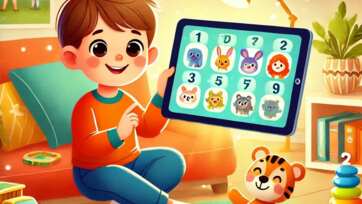
Parents today often feel confused about screen time. On one hand, cartoons keep children engaged and happy. On the other, there is a fear that too much watching may harm learning habits. The truth sits somewhere in the middle. When chosen carefully, educational cartoons can actually strengthen a child’s thinking ability, emotional balance, and real-life understanding.
For parents visiting kids-focused websites that offer cartoons along with learning content, it is important to see these videos not as distractions, but as tools. When designed with purpose, cartoons become part of early education rather than a break from it.
This article explains how visual storytelling helps children grow mentally, socially, and emotionally—and how parents can use it wisely.
Why Young Children Learn Faster Through Visual Experiences
Children under the age of six are visual learners by nature. Their brains respond more strongly to images, colors, and actions than to long verbal explanations. This is why a child can remember a cartoon character’s actions instantly but may forget instructions given just minutes earlier.
Visual learning works because it activates multiple senses at once. The child sees movement, recognizes patterns, and connects emotions with actions. This creates stronger memory pathways.
For example, when a cartoon shows a character putting toys back in the correct place, the child understands organization without needing a lecture. The brain processes the message through observation rather than instruction.
Building Thinking Skills Before School Even Begins
Long before children start reading or solving math problems, they begin developing logical thinking. Educational cartoons quietly introduce these concepts in ways children naturally understand.
Learning to Recognize Patterns and Categories
Many cartoons use colors, shapes, or objects that need to be matched or sorted. These simple visuals train the brain to identify similarities and differences.
A scene where characters group red, blue, and yellow items may look playful, but it is actually teaching classification—a skill later used in mathematics, science, and reading comprehension.
This kind of learning feels like fun, yet it lays the groundwork for structured thinking.
Understanding Cause and Effect Through Stories
Children also begin to understand how actions lead to results. When a character presses a button and something changes, children learn that behavior has consequences.
These repeated story patterns help children:
- Predict outcomes
- Develop curiosity
- Understand responsibility
This early awareness becomes the base for problem-solving later in school.
Supporting Emotional Growth Through Relatable Characters
One of the biggest advantages of cartoons is their ability to teach emotions safely. Young children often feel strong emotions but do not yet know how to express them.
When they watch characters showing happiness, sadness, fear, or excitement, they begin recognizing those same feelings within themselves.
Helping Children Identify Their Emotions
Clear facial expressions and simple storylines allow children to connect feelings with situations. A character feeling nervous before trying something new mirrors real childhood experiences.
This helps children slowly learn emotional language instead of reacting through frustration or crying.
Teaching Empathy Without Direct Instruction
Stories where characters help each other encourage kindness naturally. Children see sharing, cooperation, and problem-solving modeled visually.
Instead of being told “be nice,” they witness why kindness matters. This form of learning is far more effective because children imitate what they observe.
Turning Everyday Lessons Into Engaging Adventures
Children often resist routines like cleaning up, brushing teeth, or following instructions. Cartoons can transform these daily habits into positive experiences.
Making Healthy Habits Feel Rewarding
When characters practice hygiene or complete simple responsibilities, children begin copying those behaviors willingly. The task feels like play rather than obligation.
Parents often notice that children repeat phrases or actions seen in cartoons during real-life activities. This imitation is a powerful learning mechanism.
Encouraging Confidence and Independence
Cartoons frequently show characters solving small challenges themselves—building something, fixing mistakes, or helping others.
These examples give children confidence to try tasks independently. They begin believing they are capable, which strengthens self-esteem at an early age.
Inspiring Creativity and Imagination
Imagination is not just entertainment. It plays a major role in brain development by encouraging flexible thinking.
Cartoons often include imaginative scenarios where ordinary objects become tools for adventure. A simple box becomes an airplane. A backyard becomes a jungle. These playful ideas encourage children to think creatively in their own environment.
Children exposed to imaginative storytelling are more likely to:
- Invent games
- Explore solutions independently
- Stay curious about their surroundings
Creative thinking later supports innovation, writing skills, and problem-solving abilities.
Introducing Children to the Real World in a Simple Way
Educational cartoons also help children understand environments they may not experience daily.
Learning About Nature and Food Sources
Stories involving farms, animals, or gardens introduce children to where food comes from and how nature works. This encourages respect for living things and builds awareness about healthy eating.
For children growing up in urban areas, these visuals provide an early connection to agriculture and the natural environment.
Understanding Community Roles
Cartoons often include characters performing helpful roles—drivers, helpers, caretakers, or builders. These portrayals show that everyone contributes to society in different ways.
Children begin understanding cooperation and responsibility long before formal education explains these ideas.
The Difference Between Meaningful Cartoons and Passive Watching
Not all cartoons offer developmental value. Fast-paced content filled only with noise and action may entertain but does little to support learning.
Educational cartoons are different because they focus on clarity, repetition, and storytelling with purpose. They allow children to absorb lessons rather than just react to stimulation.
Quality matters far more than quantity. Even limited screen time can be beneficial when the content is intentional.
How Parents Can Make Cartoon Time More Effective
Cartoons become far more useful when parents stay lightly involved. This does not require sitting through every episode. Small interactions can strengthen learning.
For example:
- Encouraging children to repeat a positive action seen in the story
- Connecting a cartoon lesson to a real-life situation
- Praising children when they imitate helpful behaviors
These simple steps help transfer learning from the screen into daily life.
Why Kids’ Websites That Combine Cartoons and Articles Are Valuable
Websites that provide both engaging videos and informative articles create a balanced experience for families. Children enjoy the visuals, while parents gain insight into what their child is learning.
This combination builds trust and turns entertainment into guided development.
Parents today are not just searching for cartoons. They are looking for safe, meaningful digital spaces that contribute to their child’s growth.
Providing thoughtful written content alongside videos helps families understand the purpose behind what their children watch.
A Modern Approach to Learning in the Digital Age
Digital media is now part of childhood. Instead of viewing it as an obstacle, parents can treat it as a tool when used responsibly.
Educational cartoons align with how young minds naturally learn—through observation, repetition, and emotional connection. They bridge the gap between play and education in ways traditional instruction cannot achieve alone.
When selected carefully, they complement real-world experiences rather than replace them.
Final Thoughts: Using Cartoons as Development Tools, Not Just Entertainment
Cartoons can do far more than pass time. They can introduce logic, nurture empathy, build confidence, and spark curiosity during the most critical years of brain development.
The key is mindful selection and gentle parental involvement.
When used wisely, screen time becomes a learning partner—helping children understand their world, express their feelings, and build the foundation for future education.
In today’s environment, the smartest approach is not to remove cartoons from childhood, but to choose the ones that help children grow.