Why Visual Learning Is Reshaping Early Childhood Education in the Digital Age

Parents and educators across South Asia are noticing a visible shift in how young children learn. A toddler today often recognizes colors, vehicles, and animal names before forming complete sentences. This is not accidental. Carefully designed visual media—bright animations, expressive characters, and relatable storylines—have become one of the most influential learning environments for children aged 2 to 7.

In Pakistan, where preschool enrollment and informal home-based learning are both common, screens are often the first “interactive classroom.” The real issue is no longer whether children are exposed to digital content, but whether that content actually builds thinking skills, emotional awareness, and practical understanding of the world.

When used correctly, visual storytelling does not replace traditional learning. It accelerates it.

How Bright Colours and Repetition Build Early Brain Architecture

A child’s brain is wired to detect contrast, repetition, and patterns long before it can understand language. This is why educational visuals rely heavily on bold colours, simple shapes, and repeated scenarios.

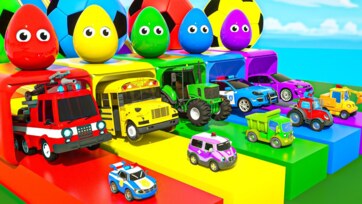
When a child repeatedly sees a red truck carrying red objects or a blue container paired with blue items, the brain begins forming classification systems. Psychologists call this categorisation ability—the mental skill required for mathematics, reading comprehension, and logical reasoning later in life.

In practical terms, this means:

A preschooler sorting colored blocks after watching similar visual content is not just playing. The child is rehearsing the mental processes needed for algebra years later.

In many Pakistani households, parents already reinforce this unknowingly. Matching socks, separating lentils, and arranging fruit—these daily routines mirror the same cognitive exercises visual media introduces.

Digital learning works best when it reflects real life, not when it replaces it.

Understanding Cause and Effect Through Animated Problem-Solving

Children do not learn physics through formulas. They learn it by watching things move, fall, collide, and get fixed.

Scenes showing vehicles stuck in mud, objects being lifted together, or tools solving problems teach cause-and-effect reasoning. These scenarios help children grasp:

  • Actions create consequences
  • Some problems require teamwork
  • Physical environments influence outcomes

For example, when multiple animated machines work together to pull something heavy, children begin understanding cooperation as a functional necessity, not just a moral lesson.

This kind of visual modelling is especially powerful in regions where children grow up observing real mechanical activity—tractors in villages, repair workshops in towns, delivery systems in cities. The connection between screen and street becomes immediate and meaningful.

Emotional Intelligence Begins With Recognising Faces and Expressions

One of the most underestimated roles of children’s visual media is emotional education.

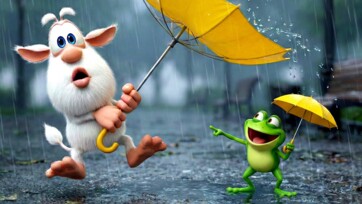
Young children cannot describe anxiety, jealousy, or fear. But they can recognise exaggerated expressions—wide eyes, tears, smiles, hesitation. These visuals provide what psychologists call an emotional vocabulary before language.

When children see characters reacting to:

  • Visiting a doctor
  • Sharing toys
  • Facing something unfamiliar
  • Making mistakes

They begin mapping their own feelings onto recognisable patterns.

This matters deeply in cultures where emotional expression is often guided by family structure rather than formal teaching. Visual narratives quietly normalise feelings that children may not yet know how to explain.

A child who has seen characters overcome fear is more likely to cooperate during a real-life vaccination or first school day.

Story-Based Learning Makes Responsibility Feel Like Adventure

Children resist instructions. They respond to stories.

Turning everyday responsibilities into imaginative scenarios—cleaning, helping, organising, preparing—changes how children interpret expectations. Instead of feeling controlled, they feel involved.

Visual media that present children as pilots, caretakers, drivers, or helpers taps into role-based learning, a method proven to increase confidence and independence.

In many Pakistani families, children already imitate adults:

A child pretends to run a shop.
Another mimics cooking.
Someone “drives” a chair like a motorcycle.

Educational visuals amplify this natural imitation by structuring it into problem-solving narratives.

Responsibility becomes play. Play becomes preparation for life.

Introducing Nature and Food Systems Through Familiar Imagery

Urban children today are increasingly disconnected from how food is grown and transported. Visual storytelling reconnects them with agriculture, animals, and natural environments in ways textbooks cannot.

When children watch stories involving harvesting, transporting produce, or caring for animals, they begin to understand that food does not originate in supermarkets. It comes from effort, land, and systems.

This is particularly relevant in Pakistan, where agriculture remains a major part of the economy, yet many urban families are several generations removed from farming life.

Visual exposure builds early respect for resources—something environmental education often struggles to achieve later.

The Hidden Power of Predictable Narratives

Adults often complain that children want to watch the same content repeatedly. That repetition is not mindless entertainment. It is neurological reinforcement.

Predictable story structures help children develop:

  • Memory sequencing
  • Anticipation skills
  • Confidence in understanding outcomes
  • Language rhythm recognition

Repetition strengthens neural pathways the same way physical practice strengthens muscles.

In early development, familiarity is not boredom. It is mastery under construction.

Why Relatable Characters Matter More Than Realism

Highly realistic educational material does not always work best for young minds. Children connect more easily with simplified, expressive, slightly exaggerated characters because these figures highlight essential information without distraction.

A stylised character showing clear happiness or sadness communicates emotional signals faster than a realistic one. The brain processes symbolic imagery more efficiently at early ages.

This is why anthropomorphic (human-like animal or object) characters remain effective teaching tools worldwide. They allow children to focus on lessons without cultural, social, or identity barriers.

The character becomes a universal learner’s companion.

Balancing Digital Exposure With Real-World Interaction

Visual education is powerful, but it reaches full effectiveness only when paired with physical experience.

A child who watches content about animals should also visit a park or observe birds.
A child who learns about sorting should handle real objects.
A child exposed to teamwork narratives should engage in group play.

Research consistently shows that blended learning environments—digital plus hands-on—produce stronger developmental outcomes than either approach alone.

The goal is not more screen time. The goal is meaningful screen time.

What Parents and Educators Should Look for in Quality Content

Not all visual media support development. High-quality learning content shares several characteristics:

It emphasises problem-solving rather than passive watching.
It uses repetition with variation instead of random stimulation.
It models cooperation, empathy, and curiosity.
It connects imagination to real-life situations that children recognise.

Fast-paced, overstimulating visuals without narrative logic may entertain, but they rarely educate.

Intentional design is the difference between distraction and development.

The Long-Term Impact: Preparing Children for a Complex World

The children growing up today will enter a future shaped by rapid technological, social, and environmental change. Early learning must prepare them not just to memorise facts, but to interpret situations, adapt emotionally, and think critically.

Thoughtfully designed visual learning environments already begin this preparation by:

Teaching systems before subjects
Encouraging empathy before competition
Building curiosity before instruction
Normalising problem-solving as part of daily life

These are not small outcomes. They are foundational traits for lifelong learning.

A New Educational Reality Parents Cannot Ignore

Visual media is no longer an optional supplement to childhood education. It is an active participant in shaping how children think, feel, and interact with the world.

Ignoring this shift does not protect children—it simply leaves their development to uncontrolled content.

Guided exposure, however, can transform everyday screen use into a powerful educational ally. When aligned with real-world experiences and thoughtful parenting, visual storytelling becomes one of the most effective early-learning tools ever created.

The modern child is learning through images, motion, and narrative long before formal schooling begins. Understanding this transformation is not just useful for parents and educators—it is essential for raising confident, capable l

Advertisement
How Children Can Become Lifelong Learners
Understanding What Curiosity Really Means Curiosity is the natural desire to know more about the world. Every child is born curious. You can see it when they ask endless questions like “Why is the sky blue?” or “How do birds fly?” These questions are not small; they are the beginning of learning. Curiosity is like a flashlight in a dark room. It helps children explore, discover, and understand things step by step. When children stay curious, learning never feels boring. It becomes an adventure. Research in education shows that curious students remember information longer because they are emotionally involved in learning. They are not memorizing—they are exploring. Why Curiosity Is More Important Than Memorization: Many children think being smart means remembering everything in textbooks. But true intelligence comes from understanding ideas, not just storing facts. A child who asks questions learns how to think. A child who only memorizes learns what to repeat. Thinking Builds Stronger Brains: When children wonder how things work, their brains form new connections. Scientists call this “active learning,” which strengthens memory and problem-solving skills. Memorization fades with time. Understanding stays for life. Curiosity Encourages Creativity: Creative thinking begins with asking “What if?” Many great discoveries happened because someone dared to imagine something different. Children who stay curious grow into adults who invent, design, and solve problems. Everyday Ways Children Can Practice Curiosity: Curiosity does not require expensive tools or special classes. It can grow through simple daily activities. Observe the World Carefully: Encourage children to notice small details. How do plants grow? Why do shadows change during the day? What happens when ice melts? Observation turns ordinary moments into learning experiences. Ask Questions Without Hesitation: There is no limit to questions. Asking questions shows courage and interest in learning. Sometimes the answer may not be immediate—and that is perfectly fine. Searching for answers is part of the process. Try New Activities Regularly: Learning something new, like drawing, gardening, or building models, expands thinking. Each new activity introduces new skills and challenges. Routine is comfortable, but new experiences make the brain stronger. The Role of Reading in Developing Curious Minds: Reading is one of the most powerful tools for curiosity. Books allow children to explore places, ideas, and cultures without leaving home. Stories Expand Imagination: When children read stories, they imagine characters, settings, and solutions. This strengthens creativity and emotional understanding. A child reading about space begins to wonder about stars. A child reading about animals begins to care about nature. Informational Books Build Knowledge: Books about science, history, and technology answer questions while creating new ones. This cycle keeps curiosity alive. The goal is not to read more books, but to read with interest. How Parents and Teachers Can Encourage Curiosity: Adults play a major role in shaping how children approach learning. A supportive environment makes curiosity grow naturally. Welcome Questions Instead of Dismissing Them: When a child asks something repeatedly, it shows they are trying to understand deeply. Responding patiently encourages confidence. Ignoring questions can make children feel their curiosity is unimportant. Focus on Exploration, Not Just Results: Instead of asking, “Did you get the right answer?” try asking, “How did you solve it?” This shift teaches children to value thinking rather than just outcomes. Allow Safe Mistakes: Mistakes are not failures. They are experiments. Every error teaches what does not work, which leads closer to what does. Children who are afraid of mistakes stop asking questions. Children who feel safe keep exploring. Technology and Curiosity: Using It Wisely: Technology can support learning if used carefully. Educational videos, digital libraries, and interactive tools can introduce new ideas. However, passive screen time—such as endless scrolling—does not encourage thinking. Use Technology to Create, Not Just Consume: Children can use devices to research topics, draw digital art, or watch educational content. This transforms technology into a learning tool. The goal is engagement, not distraction. Outdoor Experiences and Real-World Learning: Nature is one of the best classrooms. Outdoor environments provide hands-on learning that no textbook can replace. Nature Teaches Science Naturally: Watching birds, feeling soil, or observing weather changes helps children understand science in a real way. These experiences build curiosity through direct interaction with the environment. Physical Exploration Improves Mental Growth: Climbing, walking, and exploring improve both physical health and confidence. Active bodies support active minds. Learning does not only happen at a desk. Building Problem-Solving Skills Through Curiosity: Curiosity leads children to solve problems independently. Instead of waiting for instructions, they begin testing solutions. Encourage “Figure It Out” Moments: When children face small challenges, guide them rather than solving everything for them. Let them think, try, and adjust. This develops resilience and logical thinking. Real-Life Problems Are the Best Teachers: Simple tasks like organizing school materials or planning homework schedules teach responsibility and planning skills. These lessons prepare children for real-world situations. Emotional Benefits of Staying Curious: Curiosity is not just about knowledge. It also improves emotional well-being. Children who explore and learn actively often feel more confident and less anxious. They see challenges as opportunities instead of obstacles. Curiosity gives children a sense of purpose. It keeps their minds engaged and reduces boredom. Creating a Daily Curiosity Routine: Developing curiosity can be part of everyday life. Start the Day With a Question: Encourage children to begin each day wondering about something new. Even a small question can lead to meaningful learning. Reflect on Discoveries Before Sleeping: At night, children can think about what they learned during the day. Reflection strengthens understanding and memory. Learning becomes a continuous cycle rather than a one-time event. Final Thoughts: Raising Curious Children for a Changing World: The future belongs to those who can think, adapt, and learn continuously. Curiosity prepares children for this future better than memorization ever can. A curious child becomes an independent learner. An independent learner becomes a confident adult. And a confident adult can face challenges, explore opportunities, and contribute positively to society. Education is not only about passing exams. It is about understanding the world, asking meaningful questions, and never losing the excitement of discovery. When curiosity is protected and encouraged, learning stops being a task—and becomes a lifelong journey.  
Advertisement
A Parent’s Guide to Smart Screen Time
Many parents feel uncertain when their child spends time watching cartoons. It often looks like pure entertainment, something that should be limited or even avoided. But research in early childhood learning shows a different picture. When cartoons are thoughtfully designed and paired with meaningful guidance, they can actively support a child’s cognitive, emotional, and social development. For parents running or visiting kids-focused websites—especially those that combine cartoons with articles—understanding this connection is essential. The goal is not to eliminate screen time. The goal is to transform it into intentional learning. This article explains how visual storytelling in cartoons helps children think better, manage emotions, and understand the world around them. Why Young Children Learn Better Through Visual Content Children under the age of seven do not learn the way adults do. They do not respond strongly to lectures, long explanations, or abstract ideas. Their brains are wired to learn through seeing, repeating, and emotionally connecting. Visual content activates multiple areas of the brain at once: Colors help recognition and memory Movement builds attention and understanding Characters create emotional connection Repetition strengthens learning pathways In simple words, children understand what they see long before they understand what they are told. That is why a cartoon showing a character sorting shapes can teach more effectively than verbal instruction alone. Cartoons as a Foundation for Early Thinking Skills Before a child studies mathematics or science in school, their brain begins building logical frameworks. Educational cartoons quietly introduce these mental structures through storytelling. Learning to Classify and Organize When children watch characters group objects by color, size, or type, they begin understanding categorization. This is the earliest stage of analytical thinking. For example, when a cartoon shows toys being placed into matching boxes: The child learns similarities and differences The brain practices pattern recognition Logical grouping becomes natural These small lessons later support math skills, reading comprehension, and problem-solving. Understanding Cause and Effect A child watching a character press a button and see something happen learns an essential rule: actions create results. This simple observation builds the base of scientific thinking. Cause-and-effect storytelling helps children predict outcomes, ask questions, and experiment in real life. Supporting Emotional Intelligence Through Storytelling Education is not only about academics. Emotional intelligence—understanding feelings and responding to others—is just as important for long-term success. Cartoons create safe emotional experiences where children can observe reactions and outcomes without fear. Recognizing Feelings Young children often feel emotions they cannot describe. Visual storytelling helps them identify those feelings. When characters show happiness, sadness, frustration, or excitement, children begin to connect facial expressions with emotional states. This helps them later say things like:“I feel upset” or “I am happy,” instead of reacting with confusion or tantrums. Learning Empathy Naturally Stories where characters help each other teach kindness without direct instruction. Children see cooperation, sharing, and forgiveness modeled in ways they understand. Instead of being told to behave well, they witness why positive behavior matters. That difference is powerful. Teaching Daily Life Skills Without Resistance One of the strongest benefits of educational cartoons is their ability to introduce everyday responsibilities in a non-threatening way. Children resist commands. They respond to imitation. Building Healthy Habits When children repeatedly see characters washing hands, cleaning spaces, or preparing for activities, they begin copying those behaviors voluntarily. The lesson feels like play, not discipline. Encouraging Independence Cartoons often show characters solving small problems themselves—putting things away, helping others, or completing tasks. These scenes encourage confidence and self-reliance. Children begin to think they are capable of doing things on their own. This mindset is critical for early development. Stimulating Creativity and Imagination Imagination is not separate from intelligence. It plays a major role in innovation, adaptability, and learning flexibility. Cartoons often use imaginative scenarios—creative building, pretend adventures, or playful problem-solving—to encourage open thinking. Children exposed to imaginative storytelling are more likely to: Create their own games and stories Use everyday objects creatively Explore ideas instead of waiting for instructions A child who imagines solutions develops stronger thinking skills later in school. Helping Children Understand the Real World Educational cartoons also introduce children to real-world environments in simplified, approachable ways. Awareness of Nature and Food Sources When children see animated farms, animals, or growing food, they begin understanding where things come from. This builds appreciation for nature and encourages healthier attitudes toward eating. Understanding Community Roles Stories often include helpers, workers, or caretakers performing meaningful tasks. These portrayals introduce the idea that every person contributes to society. Children begin recognizing structure, responsibility, and cooperation within communities. The Difference Between Educational and Passive Screen Time Not all cartoons provide value. Fast, chaotic, or purely entertainment-driven content can overstimulate children without teaching meaningful lessons. Educational cartoons are designed differently: Slower pacing supports comprehension Repetition reinforces learning Clear narratives guide understanding Positive outcomes model behavior Quality matters far more than quantity when it comes to screen exposure. Parents should focus on selecting intentional content rather than simply reducing viewing time. How Parents Can Turn Watching Into Active Learning Cartoons become far more effective when parents engage in small ways. This does not require constant supervision or extra effort. Simple follow-up actions make a big difference: Talking briefly about what happened in the story Encouraging children to repeat an activity shown Connecting lessons to daily routines For example, if a character organizes toys, inviting the child to do the same helps transfer the idea from screen to real life. This connection strengthens learning dramatically. Why Kids’ Websites Combining Cartoons and Articles Matter Websites that provide both cartoons and written guidance offer a complete learning environment for families. Cartoons engage children visually.Articles help parents understand the developmental value behind what their child watches. This combination turns casual viewing into structured growth. Parents today are not only searching for entertainment—they are searching for trustworthy platforms that support their child’s development. Providing thoughtful explanations alongside content builds credibility and long-term audience trust. The Modern Reality: Learning Has Changed, and That’s Not a Bad Thing Today’s children grow up surrounded by digital visuals. This is a reality, not a temporary phase. Trying to remove all exposure is neither practical nor necessary. The smarter approach is to guide how children interact with visual media. Educational cartoons, when selected carefully, align with how young brains naturally process information. They combine storytelling, psychology, and developmental science into formats children willingly accept. And children learn best when they feel they are playing. Final Thoughts: Turning Entertainment Into Opportunity Cartoons are not automatically educational. But when designed with purpose and supported by parental awareness, they become powerful developmental tools. They teach logic through patterns.They teach empathy through characters.They teach responsibility through stories.They introduce the world in ways children can understand. Instead of seeing cartoons as distractions, parents can view them as early learning companions—tools that shape thinking, emotions, and curiosity during the most important years of growth. Used wisely, screen time does not compete with education.It becomes part of it.  
The Joy of the Open Road
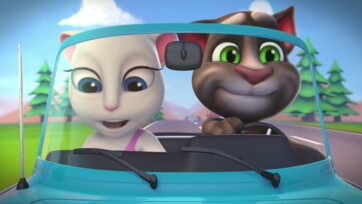
Adventure and Companionship There is a timeless magic found in the concept of a road trip—the winding asphalt, the passing scenery, and the shared excitement of heading toward a new destination. For many, these journeys are less about the final stop and more about the quality time spent with those in the passenger seat. Whether it is a real-life trek across the country or a digital adventure in a colorful world, the themes of travel and companionship resonate deeply with explorers of all ages. Through the lens of modern animation and storytelling, we see how the "journey" can be used as a powerful metaphor for growth, friendship, and discovery. By putting characters in the driver's seat, creators allow audiences to experience the thrill of the unknown alongside their favorite personalities. The Anatomy of a Perfect Road Trip What makes a drive through the countryside so special? It is a combination of environmental beauty and the specific atmosphere of the vehicle. The Scenic Backdrop A classic journey often takes place against a backdrop of rolling hills and lush greenery. The Evergreen Forest: Tall, conical pine trees lining the road provide a sense of structure and rhythm to the passing view. The Infinite Horizon: Under a bright, clear sky with soft white clouds, the road seems to stretch on forever, representing endless possibilities. The Winding Road: A smooth, two-lane highway with clear markings invites the traveler to keep moving forward, curious about what lies around the next bend. The Vessel of Adventure The vehicle itself is more than just a machine; it is a mobile sanctuary. A Pop of Color: Brightly colored cars, such as those in shades of cyan or turquoise, stand out against the natural greens and browns of the landscape, symbolizing the vibrancy of the travelers within. The Convertible Experience: An open-top car removes the barrier between the travelers and the world, allowing them to "feel" the air and see the sky without obstruction. Personal Touches: From the rearview mirror to the dashboard, the interior of a car becomes a small, intimate stage where the story of a friendship unfolds. The Dynamics of Companionship The heart of any great trip is the relationship between the driver and the passenger. Shared Happiness and Communication When two individuals embark on a journey, they are committing to a shared experience. Joyful Expressions: Wide smiles and bright, engaged eyes are the universal signals of a good time. Seeing characters enjoy each other's company reinforces the idea that life is better when shared. The Driver's Focus: A steady hand on the wheel and a calm gaze forward show a sense of responsibility and confidence. The Passenger's Wonder: Looking out through the windshield with excitement allows the passenger to act as the "eyes" of the journey, pointing out the beauty along the way. Contrast and Harmony Often, the most interesting traveling duos are those who complement each other through their differences. Whether it is a contrast in color—such as a sleek white character next to a warm brown one—or a difference in personality, these pairings show that diversity makes a team stronger. Visual Storytelling in Animation Animation uses specific techniques to make the audience feel like they are part of the drive. First-Person Perspective By placing the "camera" just behind the dashboard, the viewer feels like they are sitting in the back seat. This creates an immersive experience where we see exactly what the characters see—the road ahead, the trees passing by, and the clear blue sky. Expressive Features Characters in these worlds often have large, expressive eyes that act as windows to their emotions. Vibrant Colors: Eyes in shades of bright green or deep blue draw the viewer's attention and make the characters feel more "alive" and relatable. Exaggerated Smiles: Wide, cheerful mouths help convey a sense of pure, uncomplicated happiness that is infectious to the audience. Lessons for Young Explorers Beyond the fun, there are many subtle lessons tucked away in a story about a road trip. The Importance of Safety Even in a world of talking animals and magical roads, safety is key. Seeing characters sitting securely in their seats and focusing on the road ahead teaches children that while adventure is fun, being careful is what allows the adventure to continue. Navigating Change A road trip is all about transition. Moving from one place to another helps children understand the concept of time and distance. It teaches them that even if the scenery changes, the people (or pets!) with them remain a constant source of comfort. Appreciation for Nature By highlighting the beauty of the trees and the sky, these stories encourage children to look out their own windows during real-life car rides. It fosters an early love for the environment and a curiosity about the world outside their own neighborhood. Conclusion: The Road That Never Ends The image of two friends driving toward the horizon is a powerful symbol of hope and happiness. It reminds us that no matter where we are going, the most important part of the journey is the smile on our faces and the friend by our side. As the road winds through the green pines and under the sunny sky, we are reminded that every day is a new opportunity for an adventure. So, buckle up, check the mirror, and get ready to see what’s around the next corner—the world is waiting for you!
The Visual-First Era of Children’s Media
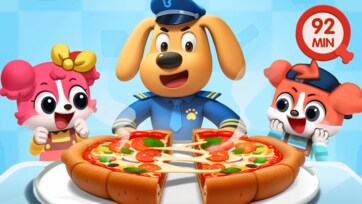
Modern children’s media has entered a revolutionary “visual-first” era. High-saturation imagery, anthropomorphic characters, and carefully modeled social interactions now function as more than entertainment—they form a foundational cognitive scaffold. By translating abstract concepts such as the mechanics of physics, social hierarchies, and internal emotional experiences into concrete, playful narratives, this media equips children to interpret the world before they fully master language or numerical reasoning. The following analysis explores the pedagogical depth of visual storytelling across four essential developmental domains. Cognitive Logic: Pattern Recognition, Sequencing, and Mechanics Visual narratives provide a primary platform for early logical reasoning. Children learn to decode how systems operate, how objects relate, and how sequences unfold—all without relying on verbal instruction. Chromatic Logic and Sequential Awareness Color is used intentionally as a cognitive cue for pattern recognition and categorization. Sequential Sorting: A pink tractor pulls a train of multicolored trailers—red, yellow, green, and blue ice cream cones—helping children understand linear order, grouping, and the concept of progression. Anatomical Visualization: Glow-in-the-dark skeletons in bright primary colors introduce human anatomy playfully, teaching children to identify structural features and compare attributes across similar forms. Identity and Temporal Cues: A character holding a popsicle shaped exactly like itself, paired with a “1 HOUR” countdown, helps children link visual identity with the abstract notion of duration and time awareness. By combining color, form, and sequencing, children develop foundational skills in logical organization and early mathematical thinking. Mechanical Principles and Collaborative Problem-Solving Play-based depictions of machinery provide hands-on models of physics and teamwork. Coordinated Recovery Operations: Two overturned trucks in a mud pit are rescued by a crane, a tractor, and several excavators, demonstrating leverage, tension, and the necessity of collaborative effort. Forces and Resistance: Characters engaged in a tug-of-war with giant scissors—or a “ninja” attempting to restrain two cows—illustrate opposing forces, tension, and weight in an intuitive, playful manner. Interconnected Systems: A baby suspended within interlocking gears shows how each moving part contributes to a larger mechanism, teaching dependency and system thinking. These scenarios allow children to explore physics and engineering concepts through visually engaging, narrative-driven play. Social-Emotional Learning (SEL): Recognition, Validation, and Empathy Visual media provides a vocabulary for feelings that children cannot yet articulate, fostering emotional intelligence and self-regulation. Mirroring Emotions and Navigating the “Uncanny” Exaggerated expressions and surreal scenes act as psychological mirrors. Visual Shorthand for Surprise: Wide-eyed reactions—such as a character confronted by a living T-Rex or a giant bitten strawberry—signal universal alarm, helping children understand sudden events. Social Change and Exclusion: Imagery of a peer’s head transforming into a toothy cup allows children to process the fear of social exclusion and changes in peer relationships. Perspective and Identity: A startled character observing a calm giant bee demonstrates individual differences in reaction, while characters with glowing eyes or fangs metaphorically explore feelings of “otherness” and emotional masking. These visual metaphors help children label and discuss complex feelings safely. Modeling Care and Proactive Empathy Depictions of supportive interactions teach actionable strategies for empathy. Caring for the Sick: A child brings lemon water and a thermometer to a peer with a fever, modeling practical compassion. Environmental Stewardship: Scenes of children sheltering a lamb or a frog from rain foster a sense of responsibility for others and the environment. Harmonious Play: A cat and a chicken sharing a colorful soccer ball highlights cooperative play across differences, reinforcing fairness and inclusion. Through these narratives, children learn to recognize others’ needs and act with empathy. Life Skills: Responsibility, Hygiene, and Social Awareness By transforming ordinary tasks into imaginative adventures, visual media makes societal norms and routines engaging. Hygiene and “Health Heroes” Abstract threats like germs are brought to life as playful villains, teaching children the rationale behind cleanliness. Automated Maintenance: A police dog driving through a colorful car wash demonstrates the importance of routine hygiene in a fun, memorable way. Joyful Bathing: Characters delighting in tubs of pink bubbles teach children to associate bathing with creativity, sensory enjoyment, and self-care. Economic Literacy and Social Structures Early depictions of wealth, labor, and authority provide a scaffold for understanding social dynamics. Economic Disparities: Contrasting a child with cash and a “money house” against one with a broom and a cardboard home introduces basic lessons in labor, fairness, and economic reality. Authority and Fairness: Figures such as “police babies” and police dogs organizing tasks—from guiding a mermaid to sharing a heart-shaped pizza—illustrate communal responsibility and justice. These scenarios blend imaginative play with real-world lessons on societal participation and ethical behavior. Environmental Literacy and Resource Awareness Nature-based themes and communal interactions connect children to the origins of resources and the wider ecological world. Agricultural Logistics: A monkey transporting bananas introduces children to farm-to-table concepts, illustrating labor, responsibility, and the value of food systems. Shared Rewards: Serving a heart-shaped pizza to a group symbolizes the joy of collaboration and communal achievement. Biodiversity and Wonder: Interactions with giraffes, calves, or dinosaurs encourage curiosity, respect for living beings, and environmental engagement. By combining human, animal, and ecological interactions, children develop early stewardship, observation skills, and a sense of wonder. Conclusion: Bridging Digital Media and Reality The visual landscape of modern children’s media is an integrated tapestry designed to cultivate the “whole child.” Through bold colors, expressive characters, and collaborative challenges, these narratives teach logic, empathy, social responsibility, and environmental awareness. Each scenario bridges the gap between the digital world and tangible reality. Whether sorting colorful trailers, rescuing vehicles, sheltering animals, or negotiating resistance in tug-of-war scenarios, children develop a resilient cognitive, emotional, and social foundation—one engaging, frame-by-frame experience at a time.
How Educational Cartoons Help Children Learn Faster
In today’s digital world, children are exposed to screens earlier than ever before. Many parents worry that cartoons are only entertainment, something that distracts kids rather than helps them grow. But when designed thoughtfully, educational cartoons can actually support brain development, emotional balance, and everyday learning. For websites that provide children’s cartoons along with written content, this combination can become a powerful learning environment. Visual storytelling does not replace education. It becomes a bridge between play and understanding. Let’s explore how this “visual-first” learning style helps children develop essential life skills while they enjoy the content they love. Why Children Naturally Learn Better Through Visual Content Young children do not learn the same way adults do. They are not ready for long explanations or abstract ideas. Their brains respond strongly to movement, colour, sound, and facial expressions. This is why a child may forget verbal instructions but clearly remember what a cartoon character did hours earlier. Visual learning works because it activates observation, memory, and emotion at the same time. Instead of memorising, children experience the lesson. For example, when a cartoon character organises toys by colour or shape, the child understands sorting without being formally taught. The brain absorbs patterns naturally through repetition. Developing Early Thinking Skills Without Pressure Before children learn reading or mathematics, they begin building logical thinking. Educational cartoons introduce these ideas in ways that feel like fun rather than study. Learning Colours, Patterns, and Matching Bright visuals help children identify similarities and differences. When children group objects by colour or match items together, children begin understanding categorisation. This simple activity is actually the foundation of: Mathematical thinking Problem-solving ability Memory organization These skills develop quietly while children watch engaging stories. Understanding Cause and Effect Through Stories Cartoons often show clear results from actions. A character makes a mistake, fixes it, and learns something. These sequences teach children that actions have consequences. This builds early reasoning skills, helping children predict outcomes and make better choices in real life. How Cartoons Support Emotional Development Children feel emotions deeply but often cannot explain them. Educational cartoons give them a safe way to understand feelings. Recognising Emotions Through Expressions When characters show happiness, fear, sadness, or excitement, children begin identifying those same emotions within themselves. A child watching a nervous character try something new realises that feeling unsure is normal. This helps reduce anxiety and encourages confidence. Learning Kindness and Empathy Naturally Stories that include helping, sharing, or comforting others model positive behaviour. Children copy what they see. Instead of hearing “be kind,” they witness kindness in action. This visual modelling is one of the strongest tools in early childhood learning. Teaching Everyday Life Skills Through Storytelling One major benefit of educational cartoons is their ability to turn routine tasks into exciting adventures. Encouraging Healthy Habits When characters brush teeth, clean up, or wash hands as part of the story, children start associating these habits with positivity rather than resistance. Parents often notice children repeating these actions voluntarily because they saw their favourite character do the same. Building Responsibility Through Role Play Cartoons frequently show characters taking on simple responsibilities like helping friends, completing tasks, or solving problems. This encourages children to try things independently, which builds self-confidence and decision-making ability. Boosting Creativity and Imagination Imagination is not just entertainment. It plays a key role in intellectual growth. Children who engage in imaginative thinking develop stronger creativity and flexibility in solving problems. Cartoons often transform ordinary situations into playful adventures. A cardboard box becomes an aeroplane. A backyard becomes a jungle. These ideas inspire children to explore creativity in their own surroundings. Creative thinking later supports: Writing and storytelling Innovation and curiosity Adaptability in learning Children begin to see possibilities instead of limitations. Introducing Children to the World Around Them Educational cartoons also help children understand real-life environments they may not experience daily. Learning About Nature and Food Stories that include animals, farms, or gardens introduce children to where food comes from and how living things grow. This builds awareness about healthy eating and respect for nature. For children growing up in cities, these visuals create an early connection to the natural world. Understanding Community Roles Cartoon characters often perform helpful roles like drivers, helpers, builders, or caregivers. These portrayals teach children that every role contributes to society. This understanding encourages cooperation and respect for others. Helping Children Manage Fear and New Experiences Children often face situations they find confusing or scary, such as visiting a doctor, meeting new people, or trying something unfamiliar. Cartoons present these experiences in a gentle and reassuring way. Characters may feel nervous but eventually succeed, showing children that fear is temporary and manageable. This emotional preparation helps children approach real-life situations with greater confidence. Encouraging Social Skills Through Story-Based Interaction Watching characters interact teaches children how relationships work. They learn about: Taking turns Sharing space Resolving disagreements Helping others These lessons prepare children for school environments where cooperation is essential. Children begin practising these behaviours naturally during playtime. The Difference Between Educational Cartoons and Pure Entertainment Not every cartoon offers developmental value. Fast-paced content filled only with noise and action may entertain but does little to support learning. Educational cartoons focus on clarity, repetition, and meaningful storytelling. They allow children time to understand and absorb ideas rather than simply react. Quality matters far more than quantity when it comes to screen time. How Parents Can Make Cartoon Time More Meaningful Parents do not need to eliminate screen time. Instead, they can guide it. Simple involvement makes a big difference: Talking briefly about what the child watched Connecting lessons to daily routines Encouraging children to imitate positive actions These small interactions turn passive watching into active learning. Why Kids’ Websites That Combine Cartoons and Articles Are Important Websites that provide both engaging videos and thoughtful written content offer more than entertainment. They create a structured learning space for families. Children enjoy the visuals, while parents understand the purpose behind the content. This balance builds trust and ensures screen time is used productively. Such platforms support both engagement and education without overwhelming young learners. A Modern Approach to Learning in the Digital Age Digital media is now part of childhood. Instead of resisting it completely, parents can choose content that supports development. Educational cartoons align with how children naturally learn—through seeing, feeling, and repeating experiences. When used wisely, they do not replace real-world learning. They prepare children for it. Final Thoughts: Turning Screen Time Into Growth Time Cartoons can either be noise or nourishment for a child’s mind. The difference lies in choosing content designed to teach through storytelling. Educational cartoons help children: Develop thinking skills Understand emotions Build confidence Learn everyday habits Explore creativity When combined with thoughtful guidance from parents, these visual experiences become stepping stones toward lifelong learning. Screen time does not have to be a struggle. With the right approach, it becomes an opportunity—one story, one lesson, and one smile at a time.  
The Role of Quality Children’s Videos in the Modern World – Learning and Fun Combined
In the digital age, where screens are everywhere, parents often worry about their children spending too much time watching videos. However, with the right content, these videos can be both entertaining and highly beneficial for a child’s development. A New Way of Learning Children are naturally curious and eager to learn, and quality children’s videos build on this curiosity. Interactive animations, songs, and stories teach in a playful way: • Language learning: Many videos help children learn new words and phrases, especially in other languages. Popular English nursery rhymes, like the alphabet song or counting songs, are both fun and educational. • Science and nature: Content that explores animals, natural phenomena, or even simple science experiments encourages kids to discover the world around them. • Social skills: Kids can learn how to navigate different situations, such as friendships, conflicts, or emotions. Why Is Video Learning So Effective? The combination of visual and auditory experiences is especially memorable for children. A colorful animation or catchy song is easier to retain than traditional textbook material. Characters on screen can serve as role models, demonstrating kindness, collaboration, or problem-solving. How to Choose the Right Content It’s important for parents to monitor what their children watch. Good children’s content should be:• Age-appropriate: Simple, colorful animations are ideal for younger children, while older kids can engage with more complex topics. • Value-driven: The content should convey positive messages that promote empathy, confidence, and positive thinking. • Interactive: Many modern videos encourage active participation, such as singing along or solving tasks. The Importance of Balance While quality children’s videos can offer a lot, screen time should still be limited. The best approach is to balance video watching with other activities like reading, outdoor play, or creative projects. Watching educational videos together as a family can also strengthen bonds and make learning more engaging. Future Possibilities The world of children’s videos is constantly evolving to better cater to kids’ learning needs. New technologies, such as interactive VR experiences or smart device integration, can further enhance the learning opportunities available to children. In summary, quality children’s videos are excellent tools for both education and entertainment. It’s up to parents to carefully select what their kids watch and help them explore the world in a positive and inspiring way.
: A Journey of Joy and Gentle Connections
A Journey of Joy and Gentle Connections The rural landscape has always been a sanctuary for discovery, a place where the simplicity of nature meets the boundless curiosity of youth. On a farm, the boundaries between the human and animal worlds often blur, creating a shared space of mutual respect and unbridled happiness. This setting serves as a powerful classroom for early childhood development, teaching the values of empathy, sensory exploration, and the beauty of finding joy in the most unexpected places—even in the middle of a muddy puddle. At the center of this agricultural adventure are young explorers, whose presence on the farm acts as a bridge between these two worlds. Their journey through the barnyard is not just a walk; it is an immersive experience that engages every sense and fosters a lifelong connection to living things. The Sensory Symphony of the Barnyard For a young child, the farm is a giant playground of textures, sounds, and colors. Every interaction is a sensory lesson that builds cognitive pathways and encourages physical exploration. The Tactile Magic of Nature Nature provides an endless array of sensory "toys" that stimulate a child's curiosity. The Sensation of Wet Earth: Sitting directly in a shallow brown puddle allows a child to experience the cool, squishy texture of the earth in a way that is purely tactile. A Badge of Honor: The splatters of mud on a bright yellow hoodie and tan pants are not messes to be avoided, but rather symbols of a day well-spent in active play. Gentle Interactions: The soft fur of a goat or the smooth feathers of a bird offer contrasting textures that help a child distinguish between different types of living things. A Palette of Vibrant Colors The farmyard is painted in a rich array of high-contrast colors that capture a child's attention and help them categorize their surroundings. The Radiant Sky: A bright blue sky creates a feeling of openness and freedom, providing a vast canvas for the day's adventures. The Living Green: Lush grass and rounded green bushes provide a soft, welcoming backdrop for animal interactions. Colorful Residents: From the bright red comb of a rooster to the deep brown and white patterns of goats, the animals introduce a variety of hues that pop against the green fields. Building Bridges: The Language of Animals The barnyard is home to a diverse community of creatures, each with its own personality and way of communicating. For a child, learning to navigate this community is a masterclass in social and emotional intelligence. The Bold and the Brave: The Rooster In the center of the muddy fun sits a vibrant rooster, his feathers a mix of deep blue, orange, and red. Face-to-Face Connection: Sitting eye-to-eye with a bird teaches a child about bravery and the quiet dignity of nature. A Symbol of Morning: The rooster represents the rhythm of the farm, his crows acting as the natural alarm clock that signals the start of a new adventure. The Gentle Companions: Cattle, Sheep, and Goats In the background, a group of smiling cows, fluffy sheep, and inquisitive goats look on with curiosity. Kind Expressions: The wide, friendly eyes of the cows—ranging from warm orange-brown to creamy tan—convey a sense of calm and safety. Nurturing Bonds: Kneeling in the grass to offer a hand to a small brown goat demonstrates a profound sense of care and friendship. A Diverse Family: Seeing animals of different sizes and colors—like black, white, and brown goats—living together harmoniously teaches children about diversity within a community. The Psychology of a Smile: Pure Happiness At the heart of the farm experience is the pure, infectious joy displayed by children during their interactions. This happiness is a vital indicator of emotional health and security. The Anatomy of Childhood Joy With a wide, toothy grin and bright, sparkling eyes, a child’s face tells a story of complete contentment. Uninhibited Expression: Unlike adults, children do not hide their joy. When they are happy, their whole face lights up, signaling to everyone around them that they feel safe and loved. A Signal of Trust: Being surrounded by large animals while sitting in the mud or kneeling in the grass requires a high level of trust in one's environment. This comfort level is essential for healthy emotional development. The Contagious Nature of Happiness Joy on the farm is a shared experience. When we see a child laughing in a puddle or gently stroking a goat's nose, it triggers a sense of warmth and peace in the viewer. Even the animals seem to participate, their smiling faces and attentive gazes suggesting a mutual bond of affection. Lessons in Responsibility and Empathy While a farm visit starts as play, it quickly evolves into a lesson in caretaking and stewardship. Nurturing the Small and Large Interacting with a rooster or feeding a goat helps a child realize that they are part of a larger ecosystem where every creature deserves kindness. This is the birth of empathy—the understanding that our actions affect the well-being of the living things around us. Understanding Habitats and Homes By seeing where animals live, eat, and play, children begin to understand the concept of a "habitat". They see the open fields where cows graze and the fences that keep sheep safe, helping them grasp the basics of environmental science. The Farm as a Lifetime Memory The experiences a child has on a farm are often among their most vivid early memories. These moments of "wild play" are essential for building a well-rounded and resilient individual. The Value of Being "Unplugged" In a world of screens and digital noise, the farm offers an "unplugged" experience where the only notifications are the sounds of a rooster crowing or a goat bleating. This allows the child’s brain to rest and focus on the immediate, physical world. Encouraging Outdoor Exploration A day at the farm is a day of constant movement. From crawling through the grass to sitting in a puddle, children are building motor skills and physical strength. This active lifestyle is the foundation for healthy habits that can last a lifetime. Conclusion: The Simple Magic of Being Together The image of a toddler sharing a muddy afternoon with a rooster, or a young boy kneeling in a field of wildflowers to greet a goat, is a powerful symbol of childhood at its best. It reminds us that at our core, humans have a deep, instinctual need to connect with the earth and the creatures that share it with us. As the sun shines down on the green fields, it highlights a world where everyone belongs—where a puddle is a throne, and where a goat is a best friend. In the heart of the farm, joy is found not in things, but in connections, sensory play, and the simple magic of being together under a wide blue sky.
Advertisement
Exploring the Magic of Color and Play
The Rainbow of Learning In the vibrant landscape of early childhood development, the world is not just a place to live; it is a canvas of endless possibilities. For young learners, every hue, every shape, and every interactive moment serves as a building block for understanding the complex environment around them. The intersection of education and entertainment—often called "edutainment"—has become a cornerstone of how modern children engage with foundational concepts like logic, sorting, and emotional intelligence. Through the use of bright, high-contrast visuals and friendly, expressive characters, educational media creates a safe space for curiosity to flourish. Whether it is through the personification of everyday objects or the creation of fantastical scenarios, these experiences allow children to experiment with the "what-ifs" of the world from the comfort of their own imagination. The Psychology of Primary and Secondary Colors Color is one of the first languages a child learns to speak. Long before they can read or write, infants and toddlers respond to the emotional and cognitive cues provided by a diverse palette. Building Blocks of Perception Primary colors—red, yellow, and blue—are frequently used in learning environments because they are easily distinguishable to developing eyes. Red: Often associated with energy and excitement, it grabs immediate attention. Yellow: Representing sunshine and optimism, it creates a welcoming and happy atmosphere for learning. Blue: Providing a sense of calm and stability, it balances the more high-energy tones in a visual field. The Complexity of Secondary Hues As children grow, the introduction of secondary colors like green, orange, and purple helps them understand the concept of relationships and mixing. Seeing a green object placed alongside a yellow one, or a purple one next to a blue one, encourages the brain to recognize patterns and gradients. This cognitive exercise is essential for mathematical thinking and artistic expression later in life. Emotional Intelligence Through Character Interaction Beyond simple objects, the use of characters with exaggerated expressions plays a vital role in teaching empathy and social cues. Recognizing Feelings When characters display clear emotions—be it surprise, worry, or joy—children learn to identify those same feelings within themselves and others. Surprise and Wonder: Seeing a character in a state of awe encourages the child to feel that same sense of discovery. Concern and Empathy: When a character looks distressed or sad, it prompts a nurturing response in the viewer, fostering early social bonds. Conflict Resolution and Teamwork Many educational scenarios involve multiple characters who must navigate a shared space. These stories often mirror the real-life playground experiences of children, showing them that even when friends disagree or feel overwhelmed, there is always a path back to cooperation and harmony. The Role of Sensory Play and Imagination Imagination is the laboratory of the young mind. By presenting scenarios that defy the laws of physics or everyday logic, educational content encourages "out-of-the-box" thinking. Fantastical Realism Imagine a world where ordinary chores or objects turn into sources of pure delight. This type of play allows children to: Reduce Anxiety: Turning a bath or a walk into a game makes daily routines feel less like chores and more like adventures. Enhance Problem Solving: When a child sees a familiar setting used in an unfamiliar way, it stretches their cognitive flexibility. Sensory Integration Visuals that suggest texture—the fluffiness of fur, the smoothness of an egg, or the gooeyness of slime—help children develop their sensory vocabulary. Even without touching the screen, the brain processes these textures, preparing the child for real-world tactile exploration. Foundations of Logic: Sorting and Categorization One of the most critical pre-math skills is the ability to sort objects based on specific attributes. Pattern Recognition By grouping similar items together, children begin to understand the concept of "sets". This might involve matching a color to its corresponding container or lining up objects by size. Matching: Helps in recognizing identity and difference. Sequencing: Introduces the idea of order, which is fundamental to reading from left to right and counting in sequence. Vehicles of Learning Using relatable objects like small trucks or bright eggs as the "movers" of this logic makes the task feel like a game rather than a lesson. When a child sees a character "working" to organize their world, they are inspired to do the same in their own toy box. Nature as a Classroom The natural world—even when represented in a stylized, animated way—offers endless lessons in biology and environment. Connection to Living Things Interacting with the idea of animals, whether in a forest or a farm setting, teaches children about the diversity of life. It introduces the concept that different creatures have different needs, habitats, and ways of communicating. Environmental Stewardship Lush green backgrounds and scenes set in nature instill an early appreciation for the outdoors. It fosters a sense of peace and a desire to explore the world outside the front door, promoting physical activity and a healthy curiosity about plants and wildlife. Conclusion: The Lifelong Impact of Playful Learning The journey through childhood is a rapid-fire series of "firsts". By surrounding these first experiences with vibrant colors, gentle lessons, and imaginative scenarios, we provide children with a toolkit for life. Education is not just about facts and figures; it is about building a confident, empathetic, and curious individual who sees the world as a place of wonder. As children transition from these playful foundations into more formal schooling, the lessons learned from a simple rainbow of eggs or a friendly yellow bird stay with them, reminding them that learning is—and always should be—an adventure.