How Visual Learning Is Reshaping Early Childhood Education in the Digital Age

Early childhood education has quietly undergone a transformation. Where previous generations relied heavily on verbal instruction and memorization, today’s learning environment is increasingly driven by what children see rather than what they are told. Screens, illustrations, animated characters, and scenario-based storytelling now act as the first teachers a child encounters.

This shift toward visual-first learning is not accidental. It reflects how the young brain naturally develops. Before children can read sentences or understand explanations, they interpret patterns, colors, movement, and expressions. Modern educational media taps into this neurological reality and turns it into a structured learning system—one that introduces logic, empathy, responsibility, and environmental awareness through imagery long before formal schooling begins.

For parents and educators, especially in regions where early academic pressure is rising, understanding this approach is essential rather than optional.

The Science Behind Why Children Learn Faster Through Visual Input

A child’s brain in the first six years forms neural connections at a rate that never repeats later in life. During this period, the brain is wired to decode visual signals first and language second. Shapes, repetition, contrast, and movement become the foundation of understanding.

This explains why a toddler can recognize a tractor, identify colors, or react emotionally to a character without being able to describe what they are seeing. Visual exposure builds what psychologists call cognitive scaffolding—a mental structure that supports later academic learning.

In simple terms, children are not just watching. They are constructing meaning.

Color Coding and Pattern Recognition: The Hidden Mathematics of Visual Media

Bright, saturated colors used in children’s content are not merely decorative. They serve a developmental purpose by helping children categorize objects into logical groups.

When children repeatedly see items organized by shared attributes—such as color or sequence—they begin forming early mathematical thinking patterns. Sorting becomes instinctive. Matching becomes intuitive. Order becomes predictable.

You may notice similar behaviors at home. Children arrange toys by shade, group objects unconsciously, or follow visual sequences during play. These are not random habits. They are early demonstrations of classification skills that later evolve into arithmetic reasoning and structured thinking.

Mechanical Storytelling as an Introduction to Scientific Thinking

Visual narratives involving tools, vehicles, and problem-solving scenarios expose children to basic physical principles without requiring scientific vocabulary.

When multiple machines work together to overcome an obstacle, children absorb ideas about cooperation, force, and cause-and-effect relationships. When objects sink into mud or resist movement, they observe environmental interaction and resistance—even if they cannot yet explain it.

These depictions are especially meaningful for children growing up in environments where machinery, farming equipment, or transport systems are already visible parts of daily life. Visual learning connects familiar surroundings with structured understanding.

Science begins not with formulas, but with observation.

Emotional Literacy: Teaching Feelings Before Language Exists

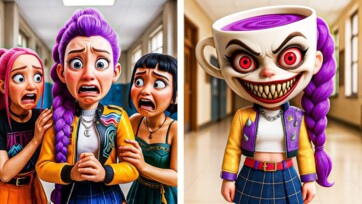
One of the most valuable outcomes of visual-first education is emotional recognition. Young children experience intense feelings but lack the vocabulary to express them. Visual exaggeration—clear facial expressions, symbolic tears, or dramatic reactions—helps translate emotions into something understandable.

This process builds emotional literacy. Children begin to recognize fear, happiness, frustration, and empathy by observing them externally. Over time, they learn to associate those visuals with their own internal experiences.

In cultures where emotional discussion is often indirect, visual storytelling becomes a powerful teaching tool for self-awareness and social sensitivity.

Preparing Children to Handle Anxiety and Uncertainty

Many visual learning scenarios deliberately introduce mild tension—unexpected situations, unfamiliar environments, or problem-solving moments. These experiences allow children to confront uncertainty in a safe, controlled way.

When children repeatedly see characters navigate fear or confusion and arrive at resolution, they internalize resilience. They begin to understand that discomfort is temporary and manageable.

This psychological rehearsal can later reduce anxiety during real-life experiences such as visiting a doctor, entering school for the first time, or interacting with unfamiliar people.

Everyday Responsibilities Reimagined as Exploration

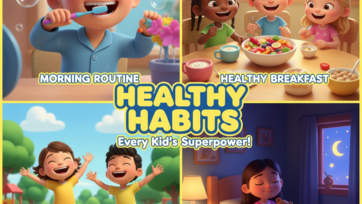
Young children resist instruction but embrace storytelling. Modern educational visuals cleverly transform routine behaviors into engaging narratives rather than obligations.

Cleaning, organizing, helping others, and maintaining personal hygiene are framed as active participation rather than passive compliance. Children begin to associate responsibility with independence and capability rather than restriction.

This reframing is particularly effective in family-oriented societies where children naturally observe adult roles and imitate them. Visual reinforcement strengthens behaviors already encouraged at home.

Role-Playing and Identity Formation in Early Years

Pretend-play scenarios showing children taking on functional roles—managing tasks, solving challenges, or guiding activities—support identity development. These narratives cultivate a sense of agency, the belief that one’s actions can influence outcomes.

Children who engage with such scenarios often display greater confidence in decision-making and participation when they enter structured learning environments. They see themselves not merely as observers, but as contributors.

Confidence, at this stage, is built through imagination before it is tested in reality.

Introducing Food Systems, Nature, and Resource Awareness

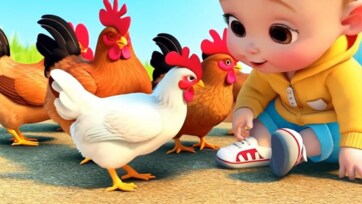
Nature-based and agricultural imagery reconnects children with the origins of everyday resources. Many modern urban lifestyles separate young learners from how food is grown, transported, and shared. Visual storytelling restores this connection by illustrating processes in simplified, relatable forms.

Children begin to understand that resources come from effort, coordination, and environmental interaction rather than appearing instantly. This awareness fosters respect for both labor and nature.

Such early exposure can shape attitudes toward sustainability and responsibility long before those concepts are formally taught.

Repetition: The Engine of Lasting Learning

Adults often seek novelty, but children thrive on repetition. Watching similar scenarios repeatedly strengthens neural pathways, turning recognition into mastery.

Each repeated exposure reinforces memory, builds prediction skills, and stabilizes comprehension. What appears monotonous to adults is actually essential brain training for young learners.

Repetition is how temporary impressions become permanent understanding.

Simplified Characters Make Complex Lessons Accessible

Educational visuals often rely on stylized or symbolic characters instead of realistic portrayals. This design choice removes unnecessary detail, allowing children to focus on actions and emotions rather than appearance.

Simplification reduces cognitive overload. It highlights meaning rather than realism. Children interpret behavior and relationships more clearly when distractions are minimized.

In this way, visual storytelling communicates universal lessons without cultural or linguistic barriers.

The Parent’s Role: Turning Passive Viewing Into Active Learning

Visual education is most effective when reinforced beyond the screen. Real-world engagement strengthens the lessons introduced visually.

Encourage children to apply what they observe:
Let them organize objects physically.
Allow them to participate in small responsibilities.
Discuss emotions they notice.
Connect visual scenarios to everyday experiences.

When guided properly, visual content becomes a starting point rather than a substitute for interaction.

Navigating the Challenge of Content Overload

Not all visual media supports development. High-quality educational material follows structured storytelling, emphasizes relationships between actions and consequences, and reflects recognizable life situations.

Content designed purely for stimulation—fast-paced without meaningful sequence—may entertain but rarely educates. The difference lies in whether the material encourages understanding or simply holds attention.

Intentional selection matters more than screen time duration.

Building Skills for a World Defined by Change

Today’s children are growing up in an era of rapid technological and social transformation. Success in this environment will depend less on memorization and more on adaptability, emotional intelligence, and problem-solving ability.

Visual-first learning supports these traits by encouraging pattern recognition, empathy, independence, and contextual thinking from an early age.

It prepares children not just to absorb information, but to interpret and respond to a constantly evolving world.

A Developmental Shift That Should Be Guided, Not Resisted

Visual learning is not a passing educational trend. It reflects a deeper understanding of how young minds process reality. Attempting to eliminate it ignores how children naturally learn; leaving it unguided risks losing its benefits.

When approached thoughtfully, this method becomes a bridge between imagination and lived experience—helping children make sense of their environment, relationships, and responsibilities.

The goal is not to replace traditional learning, but to strengthen its foundation.

Because long before a child reads their first sentence, they have already begun learning how the world works—through images, patterns, and stories that quietly shape the architecture of their thinking.


Advertisement
Healthy Daily Habits Every Child Should Learn Early
Why Good Habits Matter for Children Good habits are like tiny seeds. When planted early, they grow into a strong and happy life. Children who learn simple routines—such as waking up on time, eating healthy food, and staying active—often perform better in school and feel more confident. Scientists who study child development explain that the brain builds patterns quickly during childhood. This means the habits you practice today can shape how you think, learn, and behave in the future. A child who learns discipline early does not struggle with it later. It becomes natural, like breathing. In many families, parents focus only on grades. But success is not made only from books. It comes from daily actions repeated again and again. Starting the Day the Right Way: Wake Up Early and Feel Fresh: Waking up early helps children feel active and ready to learn. Studies show that children who sleep on time and wake up early have better concentration and memory. Instead of rushing out of bed, take a minute to stretch your arms and legs. This wakes up your muscles and tells your brain, “It’s time to start!” Make Your Bed — A Small Win: Making your bed may sound like a tiny task, but it teaches responsibility. When children complete one small job in the morning, they feel proud. That pride builds confidence for the rest of the day. It is not about perfection. Even a simple arrangement of pillows works. Eat a Healthy Breakfast: Breakfast is brain fuel. Foods like eggs, milk, fruits, or whole-grain bread give energy that lasts longer than sugary snacks. Children who eat breakfast regularly often perform better in school activities and stay focused during lessons. Keeping the Mind Active Through Learning: Study a Little Every Day: Learning should not feel like punishment. Instead of studying for long hours, children should review lessons daily for short periods. Even 30 minutes of focused learning helps the brain remember better. Think of your brain like a muscle. The more you use it, the stronger it gets. Ask Questions Without Fear: Curious children become smart adults. If you do not understand something, ask. Every invention in the world started because someone asked, “Why?” There is no such thing as a silly question. Silence is the only real mistake. Read Beyond School Books: Reading storybooks improves imagination and language skills. Children who read regularly develop stronger communication abilities and creativity. A book can take you to space in the morning and under the ocean by evening. No ticket required. The Importance of Physical Activity: Play Outdoor Games: Running, jumping, and playing are not just fun—they are essential. Physical activity strengthens bones, improves heart health, and reduces stress. Health experts recommend at least 60 minutes of physical activity daily for children. This can include cycling, football, skipping rope, or even a fast walk. Reduce Screen Time: Too much time on mobile phones or tablets can slow down creativity and disturb sleep. Screens are entertaining, but they should not replace real-world play. A good rule is simple: Play more outside than inside the screen. Exercise Builds Confidence: Children who stay active often feel happier and more confident. Exercise releases chemicals in the brain that improve mood. That is why you feel good after playing your favorite game. Learning Responsibility at Home: Help with Small Household Tasks: Children should not grow up thinking responsibilities belong only to adults. Helping set the table, organizing toys, or watering plants teaches teamwork. These small actions create independence. A child who learns to manage simple tasks becomes an adult who can manage life. Keep Your Surroundings Clean: Clean spaces improve focus and reduce stress. When children learn to clean their study area, they also learn discipline and respect for their environment. A tidy desk leads to a tidy mind. Chaos, on the other hand, invites distraction. Value Time: Time management is a skill many adults wish they had learned earlier. Children can begin by creating a simple daily routine—study time, play time, and rest time. Following a routine trains the brain to stay organized naturally. Building Healthy Eating Habits: Choose Natural Foods: Fresh fruits, vegetables, grains, and milk help children grow strong. These foods contain vitamins that protect the body and improve brain function. Highly processed snacks may taste exciting, but they often reduce energy levels and harm long-term health. Drink Plenty of Water: Water keeps the body active and helps concentration. Children should drink water regularly, especially during school and playtime. Sugary drinks should be occasional treats, not daily habits. Do Not Skip Meals: Regular meals maintain steady energy. Skipping meals can make children feel tired, irritable, and unable to focus. Food is not just about taste—it is information for your body. Developing Kindness and Social Skills: Learn to Share and Cooperate: Sharing toys, helping friends, and listening to others build emotional intelligence. Children who practice kindness develop stronger friendships and better communication skills. Success in life depends not only on knowledge but also on how we treat people. Respect Parents, Teachers, and Friends: Respect creates harmony. Saying “thank you,” “please,” and “sorry” may seem small, yet these words build strong character. Politeness is a habit that never goes out of style. Practice Honesty: Honesty builds trust. Children should understand that telling the truth—even when it is difficult—makes them stronger and more respected. Mistakes are normal. Lying about them is what creates problems. The Role of Proper Rest and Sleep: Sleep Helps the Brain Grow: During sleep, the brain organizes everything learned during the day. Children aged 6–12 years typically need 9–12 hours of sleep for healthy development. Without proper sleep, learning becomes harder and moods become unstable. Create a Calm Bedtime Routine: Reading a book, avoiding screens before bed, and sleeping at the same time every night improves sleep quality. A consistent routine signals the brain that it is time to rest. How Parents and Teachers Can Support These Habits: Lead by Example: Children copy what they see more than what they hear. If adults practice healthy habits, children naturally follow. Actions teach louder than instructions ever could. Encourage, Do Not Force: Positive encouragement works better than strict punishment. Celebrate effort rather than demanding perfection. Confidence grows when children feel supported. Create a Balanced Environment: A good environment includes time for study, play, creativity, and rest. Overloading children with pressure can reduce motivation instead of improving it. Balance is the secret ingredient of growth. Final Thoughts on Raising Healthy and Happy Children: Childhood is not just a phase; it is the foundation of the entire future. The habits children build today quietly shape their health, confidence, and success tomorrow. Strong routines, active play, healthy food, curiosity, kindness, and proper rest together create a powerful formula for lifelong well-being. A child does not need to be perfect. A child needs consistency, guidance, and opportunities to grow—step by step, day by day. Small habits, repeated daily, become the architecture of a meaningful life.  
Advertisement
Why Falling Is Part of Growing
Every child who learns to ride a bicycle knows this moment well. The little rider, helmet slightly crooked, hands scraped, tears rolling down, is not just having a bad day. This fall is a tiny but important lesson in courage, persistence, and resilience. Parents often rush to comfort, clean the scrape, and pick up the bike. But it’s in that pause—where the child sits on the ground, wobbles, and cries—that real growth begins. Falling is not failure. It is feedback. The Fear That Comes With Falling: Understanding a Child’s Emotional Response: Tears are more than pain—they are an emotional signal. A child may feel scared, embarrassed, or frustrated. Their confidence, which was building with each pedal, suddenly wavers. Adults can guide by naming emotions: “I see you’re scared, it’s okay to cry.” Recognizing feelings teaches children that it’s normal to experience discomfort and that emotions can be managed. According to a 2022 study by the University of Lahore, children who are allowed to process minor accidents themselves tend to develop stronger problem-solving skills and emotional resilience. Why Scrapes and Bruises Are Valuable: The Physical Lessons of Falling: Scrapes and bruises are the body’s reminders that balance, coordination, and strength take time to master. Falling trains reflexes: hands reach out instinctively, legs absorb impact, and the body recalibrates. A small fall can teach better posture, steadier hands, and more cautious pedaling. Pediatricians emphasize that these early physical challenges, when supervised, reduce the risk of bigger injuries later because the child learns how to respond safely. Encouragement Without Pressure: How Adults Can Support Without Taking Over: It’s tempting to rush in and fix everything. But sometimes the best help is giving the child space while offering gentle encouragement. Phrases like “You can try again” or “It’s okay, everyone falls when learning” foster autonomy and confidence. This approach helps the child associate the bicycle not with fear but with challenge and achievement. In Pakistan, parents often overprotect during first riding lessons, unintentionally slowing skill development. A balanced approach, however, shows children that risk is manageable and failure is temporary. Turning Tears Into Motivation: The Mindset of Resilience: Children who experience controlled setbacks early tend to grow into adults with higher resilience. Watching a small fall and learning to get back on the bike teaches persistence. Psychologists call this “grit”—the ability to continue despite difficulty. A 2021 study in Karachi schools showed that children encouraged to handle minor failures independently scored 20% higher in confidence-based assessments. Falling and crying today becomes courage and self-reliance tomorrow. The Role of Fun in Learning to Ride: Making Practice Enjoyable Rather Than Stressful: Cycling should never be associated with dread. Playful encouragement, turning small falls into funny stories, or racing with friends transforms frustration into joy. Laughter often follows tears, and joy reinforces persistence. A child laughing after a fall is learning something profound: failure is temporary, fun is constant, and trying again is part of adventure. Safety and Preparation: Minimizing Risk While Learning: Protective gear—helmets, knee and elbow pads—does more than prevent injury. They provide psychological reassurance, making children more willing to take calculated risks. Choosing safe practice areas, like quiet parks or empty roads, reduces danger while keeping the thrill intact. Education experts stress that combining safety with freedom builds competence. When children feel protected but not controlled, they explore boundaries and develop problem-solving skills naturally. Learning Life Lessons on Two Wheels: Why a Fall Matters Beyond Cycling: Falling from a bike is a microcosm of life. Children learn to handle setbacks, manage disappointment, and celebrate small victories. They internalize the lesson that mistakes do not define them; actions and responses do. Parents who model calm responses, provide empathy, and encourage retries help children carry these lessons into school, friendships, and later challenges. Making the Next Ride Smoother: Steps to Rebuild Confidence: Pause and acknowledge feelings—don’t rush the child off the ground. Assess minor injuries calmly; provide care without drama. Encourage reflection: “What did you notice that caused the fall?” Guide gently back onto the bike; celebrate the attempt more than the success. Repeat in short, positive sessions to reinforce skill and confidence. Through this method, children learn that falling is temporary, learning is continuous, and effort is what counts. Final Thoughts for Little Cyclists and Their Families: Turning Small Falls Into Big Growth: The tears shed on that first ride are more than just sadness. They are evidence of courage, curiosity, and the willingness to try. Every scrape and wobble is a building block of resilience. For families, the lesson is simple: patience, empathy, and encouragement matter more than rushing to prevent every fall. For children, the takeaway is profound: falling is not failing; it is learning. Every time a little rider gets back on the bike, they pedal not just forward on the path, but forward in life.  
Top Fruit Benefits for Children | Healthy Nutrition for Kids
Fruits are not just colorful snacks or dessert alternatives for kids. They are nature’s complete nutrient packages, packed with vitamins, minerals, antioxidants, and fibers that directly influence a child’s growth, immunity, brain development, and overall energy levels. Children are in a rapid growth phase, and each day their bodies demand nutrients not only for physical development but also for mental performance, digestion, and disease resistance. Regularly including fruits in their diet can make a tangible difference in these areas. In Pakistan, studies show that a significant number of children do not consume the recommended daily servings of fruits. This deficiency often leads to frequent illnesses, low energy levels, and even slower cognitive development. Fruits are not a luxury—they are a necessity for building strong bodies and sharp minds. Vitamins and Minerals in Fruits — The Growth Essentials: Fruits are packed with micronutrients that children’s bodies cannot produce on their own. Vitamin C, potassium, folate, and antioxidants are just a few examples. Vitamin C and Immunity: Citrus fruits like oranges, lemons, and sweet limes provide vitamin C, which strengthens the immune system and helps the body fight infections. For children, a strong immunity means fewer school absences and better energy levels for play and learning. Vitamin C also helps in the absorption of iron, which is crucial for blood health. Potassium for Heart and Muscle Function: Bananas, melons, and apricots are rich in potassium, which supports heart health and proper muscle function. Active children who play sports or run around all day benefit greatly from potassium because it maintains fluid balance and prevents cramps. Folate for Cellular Growth: Folate is vital for rapid cell division, which is constantly occurring in children. Fruits such as papaya, guava, and mango provide folate naturally, helping in growth, tissue repair, and proper organ development. Practical Tip: Instead of giving processed juices, serve fresh fruits whole. A banana before school, guava slices in lunch boxes, or a small bowl of papaya after meals gives both nutrients and fiber. Fiber in Fruits — Digestive Health and Satiety: Fruits are a rich source of dietary fiber, which is crucial for children’s digestive systems. Fiber promotes healthy bowel movements, prevents constipation, and supports gut bacteria that aid nutrient absorption. A healthy gut is not just about digestion; it influences immunity, mood, and even energy levels. Examples of Fiber-Rich Fruits: Apples with skin Pears Berries like strawberries and blueberries Guava Including these fruits in meals ensures children feel full for longer, reducing unnecessary snacking on sugar-laden foods. Serving Idea: Chop apples or pears into small cubes and mix with yogurt or oatmeal for breakfast. It’s an easy way to incorporate fiber without complaints. Antioxidants in Fruits — Brain and Body Protection: Children’s bodies generate free radicals through normal activity and metabolism. Fruits provide antioxidants that neutralize these free radicals, preventing cellular damage and supporting healthy brain and body development. Key Antioxidant Fruits: Blueberries and blackberries contain flavonoids that improve memory and learning. Mangoes and papayas contain carotenoids that support eye health and skin development. Pomegranates are rich in polyphenols that promote heart and blood vessel health. Real-Life Observation: Parents who give children a variety of colored fruits report higher attention spans, better mood stability, and fewer minor illnesses over time. Energy Boosters — Natural Sugars and Slow Release Carbs: Unlike candy or processed snacks, fruits contain natural sugars accompanied by fiber, vitamins, and water. This combination provides a slow, sustained energy release rather than a sugar crash. Examples: Bananas are ideal for pre-sports energy. Apples and pears provide steady fuel during school hours. Dates and raisins are excellent natural snacks for quick energy, especially during travel or outdoor activities. Parenting Tip: Mix dried fruits like raisins, apricots, and figs with nuts for a natural trail mix. It’s portable, healthy, and keeps kids active longer without processed sugar spikes. Seasonal Fruits — Aligning with Nature: Seasonal fruits are usually richer in nutrients and are naturally designed to support health during that time of year. Summer Fruits: Mangoes for vitamin A and energy Melons for hydration and potassium Lychee for vitamin C and immunity Winter Fruits: Oranges and guavas for immune support Apples and pomegranates for fiber and antioxidants Papaya to aid digestion and provide vitamin C Seasonal eating ensures that children’s bodies get the nutrients they need most during each season. Modern grocery habits often bring off-season fruits, which may not be as nutrient-dense. How Much Fruit Should Children Eat? Nutritionists recommend that children consume at least 2–3 servings of fruit per day, depending on age. Each serving can be roughly: 1 medium-sized fruit (apple, banana, orange) ½ cup chopped or sliced fruit ¼ cup dried fruit It’s better to offer small portions consistently throughout the day than to overload one meal with fruit. Variety across types and colors ensures a broader range of nutrients. Making Fruits Appealing to Children: Children may resist eating fruits for several reasons — texture, taste, or simply unfamiliarity. Some strategies to encourage consumption include: Presenting fruits in colorful, visually attractive plates. Offering them in different forms: sliced, diced, in smoothies, or mixed with yogurt. Introducing new fruits gradually alongside familiar favorites. Allowing children to participate in washing or cutting fruits, increasing curiosity and willingness to try. Creating a positive eating experience is often more effective than forcing children to eat. Fruits vs. Processed Snacks — The Health Perspective: Many children consume packaged snacks or sweetened juices, thinking they are equivalent to fruits. This is a common misconception. Processed snacks often contain high sugar, low fiber, and artificial additives. Whole fruits provide fiber, vitamins, minerals, and antioxidants along with natural sweetness. Consuming real fruits reduces cravings for unhealthy snacks, improves satiety, and supports long-term growth and immunity. Cognitive and Emotional Benefits: Fruits are not just for physical health; they affect mental and emotional development. Studies show that children who consume a variety of fruits regularly demonstrate: Improved concentration and learning ability Better emotional regulation Reduced fatigue and irritability Lower incidence of minor infections Colorful fruits like berries, pomegranate, and mangoes support neurodevelopment through antioxidants and micronutrients critical for brain function. Final Thoughts: Fruits are fundamental to children’s growth, health, and well-being. A balanced daily intake provides essential vitamins, minerals, fiber, antioxidants, and natural energy that support bone growth, immunity, brain development, digestion, and emotional stability. Parents should view fruits as daily health investments, not occasional treats. Mixing colors, textures, and seasonal varieties ensures a complete nutrient profile and makes eating enjoyable. By encouraging children to enjoy fruits naturally, you are laying the foundation for strong bodies, sharp minds, and healthy habits that can last a lifetime. Every child deserves a diet where fruits are not optional—they are essential. Start with small, consistent servings, diversify across colors and types, and integrate them into meals and snacks. The results are not only physical growth but enhanced immunity, cognitive function, and overall vitality.
Toy School Bus Stuck in Mud being Rescued by Tow Truck
In the contemporary landscape of child development, the intersection of digital media, visual storytelling, and fundamental educational concepts has created a high-impact standard for early childhood engagement. This "edutainment" ecosystem relies on high-contrast visuals, expressive character archetypes, and relatable social scenarios to build cognitive and emotional foundations. By analyzing themes ranging from the frantic energy of a morning routine to the serene curiosity of animal interactions and logic puzzles, we can see how these narratives provide a holistic framework for a child's understanding of the world. The Visual Language of Learning Visual stimuli are the primary drivers of learning in early childhood. Before a child can decode written language, they are proficient in decoding color, shape, and pattern. Color as a Navigational and Logical Tool The strategic use of a bold, saturated color palette is designed to capture attention and facilitate cognitive categorization. Vibrant Primaries: Bright red, sunny yellow, and deep blue serve as visual anchors. Red often denotes high energy or central characters, while yellow signals optimism and approachable warmth. Categorization and Matching: Scenarios involving matching colored trucks to expressive eggs or colorful animals to soccer balls introduce children to the concept of sets. For instance, a red tiger corresponds to a red ball, and a blue gorilla to a blue ball, teaching the fundamental skill of attribute matching. Logical Sorting: Arranging objects like trucks and eggs in a spectrum (red, yellow, green, blue, purple) reinforces the idea of order and linear sequences. Sensory Imaginarium High-quality digital rendering allows children to "feel" textures through their eyes, bridging the gap between screen time and real-world sensory play. Tactile Visualization: The representation of "slime" or liquid candy flowing from faucets engages a child's imagination regarding states of matter. Real-World Textures: Scenes depicting toy trucks stuck in thick, viscous mud provide a visual bridge to tactile outdoor experiences, teaching cause and effect through the imagery of a tow truck rescuing a school bus. Emotional Intelligence and Social Archetypes Modern media for children places a heavy emphasis on Social-Emotional Learning (SEL), using character expressions to teach empathy and self-regulation. Identifying Internal States Exaggerated facial features help children name and validate their own feelings. Wonder and Surprise: Wide-eyed, open-mouthed expressions—whether discovering a sink full of candy or missing a bus—provide a mirror for a child’s own reactions. Fear and the Unknown: Depicting a child's apprehension at a "ghost" figure in a bathroom setting helps normalize common fears and provides a safe space for discussion. Mediation: Characters representing community helpers, such as police-dog archetypes, intervene in disputes between peers to demonstrate the value of mediation. The Power of Empathy Narratives often focus on supportive interactions between different species. Inter-species Connection: A squirrel showing concern for a duckling or a young boy gently interacting with a chick and hen models how to respond to the emotions of others with tenderness. Shared Experiences: Scenes of friends on a road trip or characters playing together reinforce the idea that life’s journeys are most rewarding when shared. Community Systems and Life Skills As a child’s world expands, media introduces the systems, responsibilities, and routines that govern society. The Morning Commute and Punctuality The scenario of a child rushing to a large yellow school bus is a lesson in life skills. Time Management: The presence of a prominent analog clock helps children visualize the passage of time and the importance of punctuality. Independence: Carrying a backpack toward a vehicle driven by a trusted community member symbolizes the child's growing role in the public sphere. Working Environments and Problem Solving Farm and construction themes introduce concepts of labor and community support. Roles and Jobs: Monkeys driving tractors to transport livestock or collect milk show that every member of a community has a specific task. Resilience and Rescue: Seeing various service vehicles—ambulances, fire trucks, and tow trucks—work together to pull a bus out of the mud teaches children about community cooperation and problem-solving in emergencies. Nature as a Classroom Vibrant depictions of natural habitats encourage a transition from screens to the outdoors. Biodiversity and Observation By showing characters in diverse settings, children learn to identify different ecosystems and species. Observation Skills: Seeing birds in their environment or children observing hens and chicks encourages a closer look at the wildlife in the real world. Animal Stewardship: Interactions like feeding goats in a meadow or sitting among chickens teach children to be gentle and respectful of other living beings. Active Play and Movement Content that features characters playing in the mud or running through grass validates active learning. The Joy of "Messy" Play: Framing sitting in a mud puddle as a moment of pure happiness with animal friends helps frame nature as an opportunity for discovery. Environmental Empathy: The close-up interaction between a child and a rooster in a natural setting fosters an early sense of wonder and environmental stewardship. Conclusion: Synthesizing the Experience The digital frontier of early learning is a carefully architected tapestry designed to nurture the whole child. It uses the magnetic pull of bright colors and charming characters to deliver essential lessons in logic, empathy, and community responsibility. Whether through a frantic race for the school bus, a lesson in matching colorful animals to balls, or the cooperative effort of trucks in the mud, these narratives help children navigate the transitions of their own lives with confidence. As they watch a monkey drive a tractor or a child gently feed a goat, they aren't just being entertained; they are building the mental map that will guide them as they step out of their homes and into the wide, wonderful world.
The Digital Frontier of Early Learning
A Tapestry of Joy and Discovery In the rapidly evolving landscape of modern childhood, the intersection of education, entertainment, and digital storytelling has created a new frontier for development. For the youngest generation, the world is often first explored through vibrant, high-contrast visuals and characters that mirror their own curiosity and emotional complexity. This digital tapestry does more than just occupy time; it serves as a foundational tool for understanding social norms, logical reasoning, and the beauty of the natural world. Through carefully crafted scenarios—from the bustling morning rush to the quiet serenity of a bamboo forest—children are invited into a safe space where they can experiment with empathy, celebrate small victories, and develop the cognitive flexibility needed for a complex future. The Psychological Impact of Color and Contrast The use of a bold, saturated color palette is not merely an aesthetic choice; it is a strategic educational tool designed to capture and hold a child's developing attention. Primary Colors and Cognitive Identification Bright red, vibrant yellow, and deep blue serve as the primary anchors of a child's visual vocabulary. Radiant Red: Often used for central characters or high-energy objects, red demands immediate focus and is frequently associated with excitement or importance. Sunny Yellow: Representing warmth and optimism, yellow is the color of choice for friendly guides, playful chicks, and icons of morning light, fostering a sense of happiness and safety. Cool Blue: Whether in the form of a clear sky or a sturdy school bus accessory, blue provides a stabilizing contrast, helping children feel calm and secure amidst the action. Logical Sorting and Pattern Recognition By grouping objects by color—such as a line of trucks following a series of colorful eggs—educational media introduces the concepts of categorization and sets. This visual "logic" is the precursor to mathematical thinking, teaching children to recognize patterns and gradients long before they begin formal arithmetic. Social-Emotional Learning Through Character Expression Perhaps the most vital role of modern children's media is the teaching of empathy and emotional intelligence (EQ) through exaggerated character expressions. Identifying Complex Emotions Children often struggle to name their feelings. When they see a character with wide eyes and an open mouth, they instantly recognize the feeling of "surprise". The Look of Wonder: A character’s expression of awe when faced with something magical—like a sink full of treats—validates the child’s own sense of curiosity. Conflict and Resolution: When two characters are in distress, and a third—perhaps an authority figure in a uniform—steps in to mediate, children learn the basics of conflict resolution and the importance of helping others. The Power of a Smile: A wide, toothy grin from a toddler or a friendly animal reinforces the concept of joy and the positive social feedback that comes with a happy interaction. The Role of Friendship and Companionship Characters are rarely alone in these stories. Whether it is a trio of birds sitting on a branch or two friends sharing a car ride, the emphasis is always on togetherness. These narratives show that adventures are better when shared and that support from a peer is a fundamental part of the journey. The Intersection of Fantasy and Reality: Sensory Play The digital world often presents "impossible" scenarios that encourage imaginative play and sensory exploration. Tactile Visualization Even though a child cannot touch the screen, the high-quality rendering of textures allows their brain to "feel" the environment. Gooey and Slimy: The representation of purple "slime" dripping down a building or chocolate treats flowing from a faucet stimulates the child's sensory imagination. Soft and Fluffy: Seeing the downy feathers of a chick or the thick fur of a goat encourages a child to seek out similar tactile experiences in the real world. Turning Routines into Adventures By depicting a mundane activity—like washing up or going to school—as something filled with magic and color, these stories help reduce "routine anxiety". A monkey taking a shower becomes a moment of comedy, and a race to the bus becomes a heroic quest, making the real-life versions of these tasks feel more approachable for the child. Nature as an Interactive Classroom The agricultural and natural settings found in early learning media serve as a bridge to environmental awareness and biological curiosity. Connection to Living Things Interaction with farm animals—cows, goats, and roosters—teaches children that the world is inhabited by many different types of creatures, each with their own needs and behaviors. Gentleness with Animals: Seeing a toddler offer food to a goat or sit calmly near a rooster promotes the idea of "gentle hands" and respect for nature. Diversity of Life: The variety of animals, from the small chick to the large cow, helps children understand the concept of size, sound, and habitat. Environmental Stewardship The use of lush green landscapes, clear blue skies, and bamboo forests instills an early appreciation for the beauty of the outdoors. It encourages children to look at the trees and animals in their own backyard with a sense of wonder and a desire to protect them. Responsibility, Punctuality, and Life Skills As children age, their media begins to introduce more complex concepts like time, responsibility, and the systems that make society function. Mastering the Clock The presence of a large analog clock in a scene about a school bus is a direct lesson in punctuality. It helps children visualize how time passes and understand that certain events, like the arrival of the bus, happen on a schedule. Roles and Responsibilities Seeing characters in specific roles—a bus driver, a police officer, or a tractor driver—helps children understand the "helpers" in their community. It introduces the concept that everyone has a job to do and that working together makes the whole "farm" or "school" run smoothly. Conclusion: A Foundation Built on Wonder The digital world of early learning is more than just bright lights and catchy songs. It is a carefully architected environment that respects a child's intelligence while nurturing their sense of wonder. By combining the logic of sorting with the empathy of friendship and the magic of sensory imagination, these stories provide the building blocks for a well-rounded and curious individual. As children transition from these digital experiences to real-world playgrounds, they carry with them the lessons of the rainbow eggs, the friendly goats, and the timely school bus. They learn that the world is a place to be explored, that emotions are things to be shared, and that every morning—whether it involves a candy sink or a muddy puddle—is the start of a new and beautiful adventure.  
The Candy Sink Surprise
A Magical Kitchen Adventure! Hello, little explorers! Are you ready for the most colorful and sugary surprise ever? Today, we are looking at a picture that might make your eyes pop out of your head! Imagine walking into your kitchen, turning on the water faucet to wash your hands, and instead of water, a rainbow of chocolate candies comes pouring out! This is a story about magic, surprises, and the most delicious sink in the whole world. The Boy with the Giant Surprise In the middle of this magical kitchen is a little boy with bright blonde hair and a very, very big expression on his face! He is wearing a bright orange t-shirt, and his mouth is open in a giant "O" because he can’t believe what he is seeing. A Look of Pure Wonder Have you ever seen something so cool that you forgot to close your mouth? That is exactly what is happening here! His Eyes: They are wide open, looking right at us as if to say, "Are you seeing this too?" His Hands: He has his hands right inside the sink, catching the candy as it falls. He isn't just watching the magic; he is part of it! Catching the Rainbow The boy isn't afraid of the candy waterfall. He is holding a handful of red, green, and blue treats. Imagine how cool it would feel to have smooth, round candies sliding through your fingers instead of wet water! The Magic Candy Faucet The star of this picture is definitely the shiny silver faucet. Usually, faucets are for water to help us get clean, but this one has a much tastier job today. The Candy Waterfall Coming straight out of the faucet is a long stream of tiny, colorful chocolate candies. It looks like a never-ending waterfall of snacks! Red Candies: Bright like a fire engine! Blue Candies: Deep like the ocean! Yellow Candies: Sunny and happy! Green Candies: Like little emeralds! Brown and Orange: Adding even more color to the mix! A Sink Full of Treats The white kitchen sink is completely filled to the top with these candies. It’s like a ball pit, but instead of plastic balls, it’s filled with chocolate! There are so many candies that some have even jumped out of the sink and are scattered across the white counter. A Dream Kitchen for Kids This kitchen looks very clean and modern, with white counters and a shiny silver handle for the faucet. But with all that candy, it isn't a place for cooking dinner—it’s a place for a party! The Blue Sponge Even in a magical candy kitchen, you have to keep things clean! On the right side of the sink, there is a small blue sponge sitting on the counter. Maybe after the boy finishes his snack, he uses the sponge to make sure the counter is sparkly again. Why a White Sink? The sink and the counters are bright white. This is a great choice because it makes all the colors of the candy—the reds, yellows, and blues—look even brighter! It’s like the candy is sitting on a white cloud. The Science of Imagination Now, we know that in real life, water comes out of the faucet. But using our imagination is like a superpower! When we look at a picture like this, our brains get to play a "What If?" game. What If This Was Your House? Morning Surprise: Imagine waking up and finding your cereal bowl filled because the faucet gave you milk and the sink gave you candy! Brush Your Teeth: Would you still want to brush your teeth if the sink was full of chocolate? (Hint: You definitely should, or the tooth fairy might get worried!) The Sound: Think about what sound this would make. Water goes shhhhh, but candy would go clink-clink-clatter! Exploring with Your Senses If you were standing next to the boy in the orange shirt, what would you smell? You would probably smell the sweet, yummy scent of milk chocolate filling the whole kitchen! Learning Colors and Sorting This sink isn't just fun to look at; it’s a great way to learn! If you were the boy in the picture, you could play lots of games. The Sorting Game: Can you find all the blue candies and put them in a little pile on the counter? The Counting Game: How many red candies can you catch in your hand before they spill over? The Rainbow Pattern: Could you line them up to make a colorful snake? Red, orange, yellow, green, blue! Having a sink full of treats makes learning colors as easy as... well, eating candy! Why We Love Surprises The boy’s face is the most important part of the story. Surprises make our hearts beat a little faster and make us feel full of joy. Whether it’s a candy sink, a new toy, or a surprise visit from a friend, these moments are what make childhood so special. Sharing the Magic The boy is looking right at the camera, which means he is looking at YOU! He wants to share his magic discovery with all his friends. When we find something amazing, the first thing we want to do is tell someone else so they can be happy too. Conclusion: Keep Your Eyes Open for Wonder! The Candy Sink Surprise reminds us that even ordinary things, like a kitchen sink, can become magical if we look at them in a different way. While your faucet probably only has water today, that doesn't mean you can't find wonder in your own home. Maybe there is a rainbow in a bubble when you wash your hands, or maybe the clouds outside look like giant scoops of ice cream. The world is full of surprises, just like this sink full of chocolate. So, stay curious, keep your imagination big, and always be ready for a colorful adventure!
Visual-First Learning in Early Childhood
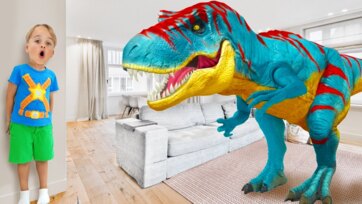
Modern educational media for children has grown into a complex, visually immersive ecosystem. Prioritizing high-contrast imagery, relatable anthropomorphic characters, and purposeful social modeling, it supports rapid cognitive and emotional development. By transforming abstract concepts—like physics, economic inequality, and internal emotional states—into tangible, playful forms, this media acts as a “cognitive scaffold,” helping children interpret both physical mechanics and social dynamics with confidence. This analysis examines the key pedagogical themes in contemporary visual media across four critical developmental domains. Cognitive Logic: Categorization, Sequencing, and Physical Mechanics Visual media acts as a primary engine for early logical reasoning. Before children can articulate ideas verbally, they can process cause-and-effect relationships, understand sequential order, and explore mechanical function through observation and interaction. Chromatic Reasoning and Sequential Awareness Color serves as a cognitive cue, helping children organize information and identify patterns. Sequential Sorting: For example, a child drives a pink tractor pulling a train of multicolored trailers, each holding an ice cream cone in red, yellow, green, or blue. This sequence teaches linear order, grouping, and pattern recognition. Anatomical Awareness: Stylized skeletons in glowing primary colors introduce the basics of human anatomy without fear, helping children differentiate structural forms and develop attention to specific attributes. Identity Mapping: Characters holding objects shaped like themselves—such as a white creature clutching an orange popsicle in its silhouette—reinforce the concept of identity, representation, and the association between form and meaning. By combining color, form, and spatial relationships, children build mental frameworks that lay the foundation for mathematical, scientific, and observational reasoning. Mechanical Principles and Collaborative Problem-Solving Interactive machinery and toy-based play introduce foundational physics concepts in a playful, memorable format. Complex Recovery Operations: Scenes featuring a crane, tractors, and excavators collaboratively rescuing overturned trucks from a mud pit illustrate leverage, tension, and teamwork. Children understand that some problems require combined effort. Interdependent Systems: A baby suspended amid interlocking gears provides a visual metaphor for how components of a system rely on each other to function. Forces and Resistance: Tug-of-war sequences with ropes attached to giant scissors, or a ninja trying to restrain two cows with a rope, give children an intuitive grasp of weight, tension, and opposing forces. Social Structure: Imagery of “police babies” managing a mermaid on a beach or police dogs enforcing fairness illustrates social order and communal responsibility in an engaging, age-appropriate way. Through these visuals, children learn both the mechanics of the physical world and the value of collaboration. Social-Emotional Learning (SEL): Recognition, Validation, and Empathy A central strength of visual media is its ability to give children a language for emotions they cannot yet verbalize. Through exaggerated expressions and imaginative scenarios, children explore complex feelings safely. Mirroring Intense Emotions Visual storytelling acts as a psychological mirror, helping children navigate fear, surprise, and social complexity. Shock and Surprise: Characters reacting to a giant T-Rex in a living room or a strawberry with a missing bite signal universal alarm and teach children that such reactions are normal. Perspective-Taking: Contrasts between startled characters and calm observers—like a small figure facing a large, indifferent bee—demonstrate that people respond differently to the same event. Social Horror and Transformation: Imagery of a peer’s head transforming into a giant, toothy cup allows safe exploration of exclusion and uncertainty within peer dynamics. Identity and Otherness: Characters with glowing eyes or fangs represent the feeling of being different or masking true emotions, providing a framework for discussing diversity and self-expression. This approach promotes emotional literacy, self-awareness, and resilience in navigating social and personal challenges. Modeling Empathy and Nurturing Behavior By depicting intentional acts of care, visual media teaches children the value of proactive empathy. Caring for Others: A child bringing lemon water and a thermometer to a sick peer demonstrates the importance of supportive action. Environmental Responsibility: A child protecting a small lamb from the rain teaches stewardship and consideration for vulnerable beings. Cross-Species Harmony: Scenes where an orange cat and a white chicken share a colorful soccer ball highlight collaboration, fairness, and respect across differences. Through such examples, children internalize empathy and learn actionable strategies for responding to the needs of others. Life Skills: Responsibility, Hygiene, and Social Awareness Transforming routine tasks and societal expectations into imaginative adventures helps children embrace health practices, communal responsibilities, and structured play. Hygiene as Play and Protection Invisible threats, like germs, are rendered into playful “villains,” turning health practices into engaging narratives. Automated Cleaning: Police dogs navigating car washes with oversized brushes and soap reinforce hygiene routines and the concept of systematic maintenance. Joyful Hygiene: Bathing scenes with pink bubbles and cheerful creatures associate personal care with enjoyment, creativity, and sensory play. Financial Literacy and Social Order Early exposure to wealth, labor, and authority through visuals helps children navigate social hierarchies. Economic Awareness: Contrasting a child with stacks of cash and a “money house” against a peer with a broom and cardboard home introduces basic economic concepts and labor disparities. Community Rules: “Police babies” or law-enforcing animals distributing resources—like heart-shaped pizzas—model fairness, rule-following, and cooperative behavior. This blend of play and education instills early social understanding and a sense of ethical responsibility. Environmental Literacy and Resource Awareness Connecting children with nature and resource origins fosters curiosity, environmental respect, and practical understanding. Agricultural Logistics: A monkey transporting a banana harvest introduces farm-to-table concepts and teaches children about labor and resource distribution. Communal Rewards: Sharing heart-shaped pizzas reinforces the value of generosity and collaborative joy. Biodiversity and Wonder: Engaging with giraffes, calves, or prehistoric creatures frames nature as a source of learning, empathy, and awe. By blending human, animal, and ecological interactions, children develop early environmental stewardship alongside social and cognitive skills. Conclusion: Bridging Digital Media and Real-World Learning Modern visual media for children functions as an intricate tapestry, supporting holistic growth. Saturated colors guide logical reasoning, expressive characters validate emotional experience, and cooperative scenarios teach teamwork and social responsibility. Each scene bridges digital experiences with tangible reality. Whether navigating colorful trailers, rescuing stuck vehicles, or caring for peers and animals, children cultivate a well-rounded foundation of cognitive, emotional, and social skills—one immersive frame at a time.  
Advertisement
Visual Scaffolding and Holistic Development in Early Learning Media
Modern early childhood media has evolved into a sophisticated "edutainment" ecosystem, meticulously designed to support a child's cognitive, social, and emotional growth through visual scaffolding. By utilizing high-contrast visuals, expressive character archetypes, and relatable life scenarios, these narratives provide a structured framework for children to interpret the world around them. This multidimensional approach addresses everything from basic logical categorization to complex empathy-building and the normalization of daily routines. The Architecture of Cognitive Logic and Categorization Visual stimuli are the primary engines of early learning, allowing children to decode complex concepts like order, attributes, and cause-and-effect before they possess advanced verbal skills. Chromatic Matching and Attribute Isolation The use of saturated, bold color palettes is a deliberate pedagogical tool used to facilitate categorization. Attribute Alignment: Matching brightly colored animals—such as a red tiger, a green lion, a yellow bear, a blue gorilla, and a pink panther—to balls of identical hues teaches children to isolate color as a specific attribute. Sequential Order: Arranging expressive, large-eyed eggs and corresponding toy trucks in a rainbow spectrum (red, yellow, green, blue, purple) introduces the concept of linear progression and mathematical sets. Spatial Reason: Content featuring colored garage doors that correspond to the colors of specific vehicles helps children practice spatial reasoning alongside attribute-based sorting. Visualizing Mechanical Principles High-fidelity digital and physical rendering allow children to "witness" textures and physical laws in action. Mechanical Problem-Solving: A blue tow truck using a cable to rescue a yellow school bus stuck in thick mud serves as a foundational lesson in mechanical advantage and community cooperation. Teamwork and Force: The depiction of multiple tractors using chains to pull heavy trucks up a riverbank reinforces concepts of combined force and collective effort. Emotional Literacy and the Mirroring of Internal States A critical component of modern children's media is Social-Emotional Learning (SEL), which provides children with the visual vocabulary to identify and communicate their own feelings. Naming and Validating Feelings Exaggerated facial expressions are used as mirrors for a child's internal psychological state. Shock and Anxiety: A child pointing in fear at a "ghost" figure in a bathroom or a large, Spider-Man-themed dinosaur at a window helps normalize and externalize common childhood anxieties. Visual Shorthand for Distress: Blue teardrops on a character's face (such as the toddler 'Anna') provide a clear visual indicator of sadness, helping children recognize this emotion in themselves and others. Surprise and Joy: Wide-eyed, open-mouthed expressions on characters discovering something new or rushing for a bus mirror a child’s natural sense of wonder. Modeling Empathy and Care Narratives often utilize inter-species interactions to model gentle behavior and emotional regulation. Gentle Stewardship: A boy gently observing a hen and her fluffy chick models "gentle hands" and respect for living beings. Empathy in Social Settings: A panda keeper offering a bucket of vegetables to a worried-looking lion, while an elephant and giraffe observe, demonstrates caretaking roles and the identification of needs in others. The Joy of Inclusion: A smiling monkey driving a tractor followed by a horse, goat, rooster, and wolf creates a visual representation of communal harmony and shared fun. Normalizing Routines and Community Responsibility As a child's world expands, media serves as a guide for navigating the transitions and expectations of the broader community. Time Management and Transitions The transition from the private home to the public educational sphere is framed as a significant, structured event. Temporal Awareness: The prominent inclusion of a large analog clock set to 7:40 AM in a school bus scene helps children visualize punctuality and the flow of a morning routine. Autonomy: A child carrying their own backpack toward a vehicle driven by a trusted community helper (the giraffe driver) represents growing independence. Hygiene Education through Play Turning repetitive daily tasks into playful, high-contrast activities reduces resistance to hygiene routines. Interactive Motivation: Smiling characters like a "toothbrush" and "tooth" accompanied by bold text saying "Brush me" transform a requirement into a friendly invitation. Visualizing Health: Using a grumpy green monster as a symbol for germs or dirt helps children understand why brushing is a necessary part of personal care. Agricultural and Service Ecosystems Farm and rescue themes introduce children to the concepts of labor, food production, and community "safety nets". Functional Roles: Monkeys driving tractors to transport livestock or pails of milk demonstrate that every community member has a role that contributes to the whole. Service Cooperation: The congregation of an ambulance, fire truck, and cement mixer around a rescue scene reinforces the idea that professionals work together to keep the community safe. Nature as a Sensory Classroom Vibrant depictions of outdoor habitats encourage a healthy transition from digital consumption to real-world sensory exploration. Biodiversity and Biological Identification By presenting diverse species in clear, bright settings, media helps children build a biological vocabulary. Observation Skills: Seeing three green parrots with red beaks sitting on a branch encourages children to look closer at the wildlife in their own environment. Identifying Traits: Detailed visuals of roosters with red combs, spotted cows, and goats with horns help children learn the defining physical characteristics of different animals. Validating Tactile Discovery Content that celebrates sensory experiences in nature encourages active, physical play. The Joy of "Messy" Play: Framing a child sitting happily in a mud puddle with a rooster—surrounded by smiling sheep, cows, and goats—validates mucky, tactile discovery as a positive experience. Nurturing Bonds: A toddler kneeling to feed goats in a flower-filled meadow frames nature as a safe and welcoming space for nurturing interactions. Conclusion: The Integrated Blueprint for Early Development The digital landscape of early learning is a carefully constructed tapestry designed to address the development of the whole child. By using saturated colors to teach logic, expressive faces to teach empathy, and relatable life scenarios to teach responsibility, these visual narratives provide a roadmap for navigating the complexities of the real world. Whether a child is watching a monkey drive a tractor, learning to match a blue gorilla to a blue ball, or observing a panda feed a lion, they are building the cognitive and emotional frameworks necessary to step out of their homes with confidence. These stories turn mundane routines into moments of profound discovery, ensuring that children view their world with curiosity and compassion.