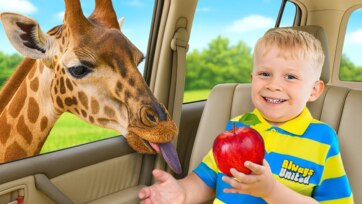
Best Fruits for Kids | Healthy & Nutritious Choices for Children

Fruits are not just snacks; they are essential for children’s physical growth, brain development, immunity, and overall well-being. Every bite of a fruit delivers vitamins, minerals, antioxidants, and fiber that act as building blocks for a child’s body. While calories give energy, fruits provide nutritional intelligence — signals that guide the body on how to grow, repair, and strengthen itself.

In Pakistan, many children do not consume the recommended daily servings of fruit. The National Nutrition Survey shows that less than 35% of children eat enough fruits, leading to deficiencies in vitamin C, potassium, fiber, and antioxidants. This deficiency often results in weak immunity, low energy, digestive problems, and slower physical and cognitive growth. Incorporating fruits in a daily diet is therefore not optional; it is a necessity.

Here’s a detailed guide to the top 10 fruits every child should eat, along with their benefits, scientific reasoning, and practical tips for including them in meals.

  1. Banana — Energy and Potassium Booster:

Bananas are one of the most popular fruits among children for good reason. They are rich in potassium, which supports heart health, muscle function, and proper fluid balance. Bananas also provide natural sugars like fructose and glucose, which deliver instant and sustained energy, ideal for active children.

Additionally, bananas are high in fiber, promoting healthy digestion and preventing constipation. A banana a day keeps the digestive system smooth and also provides magnesium, which supports bone development.

Serving Tips:

  • Slice bananas into breakfast cereal or oatmeal.
  • Blend with milk for a nutrient-packed smoothie.
  • Offer as a quick snack before school or sports activities.
  1. Apple — Fiber and Immunity Support:

Apples are a classic fruit that is both nutritious and easy for children to eat. They are rich in dietary fiber, vitamin C, and antioxidants, which support immune function, digestive health, and tissue repair. The peel contains most of the nutrients, so serving apples unpeeled is recommended.

Apples help children feel full, reducing the need for processed snacks and sugary foods. Their natural sweetness makes them an appealing option for picky eaters.

Serving Tips:

  • Slice into lunchbox-friendly pieces.
  • Spread peanut butter or yogurt on apple slices for a tasty snack.
  • Bake with cinnamon for a warm, healthy dessert.
  1. Orange — Immune and Vitamin C Powerhouse:

Oranges are rich in vitamin C, a nutrient critical for immune support, collagen formation, and iron absorption. Children with adequate vitamin C have stronger immunity, healthier skin, and better recovery from illnesses. Oranges are naturally juicy and sweet, making them highly appealing to children.

Serving Tips:

  • Serve as easy-to-eat segments.
  • Freshly squeeze for homemade juice without added sugar.
  • Mix orange slices into fruit salads to enhance flavor and nutrient variety.
  1. Mango — Growth and Eye Health:

Mangoes are one of the most nutrient-dense tropical fruits. They contain vitamin A, vitamin C, and antioxidants, which support vision, tissue growth, immunity, and overall development. Mangoes are highly seasonal in Pakistan and are usually a favorite among children, making them an excellent way to provide essential nutrients naturally.

Serving Tips:

  • Serve as mango cubes or puree for breakfast or snack.
  • Blend with milk or yogurt for a creamy smoothie.
  • Combine with other fruits for a colorful fruit salad.
  1. Papaya — Digestion and Immune Booster:

Papaya is known for its digestive enzyme papain, which helps break down proteins and supports nutrient absorption. It is also rich in vitamin C, folate, and potassium, all of which contribute to growth, muscle function, and immunity.

Serving Tips:

  • Serve cubed or mashed as a fresh snack.
  • Blend into smoothies with banana or mango.
  • Mix with yogurt for a simple, healthy dessert.
  1. Guava — Vitamin C Superfruit:

Guava is an exceptional source of vitamin C, providing more than oranges. It also contains dietary fiber, potassium, and antioxidants. Regular guava consumption supports immunity, skin health, and digestion. The sweetness and soft texture make it suitable even for younger children.

Serving Tips:

  • Serve as slices or cubes.
  • Mash and mix with yogurt for a creamy snack.
  • Add to fruit salads to boost vitamin C intake.
  1. Blueberries — Brain and Antioxidant Support:

Blueberries are small but incredibly powerful. They are packed with antioxidants and flavonoids that support cognitive development, memory, and learning. Antioxidants also protect cells from damage caused by free radicals, supporting overall long-term health.

Serving Tips:

  • Mix with oatmeal, cereal, or yogurt.
  • Serve fresh or frozen as a snack.
  • Blend into smoothies or pancake batter for a fun breakfast option.
  1. Watermelon — Hydration and Refreshment:

Watermelon is not only sweet and refreshing but also a great source of hydration, vitamin C, potassium, and antioxidants. It helps children maintain energy and electrolyte balance, especially in hot weather.

Serving Tips:

  • Cut into fun shapes for snacks.
  • Blend into a natural juice or smoothie.
  • Combine with berries for a hydrating summer fruit salad.
  1. Pomegranate — Immunity and Heart Support:

Pomegranates are rich in antioxidants, fiber, and vitamin C, supporting immunity, heart health, and digestion. The vibrant seeds are visually appealing and can make fruit consumption fun for children.

Serving Tips:

  • Serve arils as a snack.
  • Sprinkle over yogurt, oatmeal, or salads.
  • Mix into fresh fruit juices for added nutrients.
  1. Strawberries — Antioxidant and Digestive Aid:

Strawberries are high in vitamin C, fiber, and antioxidants, which strengthen immunity, support digestive health, and enhance skin health. They are sweet, visually appealing, and easy to eat, making them highly suitable for children.

Serving Tips:

  • Serve whole or sliced as a snack.
  • Blend into smoothies or milkshakes.
  • Combine with other fruits in a colorful fruit bowl.

Benefits of Fruits in Children’s Daily Diet:

  1. Immune Support: Fruits rich in vitamin C, like oranges, guava, and strawberries, protect children from frequent infections and illnesses.
  2. Digestive Health: Fiber from apples, pears, and berries promotes smooth digestion and healthy gut bacteria, which is essential for nutrient absorption.
  3. Brain Development: Antioxidant-rich fruits like blueberries and pomegranates improve memory, attention, and learning ability.
  4. Energy and Stamina: Natural sugars in bananas, mangoes, and dates provide quick energy without the harmful effects of processed sugar.
  5. Bone and Muscle Growth: Fruits with potassium and magnesium, like bananas and papaya, support muscle function, bone development, and electrolyte balance.

Tips to Encourage Fruit Consumption:

  • Variety and Colors: Offer a mix of fruits with different colors and textures to provide a wider range of nutrients.
  • Seasonal Choices: Serve fruits according to the season; seasonal fruits are fresher, more nutritious, and often more affordable.
  • Creative Presentation: Cut fruits into fun shapes, make fruit skewers, or serve with yogurt to make them appealing.
  • Consistency Over Quantity: Offer small portions throughout the day instead of forcing large servings at once.
  • Involve Children: Let them wash, cut, or serve fruits themselves — participation increases interest and acceptance.

Conclusion:

Fruits are a cornerstone of healthy childhood nutrition. They provide essential nutrients for physical growth, cognitive development, immunity, and digestive health. The top 10 fruits — banana, apple, orange, mango, papaya, guava, blueberries, watermelon, pomegranate, and strawberries — cover the majority of essential vitamins, minerals, antioxidants, and fiber that children need for optimal growth.

Including these fruits daily ensures children develop strong bodies, sharp minds, and resilient immune systems. Parents should focus on variety, seasonal availability, and creative serving methods to make fruit consumption enjoyable. Fruits are not just snacks—they are daily growth boosters that shape health and habits for life.

By consistently providing these nutrient-rich fruits, children will not only grow physically but will also develop stronger immunity, better mental focus, and healthier eating habits that last into adulthood.



Advertisement
How Tom and Jerry Helps Children Learn Life Skills
“Tom and Jerry” is one of the most iconic cartoons for children worldwide. While it is primarily fun and entertainment, it also teaches important life skills in subtle and engaging ways. By watching the cat-and-mouse duo, children learn about creativity, strategy, resilience, emotional intelligence, problem-solving, and social interaction, all of which are essential for healthy development. This article explores how Tom and Jerry go beyond comedy to provide children with practical life lessons, making it both educational and entertaining. Encourages Creative Thinking One of the most noticeable lessons from Tom and Jerry is creativity. Jerry consistently uses clever methods to escape Tom’s traps. Children watching these episodes learn that: Everyday objects can have multiple uses. Thinking outside the box can solve challenges. Imagination helps overcome obstacles, even in playful scenarios. Example Episode: In The Million Dollar Cat, Jerry manipulates objects creatively to escape, showing children that challenges can be solved with smart thinking instead of force. Practical Tip for Parents: Ask children to invent safe “traps” or creative solutions inspired by Jerry. Encourage them to draw or write alternate endings, boosting storytelling and problem-solving skills. Teaches Strategic Planning and Patience Tom is impulsive and often fails because he acts without thinking, while Jerry shows patience and strategic planning. Children can learn that: Planning ahead increases chances of success. Patience is important when solving complex problems. Adapting strategies is better than giving up. Example Episode: In The Two Mouseketeers, Jerry waits for the right moment to act, showing children how timing and strategy matter. Parent Tip: Discuss with children why Jerry succeeds and Tom fails. Relate this to real-life examples, such as school assignments, sports, or personal projects. Builds Resilience and Coping Skills Tom faces repeated failures yet continues to try. This demonstrates resilience and coping with setbacks—key life skills for children. Lesson for Kids: Failing is a natural part of learning. Persistence leads to better results. Flexibility and creativity help overcome challenges. Activity Idea: After watching, ask children: “What would you do if you were Tom?” Encourage brainstorming alternative solutions to reinforce adaptability and resilience. Promotes Emotional Intelligence The exaggerated expressions of Tom and Jerry help children identify emotions such as joy, frustration, surprise, and anger. Recognizing emotions in others improves empathy and social awareness. Parent Tip: Pause episodes to ask children how characters feel and why. Encourage children to express their own emotions through storytelling or drawing. Example: In Solid Serenade, Tom’s frustration and Jerry’s clever responses show how emotions can influence decisions, teaching children to interpret feelings constructively. Strengthens Problem-Solving Skills Problem-solving is a consistent theme in Tom and Jerry. Children learn that: Every problem has multiple solutions. Thinking creatively and observing details is essential. Mistakes are opportunities to learn. Example: In Cat and the Mermouse, Jerry navigates a complex scenario using logic and observation, showing children that analyzing situations carefully leads to success. Parent Tip: Ask children to predict what will happen next during an episode. Have them explain why a character’s solution worked or failed, reinforcing reasoning skills. Teaches Cause and Effect Tom and Jerry episodes consistently demonstrate cause-and-effect relationships, helping children understand the consequences of actions. Examples: Tom sets a trap, which backfires. Jerry’s clever escape prevents failure. Small decisions in a sequence can have big impacts. Life Lesson: Actions have consequences, even in playful scenarios. Thinking before acting reduces mistakes in real-life situations. Encourages Social Skills and Cooperation Although Tom and Jerry are rivals, some episodes feature temporary teamwork or helping behaviors. Children learn that: Cooperation can solve complex problems. Conflicts can sometimes be resolved with clever negotiation or temporary alliances. Observing social dynamics improves understanding of relationships. Practical Tip: Role-play episodes where children act as Tom and Jerry, encouraging teamwork, strategy, and social interaction. Discuss scenarios where characters could have worked together for a better outcome. Promotes Cognitive Development The combination of visual storytelling, timing, and sequencing helps children: Follow complex events logically. Identify patterns and anticipate outcomes. Strengthen memory and comprehension skills. Activity Idea: Create a “predict the ending” game where children guess the outcome of a scene before it happens. Discuss reasoning behind their predictions to boost critical thinking. Combines Fun with Physical Activity Tom and Jerry inspire role-play games that encourage movement, exercise, and coordination. Children can act out chase sequences safely indoors or outdoors. Examples: Obstacle courses inspired by episode settings. Soft toy chase games mimicking Tom and Jerry. Creative movement exercises with music, similar to the cartoon’s soundtrack. Benefit: Promotes physical fitness, motor skills, and active play while reinforcing story understanding. Practical Tips for Parents Interactive Viewing: Pause and discuss emotions, strategies, and outcomes. Story Retelling: Encourage children to narrate favorite episodes in their own words. Creative Play: Incorporate role-playing or drawing inspired by the show. Balanced Screen Time: 20–30 minutes per day ensures entertainment doesn’t replace other learning activities. Connect to Real Life: Discuss lessons learned, like problem-solving, patience, and resilience. Fun Facts About Tom and Jerry The series has won seven Academy Awards for animated shorts. Tom and Jerry are recognized worldwide, including Pakistan, India, the USA, and Europe. The episodes originally relied on music, sound effects, and physical comedy rather than dialogue. Inspired toys, video games, comics, and movies, making it a multi-platform phenomenon. Conclusion While Tom and Jerry are often seen as just a comedy cartoon, they teach important life skills in a fun and engaging way. Children learn: Creative thinking and innovation. Patience, strategy, and planning. Resilience and coping with failure. Emotional intelligence and empathy. Cause-and-effect and problem-solving. Social skills, cooperation, and teamwork. Parents can enhance these benefits by interacting with children during episodes, encouraging discussion, role-play, and creative activities. With thoughtful engagement, Tom and Jerry become more than entertainment—they become a developmental tool that nurtures cognitive, emotional, and social growth in children.  
Advertisement
How 3D Animation Shapes Children’s Imagination
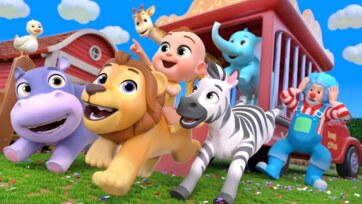
  The world of children’s entertainment has been revolutionized by 3D animation. Unlike traditional cartoons, 3D animation allows limitless creativity—gravity can bend, colors can explode, and impossible adventures come to life. From high-flying circus acts to chaotic kitchen mishaps, these animated worlds blend humor, adventure, and life lessons, capturing the attention of young audiences while subtly teaching valuable skills. In this exploration, we dive into iconic 3D animated scenarios that define modern storytelling, where babies ride lions, monsters run kitchens, and farm animals take center stage. Circus Escapades and the Great Animal Parade: One of the most joyful and energetic staples of children’s 3D animation is the “Animal Parade,” often set in a circus environment. Imagine a fearless baby sitting atop a galloping lion, leading a whimsical procession of animals across a flower-filled meadow. Diverse Animal Companions: A cheerful purple hippo, a smiling zebra, a long-necked giraffe, and a tiny yellow duckling follow along, each adding a unique personality to the scene. The Circus Touch: A blue elephant peeks from a red circus wagon, while a comically shocked clown in bright overalls watches the parade unfold. Visual and Emotional Impact: Set against a bright blue sky dotted with fluffy clouds, the scene celebrates freedom, leadership, and the playful bond between children and animals. It subtly teaches courage, empathy, and teamwork through spectacle and humor. Kitchen Chaos and the Giant Cereal Disaster: From the wide-open circus to the confined kitchen, 3D animation thrives on exaggerated, comedic moments. Enter Monster Chef Meledton—a gigantic, fluffy orange creature with tiny horns and an insatiable appetite. Slapstick Fun: Wearing a tall chef’s hat, Meledton attempts to pour milk into a bowl of rainbow-colored cereal, only for a tidal wave of milk to erupt, sending loops flying across the kitchen. Miniature Helpers: Tiny mouse assistants dressed in chef outfits scramble to avoid the flying cereal, adding layers of humor and suspense. Detailed Environment: Overflowing pancakes, floating milk cartons, and bowls of fruit create a “chaotic yet delightful” atmosphere that keeps children visually engaged and encourages them to laugh at controlled disorder. This scene combines fun with subtle lessons in responsibility, cause and effect, and problem-solving—teaching children that mistakes can be part of learning. Farmyard Tales: Sports and Secret Missions: Farm settings in 3D animation often mix lighthearted play with thrilling adventures, providing a versatile backdrop for storytelling. Farm Animal Football: A sunny farm hosts a playful football match between an orange kitten with green eyes and a proud white rooster. Playful Interaction: The kitten crouches in playful anticipation, while the rooster readies itself to kick a colorful patchwork ball. Idyllic Setting: Classic red barns, wooden fences, and lush greenery promote themes of friendship, teamwork, and healthy competition. Ninja Night Mission: When night falls, the same farm transforms into a scene of suspense and comedy. A muscular ninja in midnight black engages in a tug-of-war with two cows near a wooden barn. Tension Meets Humor: The brown and white cows strain against the rope while the ninja’s exaggerated movements add comic relief. This scenario introduces stealth, strategy, and problem-solving in a way older children can enjoy. Rainy Day Kindness and Unlikely Guides: 3D animation excels at turning everyday situations, like a rainy afternoon, into memorable adventures. Booba’s Rain Adventure: Booba, a furry white character, holds a giant yellow umbrella, looking surprised by the sudden downpour. Unexpected Friends: A cheerful green frog holds a tiny umbrella and guides Booba through the rain, showing children the value of kindness, cooperation, and finding help in unexpected places. These scenes teach emotional intelligence and empathy through exaggerated expressions and playful storytelling. Educational Benefits of 3D Animation: Beyond entertainment, 3D animation offers real developmental advantages for children: Empathy and Cooperation: Scenes like mice assisting a monster chef or animals parading together emphasize teamwork and social skills. Emotional Awareness: Characters’ expressive faces—whether shocked, happy, or confused—help children recognize and understand different emotions. Creative Problem Solving: Unusual scenarios, like a ninja wrestling cows or a monster managing a kitchen disaster, encourage children to think critically and imaginatively. Visual Learning: Bright colors, dynamic motion, and exaggerated gestures make abstract concepts more concrete, supporting memory and comprehension. Why 3D Animation is a Gateway to Imagination: From the “Giant Cereal Disaster” to circus animal parades, 3D animation is more than eye-catching spectacle. It is a gateway to curiosity, imagination, and problem-solving. Safe Exploration: Children can experience adventurous situations in a controlled, safe environment, exploring ideas without real-world risk. Interactive Imagination: Every scene invites the question, “What happens next?”—turning passive viewing into active mental engagement. Life Lessons in Disguise: Through humor, chaos, and adventure, children learn courage, empathy, creativity, and the joy of discovery. Conclusion: Creativity, Learning, and Fun All in One Modern 3D animation transforms ordinary stories into extraordinary experiences. Whether a child is cheering for a kitten scoring a goal, laughing at a flying cereal disaster, or following Booba through the rain, they are also learning essential life skills. The beauty of 3D animation lies in its ability to blend entertainment with education seamlessly. By combining vibrant visuals, imaginative storytelling, and emotional depth, it creates an immersive environment where children not only play with ideas—they grow with them. In today’s digital age, 3D animation isn’t just a form of entertainment. It is a playground for the mind, a lab for emotional development, and a classroom for curiosity. When children watch these adventures, they’re not just entertained—they’re being trained to think, empathize, and explore a world where imagination knows no bounds.  
How Visual Cartoons Help Children Learn Faster
Today’s children do not start learning from books. They start learning from what they see. Before a child can read an alphabet or count numbers, their brain is already busy understanding colors, faces, movement, and patterns. This is why modern early childhood education strongly supports what experts call a visual-first learning approach—a method where children understand the world through images, actions, and storytelling before they fully develop language skills. For parents who regularly show cartoons or visual stories to their kids, this is important to understand: the right kind of visual content is not just entertainment. It can actually shape thinking, behavior, confidence, and emotional strength. Let’s explore how this works and why visually rich storytelling can support a child’s development when used correctly. Visual Learning Matches How a Child’s Brain Naturally Develops A young child’s brain develops in stages. The visual processing system becomes active much earlier than the reading and reasoning centers. That means children understand pictures long before they understand explanations. When a child watches colorful animated scenes or expressive characters, their brain is forming connections that later support: Logical thinking Emotional understanding Problem-solving ability Social behavior Curiosity about the real world In simple terms, visuals become the first “language” a child learns. Building Thinking Skills Through Colors, Shapes, and Patterns One of the earliest learning milestones is categorization—the ability to group things based on similarities. This may sound simple, but it is actually the foundation of mathematics, science, and reasoning. When children see objects sorted by color, shape, or size in visual storytelling, they begin to recognize patterns. They learn that: Similar things belong together Differences can be identified Order can exist in a system For example, when a child repeatedly sees red objects grouped together and blue ones placed separately, they are practicing classification without even realizing it. This is the early stage of logical thinking. These small observations quietly prepare the brain for later academic learning. No pressure, no memorization—just natural discovery. Understanding Cause and Effect Through Visual Action Children also learn how the physical world works by watching movement and interaction. When they see objects being pushed, lifted, stacked, or rescued in storytelling scenarios, they begin understanding cause and effect. They notice that: Actions create results Some tasks require effort Problems can be solved step by step Cooperation leads to success This kind of visual problem-solving introduces early engineering thinking. A child watching characters fix situations or move heavy objects is learning how challenges can be approached logically. These lessons stay with them when they begin handling real-life situations, whether it’s building something, solving puzzles, or helping others. Emotional Intelligence Begins With Recognizing Expressions Learning is not only about numbers and facts. A major part of childhood development is understanding emotions. Young children cannot always explain what they feel, but they can easily recognize expressions like happiness, sadness, fear, or surprise when they are shown clearly. Visual storytelling gives children a safe way to observe emotions from the outside. They start to understand: What sadness looks like How kindness is shown Why someone might feel afraid How problems between friends can be solved This builds emotional intelligence—the ability to understand both their own feelings and those of others. Children who develop emotional awareness early tend to adjust better in school, form healthier friendships, and handle stress more confidently. Helping Children Face Fear and New Experiences Safely Many everyday experiences can feel overwhelming for children. Visiting a doctor, trying something new, or meeting unfamiliar people may cause anxiety. Visual stories allow children to witness similar situations in a safe environment. They see characters experience worry, confusion, or surprise—and then overcome it. This helps children mentally rehearse how to respond in real life. Psychologists describe this as learning through symbolic experience. The brain treats the observed situation as practice. When children later face a similar situation themselves, it feels less unfamiliar. Teaching Responsibility Without Pressure Children often resist direct instructions, but they naturally imitate what they see. When storytelling presents everyday responsibilities—cleaning up, helping others, staying healthy—as part of an adventure, children become more willing to follow those behaviors. Instead of feeling like rules, these actions feel meaningful. This approach transforms routine lessons into something positive: Hygiene becomes self-care Helping becomes teamwork Following rules becomes part of belonging The child begins to act responsibly not because they are forced to, but because they understand its value. Encouraging Imagination and Creative Confidence Visual storytelling also strengthens imagination, which plays a crucial role in problem-solving and innovation later in life. When children see ordinary objects used creatively or characters exploring different roles, they realize that ideas can be flexible. A cardboard box can become anything. A simple setting can turn into an adventure. This nurtures: Independent thinking Curiosity Confidence in trying new ideas The ability to imagine solutions Imagination is not separate from intelligence. It is one of its most powerful forms. Introducing Social Understanding and Cooperation Children must also learn how to exist within a community. They need to understand sharing, helping, fairness, and teamwork. Visual narratives demonstrate these ideas through actions rather than lectures. Children see cooperation in motion. They observe characters supporting each other, solving problems together, and contributing to a group. This helps them understand that everyone has a role to play. Such lessons prepare children for school environments where collaboration is essential. Creating Awareness About Nature and Everyday Life Another powerful benefit of visual learning is introducing children to the natural world and daily life systems. Through storytelling, children can observe how food is grown, how animals live, and how environments function. These ideas help them develop early respect for nature and curiosity about where things come from. This connection encourages healthier attitudes toward food, surroundings, and responsibility for the environment. Why Visual Learning Works So Effectively The reason this approach is successful is simple: it aligns with biology. Young children learn best when: Information is shown rather than explained Learning feels like play Repetition happens naturally Emotions are involved in the experience Visual storytelling combines all these elements at once. It teaches without appearing to teach. The Role of Parents: Guidance Makes the Difference While visual content can support development, it works best when parents stay involved. Watching together, discussing what happened, and connecting stories to real-life experiences strengthens understanding. Even small conversations help children process what they see and apply it meaningfully. The goal is not passive watching, but guided exposure. A Tool for Growth, Not Just Entertainment When chosen thoughtfully, visual content becomes more than a way to keep children busy. It becomes a developmental tool that supports thinking, emotional balance, creativity, and confidence. Children are not just watching stories. They are building mental models of how the world works. Frame by frame, scene by scene, they are learning how to think, how to feel, and how to interact with life itself. And that is why the visual-first approach has become such a powerful part of early childhood learning—it speaks the language children understand before all others: the language of seeing.  
Why is Rhythm and Music Important in Early Childhood Development?
Music and rhythm play a pivotal role in the development of young children. For preschoolers, music is not just a source of entertainment—it is a powerful tool that supports their overall growth. Engaging with music helps enhance emotional, social, cognitive, motor, and language skills. 1. Rhythm Develops Motor Skills: Rhythm and movement are closely linked. Children who engage in music through singing, dancing, or playing instruments experience improved coordination and motor skills. Following beats helps them develop a sense of body awareness, while activities like clapping or drumming improve both fine and gross motor coordination. 2. Music and Rhythm Improve Language Skills: Musical experiences significantly contribute to language development. Songs, rhymes, and chants that children listen to and sing help expand their vocabulary. Rhythm also plays a crucial role in teaching sentence structure and the proper use of emphasis and intonation in speech, making it easier for children to understand and use language effectively. 3. Music's Emotional and Social Impact: Music helps children better understand and express their emotions. Listening to different types of music enables them to feel a range of emotions, from joy to sadness, while also helping them to develop empathy and emotional intelligence. Group music-making activities, like singing in a circle or dancing together, strengthen social bonds and promote teamwork and patience. 4. Music and Rhythm in Cognitive Development: Research has shown that exposure to music can enhance memory, attention, and problem-solving skills. Following rhythms and beats improves children’s ability to concentrate, while musical games and exercises support memory retention. In fact, music stimulates multiple areas of the brain and encourages cognitive growth. 5. Balancing Music, Play, and Learning: For children, learning is most effective when it’s fun and interactive. Music offers a playful approach to education, making learning enjoyable and engaging. By incorporating music into daily activities, children are able to learn in a way that feels natural and fun, all while developing a wide range of essential skills.
The Heartwarming World of Little Explorers
A Day in the Meadow Imagine a world where the sun always shines, the grass is forever green, and the animals are your best friends. In the vibrant image before us, we see a beautiful snapshot of childhood wonder. A cheerful toddler, dressed in a bright yellow hoodie and blue shorts, is kneeling in a lush meadow, surrounded by a group of friendly goats. This isn't just a picture; it’s a story about curiosity, the bond between humans and nature, and the simple joys of being young. The Magic of First Encounters For a young child, every moment is a brand-new discovery. The toddler in the image, with his wide eyes and gentle smile, is experiencing the magic of meeting animals up close. This is a crucial part of growing up, as it teaches children about the world beyond their own homes. Developing Empathy Through Animals When a child interacts with an animal, they begin to understand that other living beings have feelings too. By reaching out his hand to feed or pet the goat, the little boy is practicing kindness. This early connection helps build a foundation for empathy that will last a lifetime. Sensory Exploration in Nature The meadow is a playground for the senses. The Feel: The soft fur of the goats and the tickle of the grass. The Sight: The explosion of colors from the orange and purple wildflowers. The Sound: The gentle "baa-ing" of the goats and the rustle of the leaves in the large oak tree. Understanding Our Animal Friends The goats in this scene are more than just background characters; they are participants in a peaceful gathering. Goats are known for being curious and social creatures, much like the little boy himself. Why Goats are Great Companions Goats are often used in petting zoos because they are generally gentle and inquisitive. In the image, we see goats of different colors—brown, white, and black-and-white. This variety shows the child that even though we look different on the outside, we can all hang out together in the same field. The Language of the Herd Looking closely at the goats, you can see them leaning in. They aren't scared; they are interested! They use their ears and their tails to communicate. By observing them, the child learns to read body language, an important skill for social development. The Importance of Outdoor Play In today’s world of screens and gadgets, an image like this reminds us how vital it is for children to get outside. The great outdoors is the best classroom a child can have. Physical Growth and Coordination Notice how the toddler is kneeling and balancing himself. Playing on uneven surfaces like a grassy meadow helps children develop their motor skills and physical strength. Whether it's chasing a goat or picking a flower, every movement helps them grow stronger. Boosting Creativity and Imagination In a field like this, a child isn't just sitting; they are adventuring. That big tree in the background could be a giant's castle, and the goats could be his royal guards. Nature provides "loose parts"—sticks, stones, and leaves—that allow a child's imagination to run wild. A Lesson in Environment and Ecology Even at a young age, children can start to learn about the environment. This picture represents a healthy, thriving ecosystem where animals and plants live in harmony. The Role of Trees and Plants The massive tree behind the boy isn't just for shade. It provides a home for birds, oxygen for us to breathe, and a sense of scale to the world. The wildflowers provide food for bees and butterflies, showing the child that everyone has a job to do in nature. Sustainable Living and Farming Scenes like this often remind us of farm life. It introduces the concept of where our food and clothes come from. Seeing a goat might lead to a conversation about goat's milk or the wool used to make warm sweaters. It connects the child to the cycle of life. The Psychology of Color in Children's Media The artist of this image used very specific colors to make us feel happy and safe. This is often called "color psychology," and it plays a huge role in how children perceive their environment. Why Yellow and Blue? Bright Yellow: The boy’s hoodie is yellow, which is the color of happiness, optimism, and energy. It makes the character stand out as the "hero" of the scene. Calming Blue: His blue shorts and the clear blue sky provide a sense of calm and stability, balancing the excitement of the yellow. The Greenery of Growth Green is the most prominent color in the image. It represents health, safety, and the natural world. For a child, a green space feels like a "safe zone" where they are free to explore without many rules. Safety and Supervision While the image is full of joy, it also highlights the importance of safe exploration. The child is close enough to touch the animals, but the scene feels controlled and peaceful. Learning Boundaries Part of interacting with nature is learning "no-touch" zones. Parents can use scenes like this to teach children that while the brown goat is friendly, we must always move slowly and speak softly so we don't startle our animal friends. The Role of the Guardian Although we don't see an adult in the frame, we can imagine one nearby, capturing this beautiful moment. It reminds us that children need the freedom to explore, but the security of knowing someone is there to catch them if they stumble. Conclusion: A Moment Captured in Time This image is a celebration of childhood. It captures the fleeting years where a goat is a giant, a meadow is a kingdom, and a simple afternoon is a grand adventure. It encourages us all—both children and adults—to slow down, breathe the fresh air, and appreciate the living world around us. Through the eyes of this little boy, we see a world that is kind, colorful, and full of wonder. It’s a reminder that the best toys aren't made of plastic, but of fur, feathers, and leaves.
Happy Monkey Farmer Driving Red Tractor with Jungle Animals
In modern early childhood pedagogy, the "visual-first" approach has become a dominant force in cognitive development. By leveraging high-contrast digital art, relatable anthropomorphic characters, and strategic social modeling, educational media creates a multi-layered learning environment. The following analysis explores how these visual narratives translate into foundational life skills, ranging from mechanical logic to emotional resilience. Agricultural Literacy and Systems Management Early childhood media often uses farm-based scenarios to introduce children to the concepts of labor, food sources, and logistical management. Logistical Chains: Seeing a monkey in yellow overalls drive a green tractor to transport five smiling cows introduces the idea of transportation and the movement of resources. Source of Goods: The inclusion of a second monkey collecting a bucket of fresh milk next to a cow provides a direct visual link between farm animals and the products children consume daily. Specialized Transport: The use of a wooden trailer to move large harvests, such as red bananas, teaches children about the utility of specialized tools for specific tasks. Environmental Context: These scenes are set in vibrant, sunny landscapes with banana trees and rolling hills, fostering a positive emotional association with nature and agricultural work. The Mechanics of Rescue and Community Cooperation Toy-based scenarios involving service vehicles are a staple for teaching cause-and-effect, mechanical logic, and the importance of community "helpers". Mechanical Advantage: The depiction of a blue tow truck using a cable and hook to pull a yellow school bus out of thick mud serves as a primary lesson in problem-solving and the use of tools to overcome physical obstacles. Collaborative Force: Seeing four different tractors (blue, pink, green, and black) using heavy chains to pull a tanker and cargo truck up a riverbank demonstrates that some tasks require collective effort rather than individual strength. Crisis Response Teams: Surrounding a stuck bus with an ambulance, fire truck, and cement mixer teaches children to recognize the different roles of professional responders in a community crisis. Physics of Environment: The visual of "mud" sticking to the tires of the bus introduces the physical properties of friction, weight, and environmental resistance. Cognitive Categorization through Chromatic Logic Color matching is one of the earliest logical frameworks a child develops, and visual media accelerates this through "attribute matching". Animal-to-Object Matching: Placing realistic but brightly colored animals—like a red tiger, green lion, yellow bear, and blue gorilla—next to soccer balls of the same color forces the child to isolate color as a primary attribute. Sequential Logic: The arrangement of anthropomorphic trucks and large-eyed eggs in a rainbow spectrum (red, yellow, green, blue, purple) reinforces the concept of order and linear progression. Spatial Placement: Visuals where colored trucks are positioned in front of matching garage doors help children practice spatial reasoning and memory. Emotional Intelligence and Processing Fear A significant portion of modern media focuses on Social-Emotional Learning (SEL), helping children identify internal states and navigate common anxieties. Externalizing Night Terrors: By showing a toddler pointing at a dark, smiling "ghost" character in a bathroom, the media helps children name and externalize their fears of the dark. Distinguishing Fantasy from Reality: Placing a "Spider-Man" themed T-Rex at a bedroom window blends a familiar, "safe" hero with a traditionally "scary" predator, allowing children to process complex emotional stimuli. Recognizing Distress: The presence of blue teardrops on the toddler 'Anna' provides a universal visual shorthand for sadness and fear, which helps children learn to empathize with others. Empathy and Caretaking: A scene where a panda offers a bucket of vegetables to a worried-looking lion demonstrates the ability to recognize and respond to the distress of others in a social setting. Nurturing Stewardship and Biological Discovery Interaction with animals is a core theme that models compassion, observation, and respect for life. Gentle Hands: A young boy kneeling to feed a fluffy yellow chick under the watchful eye of a hen models the concept of "gentle stewardship" and cross-species bonding. Detailed Observation: Scenes featuring diverse breeds of chickens, including white and brown hens with red combs, encourage children to pay attention to the specific physical traits of animals. Communal Travel: A train driven by a toddler carrying a zebra, elephant, pig, and giraffe symbolizes social inclusion and the value of shared experiences among different "species". Habit Formation and Personal Autonomy Turning mandatory routines into playful narratives reduces the friction between a child's desire for play and their need for personal care. Hygiene as a Social Game: Personifying a tooth and a toothbrush makes dental hygiene feel like a social activity rather than a chore. Visualizing Health Threats: The inclusion of a small, grumpy green "germ" character with a sword provides a tangible reason for brushing, making the abstract concept of bacteria understandable. Vocational Roleplay: A boy in a captain’s uniform standing next to a cardboard airplane demonstrates the power of imaginative play in exploring future roles and building self-confidence. DIY Creativity: The use of a cardboard plane highlights that simple, everyday materials can be the catalyst for global adventures and creative problem-solving. Cross-Species Harmony and Social Play The final layer of this educational tapestry is the promotion of a world where diverse groups coexist peacefully and joyfully. Shared Leadership: Whether it is a monkey leading a farm parade or a toddler driving a train, these visuals reinforce the idea that even the smallest individuals can lead and care for a large group. Playful Landscapes: The background of these images—filled with rolling green hills, banana plantations, and clear blue skies—frames the world as an inviting space for exploration. Inclusion of the "Wild": Including traditionally "wild" animals like wolves and tigers in friendly, domestic farm scenes suggests that cooperation is always possible regardless of perceived differences. Conclusion: A Multi-Sensory Roadmap The visual landscape presented in these images is more than just entertainment; it is a meticulously designed roadmap for the developing brain. By utilizing saturated colors to teach logic, expressive faces to teach empathy, and mechanical failures to teach resilience, these narratives prepare children for the complexities of the real world. Each scenario serves as a bridge between the digital screen and the child's physical environment. When a child sees a real tractor, they recall the monkey's farm; when they face the dark, they remember the bathroom ghost was just a story; and when they pick up a toothbrush, they see a "friend" rather than a tool. This synergy between visual storytelling and practical life skills ensures that the modern child is building a robust cognitive and emotional foundation through every frame they consume.  
Exploring the Magic of Color and Play
The Rainbow of Learning In the vibrant landscape of early childhood development, the world is not just a place to live; it is a canvas of endless possibilities. For young learners, every hue, every shape, and every interactive moment serves as a building block for understanding the complex environment around them. The intersection of education and entertainment—often called "edutainment"—has become a cornerstone of how modern children engage with foundational concepts like logic, sorting, and emotional intelligence. Through the use of bright, high-contrast visuals and friendly, expressive characters, educational media creates a safe space for curiosity to flourish. Whether it is through the personification of everyday objects or the creation of fantastical scenarios, these experiences allow children to experiment with the "what-ifs" of the world from the comfort of their own imagination. The Psychology of Primary and Secondary Colors Color is one of the first languages a child learns to speak. Long before they can read or write, infants and toddlers respond to the emotional and cognitive cues provided by a diverse palette. Building Blocks of Perception Primary colors—red, yellow, and blue—are frequently used in learning environments because they are easily distinguishable to developing eyes. Red: Often associated with energy and excitement, it grabs immediate attention. Yellow: Representing sunshine and optimism, it creates a welcoming and happy atmosphere for learning. Blue: Providing a sense of calm and stability, it balances the more high-energy tones in a visual field. The Complexity of Secondary Hues As children grow, the introduction of secondary colors like green, orange, and purple helps them understand the concept of relationships and mixing. Seeing a green object placed alongside a yellow one, or a purple one next to a blue one, encourages the brain to recognize patterns and gradients. This cognitive exercise is essential for mathematical thinking and artistic expression later in life. Emotional Intelligence Through Character Interaction Beyond simple objects, the use of characters with exaggerated expressions plays a vital role in teaching empathy and social cues. Recognizing Feelings When characters display clear emotions—be it surprise, worry, or joy—children learn to identify those same feelings within themselves and others. Surprise and Wonder: Seeing a character in a state of awe encourages the child to feel that same sense of discovery. Concern and Empathy: When a character looks distressed or sad, it prompts a nurturing response in the viewer, fostering early social bonds. Conflict Resolution and Teamwork Many educational scenarios involve multiple characters who must navigate a shared space. These stories often mirror the real-life playground experiences of children, showing them that even when friends disagree or feel overwhelmed, there is always a path back to cooperation and harmony. The Role of Sensory Play and Imagination Imagination is the laboratory of the young mind. By presenting scenarios that defy the laws of physics or everyday logic, educational content encourages "out-of-the-box" thinking. Fantastical Realism Imagine a world where ordinary chores or objects turn into sources of pure delight. This type of play allows children to: Reduce Anxiety: Turning a bath or a walk into a game makes daily routines feel less like chores and more like adventures. Enhance Problem Solving: When a child sees a familiar setting used in an unfamiliar way, it stretches their cognitive flexibility. Sensory Integration Visuals that suggest texture—the fluffiness of fur, the smoothness of an egg, or the gooeyness of slime—help children develop their sensory vocabulary. Even without touching the screen, the brain processes these textures, preparing the child for real-world tactile exploration. Foundations of Logic: Sorting and Categorization One of the most critical pre-math skills is the ability to sort objects based on specific attributes. Pattern Recognition By grouping similar items together, children begin to understand the concept of "sets". This might involve matching a color to its corresponding container or lining up objects by size. Matching: Helps in recognizing identity and difference. Sequencing: Introduces the idea of order, which is fundamental to reading from left to right and counting in sequence. Vehicles of Learning Using relatable objects like small trucks or bright eggs as the "movers" of this logic makes the task feel like a game rather than a lesson. When a child sees a character "working" to organize their world, they are inspired to do the same in their own toy box. Nature as a Classroom The natural world—even when represented in a stylized, animated way—offers endless lessons in biology and environment. Connection to Living Things Interacting with the idea of animals, whether in a forest or a farm setting, teaches children about the diversity of life. It introduces the concept that different creatures have different needs, habitats, and ways of communicating. Environmental Stewardship Lush green backgrounds and scenes set in nature instill an early appreciation for the outdoors. It fosters a sense of peace and a desire to explore the world outside the front door, promoting physical activity and a healthy curiosity about plants and wildlife. Conclusion: The Lifelong Impact of Playful Learning The journey through childhood is a rapid-fire series of "firsts". By surrounding these first experiences with vibrant colors, gentle lessons, and imaginative scenarios, we provide children with a toolkit for life. Education is not just about facts and figures; it is about building a confident, empathetic, and curious individual who sees the world as a place of wonder. As children transition from these playful foundations into more formal schooling, the lessons learned from a simple rainbow of eggs or a friendly yellow bird stay with them, reminding them that learning is—and always should be—an adventure.  
Advertisement
The Role of Parents in a Child’s Digital World
 As technology continues to evolve, children are exposed to digital content earlier than ever. While these tools can enhance learning and entertainment, the role of parents in guiding their children through the digital landscape is more important than ever. Why Is Parental Guidance Crucial? The type and amount of digital content a child consumes can significantly influence their development. With proper guidance, parents can: • Filter content: Ensure children watch age-appropriate, educational, and inspiring videos. • Set boundaries: Limit excessive screen time, which can negatively affect sleep, physical activity, and attention spans. • Teach critical thinking: Help children question and analyze what they see on screen to differentiate between real and fictional content. How Can Parents Support Healthy Digital Habits? 1. Co-view and discuss: Watching videos together creates opportunities for bonding and teaching valuable lessons. 2. Offer offline alternatives: Encourage creative play, sports, and reading as engaging options beyond screens.3. Establish clear rules: Create family rules like screen-free meal times or no devices before bed. The Power of Parental Role Models Children emulate what they see. When parents demonstrate a healthy relationship with technology—such as taking breaks from screens, reading physical books, or prioritizing family time—they set a positive example for their kids. Preparing for the Future As technology advances, new tools like virtual reality and AI-driven learning programs will become more accessible. Parents have the responsibility to help their children navigate these changes wisely, teaching them how to use technology as a tool for growth rather than a distraction. Balancing the Real and Digital Worlds A child’s life should include both digital experiences and real-world activities. Watching a video about cooking can inspire a family baking session, while a nature documentary might encourage outdoor exploration. By blending the digital and physical worlds, parents can ensure their children develop holistically.