How Educational Cartoons Help Children Learn Faster

In today’s digital world, children are exposed to screens earlier than ever before. Many parents worry that cartoons are only entertainment, something that distracts kids rather than helps them grow. But when designed thoughtfully, educational cartoons can actually support brain development, emotional balance, and everyday learning.

For websites that provide children’s cartoons along with written content, this combination can become a powerful learning environment. Visual storytelling does not replace education. It becomes a bridge between play and understanding.

Let’s explore how this “visual-first” learning style helps children develop essential life skills while they enjoy the content they love.

Why Children Naturally Learn Better Through Visual Content

Young children do not learn the same way adults do. They are not ready for long explanations or abstract ideas. Their brains respond strongly to movement, colour, sound, and facial expressions.

This is why a child may forget verbal instructions but clearly remember what a cartoon character did hours earlier.

Visual learning works because it activates observation, memory, and emotion at the same time. Instead of memorising, children experience the lesson.

For example, when a cartoon character organises toys by colour or shape, the child understands sorting without being formally taught. The brain absorbs patterns naturally through repetition.

Developing Early Thinking Skills Without Pressure

Before children learn reading or mathematics, they begin building logical thinking. Educational cartoons introduce these ideas in ways that feel like fun rather than study.

Learning Colours, Patterns, and Matching

Bright visuals help children identify similarities and differences. When children group objects by colour or match items together, children begin understanding categorisation.

This simple activity is actually the foundation of:

  • Mathematical thinking
  • Problem-solving ability
  • Memory organization

These skills develop quietly while children watch engaging stories.

Understanding Cause and Effect Through Stories

Cartoons often show clear results from actions. A character makes a mistake, fixes it, and learns something. These sequences teach children that actions have consequences.

This builds early reasoning skills, helping children predict outcomes and make better choices in real life.

How Cartoons Support Emotional Development

Children feel emotions deeply but often cannot explain them. Educational cartoons give them a safe way to understand feelings.

Recognising Emotions Through Expressions

When characters show happiness, fear, sadness, or excitement, children begin identifying those same emotions within themselves.

A child watching a nervous character try something new realises that feeling unsure is normal. This helps reduce anxiety and encourages confidence.

Learning Kindness and Empathy Naturally

Stories that include helping, sharing, or comforting others model positive behaviour. Children copy what they see.

Instead of hearing “be kind,” they witness kindness in action. This visual modelling is one of the strongest tools in early childhood learning.

Teaching Everyday Life Skills Through Storytelling

One major benefit of educational cartoons is their ability to turn routine tasks into exciting adventures.

Encouraging Healthy Habits

When characters brush teeth, clean up, or wash hands as part of the story, children start associating these habits with positivity rather than resistance.

Parents often notice children repeating these actions voluntarily because they saw their favourite character do the same.

Building Responsibility Through Role Play

Cartoons frequently show characters taking on simple responsibilities like helping friends, completing tasks, or solving problems.

This encourages children to try things independently, which builds self-confidence and decision-making ability.

Boosting Creativity and Imagination

Imagination is not just entertainment. It plays a key role in intellectual growth. Children who engage in imaginative thinking develop stronger creativity and flexibility in solving problems.

Cartoons often transform ordinary situations into playful adventures. A cardboard box becomes an aeroplane. A backyard becomes a jungle. These ideas inspire children to explore creativity in their own surroundings.

Creative thinking later supports:

  • Writing and storytelling
  • Innovation and curiosity
  • Adaptability in learning

Children begin to see possibilities instead of limitations.

Introducing Children to the World Around Them

Educational cartoons also help children understand real-life environments they may not experience daily.

Learning About Nature and Food

Stories that include animals, farms, or gardens introduce children to where food comes from and how living things grow. This builds awareness about healthy eating and respect for nature.

For children growing up in cities, these visuals create an early connection to the natural world.

Understanding Community Roles

Cartoon characters often perform helpful roles like drivers, helpers, builders, or caregivers. These portrayals teach children that every role contributes to society.

This understanding encourages cooperation and respect for others.

Helping Children Manage Fear and New Experiences

Children often face situations they find confusing or scary, such as visiting a doctor, meeting new people, or trying something unfamiliar.

Cartoons present these experiences in a gentle and reassuring way. Characters may feel nervous but eventually succeed, showing children that fear is temporary and manageable.

This emotional preparation helps children approach real-life situations with greater confidence.

Encouraging Social Skills Through Story-Based Interaction

Watching characters interact teaches children how relationships work.

They learn about:

  • Taking turns
  • Sharing space
  • Resolving disagreements
  • Helping others

These lessons prepare children for school environments where cooperation is essential.

Children begin practising these behaviours naturally during playtime.

The Difference Between Educational Cartoons and Pure Entertainment

Not every cartoon offers developmental value. Fast-paced content filled only with noise and action may entertain but does little to support learning.

Educational cartoons focus on clarity, repetition, and meaningful storytelling. They allow children time to understand and absorb ideas rather than simply react.

Quality matters far more than quantity when it comes to screen time.

How Parents Can Make Cartoon Time More Meaningful

Parents do not need to eliminate screen time. Instead, they can guide it.

Simple involvement makes a big difference:

  • Talking briefly about what the child watched
  • Connecting lessons to daily routines
  • Encouraging children to imitate positive actions

These small interactions turn passive watching into active learning.

Why Kids’ Websites That Combine Cartoons and Articles Are Important

Websites that provide both engaging videos and thoughtful written content offer more than entertainment. They create a structured learning space for families.

Children enjoy the visuals, while parents understand the purpose behind the content. This balance builds trust and ensures screen time is used productively.

Such platforms support both engagement and education without overwhelming young learners.

A Modern Approach to Learning in the Digital Age

Digital media is now part of childhood. Instead of resisting it completely, parents can choose content that supports development.

Educational cartoons align with how children naturally learn—through seeing, feeling, and repeating experiences.

When used wisely, they do not replace real-world learning. They prepare children for it.

Final Thoughts: Turning Screen Time Into Growth Time

Cartoons can either be noise or nourishment for a child’s mind. The difference lies in choosing content designed to teach through storytelling.

Educational cartoons help children:

  • Develop thinking skills
  • Understand emotions
  • Build confidence
  • Learn everyday habits
  • Explore creativity

When combined with thoughtful guidance from parents, these visual experiences become stepping stones toward lifelong learning.

Screen time does not have to be a struggle. With the right approach, it becomes an opportunity—one story, one lesson, and one smile at a time.


Advertisement
How Visual Learning Is Reshaping Early Childhood Education in the Digital Age
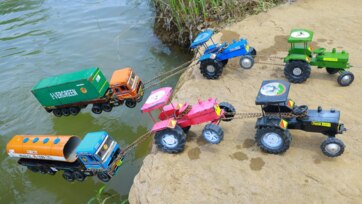
Early childhood education has quietly undergone a transformation. Where previous generations relied heavily on verbal instruction and memorization, today’s learning environment is increasingly driven by what children see rather than what they are told. Screens, illustrations, animated characters, and scenario-based storytelling now act as the first teachers a child encounters. This shift toward visual-first learning is not accidental. It reflects how the young brain naturally develops. Before children can read sentences or understand explanations, they interpret patterns, colors, movement, and expressions. Modern educational media taps into this neurological reality and turns it into a structured learning system—one that introduces logic, empathy, responsibility, and environmental awareness through imagery long before formal schooling begins. For parents and educators, especially in regions where early academic pressure is rising, understanding this approach is essential rather than optional. The Science Behind Why Children Learn Faster Through Visual Input A child’s brain in the first six years forms neural connections at a rate that never repeats later in life. During this period, the brain is wired to decode visual signals first and language second. Shapes, repetition, contrast, and movement become the foundation of understanding. This explains why a toddler can recognize a tractor, identify colors, or react emotionally to a character without being able to describe what they are seeing. Visual exposure builds what psychologists call cognitive scaffolding—a mental structure that supports later academic learning. In simple terms, children are not just watching. They are constructing meaning. Color Coding and Pattern Recognition: The Hidden Mathematics of Visual Media Bright, saturated colors used in children’s content are not merely decorative. They serve a developmental purpose by helping children categorize objects into logical groups. When children repeatedly see items organized by shared attributes—such as color or sequence—they begin forming early mathematical thinking patterns. Sorting becomes instinctive. Matching becomes intuitive. Order becomes predictable. You may notice similar behaviors at home. Children arrange toys by shade, group objects unconsciously, or follow visual sequences during play. These are not random habits. They are early demonstrations of classification skills that later evolve into arithmetic reasoning and structured thinking. Mechanical Storytelling as an Introduction to Scientific Thinking Visual narratives involving tools, vehicles, and problem-solving scenarios expose children to basic physical principles without requiring scientific vocabulary. When multiple machines work together to overcome an obstacle, children absorb ideas about cooperation, force, and cause-and-effect relationships. When objects sink into mud or resist movement, they observe environmental interaction and resistance—even if they cannot yet explain it. These depictions are especially meaningful for children growing up in environments where machinery, farming equipment, or transport systems are already visible parts of daily life. Visual learning connects familiar surroundings with structured understanding. Science begins not with formulas, but with observation. Emotional Literacy: Teaching Feelings Before Language Exists One of the most valuable outcomes of visual-first education is emotional recognition. Young children experience intense feelings but lack the vocabulary to express them. Visual exaggeration—clear facial expressions, symbolic tears, or dramatic reactions—helps translate emotions into something understandable. This process builds emotional literacy. Children begin to recognize fear, happiness, frustration, and empathy by observing them externally. Over time, they learn to associate those visuals with their own internal experiences. In cultures where emotional discussion is often indirect, visual storytelling becomes a powerful teaching tool for self-awareness and social sensitivity. Preparing Children to Handle Anxiety and Uncertainty Many visual learning scenarios deliberately introduce mild tension—unexpected situations, unfamiliar environments, or problem-solving moments. These experiences allow children to confront uncertainty in a safe, controlled way. When children repeatedly see characters navigate fear or confusion and arrive at resolution, they internalize resilience. They begin to understand that discomfort is temporary and manageable. This psychological rehearsal can later reduce anxiety during real-life experiences such as visiting a doctor, entering school for the first time, or interacting with unfamiliar people. Everyday Responsibilities Reimagined as Exploration Young children resist instruction but embrace storytelling. Modern educational visuals cleverly transform routine behaviors into engaging narratives rather than obligations. Cleaning, organizing, helping others, and maintaining personal hygiene are framed as active participation rather than passive compliance. Children begin to associate responsibility with independence and capability rather than restriction. This reframing is particularly effective in family-oriented societies where children naturally observe adult roles and imitate them. Visual reinforcement strengthens behaviors already encouraged at home. Role-Playing and Identity Formation in Early Years Pretend-play scenarios showing children taking on functional roles—managing tasks, solving challenges, or guiding activities—support identity development. These narratives cultivate a sense of agency, the belief that one’s actions can influence outcomes. Children who engage with such scenarios often display greater confidence in decision-making and participation when they enter structured learning environments. They see themselves not merely as observers, but as contributors. Confidence, at this stage, is built through imagination before it is tested in reality. Introducing Food Systems, Nature, and Resource Awareness Nature-based and agricultural imagery reconnects children with the origins of everyday resources. Many modern urban lifestyles separate young learners from how food is grown, transported, and shared. Visual storytelling restores this connection by illustrating processes in simplified, relatable forms. Children begin to understand that resources come from effort, coordination, and environmental interaction rather than appearing instantly. This awareness fosters respect for both labor and nature. Such early exposure can shape attitudes toward sustainability and responsibility long before those concepts are formally taught. Repetition: The Engine of Lasting Learning Adults often seek novelty, but children thrive on repetition. Watching similar scenarios repeatedly strengthens neural pathways, turning recognition into mastery. Each repeated exposure reinforces memory, builds prediction skills, and stabilizes comprehension. What appears monotonous to adults is actually essential brain training for young learners. Repetition is how temporary impressions become permanent understanding. Simplified Characters Make Complex Lessons Accessible Educational visuals often rely on stylized or symbolic characters instead of realistic portrayals. This design choice removes unnecessary detail, allowing children to focus on actions and emotions rather than appearance. Simplification reduces cognitive overload. It highlights meaning rather than realism. Children interpret behavior and relationships more clearly when distractions are minimized. In this way, visual storytelling communicates universal lessons without cultural or linguistic barriers. The Parent’s Role: Turning Passive Viewing Into Active Learning Visual education is most effective when reinforced beyond the screen. Real-world engagement strengthens the lessons introduced visually. Encourage children to apply what they observe:Let them organize objects physically.Allow them to participate in small responsibilities.Discuss emotions they notice.Connect visual scenarios to everyday experiences. When guided properly, visual content becomes a starting point rather than a substitute for interaction. Navigating the Challenge of Content Overload Not all visual media supports development. High-quality educational material follows structured storytelling, emphasizes relationships between actions and consequences, and reflects recognizable life situations. Content designed purely for stimulation—fast-paced without meaningful sequence—may entertain but rarely educates. The difference lies in whether the material encourages understanding or simply holds attention. Intentional selection matters more than screen time duration. Building Skills for a World Defined by Change Today’s children are growing up in an era of rapid technological and social transformation. Success in this environment will depend less on memorization and more on adaptability, emotional intelligence, and problem-solving ability. Visual-first learning supports these traits by encouraging pattern recognition, empathy, independence, and contextual thinking from an early age. It prepares children not just to absorb information, but to interpret and respond to a constantly evolving world. A Developmental Shift That Should Be Guided, Not Resisted Visual learning is not a passing educational trend. It reflects a deeper understanding of how young minds process reality. Attempting to eliminate it ignores how children naturally learn; leaving it unguided risks losing its benefits. When approached thoughtfully, this method becomes a bridge between imagination and lived experience—helping children make sense of their environment, relationships, and responsibilities. The goal is not to replace traditional learning, but to strengthen its foundation. Because long before a child reads their first sentence, they have already begun learning how the world works—through images, patterns, and stories that quietly shape the architecture of their thinking.  
Advertisement
The Power of Visual-First Learning in Early Childhood Development
In contemporary early childhood pedagogy, the "visual-first" approach has become a leading method for fostering cognitive, social, and emotional growth. By combining high-contrast digital art, anthropomorphic characters, and carefully crafted social scenarios, modern educational media creates a multi-layered learning environment. This environment not only engages children but also serves as cognitive scaffolding, providing mental templates that help them understand physical mechanics, navigate social interactions, and regulate intense emotions. The following analysis breaks down the pedagogical themes of visual-first learning, organized according to developmental impact, and emphasizes practical examples that illustrate their effectiveness. Cognitive Logic: Categorization, Attributes, and Physics Visual stimuli are central to early cognitive development, enabling children to decode patterns, relationships, and cause-and-effect dynamics before they develop verbal or numerical literacy. Chromatic Logic and Attribute Isolation Bold, saturated colors are deliberately used to support categorization, sequencing, and set recognition. Sequential Sorting: Visuals such as a child driving a pink tractor pulling trailers filled with red, yellow, green, and blue ice cream cones reinforce linear order, color recognition, and early mathematical concepts. Anatomical Visualization: Stylized, glowing skeletons in bright primary colors provide a playful introduction to human anatomy, helping children identify and differentiate body parts while making science approachable. Temporal and Identity Association: Graphics showing a white creature holding an orange popsicle that mirrors its own shape teach children to associate objects with identity markers and understand basic temporal concepts, such as the passage of "1 HOUR." Pattern Recognition: Repeated visual motifs, like a bouncing ball over alternating colored platforms, support predictive thinking and early problem-solving skills. Mechanical Principles and Collaborative Problem-Solving Play-based mechanical scenarios teach foundational physics, teamwork, and systems thinking. Complex Recovery Operations: Scenes of two large trucks stuck in a mud pit, being rescued by cranes, tractors, and excavators, illustrate leverage, tension, and the benefits of teamwork in overcoming challenges. Interconnected Systems: A baby suspended among interlocking gears demonstrates mechanical interdependence and introduces systems thinking. Force and Physics: Tug-of-war visuals with characters pulling ropes tied to giant scissors illustrate opposing forces, tension, and the idea of collective effort. Social Order and Authority: "Police babies" rescuing a struggling mermaid or a police dog apprehending a candy thief teach children about rules, roles, and societal structures that maintain safety. Social-Emotional Learning (SEL): Mirroring and Resilience Visual-first media also provides a language for emotions, enabling children to identify, validate, and communicate their inner experiences. Validating Fear and Anxiety Exaggerated expressions and surreal situations act as mirrors for psychological processing. Visual Shorthand for Shock: Wide-eyed, gasping characters responding to a giant T-Rex in a living room or a massive bite taken from a strawberry model appropriate reactions to unexpected events. Social Horror and Transformation: A peer’s cup-headed transformation in a school hallway helps children explore feelings of exclusion, change, and social fear. Processing the Uncanny: Contrasting reactions, such as a startled furry character versus a calm bee, teach children that different individuals may respond differently to the same situation. Masking and "Otherness": Imagery of characters with fangs or glowing eyes introduces the concept of hiding emotions or feeling "different," fostering empathy and self-awareness. Managing Health, Empathy, and Protection Simulated social interactions teach care, responsibility, and ethical behavior. Caring for the Sick: Scenarios where a character brings lemon water and a thermometer model empathy and practical support during illness. Environmental Protection: A child sheltering a lamb from rain encourages responsibility for vulnerable beings. Interspecies Care: Bathing a blue, purple-haired creature associates hygiene with joy and nurturing behavior. Conflict Resolution: Visuals of characters negotiating toy-sharing or turn-taking teach children how to manage disagreements constructively. Life Skills: Personal Responsibility and Community Visual storytelling transforms mundane routines into engaging learning experiences. Hygiene Education and "Health Heroes" Visualizing Germs: Large, green, spiky virus monsters help children understand invisible health threats, making hygiene concrete. Empowered Defense: Children depicted using toy blasters against germs frame hygiene as active, empowering play rather than a chore. Automated Care: Scenes with police dogs navigating car washes reinforce that maintaining tools and personal spaces is routine and rewarding. Financial Literacy and Social Roles Early visual exposure to economic concepts fosters understanding of labor, wealth, and social responsibility. Economic Disparity: Contrasting images of children with stacks of cash and "money houses" versus brooms and "cardboard homes" introduce social and economic differences. Creative Expression: Surreal imagery, such as stylized faces integrated into fashion items, encourages artistic exploration and design thinking. Team-Based Tasks: Visuals of children running marketplaces or small businesses teach collaboration, responsibility, and community participation. Biodiversity and Communal Rewards Nature and communal experiences strengthen environmental awareness and social learning. Agricultural Origins: A monkey transporting bananas via tractor teaches resource logistics and farm-to-table concepts. Communal Rewards: A police dog serving heart-shaped pizza reinforces cooperation, generosity, and shared joy. Animal Interaction: Feeding a giraffe or interacting with a calf cultivates curiosity and respect for biodiversity. Environmental Stewardship: Children planting seeds or watering gardens link visual engagement with sustainable behavior and ecological awareness. Conclusion: The Integrated Blueprint for Development The visual landscape of early learning is carefully designed to nurture the "whole child." Saturated colors teach logic, expressive faces teach empathy, collaborative play teaches physics and teamwork, and interactions with nature foster environmental respect. Each scenario bridges digital and physical learning. Sorting ice cream trailers, protecting animals, or caring for peers equips children with cognitive, social-emotional, and practical skills. Over time, these visual-first experiences cultivate confident, adaptable learners ready to navigate the real world—one frame at a time.
A Journey to the Magic Ice Cream Cart!
Hello, little friends! Are you ready for the most delicious adventure of your life? Today, we are stepping into a world filled with bright colors, smiling faces, and—best of all—mountains of cold, creamy ice cream! If you look at our latest picture, you will see a sunny park where a magical pink cart has just arrived. It is time to explore the world of "Gelato Divino" and find out why a simple scoop of ice cream can turn any day into a masterpiece. Meet the Happy Ice Cream Team In the center of this wonderful scene, we have two very special people who are making the world a sweeter place. Let’s say hello to them! The Friendly Scooper Standing behind the pink cart is a lady with a giant smile and cool pink heart-shaped sunglasses. She looks like she has the best job in the world! She is wearing a bright blue shirt with white frills, and she has her hands out as if to say, "Welcome to my world of treats!" She is a master of the ice cream scoop, ready to make any flavor you can imagine. The Lucky Little Explorer Right in front of us is a little boy who is probably the happiest kid in the park. He is wearing bright blue overalls and has a smile that stretches from ear to ear. Why is he so happy? Because he is holding two giant ice cream cones! One is a bright, sunny yellow, and the other is a vibrant, deep pink. He is showing us that when it comes to ice cream, one is great, but two is even better! Exploring the Magical Pink Cart The "Gelato Divino" cart is not just a regular food stand; it is a treasure chest on wheels. Let’s look at all the cool details that make it so special. The Stripes of Happiness The cart has a beautiful pink and white striped canopy. These colors are often used for candy shops and ice cream parlors because they make us feel excited and hungry for something sweet. The wavy edges of the roof look like frosting on a cake! A Rainbow of Flavors Look at the counter of the cart. There are five cones lined up, and each one is a different color: Bright Pink: Maybe it tastes like strawberries or raspberries. Sunny Yellow: Could this be lemon or tropical mango? Ocean Blue: This looks like a cool blueberry or cotton candy flavor. Grass Green: Is it lime or perhaps minty chocolate chip? Creamy White: The classic vanilla that everyone loves. Inside the glass display, you can see even more swirls of colors, like blue and white together, and bright red scoops. It’s like a rainbow melted into a bowl! The Secret Jar of Treats On the left side of the cart, there is a big glass jar filled with bright pink treats. They look like soft cookies or giant candies. In a world of ice cream, toppings are like the crown on a king—they make everything more exciting! Why Ice Cream Makes Us Smile Have you ever wondered why you feel so happy when you hear the music of an ice cream truck or see a cart like this? There is actually a lot of science and magic behind it! The "Cold" Surprise When you take a lick of ice cream on a hot day in the green grass, the coldness surprises your tongue. It feels refreshing and wakes up your senses. It’s like a tiny winter vacation for your mouth! The Power of Sugar Our brains love sweet things because they give us a little burst of energy. When the boy in the picture takes a bite of his yellow cone, his brain will send signals that say, "This is great! Let's keep smiling!" Sharing the Joy Ice cream is even better when you eat it with friends. The lady behind the cart isn't just selling food; she is sharing joy with the boy and everyone else in the park. Sharing a treat is one of the nicest things you can do for someone. Learning Your Colors at the Park The "Gelato Divino" scene is a perfect place to practice our colors because everything is so bright! Pink: This is the star of the show. It’s on the cart, the lady’s glasses, the boy’s cone, and the jar of treats. Pink is a color of kindness and sweetness. Blue: The boy’s overalls, the lady’s shirt, and the clear sky behind the trees are all blue. Blue helps us feel calm and happy. Yellow: The boy’s favorite cone is yellow, just like the sun. Green: Look at the thick, lush hedge behind the cart. Green is the color of nature and health, and it makes the pink cart stand out even more. The Art of the Perfect Cone If you look closely at the cones the boy is holding, you can see they aren't just flat scoops. They are swirled! How Do They Make the Swirl? The ice cream comes out of a special machine that twists it as it lands on the wafer cone. This makes it look like a tall tower or a colorful mountain. The wafer cone itself has a little pattern of squares on it, which helps you hold it tight so it doesn't slip out of your hands! The "Two-Handed" Challenge The boy is being very brave by holding two cones at once. You have to be very careful not to let them tilt, or—splat—your ice cream might fall on the grass! He is holding them very steady, showing us he is a pro at enjoying his treats. Imagination Time: What’s on the Menu? Let’s look at the bottom of the pink cart. It says "Crepes, Waffles, Sundaes, Shakes, Coffee, Cakes." This cart can make almost anything! If You Were the Chef... Imagine you were standing where the lady is. What would you create? A Giant Sundae: You could take three scoops, add chocolate sauce, sprinkles, and a cherry on top! A Magic Waffle: Imagine a warm, crispy waffle with a scoop of blue ice cream melting right in the middle. A Rainbow Shake: You could mix the pink, yellow, and blue flavors together to make a drink that looks like a sunset. Conclusion: Every Day Can Be Divino! The picture of the boy and the ice cream cart reminds us that the best days are the ones where we find something to smile about. It doesn't have to be a giant pink cart; it could be a small flower, a game with a friend, or a hug from your mom or dad. But, of course, having a yellow and pink ice cream cone certainly helps! The next time you are outside playing in the grass, keep your eyes open. You never know when a little bit of magic—and a lot of gelato—might come rolling into your day. Keep smiling, keep exploring, and most importantly, keep enjoying the sweet things in life!
The Joy of the Open Road
Adventure and Companionship There is a timeless magic found in the concept of a road trip—the winding asphalt, the passing scenery, and the shared excitement of heading toward a new destination. For many, these journeys are less about the final stop and more about the quality time spent with those in the passenger seat. Whether it is a real-life trek across the country or a digital adventure in a colorful world, the themes of travel and companionship resonate deeply with explorers of all ages. Through the lens of modern animation and storytelling, we see how the "journey" can be used as a powerful metaphor for growth, friendship, and discovery. By putting characters in the driver's seat, creators allow audiences to experience the thrill of the unknown alongside their favorite personalities. The Anatomy of a Perfect Road Trip What makes a drive through the countryside so special? It is a combination of environmental beauty and the specific atmosphere of the vehicle. The Scenic Backdrop A classic journey often takes place against a backdrop of rolling hills and lush greenery. The Evergreen Forest: Tall, conical pine trees lining the road provide a sense of structure and rhythm to the passing view. The Infinite Horizon: Under a bright, clear sky with soft white clouds, the road seems to stretch on forever, representing endless possibilities. The Winding Road: A smooth, two-lane highway with clear markings invites the traveler to keep moving forward, curious about what lies around the next bend. The Vessel of Adventure The vehicle itself is more than just a machine; it is a mobile sanctuary. A Pop of Color: Brightly colored cars, such as those in shades of cyan or turquoise, stand out against the natural greens and browns of the landscape, symbolizing the vibrancy of the travelers within. The Convertible Experience: An open-top car removes the barrier between the travelers and the world, allowing them to "feel" the air and see the sky without obstruction. Personal Touches: From the rearview mirror to the dashboard, the interior of a car becomes a small, intimate stage where the story of a friendship unfolds. The Dynamics of Companionship The heart of any great trip is the relationship between the driver and the passenger. Shared Happiness and Communication When two individuals embark on a journey, they are committing to a shared experience. Joyful Expressions: Wide smiles and bright, engaged eyes are the universal signals of a good time. Seeing characters enjoy each other's company reinforces the idea that life is better when shared. The Driver's Focus: A steady hand on the wheel and a calm gaze forward show a sense of responsibility and confidence. The Passenger's Wonder: Looking out through the windshield with excitement allows the passenger to act as the "eyes" of the journey, pointing out the beauty along the way. Contrast and Harmony Often, the most interesting traveling duos are those who complement each other through their differences. Whether it is a contrast in color—such as a sleek white character next to a warm brown one—or a difference in personality, these pairings show that diversity makes a team stronger. Visual Storytelling in Animation Animation uses specific techniques to make the audience feel like they are part of the drive. First-Person Perspective By placing the "camera" just behind the dashboard, the viewer feels like they are sitting in the back seat. This creates an immersive experience where we see exactly what the characters see—the road ahead, the trees passing by, and the clear blue sky. Expressive Features Characters in these worlds often have large, expressive eyes that act as windows to their emotions. Vibrant Colors: Eyes in shades of bright green or deep blue draw the viewer's attention and make the characters feel more "alive" and relatable. Exaggerated Smiles: Wide, cheerful mouths help convey a sense of pure, uncomplicated happiness that is infectious to the audience. Lessons for Young Explorers Beyond the fun, there are many subtle lessons tucked away in a story about a road trip. The Importance of Safety Even in a world of talking animals and magical roads, safety is key. Seeing characters sitting securely in their seats and focusing on the road ahead teaches children that while adventure is fun, being careful is what allows the adventure to continue. Navigating Change A road trip is all about transition. Moving from one place to another helps children understand the concept of time and distance. It teaches them that even if the scenery changes, the people (or pets!) with them remain a constant source of comfort. Appreciation for Nature By highlighting the beauty of the trees and the sky, these stories encourage children to look out their own windows during real-life car rides. It fosters an early love for the environment and a curiosity about the world outside their own neighborhood. Conclusion: The Road That Never Ends The image of two friends driving toward the horizon is a powerful symbol of hope and happiness. It reminds us that no matter where we are going, the most important part of the journey is the smile on our faces and the friend by our side. As the road winds through the green pines and under the sunny sky, we are reminded that every day is a new opportunity for an adventure. So, buckle up, check the mirror, and get ready to see what’s around the next corner—the world is waiting for you!
Screen Time vs. Story Time: Finding the Right Balance
In today’s digital world, children are growing up surrounded by screens. From educational apps to entertaining cartoons, digital content has become an integral part of childhood. However, traditional storytelling and book reading remain essential for cognitive and emotional development. So, how can parents strike the right balance between screen time and story time? Let’s explore the benefits of both and find practical ways to create a healthy mix. The Pros and Cons of Screen Time ✅ Benefits of Screen Time Educational Value: High-quality digital content can enhance learning, improve language skills, and introduce children to new concepts. Interactivity: Many apps encourage active participation, improving problem-solving and creativity. Entertainment and Engagement: Digital media can be fun and engaging, keeping children entertained while learning. ❌ Challenges of Too Much Screen Time Reduced Attention Span: Excessive screen exposure can impact focus and patience. Sleep Disruptions: Blue light from screens can interfere with melatonin production, making bedtime routines difficult. Limited Social Interaction: Overuse of screens may replace face-to-face interactions, affecting communication skills. The Timeless Value of Story Time Reading stories has been a fundamental part of childhood for centuries. Whether through picture books, bedtime stories, or oral storytelling, this traditional activity offers numerous benefits. 📖 Why Story Time is Important Boosts Language Development: Listening to stories enhances vocabulary, comprehension, and communication skills. Strengthens Parent-Child Bonding: Story time fosters closeness, making children feel safe and loved. Encourages Imagination and Creativity: Unlike screens, books allow children to visualize and create their own mental images. Finding the Right Balance Achieving a balance between screen time and story time requires intentional effort. Here are some tips to help parents create a healthy routine: 🕒 1. Set Screen Time Limits The American Academy of Pediatrics recommends: 0–18 months: Avoid screen time (except for video calls). 18 months – 2 years: Limited, high-quality content with parental supervision. 2–5 years: No more than one hour per day of quality programming. 📚 2. Make Story Time a Daily Ritual Set a fixed time each day for reading, such as before bedtime. Let your child choose the books to keep them engaged. Use expressive voices and ask questions to make the experience interactive. 🎭 3. Blend Both Approaches Use audiobooks and interactive e-books to combine digital tools with storytelling. Encourage children to act out stories after watching or reading them. Discuss what they watched or read to reinforce learning. 🚀 4. Be a Role Model Children imitate their parents. If they see you enjoying books, they’ll be more likely to develop a love for reading. Conclusion Both screen time and story time have their place in a child’s development. While digital content can be educational and engaging, traditional storytelling remains a powerful tool for learning and emotional bonding. By setting limits, incorporating daily reading habits, and finding creative ways to integrate both, parents can create a balanced approach that supports their child’s growth.
The Digital Playground
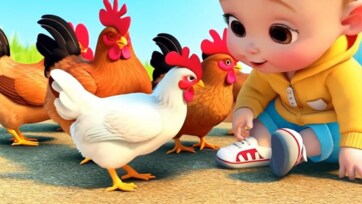
A Comprehensive Analysis of Early Childhood "Edutainment" In the modern landscape of child development, the intersection of digital media, visual storytelling, and fundamental educational concepts has created a new standard for early childhood engagement. This "edutainment" ecosystem relies on high-contrast visuals, expressive character archetypes, and relatable social scenarios to build cognitive and emotional foundations. By analyzing themes ranging from the frantic energy of a morning routine to the serene curiosity of animal interactions, we can see how these narratives provide a holistic framework for a child's understanding of the world. The Visual Language of Learning Visual stimuli are the primary drivers of learning in early childhood. Before a child can decode written language, they are proficient in decoding color, shape, and pattern. Color as a Navigational Tool The strategic use of a bold, saturated color palette is designed to capture attention and facilitate cognitive categorization. Vibrant Primaries: Bright red, sunny yellow, and deep blue serve as visual anchors. Red often denotes high energy or central characters, while yellow, as seen in the clothing of many young protagonists, signals optimism, approachable warmth, and safety. Stabilizing Contrasts: Blue sky backdrops or community vehicles like school buses provide a sense of environmental stability and reliability. Logical Sorting: Scenarios involving matching colored trucks to oversized, expressive eggs introduce children to the concept of sets and pattern recognition. This visual logic is the precursor to both mathematical and scientific thinking. Sensory Imaginarium High-quality digital rendering allows children to "feel" textures through their eyes, bridging the gap between screen time and real-world sensory play. Tactile Visualization: The representation of "slime" or liquid candy flowing from faucets engages a child's imagination regarding states of matter and fluid dynamics. Natural Textures: Contrasting the smooth feathers of a duckling or rooster with the squishy, cool texture of a mud puddle encourages an appreciation for the diverse physical properties of nature. Emotional Intelligence and Social Archetypes Modern media for children places a heavy emphasis on Social-Emotional Learning (SEL), using character expressions to teach empathy and conflict resolution. Identifying Internal States Exaggerated facial features help children name and validate their own feelings. Wonder and Surprise: Wide-eyed, open-mouthed expressions in characters—whether discovering a sink full of candy or missing a bus—provide a mirror for a child’s own reactions to the unexpected. Fear and the Unknown: Depicting a child's surprise at a "ghost" or shadow in a household setting like a bathroom helps normalize common fears and provides a safe space to discuss them. Mediation and Conflict: When characters representing emergency responders (like a police-dog archetype) intervene in a dispute between peers, it demonstrates the social value of mediation and the presence of community helpers. The Power of Companionship Narratives rarely focus on a solitary individual, instead emphasizing the group dynamic. Whether it is a trio of birds on a branch or friends on a road trip, these stories reinforce the idea that life’s journeys—and its learning—are most rewarding when shared. Community Systems and Life Skills As a child’s world expands beyond the home, media introduces the systems and responsibilities that govern society. The Morning Commute and Punctuality The scenario of a child rushing to a large yellow school bus is a masterclass in life skills. Time Management: The presence of a prominent analog clock helps children visualize the passage of time and the importance of punctuality. Independence: Carrying a backpack and navigating the sidewalk toward a vehicle driven by a trusted community member (represented here as a friendly giraffe-themed driver) symbolizes the child's growing independence. The Agricultural Ecosystem Farm-themed content introduces the concepts of labor, food production, and cross-species cooperation. Roles and Jobs: Seeing monkeys driving tractors or collecting milk shows that every member of a community has a specific task that contributes to the whole. Animal Stewardship: Interactions like feeding goats or sitting among chickens teach children to be gentle and respectful of other living beings. Nature as a Classroom The transition from digital screens to the great outdoors is encouraged through vibrant depictions of natural habitats. Biodiversity and Habitat By showing characters in diverse settings—from bamboo forests to wildflower meadows—children learn to identify different ecosystems. Observation Skills: Seeing birds in their natural environment or sheep grazing in a field encourages children to look closer at their own backyards. Environmental Empathy: The close-up interaction between a squirrel and a duckling in a natural setting fosters an early sense of wonder and a desire to protect the small creatures of the world. Active Play and Movement Content that features characters playing in the mud or running through grass validates active, outdoor play as a healthy and joyful pursuit. It frames the "messiness" of nature as an opportunity for discovery rather than something to be avoided. Conclusion: Synthesizing the Experience The digital frontier of early learning is a carefully architected tapestry designed to nurture the whole child. It uses the magnetic pull of bright colors and charming characters to deliver essential lessons in logic, empathy, and community responsibility. By turning a mundane bath into a comedy or a drive into an adventure, these narratives help children navigate the transitions of their own lives with confidence and curiosity. As they watch a rooster sit in a puddle or a monkey drive a tractor, they aren't just being entertained; they are building the mental map that will guide them as they step out of their homes and into the wide, wonderful world.
The Candy Sink Surprise
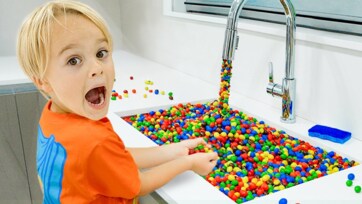
A Magical Kitchen Adventure! Hello, little explorers! Are you ready for the most colorful and sugary surprise ever? Today, we are looking at a picture that might make your eyes pop out of your head! Imagine walking into your kitchen, turning on the water faucet to wash your hands, and instead of water, a rainbow of chocolate candies comes pouring out! This is a story about magic, surprises, and the most delicious sink in the whole world. The Boy with the Giant Surprise In the middle of this magical kitchen is a little boy with bright blonde hair and a very, very big expression on his face! He is wearing a bright orange t-shirt, and his mouth is open in a giant "O" because he can’t believe what he is seeing. A Look of Pure Wonder Have you ever seen something so cool that you forgot to close your mouth? That is exactly what is happening here! His Eyes: They are wide open, looking right at us as if to say, "Are you seeing this too?" His Hands: He has his hands right inside the sink, catching the candy as it falls. He isn't just watching the magic; he is part of it! Catching the Rainbow The boy isn't afraid of the candy waterfall. He is holding a handful of red, green, and blue treats. Imagine how cool it would feel to have smooth, round candies sliding through your fingers instead of wet water! The Magic Candy Faucet The star of this picture is definitely the shiny silver faucet. Usually, faucets are for water to help us get clean, but this one has a much tastier job today. The Candy Waterfall Coming straight out of the faucet is a long stream of tiny, colorful chocolate candies. It looks like a never-ending waterfall of snacks! Red Candies: Bright like a fire engine! Blue Candies: Deep like the ocean! Yellow Candies: Sunny and happy! Green Candies: Like little emeralds! Brown and Orange: Adding even more color to the mix! A Sink Full of Treats The white kitchen sink is completely filled to the top with these candies. It’s like a ball pit, but instead of plastic balls, it’s filled with chocolate! There are so many candies that some have even jumped out of the sink and are scattered across the white counter. A Dream Kitchen for Kids This kitchen looks very clean and modern, with white counters and a shiny silver handle for the faucet. But with all that candy, it isn't a place for cooking dinner—it’s a place for a party! The Blue Sponge Even in a magical candy kitchen, you have to keep things clean! On the right side of the sink, there is a small blue sponge sitting on the counter. Maybe after the boy finishes his snack, he uses the sponge to make sure the counter is sparkly again. Why a White Sink? The sink and the counters are bright white. This is a great choice because it makes all the colors of the candy—the reds, yellows, and blues—look even brighter! It’s like the candy is sitting on a white cloud. The Science of Imagination Now, we know that in real life, water comes out of the faucet. But using our imagination is like a superpower! When we look at a picture like this, our brains get to play a "What If?" game. What If This Was Your House? Morning Surprise: Imagine waking up and finding your cereal bowl filled because the faucet gave you milk and the sink gave you candy! Brush Your Teeth: Would you still want to brush your teeth if the sink was full of chocolate? (Hint: You definitely should, or the tooth fairy might get worried!) The Sound: Think about what sound this would make. Water goes shhhhh, but candy would go clink-clink-clatter! Exploring with Your Senses If you were standing next to the boy in the orange shirt, what would you smell? You would probably smell the sweet, yummy scent of milk chocolate filling the whole kitchen! Learning Colors and Sorting This sink isn't just fun to look at; it’s a great way to learn! If you were the boy in the picture, you could play lots of games. The Sorting Game: Can you find all the blue candies and put them in a little pile on the counter? The Counting Game: How many red candies can you catch in your hand before they spill over? The Rainbow Pattern: Could you line them up to make a colorful snake? Red, orange, yellow, green, blue! Having a sink full of treats makes learning colors as easy as... well, eating candy! Why We Love Surprises The boy’s face is the most important part of the story. Surprises make our hearts beat a little faster and make us feel full of joy. Whether it’s a candy sink, a new toy, or a surprise visit from a friend, these moments are what make childhood so special. Sharing the Magic The boy is looking right at the camera, which means he is looking at YOU! He wants to share his magic discovery with all his friends. When we find something amazing, the first thing we want to do is tell someone else so they can be happy too. Conclusion: Keep Your Eyes Open for Wonder! The Candy Sink Surprise reminds us that even ordinary things, like a kitchen sink, can become magical if we look at them in a different way. While your faucet probably only has water today, that doesn't mean you can't find wonder in your own home. Maybe there is a rainbow in a bubble when you wash your hands, or maybe the clouds outside look like giant scoops of ice cream. The world is full of surprises, just like this sink full of chocolate. So, stay curious, keep your imagination big, and always be ready for a colorful adventure!
Advertisement
Dry Fruits for Kids: Essential Nutrients for Growth and Immunity
Dry fruits are small but power-packed nutritional treasures that offer a concentrated source of vitamins, minerals, antioxidants, healthy fats, and proteins. For children, incorporating dry fruits into their daily diet can significantly support growth, brain development, immunity, and overall health. Unlike fresh fruits, dry fruits are denser in nutrients, making them ideal snacks for busy school days, outdoor activities, and as a complement to meals. In Pakistan, dry fruits like almonds, walnuts, cashews, raisins, pistachios, and dates are widely available and are traditionally considered excellent for children’s growth. However, many parents are unaware of the best types of dry fruits, portion sizes, and ways to serve them safely. This guide explores the top dry fruits for kids, their benefits, and practical ways to include them in daily meals. Almonds — Brain and Bone Booster Almonds are rich in vitamin E, magnesium, calcium, and protein, making them an excellent choice for children’s brain development and bone health. Vitamin E is a powerful antioxidant that protects cells from damage, supports immunity, and improves cognitive function. Magnesium and calcium together strengthen bones and teeth, promoting healthy growth. Serving Tips: Soak 4–6 almonds overnight, peel them, and serve in the morning. Grind soaked almonds into a paste and mix with milk or yogurt for a nutrient-rich smoothie. Chop almonds into breakfast cereals, oatmeal, or fruit salads for added crunch. Health Benefits:Almonds enhance memory, learning ability, and bone strength, making them an essential dry fruit for school-age children. Walnuts — Brain and Cognitive Development Walnuts are an excellent source of omega-3 fatty acids, protein, and antioxidants, which are crucial for brain development. Omega-3s support learning, memory, and concentration, making walnuts a must-have during early and middle childhood when cognitive development is rapid. Serving Tips: Serve 2–3 walnut halves daily as a snack. Grind walnuts and mix into milk, yogurt, or porridge for added nutrition. Add chopped walnuts to baked goods or energy bars for children. Health Benefits:Regular walnut consumption improves brain function, focus, and mental alertness, supporting academic performance and learning. Cashews — Energy and Immune Support Cashews provide healthy fats, protein, iron, and zinc, which support energy production, immunity, and growth. They are slightly softer than other nuts, making them suitable for younger children who may have difficulty chewing harder nuts. Serving Tips: Serve a small handful (5–7 cashews) daily. Blend cashews with milk or yogurt to make creamy shakes. Use cashews in savory dishes, khichdi, or rice for extra nutrients. Health Benefits:Cashews help maintain energy levels, muscle growth, and strong immunity, essential for active children. Pistachios — Eye Health and Immunity Pistachios are rich in vitamins A, E, potassium, and fiber. Vitamin A supports vision development, while antioxidants boost immunity. Fiber improves digestion and helps maintain healthy blood sugar levels, even with natural sugars from fruits included in the diet. Serving Tips: Serve a small portion (5–7 pistachios) as a snack. Chop pistachios and add to yogurt, smoothies, or fruit salads. Use pistachios in desserts or energy balls for a nutrient boost. Health Benefits:Pistachios enhance vision, digestion, and immunity, making them a versatile and tasty option for kids. Raisins — Natural Energy and Iron Boost Raisins are dried grapes and are rich in natural sugars, iron, and antioxidants. Iron is crucial for hemoglobin production, which prevents anemia and keeps children energetic. Raisins also provide quick energy, making them ideal for school snacks and outdoor activities. Serving Tips: Mix a small handful of raisins into oatmeal, yogurt, or cereals. Serve as a midday snack with nuts for balanced energy. Add to homemade energy bars or muffins. Health Benefits:Raisins prevent fatigue, anemia, and low energy, supporting active growth and performance in school and sports. Dates — Immunity and Growth Support Dates are a rich source of potassium, iron, fiber, and antioxidants. They provide instant energy, support digestion, and strengthen immunity. Dates are particularly useful during cold months or when children need an energy boost before school or sports. Serving Tips: Serve 2–3 dates as a natural sweet snack. Chop dates into oatmeal, smoothies, or milkshakes. Blend dates with nuts to make energy balls for a healthy treat. Health Benefits:Dates improve digestion, immunity, and growth, while also providing natural sweetness without added sugar. Hazelnuts — Heart and Brain Health Hazelnuts are rich in vitamin E, healthy fats, protein, and magnesium, which support brain development, heart health, and strong bones. Their crunchy texture and mild flavor make them suitable for older children as a snack. Serving Tips: Chop or grind hazelnuts into milk or smoothies. Add to breakfast cereals, oatmeal, or baked goods. Serve a few whole hazelnuts daily for snack-time nutrition. Health Benefits:Hazelnuts enhance memory, brain function, and cardiovascular health, supporting long-term wellness. Apricots — Vision and Immune Support Dried apricots are high in vitamin A, iron, and fiber, which are important for vision, immunity, and digestion. They are soft, sweet, and easy to chew, making them suitable for younger children as well. Serving Tips: Serve a few dried apricots daily as a snack. Chop and mix into cereals or yogurt for added sweetness and nutrients. Include in homemade energy bars or puddings. Health Benefits:Apricots support eye health, digestion, and immunity, while providing a natural source of energy. Figs — Digestive and Bone Support Figs are rich in calcium, potassium, fiber, and antioxidants. They support bone growth, digestion, and immunity, making them ideal for growing children. Their chewy texture and natural sweetness make them a perfect snack or dessert addition. Serving Tips: Serve 2–3 dried figs daily. Chop figs into yogurt, cereals, or oatmeal. Blend with milk and nuts to make a nutrient-rich smoothie. Health Benefits:Figs improve bone strength, digestion, and overall growth, supporting healthy childhood development. Practical Tips for Including Dry Fruits in Children’s Diet Moderation is Key: Dry fruits are calorie-dense; small portions (5–10 pieces of nuts or 2–3 dates) are enough daily. Soak Hard Nuts: Almonds and walnuts can be soaked overnight to improve digestibility. Combine with Meals: Mix nuts and dried fruits with cereals, yogurt, or milk for added nutrition. Homemade Energy Balls: Blend nuts, dates, and raisins to make healthy snacks that kids love. Avoid Added Sugar: Use natural sweetness from dried fruits rather than sugary packaged snacks. Introduce Gradually: Introduce one type of dry fruit at a time, especially for younger children, to avoid allergies. Benefits of Dry Fruits for Kids Bone and Teeth Development: Almonds, cashews, and figs provide calcium and magnesium. Brain Development: Walnuts, almonds, and hazelnuts enhance memory and concentration. Immunity Boost: Dates, apricots, and raisins provide antioxidants and vitamins. Energy Support: Dates, raisins, and cashews give natural, sustained energy. Digestive Health: Figs, apricots, and raisins are rich in fiber, improving gut health. Conclusion Dry fruits are a powerful and convenient source of nutrition for children. Almonds, walnuts, cashews, pistachios, raisins, dates, hazelnuts, apricots, and figs offer concentrated vitamins, minerals, protein, healthy fats, and antioxidants essential for growth, immunity, brain development, and energy. Parents should focus on moderation, variety, and preparation techniques such as soaking nuts or combining them with milk, yogurt, cereals, or smoothies. Incorporating dry fruits into the daily diet ensures children grow stronger, stay active, think sharper, and maintain healthy immunity, laying the foundation for a healthy and energetic childhood. With thoughtful inclusion, dry fruits become more than snacks—they are daily nutrient boosters that support a child’s growth, cognitive development, and overall wellbeing.